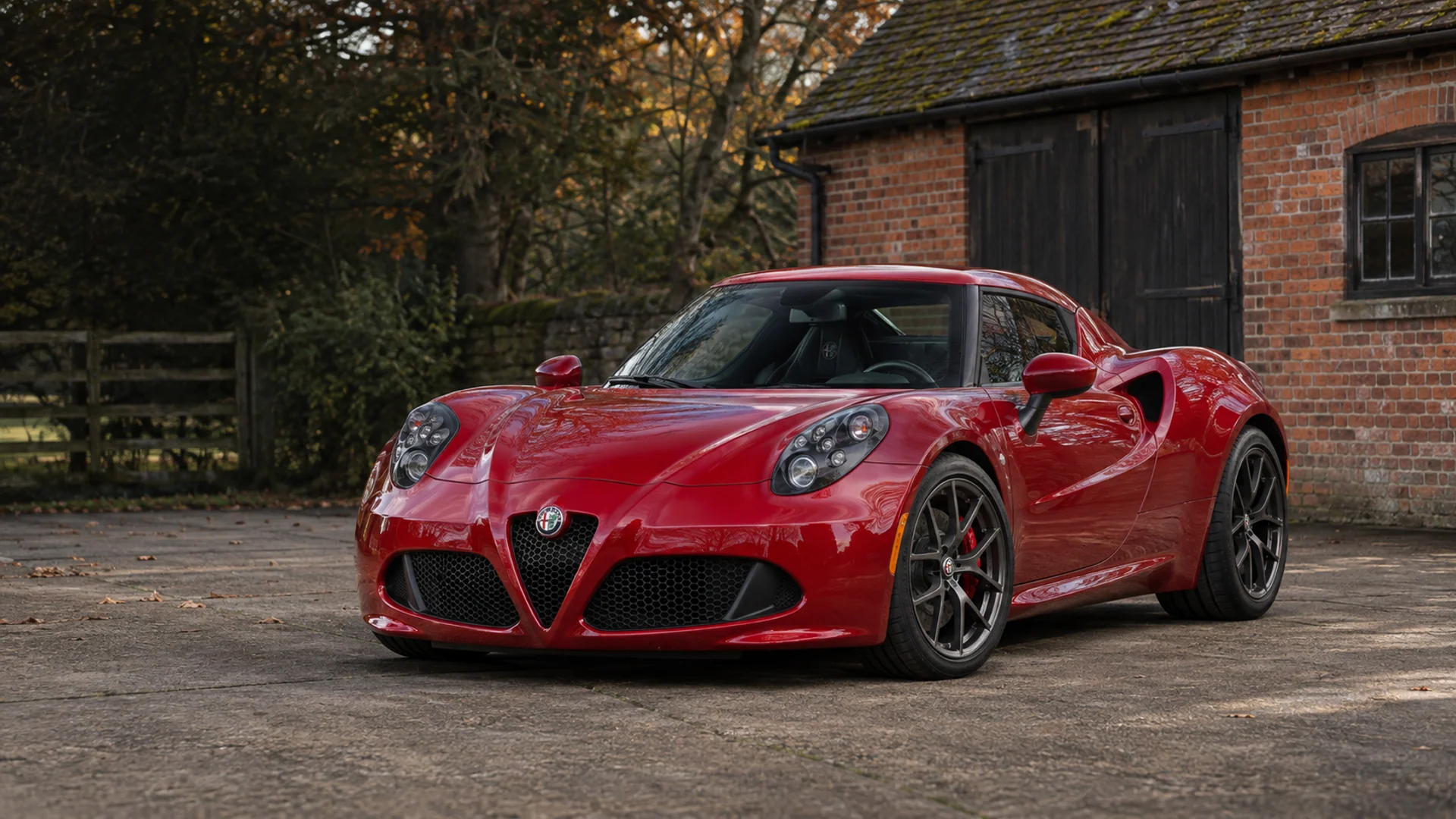
Alfa Romeo 4C.
The coilover guide.
Shop the coiloversKeep the 4C usable on the roads you drive. Compare R1's single damping control with R3's separate adjustments, then match the package to your body, tyres and existing suspension.
A carbon tub, a mid-mounted engine and two very different roofs.
The 4C already sits low, with the engine behind the seats and very little bodywork beyond its wheels. A set of alloys and a small height change can alter its stance considerably. Leave room for steering, suspension movement and the entrances you actually use.
Our current selection contains Nitron R1 and R3 kits, both with Road and Track setup choices. The manufacturer names the 4C without a detailed body or year table. Give us the exact Coupé or Spider, original market and any mounting or geometry changes before choosing a configuration.
The production 4C made its Geneva debut in 2013, following the concept shown there in 2011. Alfa Romeo put a turbocharged four-cylinder engine behind the occupants, drove the rear wheels and built the passenger cell from carbon fibre. Production took place at Maserati's Modena plant.
The Spider followed in 2015. UK order books opened that May, with a removable cloth roof, a different engine cover and a revised rollover structure. Those changes make the body worth recording when discussing parts, even though both cars belong to the same 4C family.
A road 4C can keep its compact shape with a modest drop and carefully chosen wheels. On a car already fitted with different tyres, alignment parts or suspension, record what is installed before deciding what to change next.
Start with your 4C.
Confirm the chassis, year and existing suspension before choosing your setup.
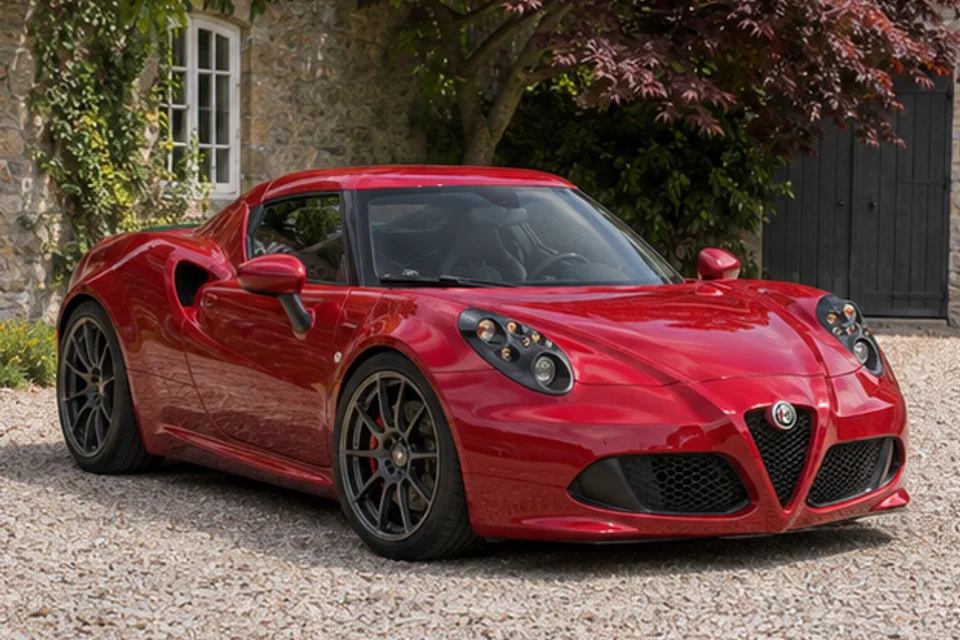
4C Coupé
Give us the build year, original market and current suspension details. The UK AL010 listings identify the 4C but do not provide a separate Coupé mounting or year table. Confirm the particular car and supplied parts before selecting a setup.
Check my 4C Coupé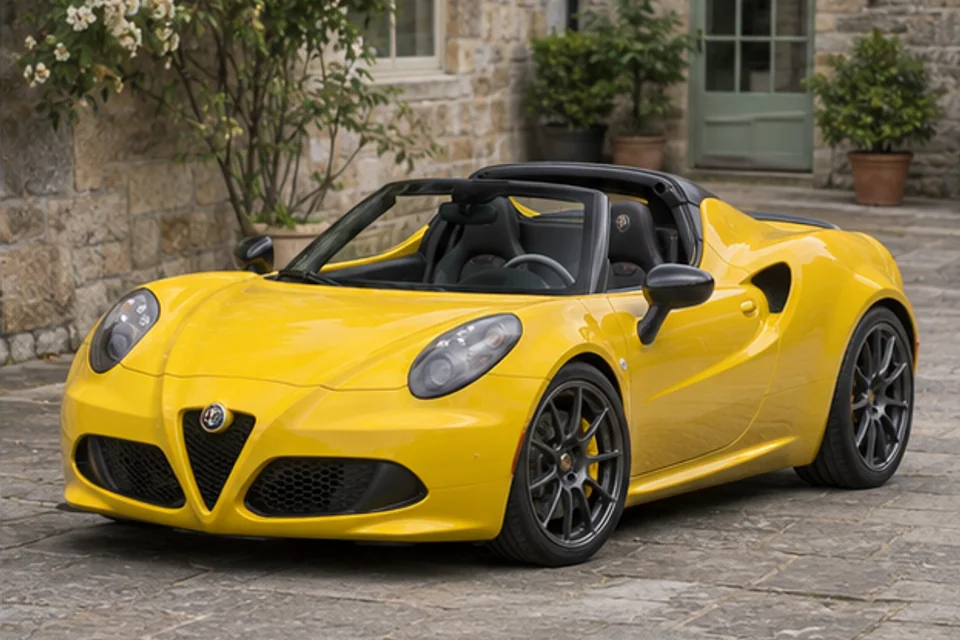
4C Spider
Identify the Spider and its original market, including any factory suspension package. Alfa's documents describe regional spring, anti-roll-bar and damper differences. Confirm the fitted parts and proposed spring specification for that car.
Check my 4C Spider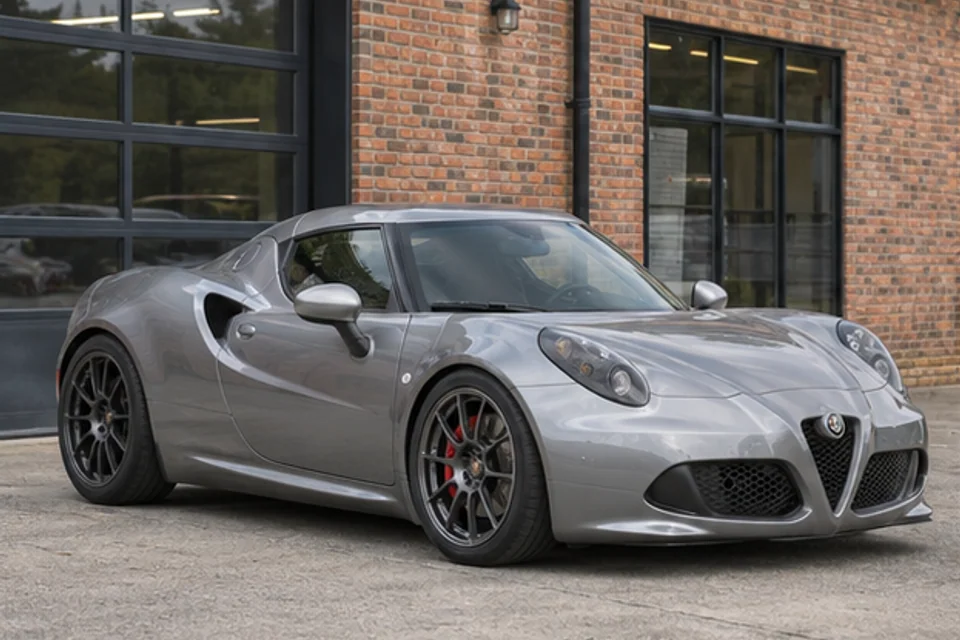
Wheels and geometry already changed
List wheel widths, offsets, tyre sizes, spacers and any replacement arms or geometry parts. Have the fitter assess the current arrangement before choosing height and springs. Keep the existing alignment record if one is available.
Discuss my existing setup
Circuit preparation
Describe the tyres, mileage on track, weight changes and any competition requirements. Agree the spring and damping specification around that preparation. If considering R3, confirm the supplied reservoir arrangement and where the fitter will mount and reach it.
Discuss my circuit 4CWhat do you want
from the car?
Road miles, circuit weekends or a car built around the lap. Start with how you drive.
Start with usable travel and a straightforward adjustment routine.
Read the buying advice
R1 combines compression and rebound in one damping control. It is the simpler of the two listed systems to adjust. Discuss the Road setup around your tyres and journeys, while confirming the exact application and supplied mounting parts. A lower stance still needs clearance on uneven roads and ramps.
- Describe the roads and tyres
- Keep useful clearance and travel
- Confirm the R1 package for my car
Choose the controls you will use, with a record of the setup.
Read the buying advice
Compare the R1 and R3 around the car's actual circuit use. R3 separates rebound from low- and high-speed compression. Ask the fitter which controls they would use for your tyres and setup plan before choosing either system.
- Declare road and track mileage
- Include tyres and alignment changes
- Plan how adjustments will be recorded
Specify the springs, damping and reservoir installation together.
Read the buying advice
R3 offers independent rebound and compression controls for a developed setup. Have the builder agree the springs, valving and installation around the actual tyres and preparation. Nitron's general material describes reservoir options, so confirm the arrangement supplied for this particular 4C rather than choosing mounting positions from a generic photograph.
- Supply the car's preparation details
- Agree spring and damping requirements
- Confirm reservoir and adjustment access
Rear struts, with the spring around the damper.
The rear spring surrounds the damper on a standard Alfa Romeo 4C.
Component layout only. Mounts, dimensions and adjusters vary by kit.Alfa's factory technical material identifies double wishbones at the front and evolved MacPherson struts at the rear. The rear spring surrounds the damper, as the original chassis cutaway shows. It is not the separate spring seat and adjacent damper arrangement used on some other cars.
The front and rear assemblies still do different jobs and use their own attachments. Have the fitter confirm the mounts, spring hardware and adjustment access for the supplied kit. On R3, include its actual reservoir and hose arrangement in that discussion; the compact diagram does not establish fitting dimensions.
Understand ride height and spring preload
Set the height around the whole car.
Give the fitter both front and rear wheel and tyre specifications. The 4C uses a staggered arrangement, so do not describe the wheels by one diameter alone. Check suspension and body clearance through the required steering and movement, along with the splitter, underside and the ramps the car needs to use.
Have existing joints, bushes and geometry changes assessed before the new setup is aligned. Agree safe lifting and access for the particular car, the mounting parts supplied and how each adjuster can be reached. Arrange alignment and the fitter's specified rechecks after the running height is set.
Front and rear wheel specifications
Record both axle sizes, widths, offsets and tyre dimensions, plus any spacers. Check the actual clearance before using ride height to complete the look.
Alignment parts and existing geometry
Tell the fitter about replacement arms, bushes or geometry parts. Keep their details with any previous alignment sheet so the new setup starts from the car as it is.
Splitters and underside clearance
Include added splitters, underbody changes and the approaches to your garage or trailer. Agree a usable running height before the stance is signed off.
Tyres and circuit preparation
Declare tyre choice, weight changes and intended events. Choose springs and damping around that preparation instead of assuming that a Track option covers every build.
The current 4C range.
Compare the controls and hardware included in each range.

The current AL010 selection is R1 and R3, each with Road and Track setup choices. R1 uses a single control for compression and rebound; R3 separates rebound and low- and high-speed compression. Both manufacturer application tables name Alfa Romeo 4C without detailed body, year or mounting notes. Confirm those details, spring requirements and the exact R3 reservoir arrangement before ordering. Custom rates need an enquiry.
View Nitron 4C kitsFind your 4C coilovers.
Prices include UK VAT. Choose an application and brand, then open a kit for its current options and availability.
2 listings
Match the engine, body style and axle-load limits on the product page before ordering.
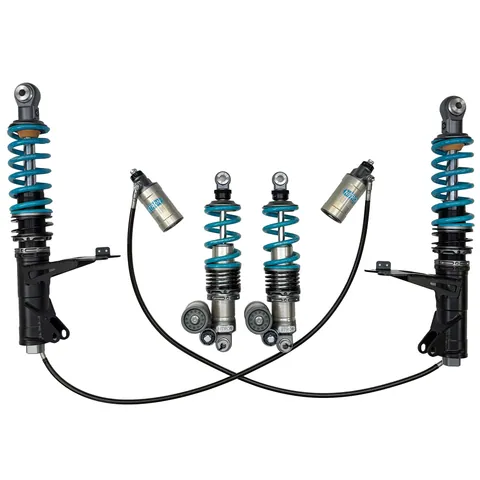
Nitron · NTCAL010R3_
Nitron Alfa Romeo 4C R3 Coilover Suspension Kit
Check the exact application
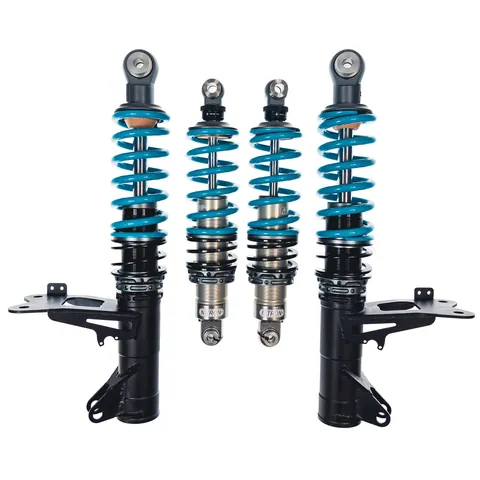
Nitron · NTCAL010R1_
Nitron Alfa Romeo 4C R1 Coilover Suspension Kit
Check the exact application
Before you order.
Identify your car
Identify Coupé or Spider, build year, original market and any factory suspension package.
Match the kit
Confirm the exact AL010 application, current mounting arrangement and supplied parts.
Check what’s included
Agree the spring specification and adjuster access; include R3 reservoirs and hoses where supplied.
Check your modifications
Check front and rear wheel, tyre, body and underside clearance at a usable height.
Plan fitting
Plan fitting, alignment, setup records, rechecks and current supply timing.
See what the adjustments do.
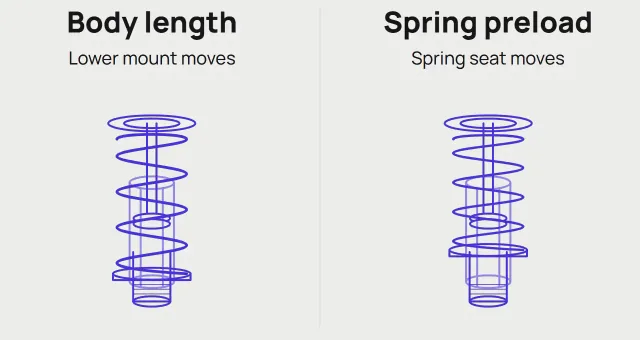
Ride height and spring preload
Understand the two adjustments before choosing a lowering range.
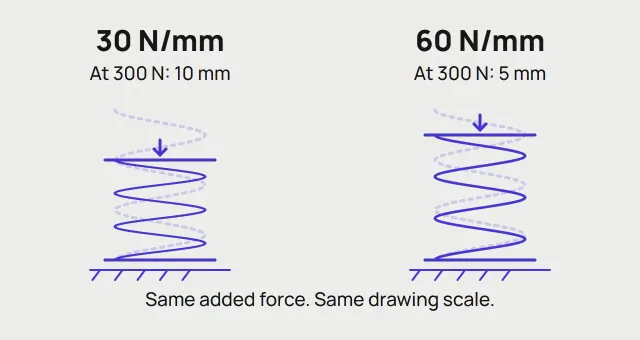
What spring rate tells you
Compare force and movement, read the units and choose a spring with the damper in mind.
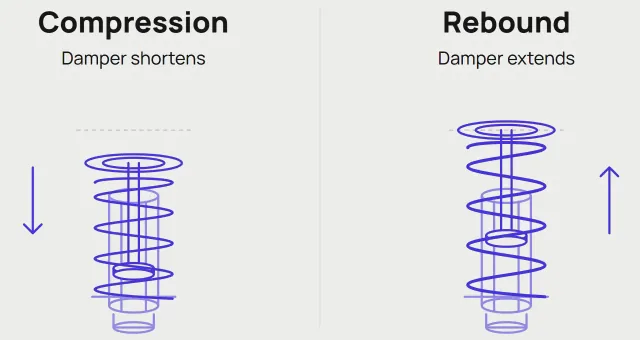
Damping adjustment explained
What combined, two-way and three-way controls change.
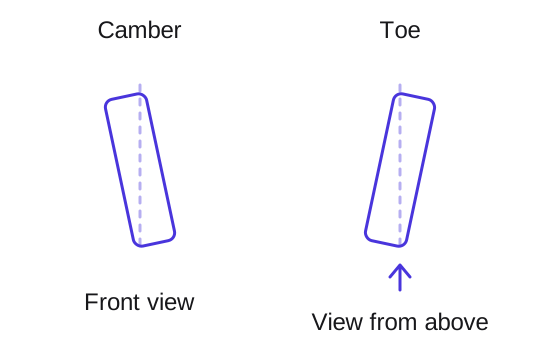
Alignment after changing ride height
Set the intended height, check the geometry and keep a useful record of the result.
Questions about Alfa Romeo 4C coilovers.
Check the details before choosing your kit.
Do these kits cover both the 4C Coupé and Spider?
Nitron's current UK application tables name the 4C but do not give a body-by-body or model-year breakdown. Provide the exact Coupé or Spider, original market and current suspension details so the application and supplied parts can be confirmed.
Does the 4C have a separate rear spring and damper?
Its factory rear suspension uses evolved MacPherson struts, with the coil spring around the damper. Alfa's original chassis cutaway shows that arrangement. The front uses double wishbones, so do not assume that front and rear mounts or assemblies are interchangeable.
What is the useful difference between R1 and R3?
R1 changes compression and rebound together through one damping control. R3 gives separate rebound, low-speed compression and high-speed compression adjustments. Choose the controls around the setup work you will actually do, and agree springs and alignment with the fitter.
What do the Road and Track options mean?
They select the setup of the listed kit. They do not identify a different 4C body or guarantee suitability for every circuit build. Confirm the application, tyres and preparation before choosing; custom spring requirements are an enquiry.
Where do the R3 reservoirs go?
Confirm the arrangement supplied for the exact 4C kit and agree its mounting and hose routing with the fitter. Nitron's general R3 information describes reservoir options; a generic product image does not establish installation positions on your car.
Does the original suspension package or market matter?
Record both. Alfa's launch material describes factory package and market differences in springs, anti-roll bars and damping. Have the fitter confirm the original equipment and any changes already made to it.
How low can I run a 4C with upgraded wheels?
That depends on both axles' wheel widths, offsets and tyres, suspension movement and body clearance. Have the fitter check the actual car at the intended height, including steering, splitter and underside clearance.
Will the registration finder identify my suspension changes?
It helps identify the car, but you still need to tell us about changed wheels, spacers, geometry parts and previous suspension work. Those details remain part of confirming the kit and fitting plan.
Let’s talk suspension.
Find your 4C, then tell us its body, original market, tyres and existing suspension changes. We can discuss the listed R1 and R3 choices around the car and how you use it.