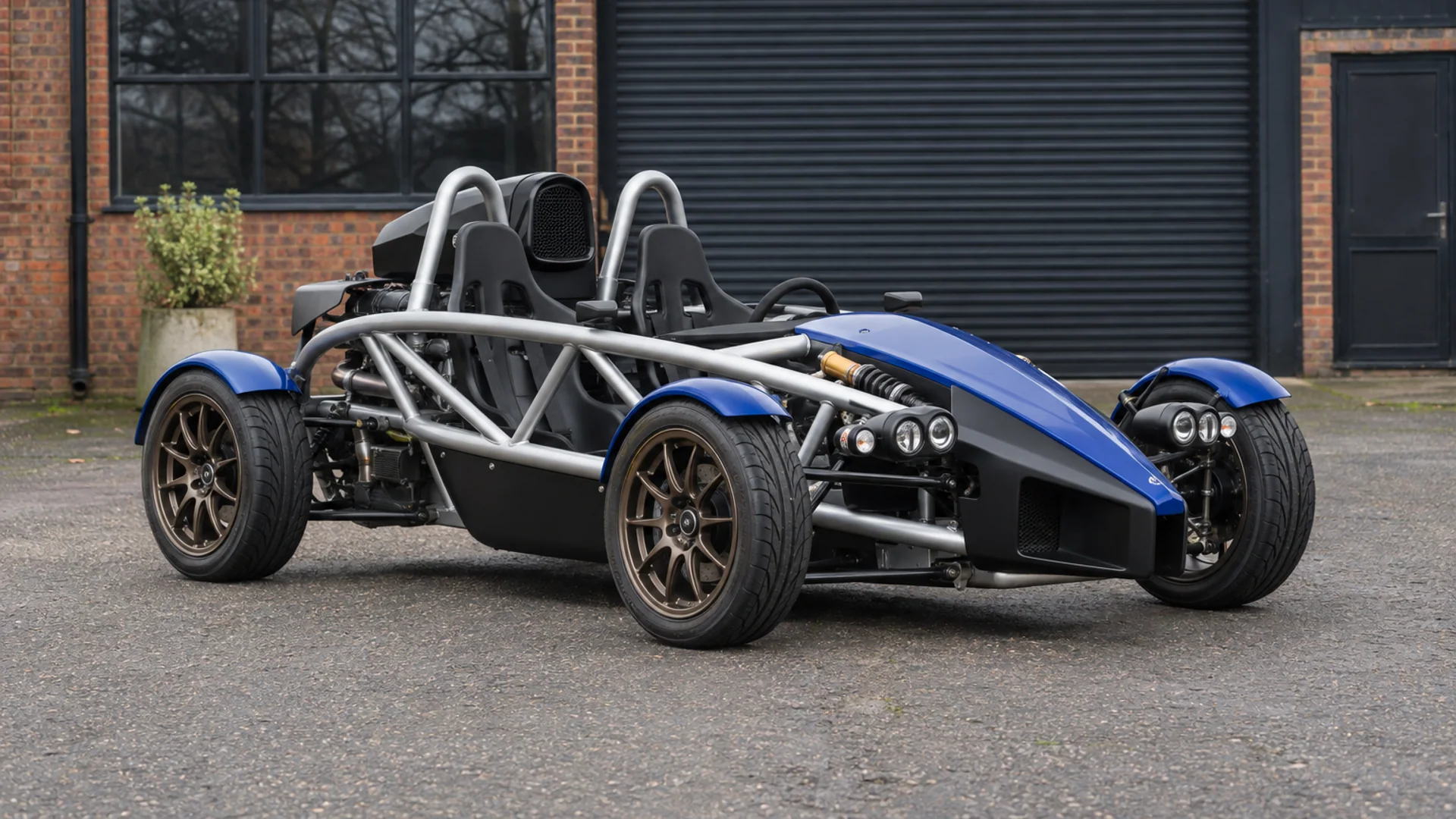
Ariel Atom 3 / 3.5.
The coilover guide.
Shop the coiloversSet up the Atom around its tyres, running height and existing dampers. Compare Nitron R1 and R3, with the third-generation chassis and its later factory revisions kept in view.
Atom 3, followed by the 3.5 revision.
Choose the running height with the wheels and tyres already specified. Have clearance beneath the cycle wings checked through steering and suspension movement, together with the travel available through the Atom's pushrod suspension.
Nitron lists R1 and R3 for the Atom, each with Road and Track setup choices. Its UK application tables do not divide the car by generation or factory suspension. Send the chassis identification, build year, original market and fitted damper details before choosing an assembly for an Atom 3 or 3.5.
Ariel introduced the Atom 3 in 2007 with a revised chassis and Honda's K20Z4 Type R engine. It kept the open two-seat layout, exposed tube frame and compact body panels that make an Atom recognisable even with different wheels or a changed colour scheme.
The 3.5 arrived in 2012. Ariel retained the Atom 3 chassis while revising the suspension, steering, engine management and bodywork. The 3.5R had its own suspension specification, including Öhlins TTX36 dampers and spring choices for different uses. Identify the equipment on the actual car, including changes since it left the factory.
The Atom 4 introduced in 2018 had another chassis and suspension redesign. Earlier Rover-powered Atoms, Atom 2, the V8 and other special or competition versions also need separate application research. This guide concentrates on the Atom 3 and its 3.5 revision.
Start with your Atom 3 / 3.5.
Confirm the chassis, year and existing suspension before choosing your setup.
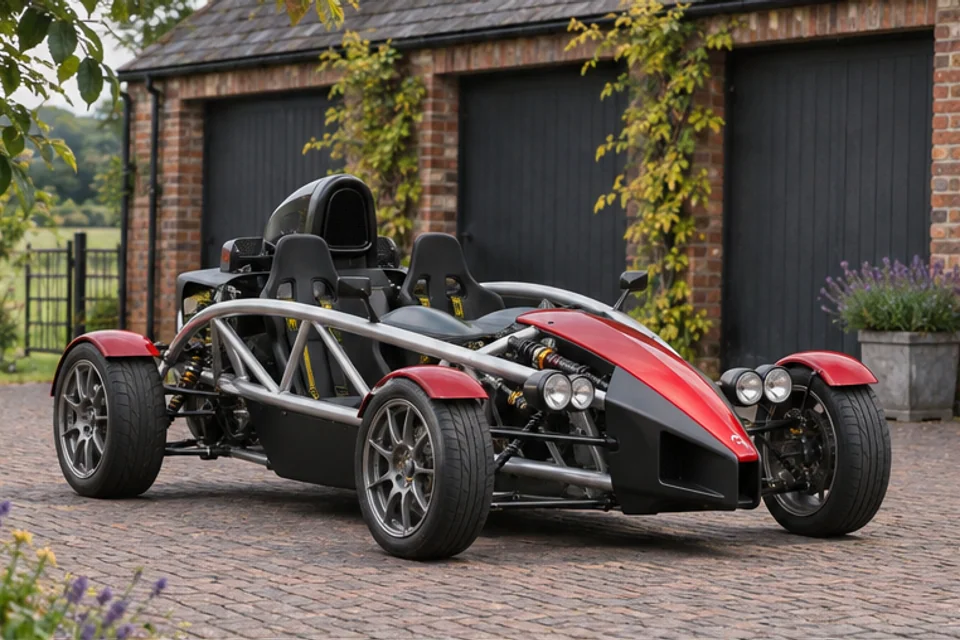
Atom 3 road cars
Give the chassis identification and original market, plus the engine and damper specification now fitted. Include photographs of the inboard assemblies and their attachments. The broad AR010 Atom listing needs checking against this particular third-generation car.
Check my Atom 3
Atom 3.5 and 3.5R
State the full version and existing suspension, especially a 3.5R's factory Öhlins equipment or any later replacement. Confirm the proposed Nitron assemblies, springs and adjustment access. The shared chassis history does not identify every supplied fitting.
Check my Atom 3.5
Changed wheels, aero or suspension
List wheel widths, offsets, tyre sizes and any spacers on both axles. Declare altered wishbones, pushrods, bellcranks or mounts, together with wings and changes in weight. V8, Mugen, Cup and other special builds need their own specification check before parts are selected.
Discuss my modified AtomWhat do you want
from the car?
Road miles, circuit weekends or a car built around the lap. Start with how you drive.
Allow the suspension room to work on the roads you use.
Read the buying advice
Discuss R1's combined compression and rebound control alongside the Road setup, tyres and existing spring specification. Have the fitter assess running height and usable travel through the Atom's linkage, with clearance for the cycle wings and the routes into your garage. Agree the starting settings and keep a written record.
- Describe the roads and tyres
- Check running height and travel
- Agree springs and starting settings
Choose the damping controls you will use between sessions.
Read the buying advice
Compare R1 with R3 around road mileage, tyre choice and the person doing the setup work. R3 separates rebound from low- and high-speed compression. Keep a baseline with the alignment and tyre details so changes can be reviewed and the car prepared for its journey home.
- Include the journey to the circuit
- Record tyres and alignment
- Plan how to log adjustments
Specify the dampers with the builder who knows the car.
Read the buying advice
Discuss R3's separate controls with the person responsible for springs and geometry. Declare tyres, aero and weight changes before agreeing the specification. Confirm damper travel, end fittings and the actual reservoir installation, with access for adjustment and room for any hoses. A Road or Track option does not establish a special build's compatibility.
- Declare aero and preparation
- Agree springs and damping
- Check fittings and reservoir access
Inboard coilovers, operated by pushrods.
The rear spring surrounds the damper on a standard Ariel Atom 3 / 3.5.
Component layout only. Mounts, dimensions and adjusters vary by kit.The Atom 3.5 has pushrod-operated coilover units at both ends. The spring surrounds the damper, while the pushrod and bellcrank transmit wheel movement to the inboard assembly. The compact drawing identifies the spring and damper unit; the car's linkage determines how it works at the wheel.
Confirm damper length, travel and end fittings for the actual chassis and existing hardware. A spring rate quoted at the damper cannot be treated as the wheel rate without accounting for the linkage. Have the setup specialist assess changes to pushrods or bellcranks, and agree running height and alignment together.
Understand ride height and spring preload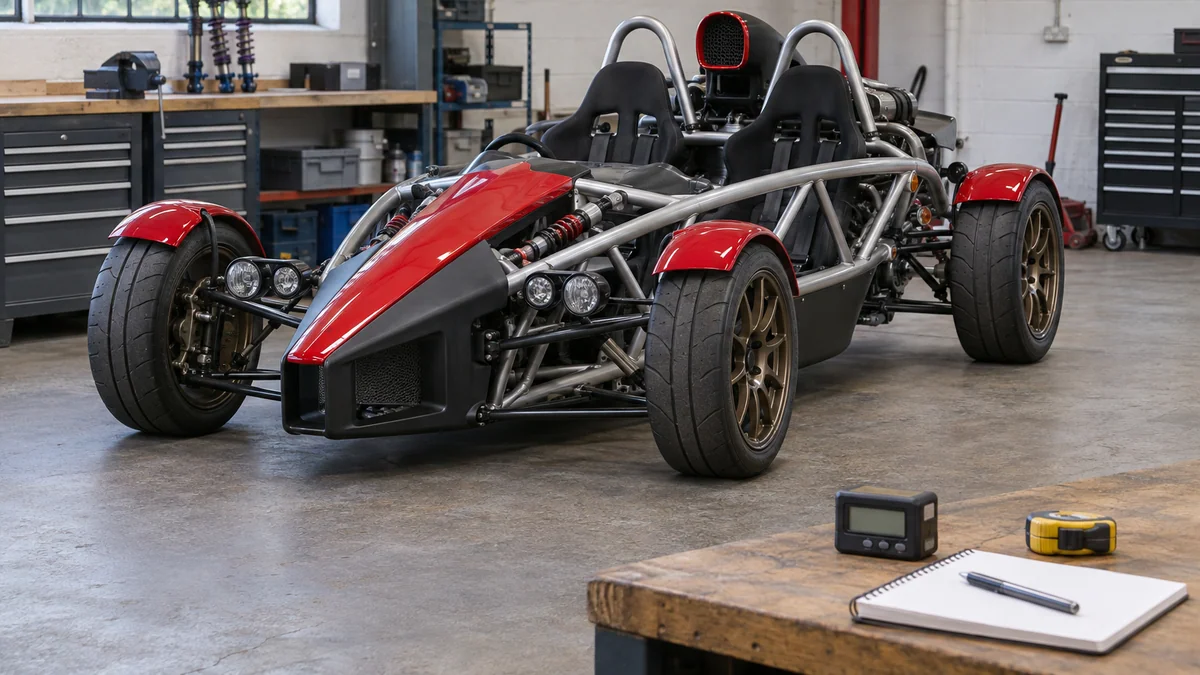
Inspect the linkage before changing the settings.
Have the fitter assess wishbone joints, rod ends, bellcranks and the damper attachments before the new setup is agreed. Supply the previous alignment sheet and any available suspension part numbers. Record modifications to the chassis or pickup points separately from a normal damper replacement.
With both wheel and tyre specifications known, check clearance through steering and suspension movement, including the cycle wings and underside. Agree adjuster access and any R3 reservoir or hose installation. Budget for fitting, alignment and the specialist's rechecks, then keep the final measurements with the car.
Tyres and cycle-wing clearance
Record both axles' tyre sizes, wheel widths and offsets. Include spacers and changed cycle wings so the fitter can assess clearance through steering and suspension movement.
Rod ends and bellcranks
Include play or wear found during inspection, together with replacement joints and linkage parts. Identify the existing components before an alignment or spring change.
Existing damper packages
Photograph the labels and attachments on the current dampers, including any equipment changed since the car was built. Ask which mounts and springs the proposed Nitron package supplies for this car.
Aero and event preparation
Declare wings, tyre changes and equipment added or removed. Agree the specification with the builder and check the intended event's rules before choosing springs or damping.
The current Atom 3 / 3.5 range.
Compare the controls and hardware included in each range.

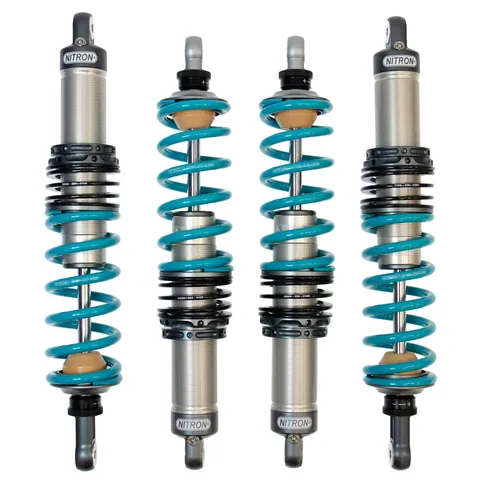
The AR010 R1 and R3 listings each have Road and Track setup choices. R1 combines compression and rebound adjustment in one control and needs no remote canister. R3 has independent rebound, low-speed compression and high-speed compression controls; confirm the actual reservoir arrangement and installation. The UK tables name Atom without a generation or mounting breakdown, so both listings need an exact-car check. Custom spring requirements are handled by enquiry.
View Nitron Atom 3 / 3.5 kitsFind your Atom 3 / 3.5 coilovers.
Prices include UK VAT. Choose an application and brand, then open a kit for its current options and availability.
2 listings
Match the engine, body style and axle-load limits on the product page before ordering.
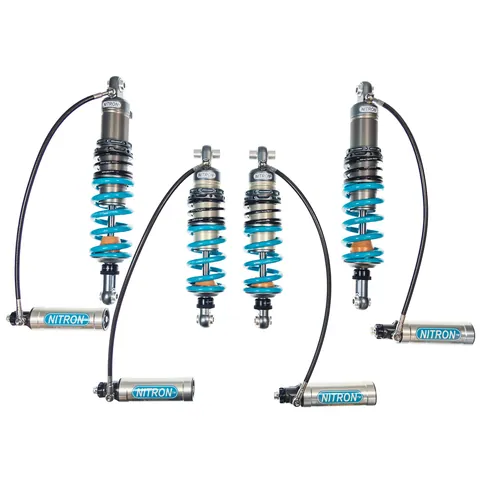
Nitron · NTCAR010R3_
Nitron Ariel Atom R3 Coilover Suspension Kit
Check the exact application
Nitron · NTCAR010R1_
Nitron Ariel Atom R1 Coilover Suspension Kit
Check the exact application
All Atom 3 / 3.5 kit links and part numbers
Before you order.
Identify your car
Identify the Atom 3 or 3.5 chassis, build year, original market and full version, including engine and factory suspension.
Match the kit
Photograph current dampers, springs and attachments; record changed wishbones, pushrods, bellcranks or mounting points.
Check what’s included
Confirm the exact AR010 assemblies, spring requirements, travel and end fittings, plus adjustment and reservoir access.
Check your modifications
Check both wheel and tyre specifications, cycle-wing clearance, steering movement and usable underside clearance.
Plan fitting
Arrange fitting, alignment, setup records and rechecks, and confirm current supply timing before booking the work.
See what the adjustments do.
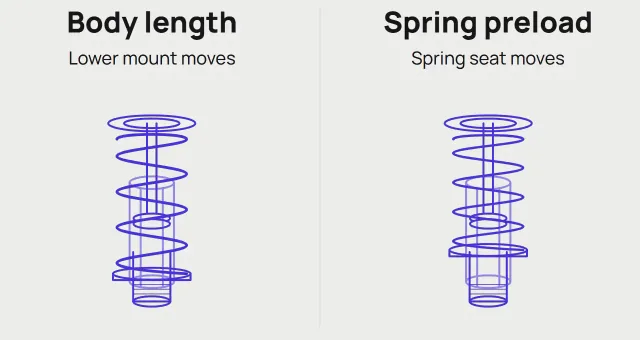
Ride height and spring preload
Understand the two adjustments before choosing a lowering range.
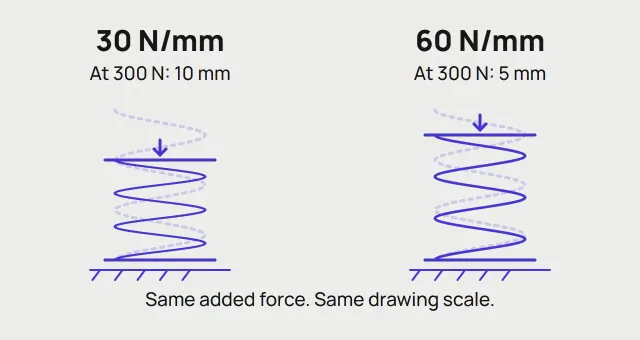
What spring rate tells you
Compare force and movement, read the units and choose a spring with the damper in mind.
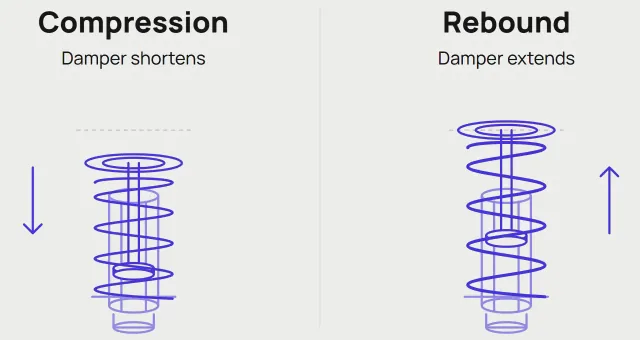
Damping adjustment explained
What combined, two-way and three-way controls change.
Alignment after changing ride height
Set the intended height, check the geometry and keep a useful record of the result.
Questions about Ariel Atom 3 / 3.5 coilovers.
Check the details before choosing your kit.
Does this guide cover every Ariel Atom generation?
It concentrates on the Atom 3 introduced in 2007 and its 3.5 revision. Ariel retained the Atom 3 chassis for the 3.5, with changes to suspension and other equipment. The original Atom, Atom 2 and Atom 4 need separate research; a shared model name does not confirm interchangeable dampers.
Does a 3.5R use the same factory suspension as an earlier Atom 3?
Ariel specified Öhlins TTX36 dampers and particular spring choices for the 3.5R. Give the full version, chassis identification and details of the suspension currently fitted. Confirm the new assemblies and fittings against the actual car.
Are the rear springs separate from the dampers?
The Atom 3.5 uses pushrod-operated coilover units, with each spring around its damper. The units sit inboard and are operated through the suspension linkage. Confirm the assemblies, travel and attachments supplied for the particular chassis.
How do Nitron R1 and R3 adjustments differ?
R1 adjusts compression and rebound together through one control. R3 separates rebound, low-speed compression and high-speed compression. Choose the controls around the setup work you intend to do, with springs and tyres agreed for the car.
Do the Road and Track options identify a generation?
They are setup choices for the listed Nitron kit. The car's generation, mounts and existing equipment still need checking. Supply any custom spring requirements by enquiry so the springs and valving can be agreed.
Where will the R3 reservoirs fit?
Confirm the arrangement actually supplied with the Atom kit, then agree mounting, adjustment access and any hose routing with the fitter. Nitron's general R3 material describes reservoir alternatives without a generation-specific installation plan.
Can I copy spring rates from another Atom?
Give the specialist your chassis, dampers, linkage, tyres and intended use before choosing rates. Changes to the pushrod or bellcrank arrangement affect how wheel movement reaches the unit. Include aero and weight changes, and keep the agreed spring specification with the setup record.
Will the registration finder identify the current suspension?
It helps identify the vehicle. Send photographs and part numbers for replacement dampers or springs separately, along with changed wheels, linkage parts or mounts, so those details can be included in the application check.
Let’s talk suspension.
Find your Atom, then send its chassis details and existing suspension specification. We can discuss R1 and R3 around the tyres, roads and events you use.