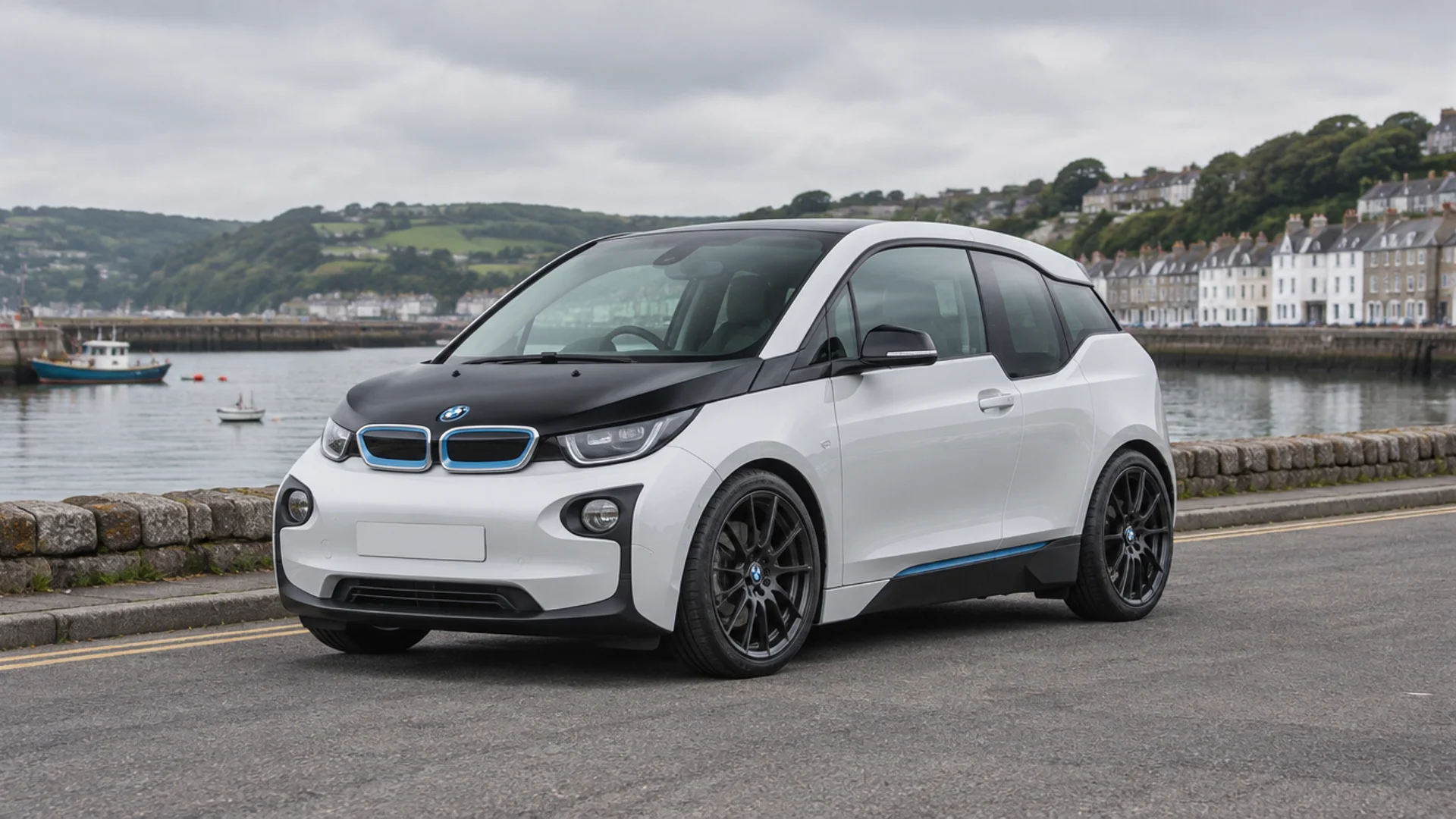
BMW i3 I01.
The coilover guide.
Shop the coiloversBC Racing lists one kit for the rear-drive i3. Tell the supplier whether the car is an i3, i3s or range extender, then set the height around clearance and the car's narrow tyres.
BMW i3 history
The i3 is BMW's small electric car, with a carbon-fibre passenger cell on an aluminium chassis and its motor driving the rear wheels. BC lists I-91 for it, with default rates of 4 kg/mm front and rear.
The i3s sits lower on wider wheels, and the range extender carries a small petrol engine at the back. Give the supplier the exact version and wheel size before ordering.
BMW launched the i3 in 2013 as the first car from its i sub-brand. The passenger cell is made of carbon-fibre-reinforced plastic, and the battery sits under the floor. A range-extender version added a small two-cylinder petrol engine.
The sportier i3s arrived in 2017 with more power, a lower ride height and wider tyres. Production ended in 2022.
The i3's tall, narrow tyres are part of its efficiency. If you change wheels and tyres along with the suspension, check clearance and how it affects the car's range.
Start with your i3 I01.
Confirm the chassis, year and existing suspension before choosing your setup.
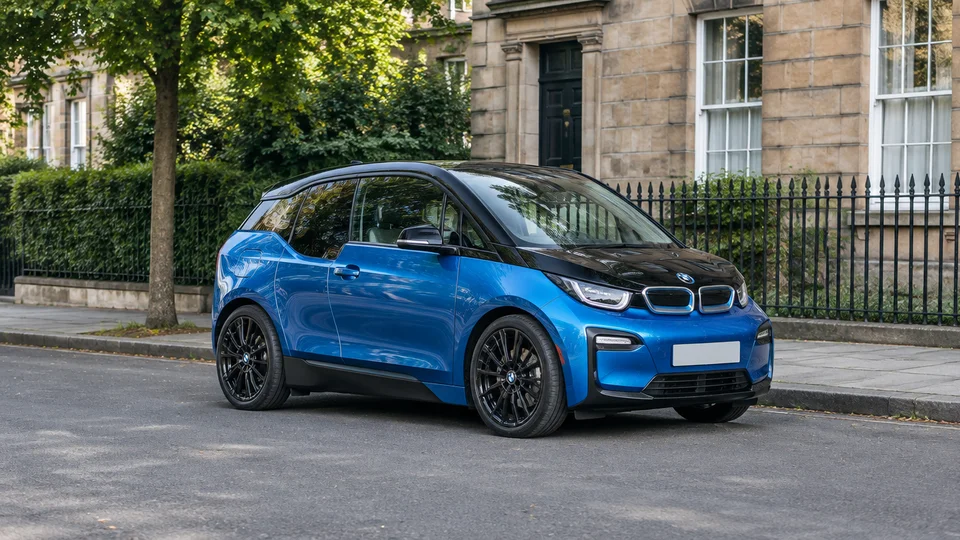
i3 and i3s
BC lists I-91 for the rear-drive i3 from 2014 in BR RN form, with no front top mount and a rubber rear. Tell the supplier whether the car is an i3 or i3s, and ask it to confirm the kit for that version.
Check my i3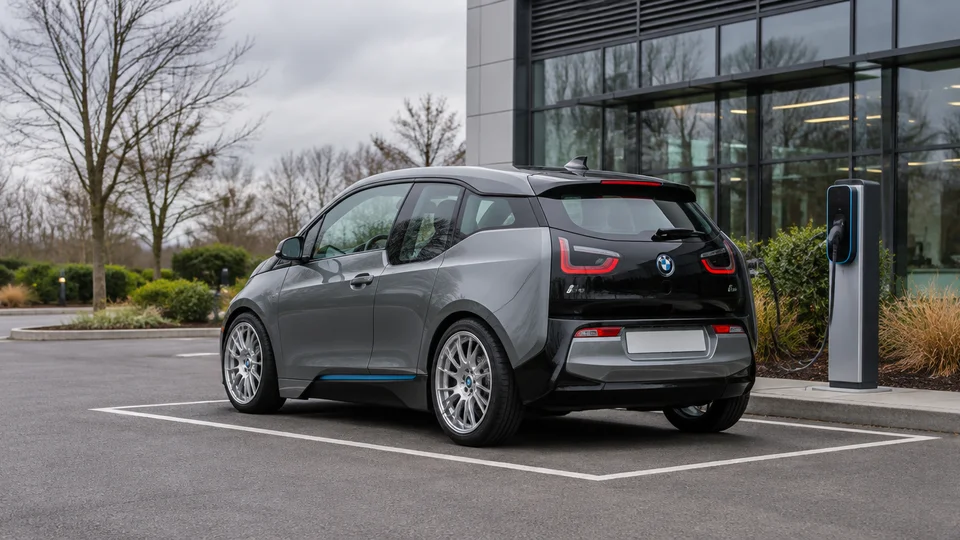
Range extender
The range extender's petrol engine adds weight at the rear. Tell the supplier if the car is a REx, and ask whether the standard rates suit it.
Check my i3 REx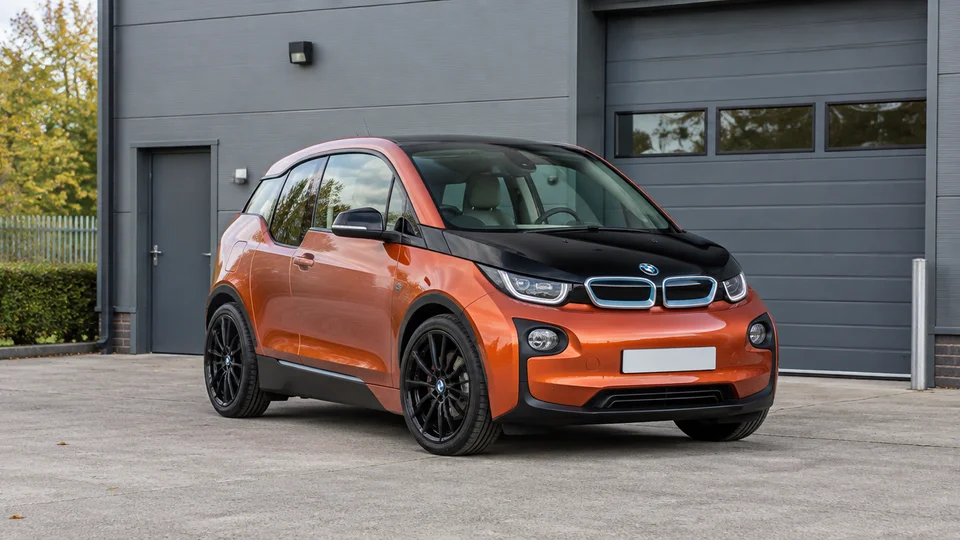
Wheels and tyres
Give the supplier the wheel width, offset and tyre size, especially if you are changing from the narrow factory tyres. Check clearance at the intended height through steering lock and suspension travel.
Check my i3 wheelsChoose a kit for your car and driving
Tell the supplier about your tyres, usual roads and any circuit plans. Budget for fitting, alignment and setup as well as the kit. Each example below still needs an application check for your exact car.
BC lists I-91 BR RN for the rear-drive i3. Have the version and wheel size checked before ordering.
Read the buying advice
I-91 is a possible starting point once the supplier has confirmed fitment. It has 30-way rebound adjustment and height set separately from spring preload. Agree a modest height that clears speed humps and kerbs.
- Confirm the i3 version
- Leave travel for speed humps
- Include alignment
The range extender adds weight at the rear. Ask whether the standard rates suit it.
Read the buying advice
Give the supplier the version and ask whether BC's 4 kg/mm rear rate suits a range extender. Check the height with the car in its normal state.
- Confirm REx
- Ask about the rear rate
- Check height loaded
If you are changing wheels too, plan both so the tyres clear the arches at the new height.
Read the buying advice
Give the fitter the new wheel and tyre sizes before setting the height. Check clearance through full steering lock and suspension travel, and have the alignment set once the height is final.
- Give wheel and tyre sizes
- Check clearance on lock
- Set alignment last
Know how the i3's suspension is laid out
On a standard BMW i3, the rear spring and shock absorber are mounted separately.
Layout only. Mounts and spring seats vary by kit.The i3 uses struts at the front and a multi-link rear axle under the motor. BC lists the same default rate, 4 kg/mm, front and rear.
Ask BC which rear arrangement the kit uses and what it supplies at the rear spring seat. Agree any rate changes with the supplier, and check the alignment at the final ride height.
Read about ride height and spring preload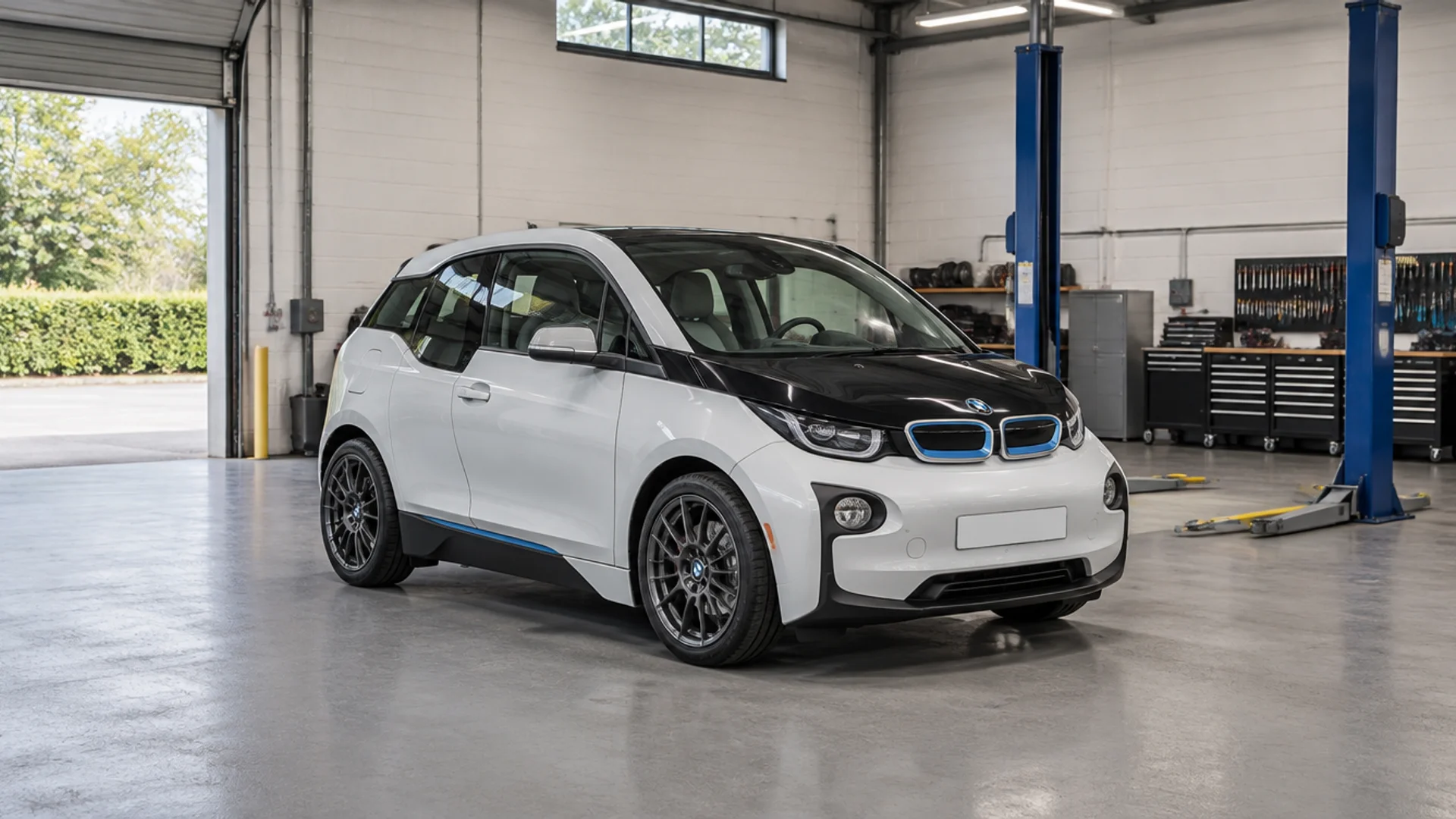
Plan the fitting before the car arrives
Give the workshop the kit reference and the car's options list before it orders fitting parts. Make sure the workshop is familiar with working on electric cars and lifting the i3 at its correct points. Have it check the top mounts, bearings, bushes and drop links, and ask for a written list of the parts it will reuse or replace.
Once fitted, check clearance with the actual wheels and tyres through steering lock and suspension travel. Let the car settle at the agreed height before alignment, and record the starting damper settings.
Check the version
Confirm whether the car is an i3, i3s or range extender, and its wheel size. Those details affect the rates and clearance.
Measure the wheel and tyre clearance
Give the fitter the wheel width, offset and tyre size, including any spacers. At the intended height, check tyre clearance to the arches and wheel clearance to the springs, dampers and adjusters.
Leave travel for normal use
Tell the workshop about your usual roads and what the car usually carries. At the proposed height, check how much room remains for the suspension to compress with the kit's bump stops fitted.
Set the geometry after the height
Have the car aligned once the ride height is final and the suspension has settled. Get the readings and starting damper settings recorded.
The current i3 I01 range.
See the controls and hardware in the listed kit.

I-91 is listed for the rear-drive i3 from 2014 under I01, in BR RN form with no front top mount and a rubber rear. BC gives default rates of 4 kg/mm front and rear and 30-way rebound adjustment. Ask BC about the i3s and range extender.
View BC Racing i3 I01 kitsFind your i3 I01 coilovers.
Prices include UK VAT. Choose an application and brand, then open a kit for its current options and availability.
1 listing
Selected application: All i3 I01 applications
Match the drivetrain, body style and axle-load limits on the product page before ordering.
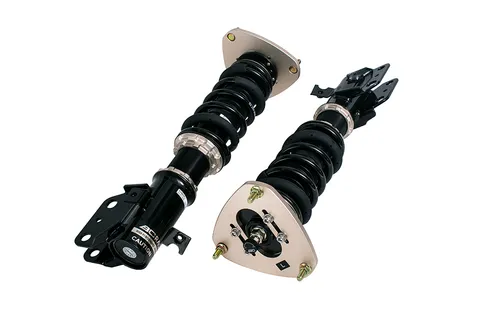
BC Racing · BCR-I-91
BC Racing Coilovers - BMW I3 (RWD) (2014+) [I01]
Check the exact application
All i3 I01 kit links and part numbers
Before you order.
Identify your car
Send the version, build date, VIN and wheel size, including whether the car is an i3s or range extender.
Match the kit
Confirm the full kit reference for your car and check that it covers your engine, drivetrain and build date.
Check what’s included
Ask for a written list of the mounts, springs and fitting parts supplied with the kit. Confirm which existing parts will be reused and which need replacing.
Check your modifications
Supply wheel width, offset and tyre size, together with the intended use. Agree a height with adequate clearance and suspension travel.
Plan fitting
Get fitting, alignment and setup quoted together. Confirm delivery timing before reserving workshop time.
See what the adjustments do.
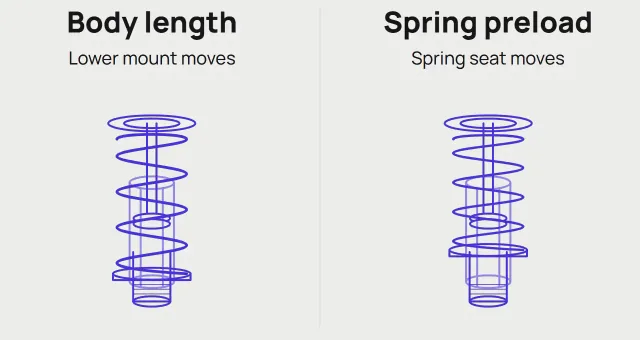
Ride height and spring preload
Understand the two adjustments before choosing a lowering range.
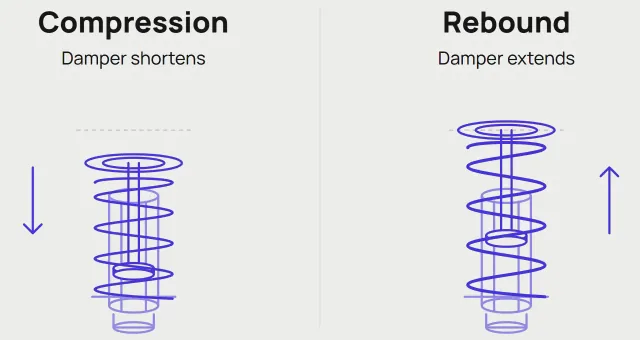
Damping adjustment explained
What combined, two-way and three-way controls change.
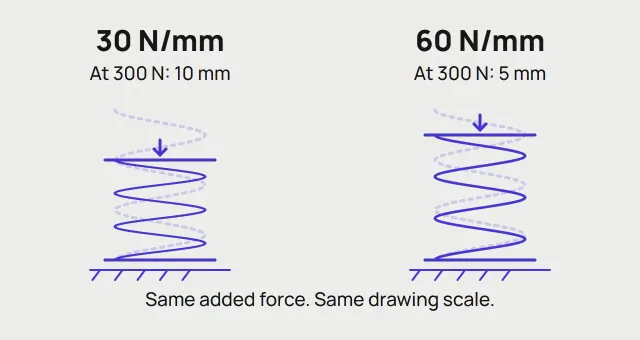
What spring rate tells you
Compare force and movement, read the units and choose a spring with the damper in mind.
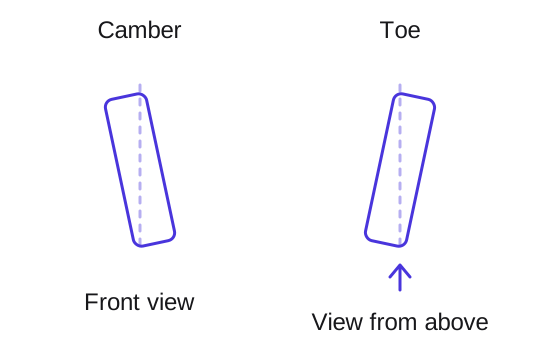
Alignment after changing ride height
Set the intended height, check the geometry and keep a useful record of the result.
Questions about BMW i3 I01 coilovers.
Check the details before choosing your kit.
Does I-91 fit the i3s?
BC lists I-91 for the rear-drive i3 from 2014. Ask BC to confirm an i3s, which sits lower on wider wheels from the factory.
Will lowering affect the range?
Lowering alone has little effect, but changing to wider wheels and tyres can. Plan wheels and suspension together.
Is the i3 safe to lift in a normal workshop?
Use a workshop familiar with electric cars and the i3's lifting points, because the battery sits under the floor.
How low should I set the car?
Choose the height with the fitter using the kit instructions, wheel clearance and room for suspension movement. A lowering range shows what is available, not a target for every i3. Check the alignment at the final height.
When should I book fitting?
Agree the specification and delivery timing with the supplier first, then book fitting and alignment once the parts are confirmed.
Let’s talk suspension.
Send the i3's engine, build date, options list and current suspension details. Include the kit reference you are considering so the application and fitting parts can be checked together.