
Caterham CSR.
The coilover guide.
Shop the coiloversCheck the CSR's rear damper brackets before ordering new suspension. The Nitron R1 has one combined damper adjuster; the R3 separates rebound from low-speed and high-speed compression.
CSR suspension and mounting checks.
Caterham's notice of 7 September 2023 reported concerns with rear damper mounting brackets, known as clevises, on CSR models from 2005 to 2023. It advised temporarily suspending use for inspection. Read the notice and inspection guide linked below, and ask Caterham or a CSR specialist which current guidance applies to your car. Have the bracket condition and any required work confirmed before the installation.
For a suspension enquiry, include the chassis and engine details and photographs of the dampers and mounting parts now fitted. CA014R1 and CA014R3 are Nitron's CSR Duratec references. Agree the springs with the supplier using the roads, tyres and circuit use you have in mind, then choose the damping controls you want to work with.
The original CSR 200 and 260 had 2.3-litre Ford Duratec engines developed by Cosworth. Caterham's period brochure describes double-wishbone suspension at both ends, with the front spring and damper units mounted inboard. Its independent rear suspension distinguishes the CSR from de-Dion Sevens.
Caterham's 2024 handbook also separates the CSR's suspension from the other Seven layouts. Identify the actual chassis when asking about replacement dampers. A Duratec engine or wide body alone does not identify the CSR installation, and later CSR versions need their own exact application confirmation.
Model history: Caterham CSR brochureCaterham CSR rear-clevis notice, 7 September 2023Caterham CSR rear-clevis inspection guide.
Start with your CSR.
Confirm the chassis, year and existing suspension before choosing your setup.

CSR Duratec
The listed Nitron references are CA014R1 and CA014R3 for CSR Duratec. Send the build and engine details with photographs of the existing dampers, end fittings and rear brackets. Ask the supplier to confirm the exact car and order specification, including earlier changes. Nitron lists de-Dion and live-axle Seven applications separately.
Check my CSRWhat do you want
from the car?
Choose advice for everyday driving, occasional circuit days or a dedicated track project.
R1 combines compression and rebound in one adjustment.
Read the buying advice
Describe the rough roads and steep entrances you regularly use when discussing the springs and proposed height. Ask the fitter to assess the suspension travel and tyre clearance the finished car will have. Keep the initial damper settings with the fitting record so subsequent changes have a known starting point.
- Discuss the roads the car has to cope with
- Keep a record of the starting settings
Plan around both wheel sets if you change wheels for the circuit.
Read the buying advice
Give the fitter the widths, offsets and tyre sizes for each set, including any spacers. Front cycle-wing clearance and rear arch clearance need checking through the relevant steering and suspension movement. Discuss the R1 and R3 controls with whoever will set up the car. Agree the springs for the road journeys as well as the circuit use, and record changes alongside the conditions and tyres used.
- Check both wheel and tyre combinations
- Record setup changes and driving conditions
R3 separates rebound, low-speed compression and high-speed compression.
Read the buying advice
Discuss how the builder intends to use the independent rebound, low-speed compression and high-speed compression adjustments. Provide the tyre specification and details of weight or suspension changes before agreeing the springs and valving. Confirm the reservoir arrangement and how the installation will support and protect it. Event eligibility and the rest of the car's preparation need checking with the builder and organiser.
- Agree the springs and valving with the builder
- Confirm reservoir mounting and event requirements
The rear spring sits around the damper.
The rear spring surrounds the damper on a standard Caterham CSR.
Component layout only. Mounts, dimensions and adjusters vary by kit.Caterham's 2024 handbook describes the CSR rear as independent double wishbones with a progressive coil spring over each damper. The spring and damper share one assembly. The illustration identifies those components; it does not specify the replacement damper's ends or mounting dimensions.
The rear clevis is a mounting bracket between the spring-and-damper assembly and the upright. Have a CSR specialist assess its condition and the mounting parts before planning the installation. Ask the suspension supplier which end fittings, bushes or spacers the exact order requires, and obtain the relevant fitting instructions.
Understand spring preload and ride height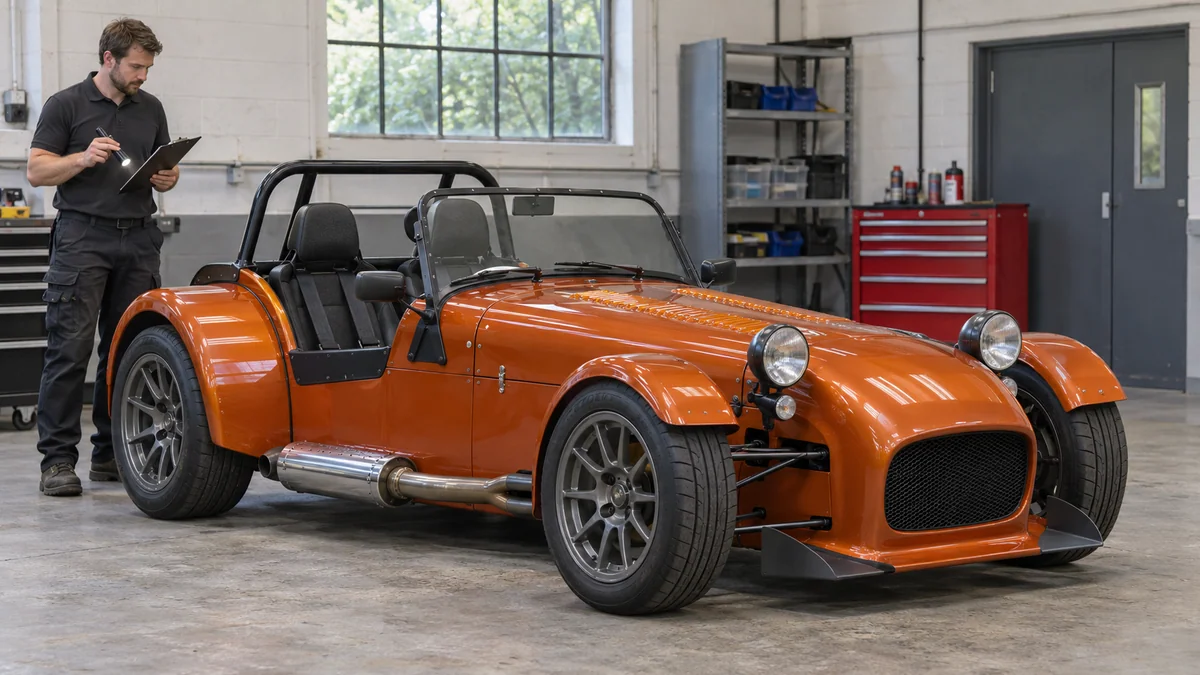
Identify the mounting parts already on the car.
Show the fitter any records of replacement brackets, dampers or other suspension work. Where the history is uncertain, have the fitted parts identified before the order is specified. Ask the workshop to check Caterham's current rear-clevis guidance and explain what inspection or further work the car needs.
Get an itemised fitting quotation covering supplied and retained parts, the agreed height and alignment. For R3, include the proposed reservoir arrangement and access to the adjusters. Confirm the kit specification and current build lead time before reserving fitting or circuit dates.
Wheels and cycle-wing clearance
List wheel widths, offsets and tyre sizes for every set you use. Include spacer thicknesses and any changed wings. Have the fitter check clearance through steering and suspension movement at the proposed height.
Damper ends and retained parts
Ask for the end-fitting and mounting-parts specification for the exact order. The fitter needs to identify the brackets and joints already on the car, assess their condition and include any required replacements in the quotation.
R3 reservoir installation
Confirm which reservoir arrangement the order uses. Agree its mounting and protection with the fitter, including hose routing where applicable and access to the compression controls. Obtain the supplier's instructions before installation.
Finished height and alignment
Agree the height after the fitter has assessed usable suspension travel and clearance. Arrange alignment once the height is set, and retain the measurements with the spring specification and initial damper settings.
The current CSR range.
Compare the controls and hardware included in each range.

The CSR Duratec listings are CA014R1 and CA014R3. R1 uses a single combined compression and rebound adjuster and has no remote canister. R3 separates rebound from low-speed and high-speed compression. Both shop listings have Road and Track setup choices. A bespoke spring-rate build needs an enquiry so the springs and valving can be agreed; it is not a standard checkout option.
View Nitron CSR kitsFind your CSR coilovers.
Prices include UK VAT. Choose an application and brand, then open a kit for its current options and availability.
2 listings
Selected application: All CSR applications
Match the drivetrain, body style and axle-load limits on the product page before ordering.
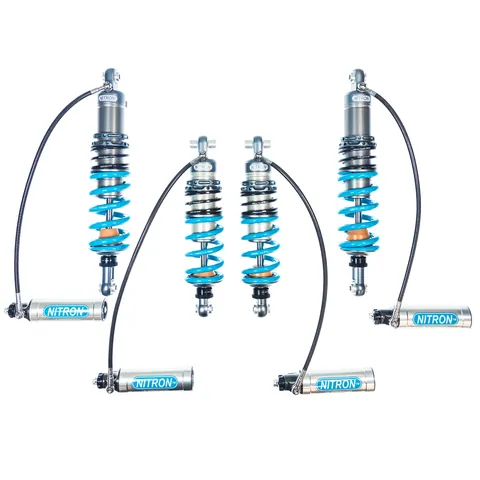
Nitron · NTCCA014R3_
Nitron Caterham CSR Duratec R3 Coilover Suspension Kit
Check the exact application
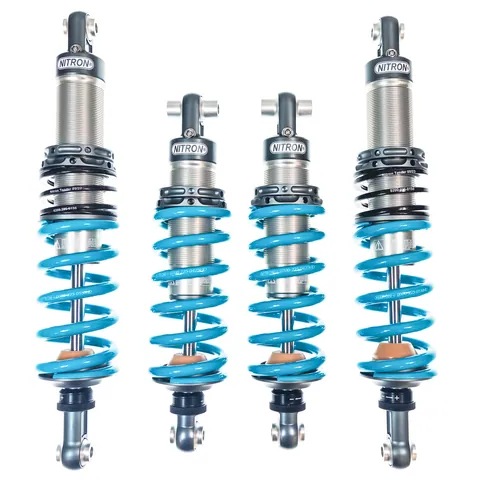
Nitron · NTCCA014R1_
Nitron Caterham CSR Duratec R1 Coilover Suspension Kit
Check the exact application
Before you order.
Identify your car
Send the CSR's chassis, build year and engine details. Include its market specification and photographs of the current suspension so the supplier can distinguish it from other Seven applications.
Match the kit
Ask the supplier to confirm CA014R1 or CA014R3 for your car. Discuss the Road or Track setup choice and agree the spring specification. Use an enquiry for bespoke rates and valving.
Check what’s included
Obtain an itemised list of supplied and retained end fittings, bushes, spacers and fixings. Include the brackets currently fitted and ask for the exact fitting instructions.
Check your modifications
Provide wheel widths, offsets, tyre sizes and spacer thicknesses. Describe changed wings, suspension parts and other modifications that the fitter needs to assess for clearance or mounting.
Plan fitting
Have the workshop establish the required rear-clevis checks and any other preparatory work. Agree the finished height and alignment, confirm the current parts and build lead time, then book the installation.
See what the adjustments do.
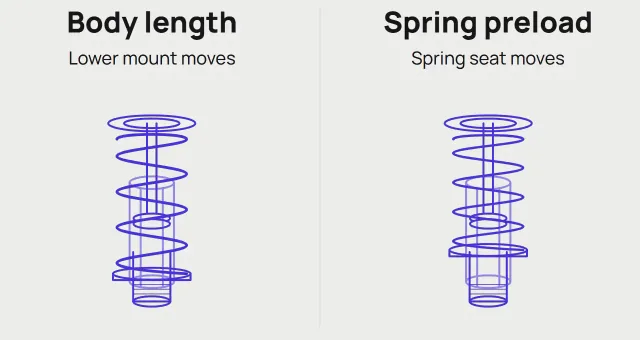
Ride height and spring preload
Understand the two adjustments before choosing a lowering range.
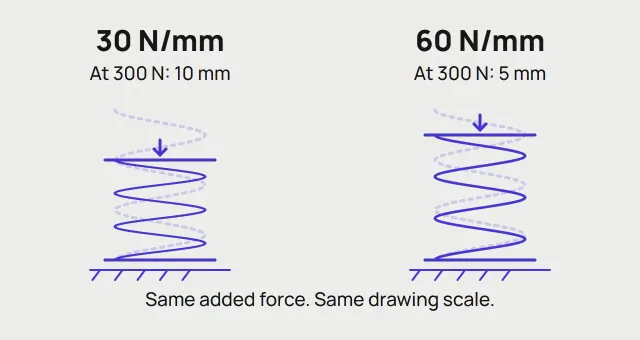
What spring rate tells you
Compare force and movement, read the units and choose a spring with the damper in mind.
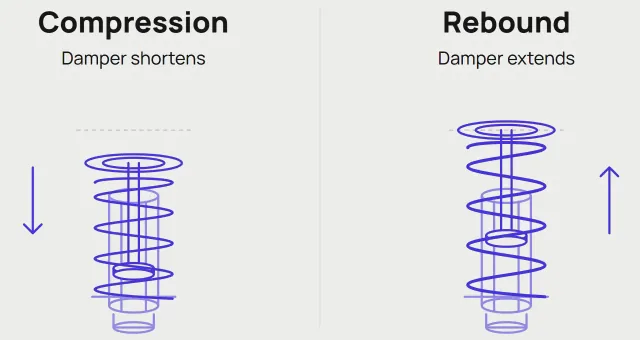
Damping adjustment explained
What combined, two-way and three-way controls change.
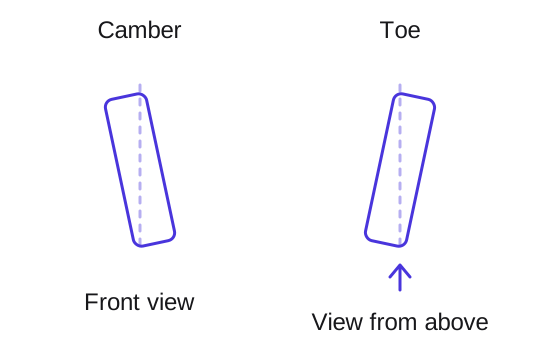
Alignment after changing ride height
Set the intended height, check the geometry and keep a useful record of the result.
Questions about Caterham CSR coilovers.
Check the details before choosing your kit.
Which CSR do the Nitron listings cover?
The exact Nitron applications are named CSR Duratec, with CA014R1 and CA014R3 references. Give the supplier your build, engine and chassis details for confirmation. Later CSR Twenty and 485 CSR versions need their own exact enquiry, as do cars with changed mounting parts.
Can I use a kit listed for another Seven?
Have the supplier confirm a CSR-specific application. The CSR has inboard front spring and damper units and independent rear suspension. Nitron lists other narrow-track, wide-track and live-axle Caterham applications separately. A shared engine or wide body does not confirm that their dampers interchange.
How do the R1 and R3 adjustments differ?
R1 has one control that changes compression and rebound together. R3 has independent rebound, low-speed compression and high-speed compression controls. Choose the adjustment routine with the person setting up the car, and follow the instructions supplied with the exact dampers.
What do Road and Track mean on the product page?
They are the setup choices listed for each range. Both R1 and R3 have Road and Track options. Describe how you use the car and ask which specification the supplier will build; the option label alone does not confirm the setup for your tyres or a particular event.
Can I order different spring rates?
Use an enquiry for a bespoke spring-rate build so the rates and damper valving can be agreed with the supplier. Custom rates are not a standard shop checkout option. Agree the front and rear springs before ordering.
What should I do about Caterham's rear-clevis notice?
Read Caterham's notice of 7 September 2023 and its inspection guide, linked in the opening section. The notice concerns CSR models from 2005 to 2023 and advises temporarily suspending use for inspection. Ask Caterham or a CSR specialist for current guidance for your car. Replacing the dampers does not establish that its brackets are serviceable.
Are the CSR's rear springs separate from its dampers?
Caterham's 2024 handbook describes progressive coil springs over the rear dampers on the CSR's independent double-wishbone suspension. Have the fitter inspect your actual car, including earlier changes, and obtain the mounting specification for the replacement order.
Which mounting parts come with the kit?
Ask for an itemised list for the exact order, including damper ends, bushes, spacers and fixings. Have the fitter identify which existing parts will be retained. The general product photographs do not establish the contents or mounting arrangement of your CSR order.
How low should I set my CSR?
Agree the height with the fitter after checking usable suspension travel, ground clearance and wheel clearance. Include the roads and entrances you use, and both wheel sets if you change them for the circuit. Obtain the supplier's instructions for the exact dampers.
When should I book fitting?
Confirm the exact kit specification and current build and delivery lead time before booking the workshop. These listings are supplied to order. Include any mounting or bracket work and alignment in the fitting plan, and check the parts will be available before committing to a circuit date.
Let’s talk suspension.
Include the CSR's build and engine details in your enquiry, with photographs of its existing dampers and mounting brackets. Describe the road or circuit use and give the wheel and tyre specifications so the supplier and fitter can agree the order and installation plan.