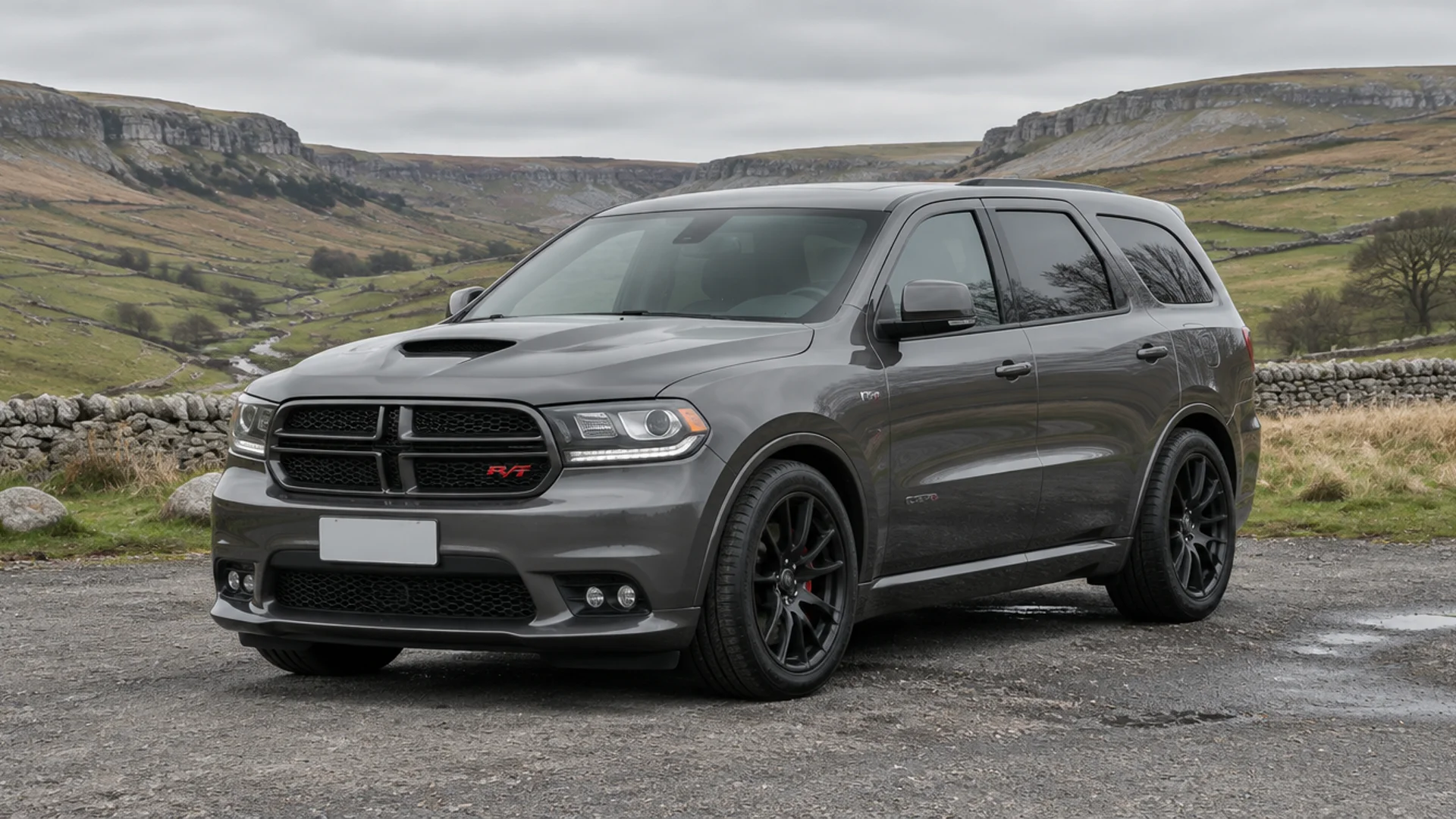
Dodge Durango WD 2011-on.
The coilover guide.
Shop the coiloversThe third-generation Durango is a large three-row SUV. BC Racing lists one kit for rear-drive cars; confirm the drivetrain and how the car is loaded.
Dodge Durango WD history
The third-generation Durango, chassis WD, arrived in 2011 on the platform shared with the Jeep Grand Cherokee. BC lists BCR-Z-12 for the rear-drive Durango from 2011, with default rates of 10.5 kg/mm front and 18 kg/mm rear.
It is a North American model, so UK examples are imports.
Dodge launched the third-generation Durango in 2011 as a three-row SUV with unibody construction and independent suspension, sharing its platform with the Jeep Grand Cherokee.
Engines include the 3.6-litre V6 and Hemi V8s, with high-performance SRT and Hellcat versions added later. Rear- and all-wheel-drive versions were built.
It is often used for towing, so plan the height and rates for the heaviest load.
Start with your Durango WD 2011-on.
Confirm the chassis, year and existing suspension before choosing your setup.
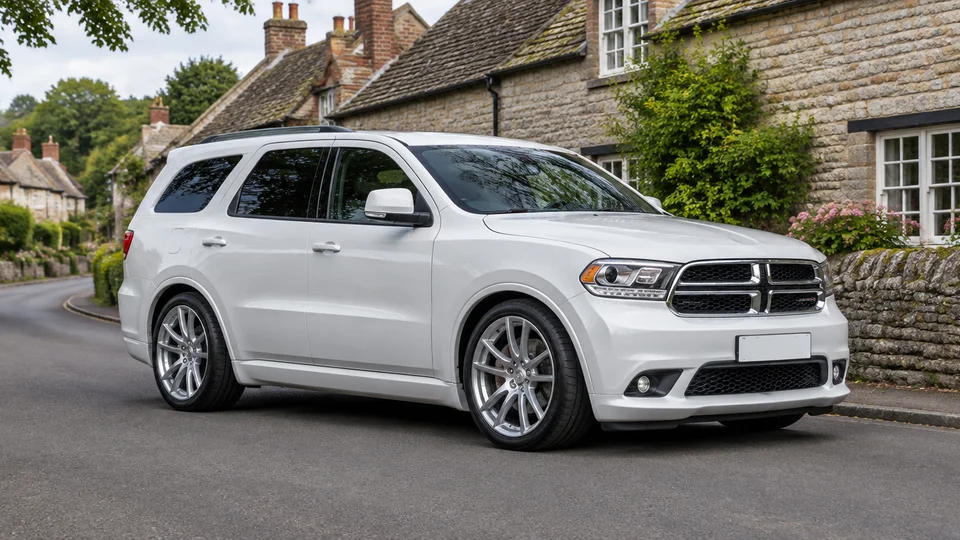
Rear-drive Durango
BC lists BCR-Z-12 for the rear-drive Durango from 2011 under WD, with default rates of 10.5 kg/mm front and 18 kg/mm rear. Give the supplier the VIN and engine.
Check my Durango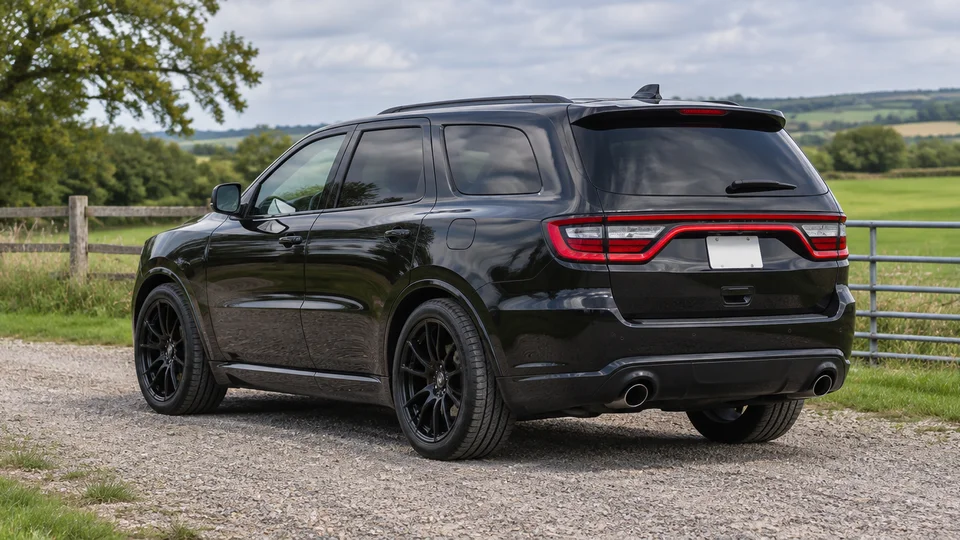
Towing and heavy loads
Tell the supplier how often the car tows and what it carries, so it can confirm the rates and a height that keeps enough travel.
Check my towing Durango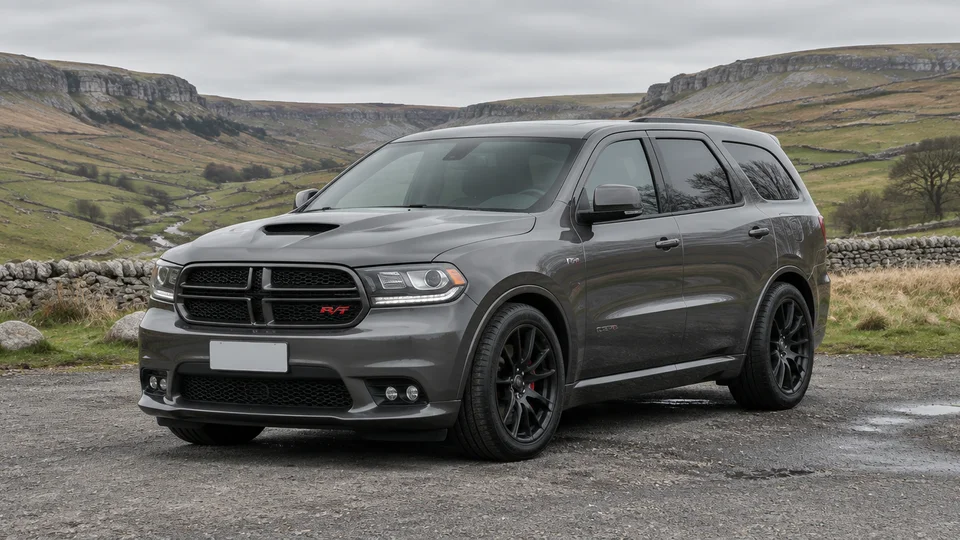
All-wheel drive and SRT
BC's listing names the rear-drive car. Ask the supplier before ordering for an all-wheel-drive, SRT or Hellcat Durango.
Check my AWD DurangoChoose a kit for your car and driving
Tell the supplier about your tyres, usual roads and any circuit plans. Budget for fitting, alignment and setup as well as the kit. Each example below still needs an application check for your exact car.
BC lists BCR-Z-12 for the Durango. Have the application checked before ordering.
Read the buying advice
BCR-Z-12 is a possible starting point once the supplier has confirmed fitment. It has 30-way rebound adjustment and height set separately from spring preload. Keep enough travel for the roads you use, and include alignment.
- Confirm the engine and build date
- Leave room for suspension movement
- Include alignment
If you are changing wheels too, plan both so the tyres clear the arches at the new height.
Read the buying advice
Give the fitter the new wheel and tyre sizes before setting the height. Check clearance through full steering lock and suspension travel, and have the alignment set once the height is final.
- Give wheel and tyre sizes
- Check clearance on lock
- Set alignment last
Set the height with the car loaded as it is usually used, and keep enough travel.
Read the buying advice
Agree a modest height, check it with the car loaded or towing, and set the alignment last.
- Check height when loaded
- Keep enough travel
- Set alignment last
Check where the rear spring carries the load
On a standard Dodge Durango, the rear spring and shock absorber are mounted separately.
Layout only. Mounts and spring seats vary by kit.The Durango's rear spring sits separately from the damper. BC lists default rates of 10.5 kg/mm front and 18 kg/mm rear; because the springs sit in different positions, the figures are not a direct comparison of stiffness at the wheel.
Ask BC which rear arrangement the kit uses and what it supplies at the rear spring seat. Check the alignment at the final ride height.
Read about ride height and spring preload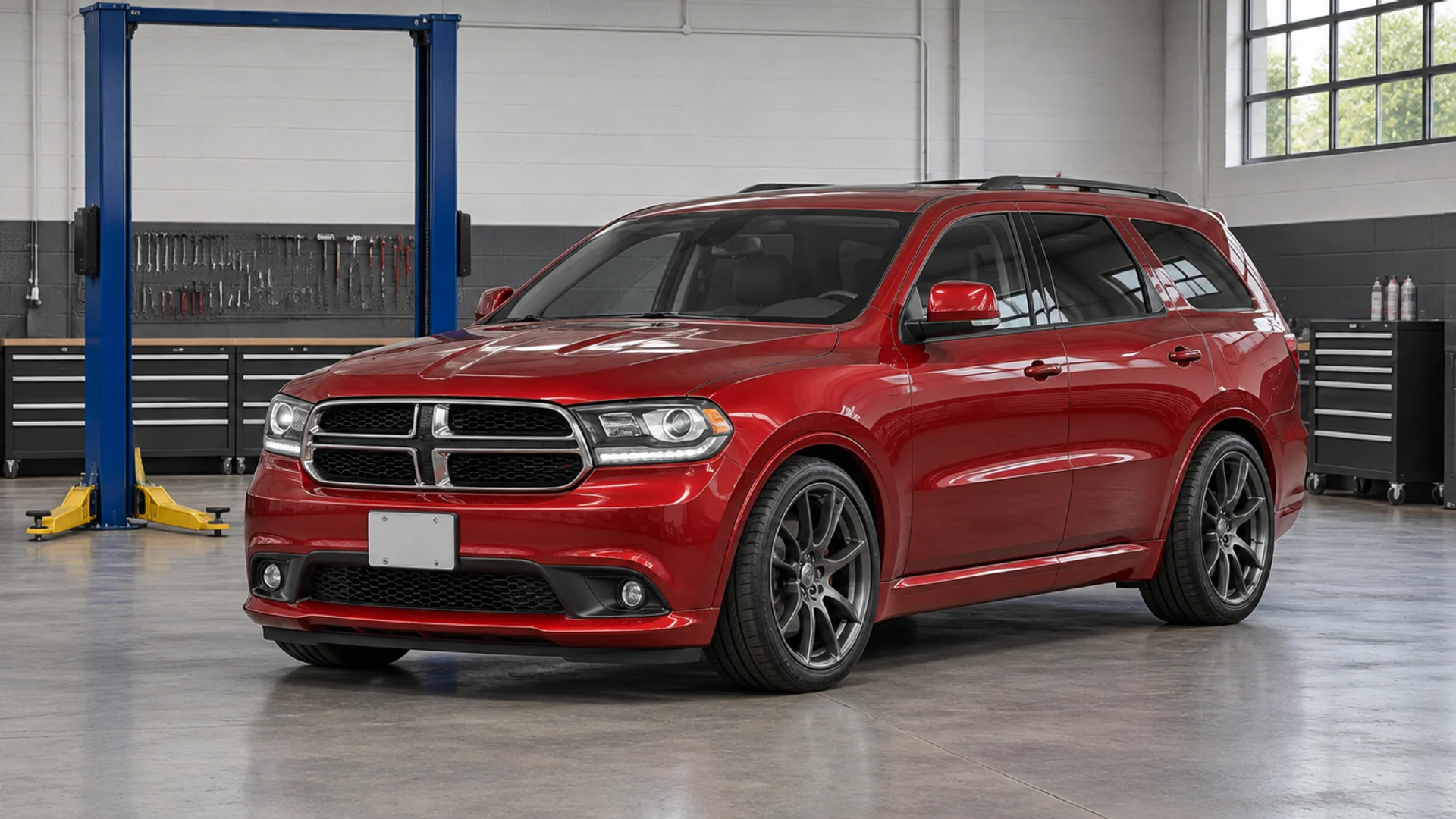
Plan the fitting before the car arrives
Give the workshop the kit reference and the car's options list before it orders fitting parts. Have it check the top mounts, bearings, bushes and drop links, and ask for a written list of the parts it will reuse or replace.
Once fitted, check clearance with the actual wheels and tyres through steering lock and suspension travel. Let the car settle at the agreed height before alignment, and record the starting damper settings.
Confirm the drivetrain
Check the VIN to confirm the car is a rear-drive WD Durango and which engine it has.
Measure the wheel and tyre clearance
Give the fitter the wheel width, offset and tyre size, including any spacers. At the intended height, check tyre clearance to the arches and wheel clearance to the springs, dampers and adjusters.
Leave travel for normal use
Tell the workshop about your usual roads and passengers, luggage and any towing. At the proposed height, check how much room remains for the suspension to compress with the kit's bump stops fitted.
Set the geometry after the height
Have the car aligned once the ride height is final and the suspension has settled. Get the readings and starting damper settings recorded.
The current Durango WD 2011-on range.
See the controls and hardware in the listed kit.

BCR-Z-12 is listed for the rear-drive Dodge Durango from 2011 under WD. It has 30-way rebound adjustment and default rates of 10.5 kg/mm front and 18 kg/mm rear. Ask BC to confirm the exact car and the supplied mounts.
View BC Racing Durango WD 2011-on kitsFind your Durango WD 2011-on coilovers.
Prices include UK VAT. Choose an application and brand, then open a kit for its current options and availability.
1 listing
Selected application: All Durango WD 2011-on applications
Match the drivetrain, body style and axle-load limits on the product page before ordering.
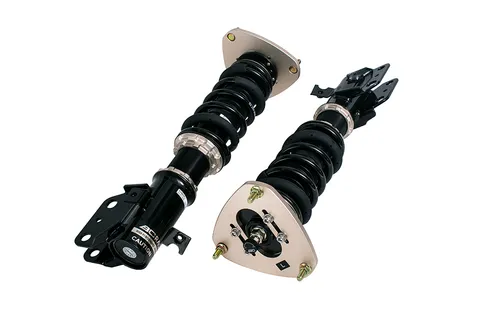
BC Racing · BCR-Z-12
BC Racing Coilovers - Dodge Durango (RWD) (2011+) [WD]
Check the exact application
All Durango WD 2011-on kit links and part numbers
Before you order.
Identify your car
Send the VIN, engine, drivetrain and towing use.
Match the kit
Confirm the full kit reference for your car and check that it covers your engine, drivetrain and build date.
Check what’s included
Ask for a written list of the mounts, springs and fitting parts supplied with the kit. Confirm which existing parts will be reused and which need replacing.
Check your modifications
Supply wheel width, offset and tyre size, together with the intended use. Agree a height with adequate clearance and suspension travel.
Plan fitting
Get fitting, alignment and setup quoted together. Confirm delivery timing before reserving workshop time.
See what the adjustments do.
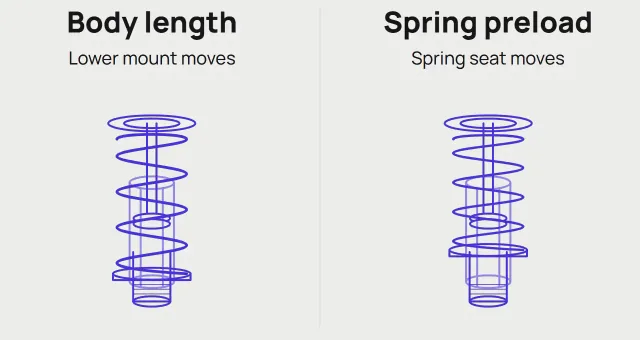
Ride height and spring preload
Understand the two adjustments before choosing a lowering range.
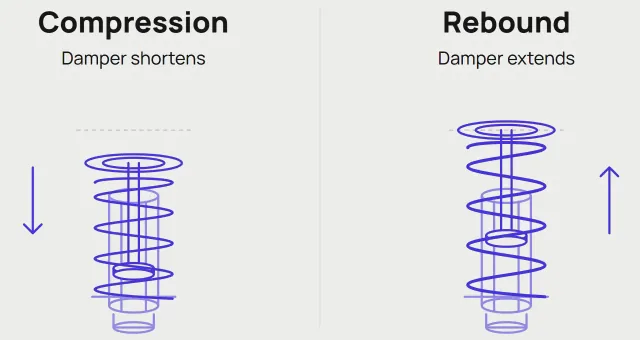
Damping adjustment explained
What combined, two-way and three-way controls change.
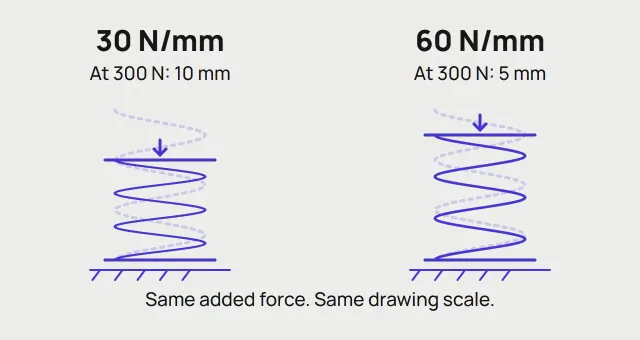
What spring rate tells you
Compare force and movement, read the units and choose a spring with the damper in mind.
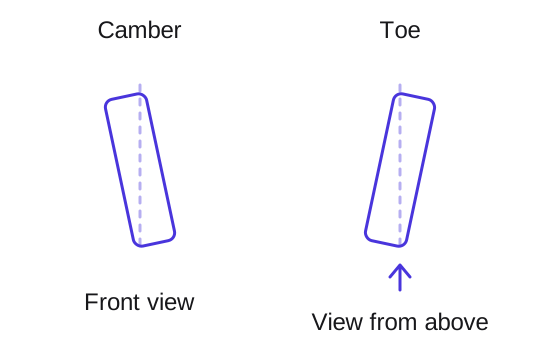
Alignment after changing ride height
Set the intended height, check the geometry and keep a useful record of the result.
Questions about Dodge Durango WD 2011-on coilovers.
Check the details before choosing your kit.
Does it fit an all-wheel-drive Durango?
BC's listing names the rear-drive car. Ask the supplier before ordering for an all-wheel-drive car.
Can I still tow?
Tell the supplier what you tow, and set the height with the car loaded so it keeps enough travel.
How low should I set the car?
Choose the height with the fitter using the kit instructions, wheel clearance and room for suspension movement. A lowering range shows what is available, not a target for every Durango. Check the alignment at the final height.
When should I book fitting?
Agree the specification and delivery timing with the supplier first, then book fitting and alignment once the parts are confirmed.
Let’s talk suspension.
Send the Durango's engine, build date, options list and current suspension details. Include the kit reference you are considering so the application and fitting parts can be checked together.