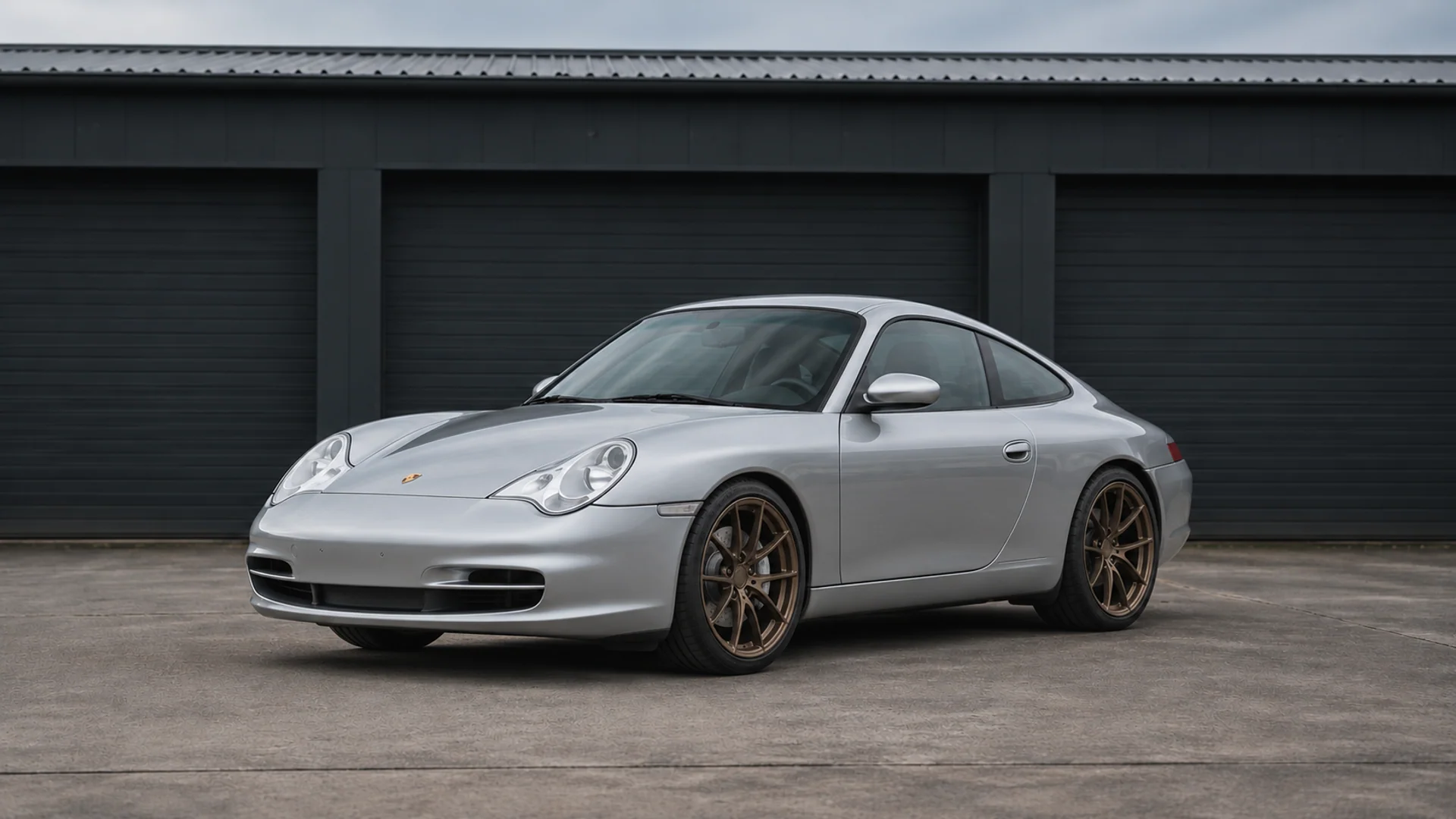
Porsche 911 (996).
The coilover guide.
Shop the coiloversA Carrera RWD kit and a Carrera 4 or Turbo kit can have different references. Identify the exact 996 before comparing damping controls, and include the mounts and setup in the fitting budget.
Know which 996 you are ordering for
BC lists Y-23 for the rear-wheel-drive 996 Carrera, while Nitron lists NTCPO021RS RoadSport for the Carrera and NTCPO027RS for Carrera 4 and Turbo applications. Give the supplier the body, build date and existing suspension specification so it can confirm the exact reference.
The original rear spring sits around the damper. Match the replacement unit and its supplied mounts to that existing arrangement. Porsche lists different parts for its sport-suspension packages and Carrera 4S, so an M030 or other option needs to stay in the application check.
A broad 1997-2005 kit listing spans several versions of the 996. Porsche introduced this fifth 911 generation in 1997 with a new body and water-cooled flat-six engine. The Cabriolet joined the Coupé in April 1998, and Carrera 4 versions of both bodies followed about six months later.
Porsche dates the Turbo offer to January 2000; its Turbo parts catalogue uses model years 2001-2005. The 2002 model-year revision brought the Targa and Carrera 4S Coupé, which used the wider Turbo body. A Carrera 4S Cabriolet followed in 2003. The Turbo Cabriolet arrived for model year 2004, followed by Turbo S Coupé and Cabriolet for 2005.
GT3 and GT2 have their own applications. The GT3 arrived in 1999 as a road-going homologation model; the GT2 followed in 2001. Competition versions also appear in suspension catalogues, sometimes beside road-car names. A shared 996 label does not identify the right race or road specification.
Start with your 911 (996).
Match the model year, drivetrain and body style before comparing brands.
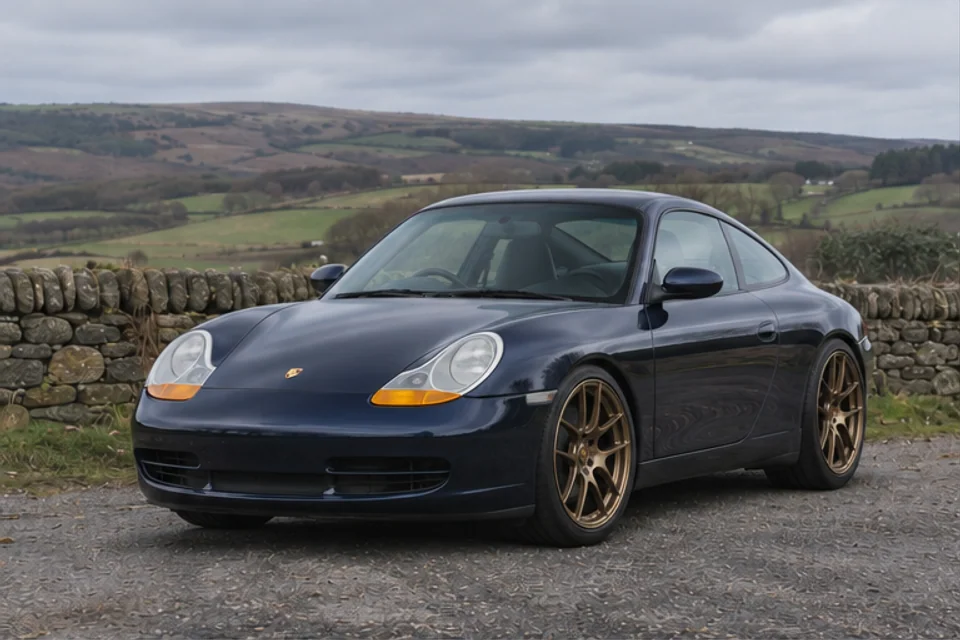
Carrera with rear-wheel drive
BC Y-23-RA names the Carrera RWD and 996 chassis. Nitron NTCPO021RS names the Carrera, including its 3.4 and 3.6 entries; its RoadSport description retains original top mounts. AST and MOTON use separate Carrera 2 references. Confirm the body, build date and suspension options before ordering, including any parts changed by a previous owner.
Check my Carrera RWD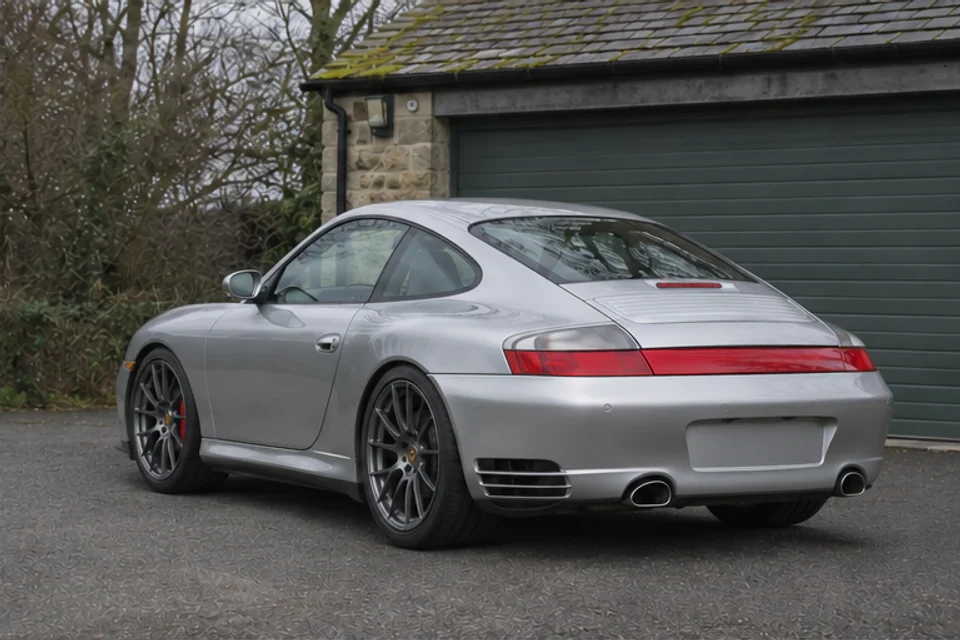
Carrera 4 and Carrera 4S
AST lists the P2202SD references for Carrera 4 and Carrera 4S, while Nitron uses the NTCPO027 family. Porsche gives the 4S its own rear damper and spring rows. BC Y-02 needs a separate check: the current Taiwan table calls it Carrera AWD, while older and Australian sources call it Turbo AWD.
Check my Carrera 4 or 4S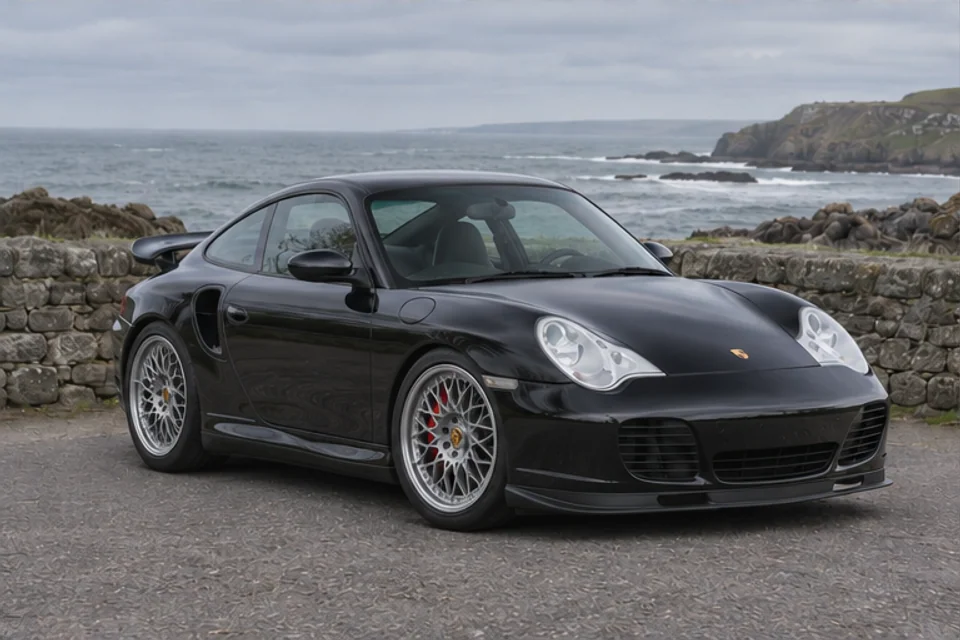
Turbo and Turbo S
Nitron lists Turbo and Turbo S variants within the NTCPO027 family. AST and MOTON also name Turbo applications, with fitting notes that need to stay with the exact reference. Supply the Coupé or Cabriolet body and any sport-suspension option. The broad 97-05 BC Turbo retail label does not settle the Y-02 naming conflict.
Check my Turbo application
GT2, GT3 and competition cars
Give the full road or competition identity, including any GT3 RS, Cup, R or RSR designation. AST and MOTON distinguish race-only entries, and some MOTON set names specify competition cars. Nitron 021 R1/R3 headings include GT2 and GT3, but their variant lists name Carrera engines. Have the maker identify the exact car and build before choosing one of these references.
Check my GT or competition carChoose the controls you will use
Nitron manual R1 adjusts compression and rebound together; R3 gives you separate rebound and compression controls. Agree the spring specification and fitting parts before paying for extra adjustment or a lift system.
Nitron specifies original top-mount reuse for RoadSport. NTCPO021RS is a named Carrera option to discuss for a road car.
Read the buying advice
For a Carrera used mainly on the road, discuss NTCPO021RS with the supplier and have the original mounts inspected. Nitron describes RoadSport as a comfort-focused alternative to its race range and says it retains the factory rear layout. Allow for the roads, passengers and luggage the 996 normally carries when agreeing the height.
- Match the Carrera reference
- Inspect the original mounts
- Allow travel for normal road use
BC names Y-23-RA for the Carrera RWD. Its combined damping control changes compression and rebound together.
Read the buying advice
Y-23-RA is a possible starting point for a rear-wheel-drive Carrera that also sees occasional circuit days. BC describes height adjustment separate from preload and a combined damping adjuster. Ask for the actual supplied rates and mount list; the current regional page does not give numeric spring rates, and its rear-mount wording allows reuse of original parts on some applications. Give the fitter both tyre specifications if you use different wheels at the circuit.
- Confirm the Y-23-RA build
- Provide road and event tyre details
- Agree the rates and supplied mounts
Manual Nitron R3 separates rebound and high- and low-speed compression. AST and MOTON also list more adjustable builds with their own application limits.
Read the buying advice
Separate controls are useful when you can record settings and compare changes between sessions. Tell the supplier about the tyres and intended events, then agree the exact build and starting settings with the workshop. Check access to remote reservoirs and their hose routing. On Nitron manual R3, the 027 source specifies front and rear dry-breaks; the 021 source specifies front only, with NTRQD-05 as the rear upgrade. Road/Track subcodes and any GT or competition application still need confirmation.
- Specify the exact road or race car
- Plan reservoir access and hose routing
- Record settings between sessions
The rear spring already surrounds the damper
The rear spring surrounds the damper on a standard Porsche 911 (996).
Component layout only. Mounts, dimensions and adjusters vary by kit.Porsche’s Carrera and Turbo parts drawings show the rear coil spring around the damper, under the upper mount. The damper has a lower spring seat and mounting eye. Separate drawings show the wheel carrier guided by several arms, including wishbones and a track rod. The spring and damper assembly does not replace those links.
Check the rear parts supplied with the exact kit, including the upper mounts, spring seats and any parts it reuses. Porsche lists different springs and dampers by body, equipment and build, including M030, Carrera 4S and X73/X74 cases. The common coil-on-damper layout does not make those factory specifications or aftermarket kits identical.
Use the kit’s instructions to set the spring platforms and ride height. Have the workshop check the remaining suspension travel and clearance at the chosen height, then set the alignment. Use the application-specific fitting instructions for mounting dimensions and settings.
Read about ride height and spring preload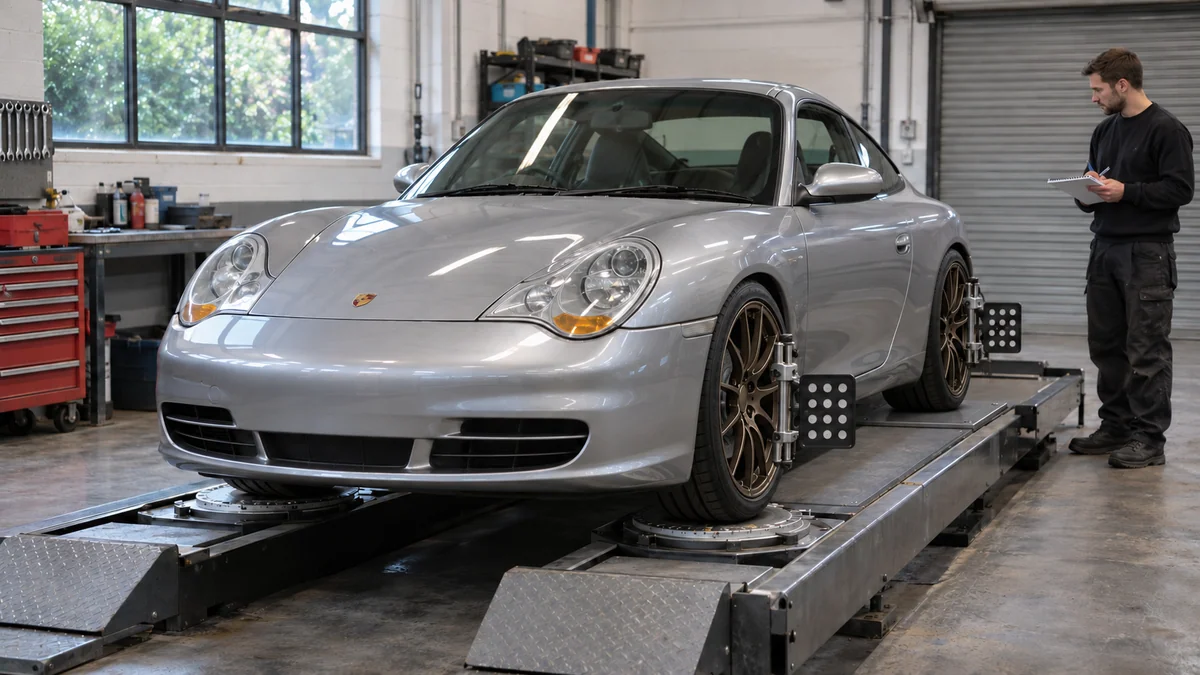
Have the fitting parts agreed before booking
Ask the workshop to inspect the existing arms, joints and damper mounts before ordering extra parts. Give it the exact kit reference and the car’s body and suspension specification. Agree which mounts and fittings will be supplied, which original parts will be reused, and what needs replacement.
Reservoir kits need a plan for hose routing and access to the adjusters. An electronic Nitron build also needs its damping controller, while a standalone FAL installation has hydraulic and electrical components of its own. Include that work in the quote. After fitting, check clearance with the actual wheels and tyres before alignment at the agreed ride height.
Sort worn mounting and suspension parts
Have the fitter check play and condition in the suspension joints, arm bushes and upper mounts. Agree repairs before using new dampers to assess the car. A RoadSport kit that reuses the original top mounts still needs those mounts to be serviceable.
Check the wheels on the new suspension
Supply wheel widths, offsets and tyre sizes, including any separate circuit set. The workshop needs to check clearance to the springs, dampers and body through steering movement and suspension travel. Any proposed spacer needs its own clearance and wheel-fixing check.
Plan access to the adjusters and hoses
Choose reservoir positions that the fitter can secure and that you can reach for adjustment. Keep hoses clear of moving or rubbing parts through suspension movement. Confirm which dry-breaks the exact kit supplies; front and rear fittings differ between the Nitron 021 and 027 manual R3 references.
Include the controller or lift installation
A Nitron elec-TRON 996 build needs a Nitron DCU. Establish whether it is supplied or needs ordering separately, with the correct harness and controls. A standalone FAL kit also has cylinders, hydraulic lines, pump, wiring and lift control. Confirm the full parts list and installation space before agreeing the job.
The current 911 (996) range.
Compare the controls and hardware included in each range.

Y-23-RA names the rear-wheel-drive 996 Carrera and provides a clear application to discuss. The BR description has combined damping adjustment and height adjustment separate from preload. Confirm the supplied rates and mounts for your car. Keep Y-02 as an enquiry until BC resolves its current Carrera AWD versus Turbo AWD naming; neither the shop title nor the older table establishes interchangeability.
View BC Racing 911 (996) kits
AST separates Carrera 2 references using P2211S from Carrera 4/4S and Turbo references using P2202SD. Its table distinguishes one-way ACU without top mounts, ACT with front mounts and ACC with front and rear mounts where those entries are listed. RIV identifies two-way 5200 builds and RAC three-way 5300 builds. Confirm the exact code and fittings. The Turbo row includes a rear-droplink note, and GT2/GT3 rows say race only. RIV-P2202SD also has conflicting 991/996 wording in its set description, which needs clarification.
View AST 911 (996) kits
MOTON lists two-way M 500 146S for Carrera 2 and M 500 041SD for Carrera 4/4S and Turbo. Their three-way references are 147S and 044SD, but 147S needs clarification: its set-name sheet says 911 964 while the application row says 996. GT2/GT3 entries distinguish race-only 040S/033S from street/clubsport 172S/173S, but the set names also mention GT3 race derivatives. The race-only GT2 row also specifies strut-tower modification for extra camber adjustment; have MOTON and the workshop confirm the work for the selected build. Supply the exact road or competition identity and have MOTON confirm the scope, mounting parts and quick-disconnect arrangement.
View MOTON 911 (996) kits
Nitron specifies original top-mount reuse for RoadSport. Manual R1 has combined damping adjustment; manual R3 separates rebound and high- and low-speed compression. Electronic RoadSport and R1 require a Nitron DCU, and electronic R3 adds manual compression baseline controls to electronic damping. A +FAL reference describes a standalone lift system; it does not establish DCU inclusion. The 021 and 027 families name different Carrera and Carrera 4/Turbo applications. Confirm the full Road/Track subcode, body and steering side, and obtain exact GT2/GT3 scope where the model heading is broader than the variant list. Electronic R3 +FAL copy also mixes RoadSport and R3 mount descriptions, so have the supplied mounts confirmed.
View Nitron 911 (996) kitsFind your 911 (996) coilovers.
Prices include UK VAT. Choose a brand, then open a kit to check the exact application, options and availability.
44 listings
Selected application: All 911 (996) applications
Match the drivetrain, body style and axle-load limits on the product page before ordering.
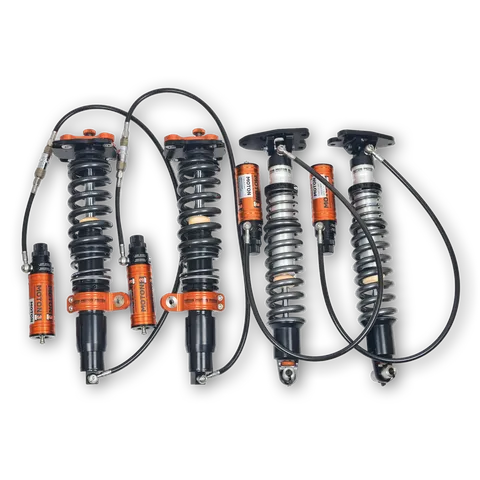
MOTON · M 500 033S
MOTON 3-Way Motorsport Coilovers for Porsche 911 GT2 / 911 GT3 996 - M 500 033S
Check the exact application
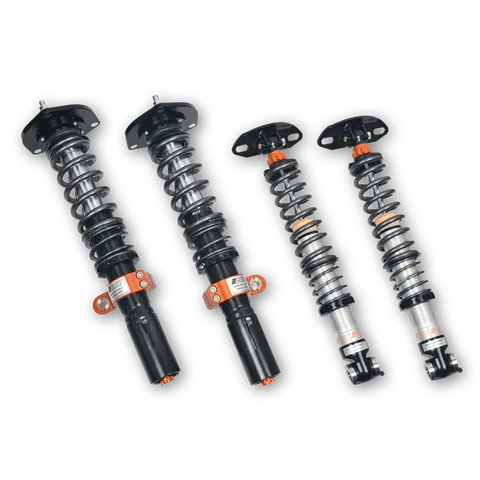
AST · ACT-P2202SD
AST 5100 Street Performance Coilovers for Porsche 996 Applications - ACT-P2202SD
Check the exact application
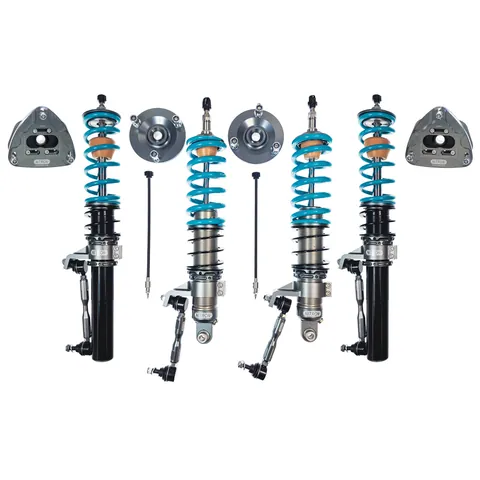
Nitron · NTCPO021R1+FAL_
Nitron Porsche 911 (996) Carrera, 911 (996) GT2, 911 (996) GT3 R1 with FAL Coilover Suspension Kit
Check the exact application
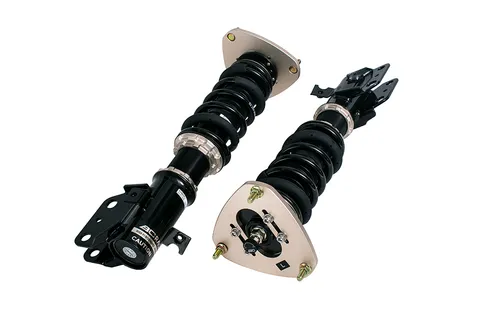
BC Racing · BCR-Y-02
BC Racing Coilovers - Porsche Porsche 996 Turbo (AWD) (97-05)
Check the exact application
MOTON · M 500 044SD
MOTON 3-Way Motorsport Coilovers for Porsche 996 Applications - M 500 044SD
Check the exact application
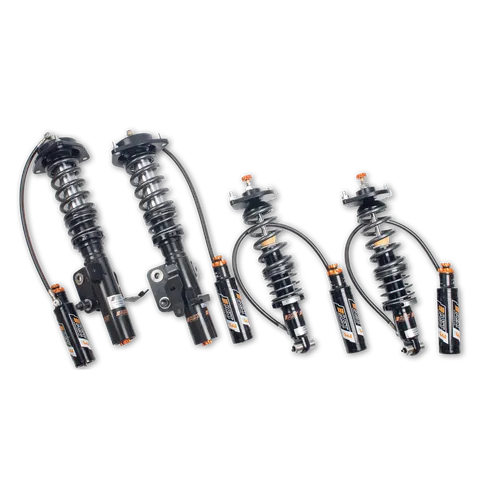
AST · RAC-R2203S
AST 5300 3-Way Motorsport Coilovers for Porsche 911 GT2 / 911 GT3 996 - RAC-R2203S
Check the exact application
All 911 (996) kit links and part numbers
- BC Racing · BCR-Y-02: BC Racing Coilovers - Porsche Porsche 996 Turbo (AWD) (97-05)
- BC Racing · BCR-Y-23: BC Racing Coilovers - Porsche 911 Carrera (RWD) (97-05) [996]
- AST · ACC-P2202SD: AST 5100 Clubracing Coilovers for Porsche 996 Applications - ACC-P2202SD
- AST · ACC-P2203S: AST 5100 Clubracing Coilovers for Porsche 911 GT2 / 911 GT3 996 - ACC-P2203S
- AST · ACC-P2211S: AST 5100 Clubracing Coilovers for Porsche 911 Carrera 2 996 - ACC-P2211S
- AST · ACT-P2202SD: AST 5100 Street Performance Coilovers for Porsche 996 Applications - ACT-P2202SD
- AST · ACT-P2203S: AST 5100 Street Performance Coilovers for Porsche 911 GT2 / 911 GT3 996 - ACT-P2203S
- AST · ACT-P2211S: AST 5100 Street Performance Coilovers for Porsche 911 Carrera 2 996 - ACT-P2211S
- AST · ACU-P2203S: AST 5100 Street Coilovers for Porsche 911 GT2 / 911 GT3 996 - ACU-P2203S
- AST · ACU-P2211S: AST 5100 Street Coilovers for Porsche 911 Carrera 2 996 - ACU-P2211S
- AST · RAC-P2202SD: AST 5300 3-Way Motorsport Coilovers for Porsche 996 Applications - RAC-P2202SD
- AST · RAC-P2211S: AST 5300 3-Way Motorsport Coilovers for Porsche 911 Carrera 2 996 - RAC-P2211S
- AST · RAC-R2203S: AST 5300 3-Way Motorsport Coilovers for Porsche 911 GT2 / 911 GT3 996 - RAC-R2203S
- AST · RIV-P2202SD: AST 5200 2-Way Motorsport Coilovers for Porsche 996 Applications - RIV-P2202SD
- AST · RIV-P2203S: AST 5200 2-Way Motorsport Coilovers for Porsche 911 GT2 / 911 GT3 996 - RIV-P2203S
- AST · RIV-P2211S: AST 5200 2-Way Motorsport Coilovers for Porsche 911 Carrera 2 996 - RIV-P2211S
- MOTON · M 500 033S: MOTON 3-Way Motorsport Coilovers for Porsche 911 GT2 / 911 GT3 996 - M 500 033S
- MOTON · M 500 040S: MOTON 2-Way Motorsport Coilovers for Porsche 911 GT2 / 911 GT3 996 - M 500 040S
- MOTON · M 500 041SD: MOTON 2-Way Motorsport Coilovers for Porsche 996 Applications - M 500 041SD
- MOTON · M 500 044SD: MOTON 3-Way Motorsport Coilovers for Porsche 996 Applications - M 500 044SD
- MOTON · M 500 146S: MOTON 2-Way Motorsport Coilovers for Porsche 911 Carrera 2 996 - M 500 146S
- MOTON · M 500 147S: MOTON 3-Way Motorsport Coilovers for Porsche 911 Carrera 2 996 - M 500 147S
- MOTON · M 500 172S: MOTON 2-Way Motorsport Coilovers for Porsche 911 GT2 / 911 GT3 996 - M 500 172S
- MOTON · M 500 173S: MOTON 3-Way Motorsport Coilovers for Porsche 911 GT2 / 911 GT3 996 - M 500 173S
- Nitron · NTCPO027RS: Nitron Porsche 911 (996) Carrera 4 and Turbo RoadSport Coilover Suspension Kit
- Nitron · NTCPO021RS: Nitron Porsche 911 (996) Carrera RoadSport Coilover Suspension Kit
- Nitron · NTCPO027ERS: Nitron Porsche 911 (996) Carrera 4 and Turbo elec-TRON RoadSport Coilover Suspension Kit
- Nitron · NTCPO021ERS: Nitron Porsche 911 (996) Carrera elec-TRON RoadSport Coilover Suspension Kit
- Nitron · NTCPO027R3+FAL_: Nitron Porsche 911 (996) Carrera 4 and Turbo R3 with FAL Coilover Suspension Kit
- Nitron · NTCPO027R3_: Nitron Porsche 911 (996) Carrera 4 and Turbo R3 Coilover Suspension Kit
- Nitron · NTCPO021R3+FAL_: Nitron Porsche 911 (996) Carrera, 911 (996) GT2, 911 (996) GT3 R3 with FAL Coilover Suspension Kit
- Nitron · NTCPO021R3_: Nitron Porsche 911 (996) Carrera, 911 (996) GT2, 911 (996) GT3 R3 Coilover Suspension Kit
- Nitron · NTCPO027R1+FAL_: Nitron Porsche 911 (996) Carrera 4 and Turbo R1 with FAL Coilover Suspension Kit
- Nitron · NTCPO027R1_: Nitron Porsche 911 (996) Carrera 4 and Turbo R1 Coilover Suspension Kit
- Nitron · NTCPO021R1+FAL_: Nitron Porsche 911 (996) Carrera, 911 (996) GT2, 911 (996) GT3 R1 with FAL Coilover Suspension Kit
- Nitron · NTCPO021R1_: Nitron Porsche 911 (996) Carrera, 911 (996) GT2, 911 (996) GT3 R1 Coilover Suspension Kit
- Nitron · NTCPO027ER3+FAL_: Nitron Porsche 911 (996) Carrera 4 and Turbo elec-TRON R3 with FAL Coilover Suspension Kit
- Nitron · NTCPO027ER3_: Nitron Porsche 911 (996) Carrera 4 and Turbo elec-TRON R3 Coilover Suspension Kit
- Nitron · NTCPO021ER3+FAL_: Nitron Porsche 911 (996) Carrera, 911 (996) GT2, 911 (996) GT3 elec-TRON R3 with FAL Coilover Suspension Kit
- Nitron · NTCPO021ER3_: Nitron Porsche 911 (996) Carrera, 911 (996) GT2, 911 (996) GT3 elec-TRON R3 Coilover Suspension Kit
- Nitron · NTCPO027ER1+FAL_: Nitron Porsche 911 (996) Carrera 4 and Turbo elec-TRON R1 with FAL Coilover Suspension Kit
- Nitron · NTCPO027ER1_: Nitron Porsche 911 (996) Carrera 4 and Turbo elec-TRON R1 Coilover Suspension Kit
- Nitron · NTCPO021ER1+FAL_: Nitron Porsche 911 (996) Carrera, 911 (996) GT2, 911 (996) GT3 elec-TRON R1 with FAL Coilover Suspension Kit
- Nitron · NTCPO021ER1_: Nitron Porsche 911 (996) Carrera, 911 (996) GT2, 911 (996) GT3 elec-TRON R1 Coilover Suspension Kit
Before you order.
Identify your car
Send the model, body, build date and VIN. Identify Carrera RWD, Carrera 4/4S, Turbo/Turbo S or the exact GT/competition car, with details of existing suspension changes.
Match the kit
Give the supplier the full kit and option code. Confirm the body and suspension package it covers, and resolve any conflicting application or set-name wording.
Check what’s included
Get the supplied spring rates, mounts and fitting parts listed in writing. Identify original parts to reuse, any reservoirs and the exact quick-disconnect fittings.
Check your modifications
For electronic damping or FAL, confirm the damping DCU and lift controls separately. Agree the hydraulic, wiring and mounting work as part of the build.
Plan fitting
Supply wheel and tyre details and the intended use. Get fitting, clearance checks, alignment and setup quoted together, and confirm the actual parts and timing before booking.
See what the adjustments do.
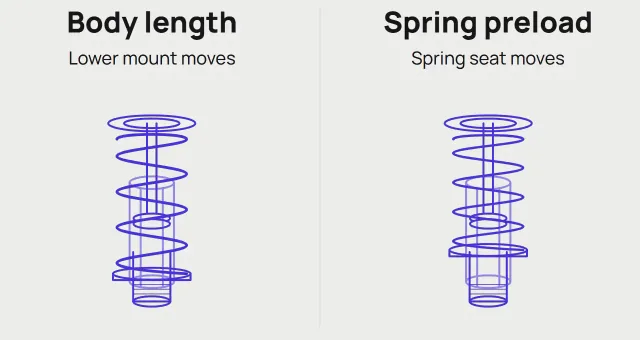
Ride height and spring preload
Understand the two adjustments before choosing a lowering range.
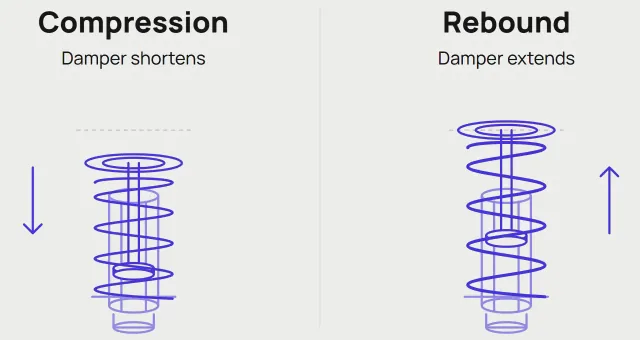
Damping adjustment explained
What combined, two-way and three-way controls change.
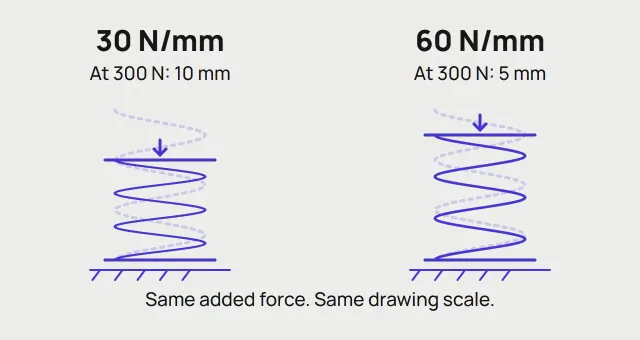
What spring rate tells you
Compare force and movement, read the units and choose a spring with the damper in mind.
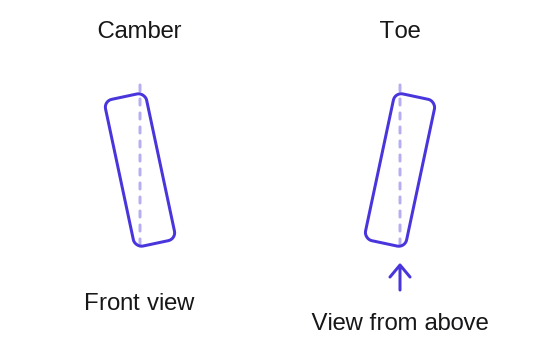
Alignment after changing ride height
Set the intended height, check the geometry and keep a useful record of the result.
Questions about Porsche 911 (996) coilovers.
Check the details before choosing your kit.
Does BC Y-02 fit a Carrera 4 or a Turbo?
Have BC confirm the exact application before ordering. Its current Taiwan table calls Y-02 a 911 Carrera AWD/996 kit, while older Taiwan and Australian pages call it 996 Turbo AWD. Those names do not prove the applications are interchangeable. Y-23 is the separate Carrera RWD reference.
Can I choose a GT2 or GT3 kit for a Carrera?
Use the manufacturer’s exact application and build reference. Some Nitron 021 headings name Carrera, GT2 and GT3 together, but their variant lists name Carrera engines. AST and MOTON also have race-only entries and set names for competition derivatives. A shared chassis label does not settle the road/race, body or mounting specification.
Do M030 and other sport-suspension options matter?
Yes. Porsche lists different rear springs and dampers for equipment cases including M030, Carrera 4S and X73/X74, with further body and build restrictions. Give the supplier the original option details and explain what is fitted now. A previous suspension change may have replaced some of those parts.
Is the original 996 rear spring separate from the damper?
The identified Carrera and Turbo factory drawings show the coil spring around the rear damper. Several separate arms guide the wheel carrier. Confirm the supplied mounts and spring seats for the new kit; the original layout alone does not identify the correct aftermarket reference.
What changes between manual Nitron R1 and R3?
Manual R1 uses combined damping adjustment. Manual R3 has separate rebound, low-speed compression and high-speed compression controls. Pick the controls you can make use of and have the supplier agree a starting setup. Road or Track use is a separate option choice, and the full selected subcode still needs confirmation.
Will a Nitron elec-TRON kit use the car’s original controller?
The 996 electronic product pages require a Nitron DCU. Generic references to factory electronic-damper integration do not confirm an original controller interface for your 996. Check the complete build, harness and control specification. Electronic R3 also has manual high- and low-speed compression baseline controls, unlike the fully electronic R1 description.
What comes with a Nitron +FAL kit?
The exact +FAL pages describe a standalone system with cylinders, hydraulic lines, pump, wiring loom and controller. They state 25 mm lift at the shock, which should not be read as a measured 25 mm rise at the body. Confirm installation and supply for the full reference. Its lift controller does not establish that the separate damping DCU is included.
Which spring rates and ride height should I choose?
Agree the supplied rates and a usable height for your car with the manufacturer and fitter. Provide tyre specifications, normal loads and intended use. The current BC Y-23 regional page does not give numeric rates, and a neighbouring kit’s values do not fill that gap. Follow the exact kit instructions and include clearance, remaining travel and alignment in the setup.
Let’s talk suspension.
Send the exact 996 model and body, its suspension options and the kit reference you are considering. Include the wheel and tyre sizes so the application and fitting work can be checked together.