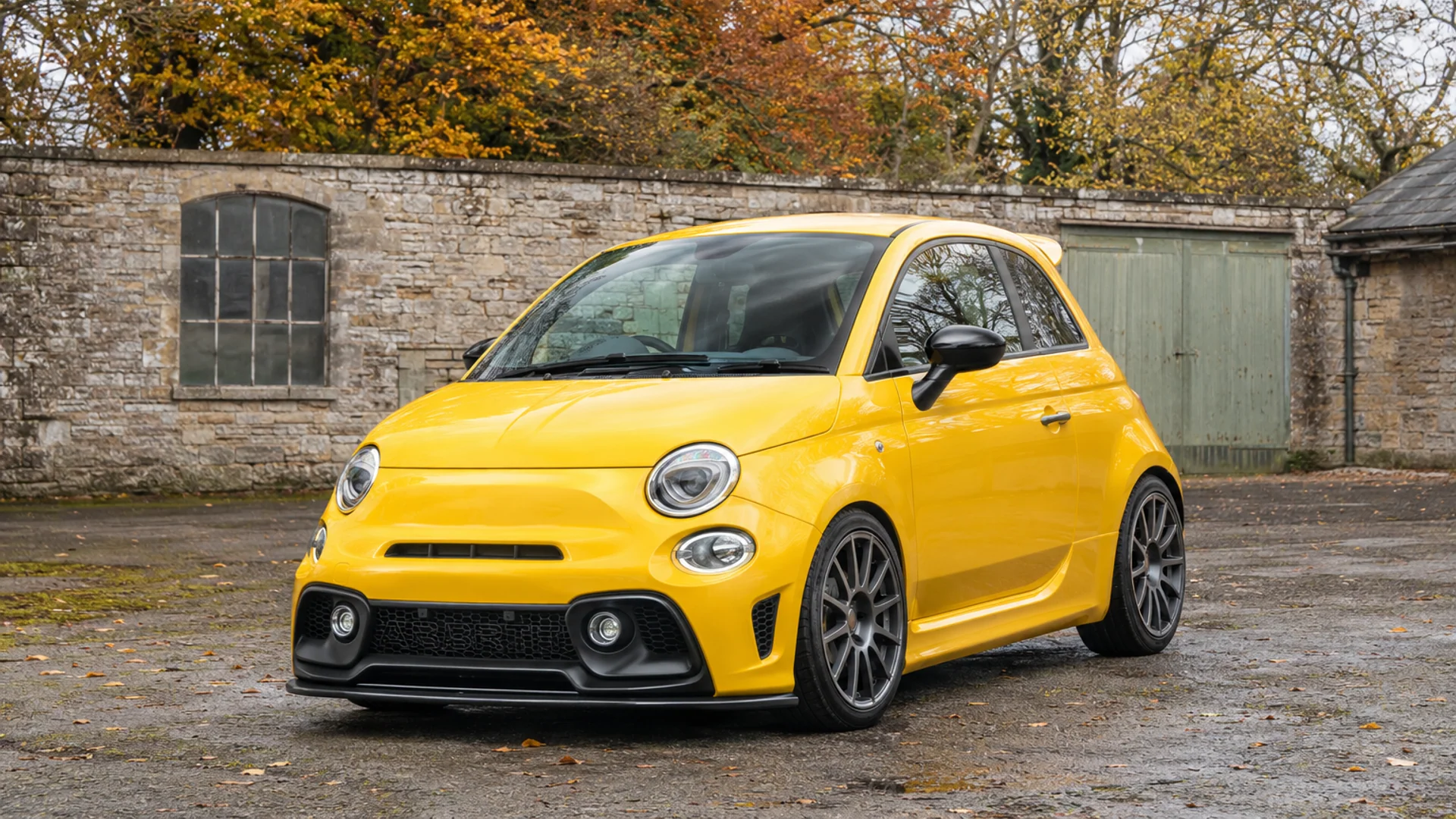
Abarth 500 / 595 / 695.
The coilover guide.
Shop the coiloversKeep the small Abarth usable. Identify its body, original market and factory suspension, then choose the height and damping around your wheels and the roads you drive.
A small hatch with a long tuning life.
An Abarth can look right on a modest drop and a good set of wheels without losing the travel it needs on a broken B-road. Start with the tyre clearance, present ride height and condition of the mounts. A car already on factory sports suspension will not necessarily drop by the headline catalogue figure again.
This guide covers the petrol type 312 Abarth 500, 595 and 695 family. The electric 500e, historic rear-engined cars and dedicated race cars need their own applications. The three current kits have different body, date and market limits; a 595 badge alone does not settle the choice.
The modern Abarth 500 arrived in 2008. At Geneva in 2012, Abarth expanded that range with the 595 Turismo and Competizione, reviving a name from its earlier tuning history. The C versions kept the familiar side-window frames around a folding fabric roof, giving buyers another body choice within the small petrol range.
The 2016 update brought revised bumpers and lighting, alongside changes to the 595 engines and equipment. Factory Koni FSD dampers were part of the Turismo and Competizione specifications, with different front and rear provision across the range. Record the actual trim and fitted parts before replacing them; the Sport button is not proof of electronically adjustable dampers.
Wheels, exhausts and engine work are natural subjects when planning an Abarth build. They also affect the suspension conversation: wheel offset changes clearance, an exhaust can introduce a specific kit restriction, and a circuit car needs its tyres and preparation considered together. Record those modifications alongside the original specification before choosing suspension.
Model history: Abarth 2016 range and equipmentAbarth at Geneva 2012.
Start with your 500 / 595 / 695.
Match the model year, engine and body style before comparing brands.
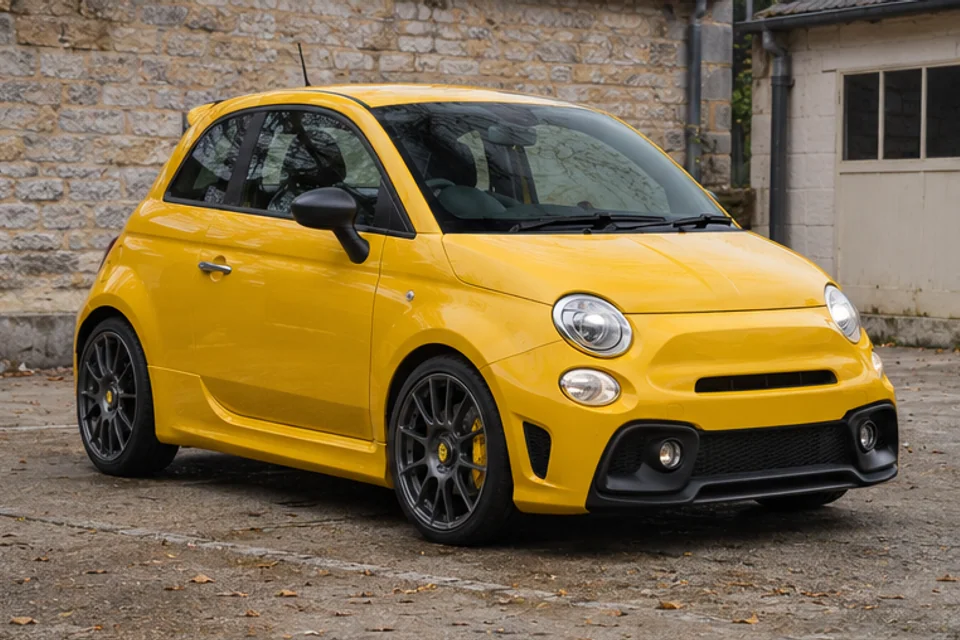
500 and 595 petrol hatchbacks
Identify the type 312 car, build date and factory equipment. Eibach names the 1.4-litre 500/595 application with maximum axle loads of 830 kg front and 735 kg rear. AST lists its 312 hatch applications from 2007 to 2021. Check the exact product conditions rather than applying either date range to the whole family.
See hatchback applications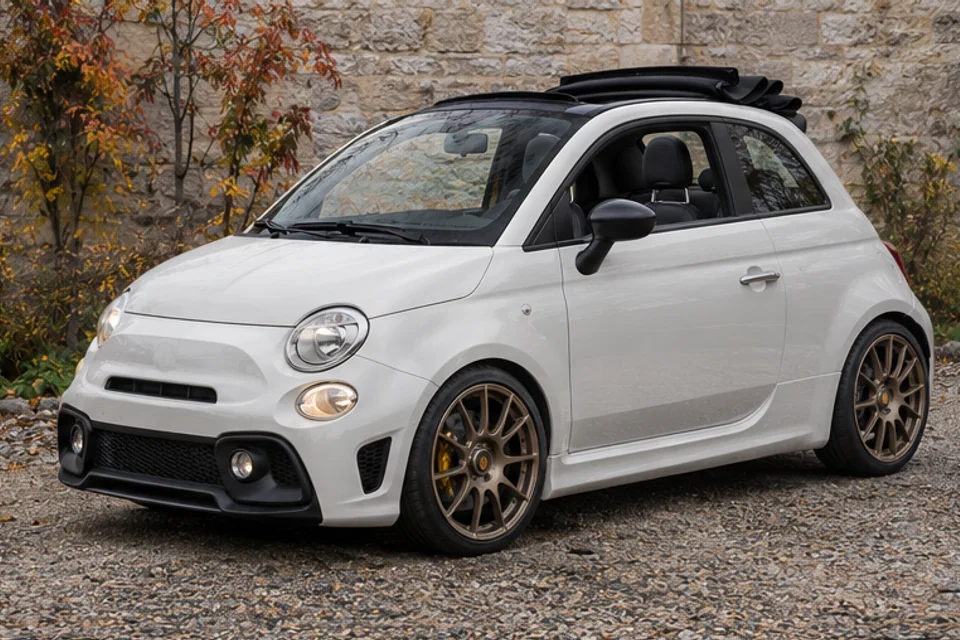
500C, 595C and the folding roof
Give us the C model and build details. Eibach separately names 500C/595C; AST's 312 table includes 500C, 595C and 695C. Use the actual vehicle plate and application sheet for loads and equipment. A fixed-roof photograph or a shared badge cannot confirm the C model's kit.
See C-model applications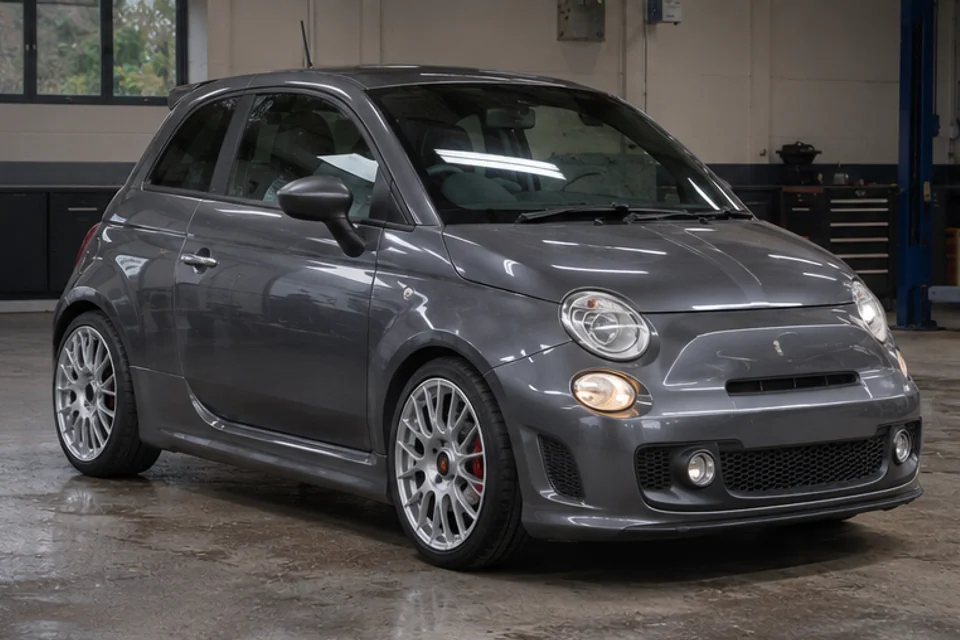
Japanese-market 595: dates and exhaust
TEIN lists Japanese-market 312141 Competizione from March 2014 to January 2017, and 31214T Base, Turismo and Competizione from February 2017. VSAPQ-C1AS2 is not compatible with Series 1–4 cars fitted with the Record Monza exhaust. Confirm the original market and actual exhaust before selecting it; UK registration does not establish a UK-market application.
Check the TEIN application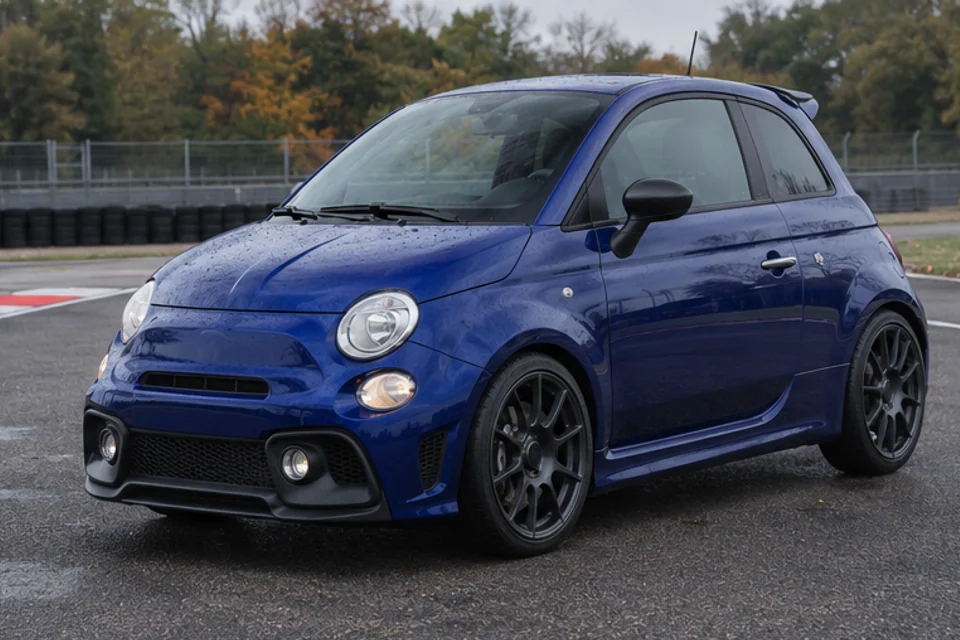
695, special editions and changed cars
AST lists 695 and 695C within its 2007–2021 type 312 table. Identify the exact edition and any replacement suspension or mounts before treating that row as a completed specification. Biposto, Assetto Corse and heavily altered cars need their existing parts and intended use assessed individually.
See the listed 695 applicationWhat do you want
from the car?
Road miles, circuit weekends or a car built around the lap. Start with how you drive.
Set the height around the roads and wheels.
Read the buying advice
Eibach Pro-Street S is the named example for a matching 500/595 or C application. Its catalogue uses threaded front struts and a rear height-adjustment unit. Check the 830/735 kg axle limits, factory lowering and fitting notes first, including possible spacer and extra OE-part requirements. The stated 25–55 mm figures are application data, not a promised extra drop from every factory setup.
- Check the vehicle's axle loads
- Measure present height and wheel clearance
- Keep useful road travel
Add rebound control to an agreed setup.
Read the buying advice
AST's 5100 Street gives a matching type 312 car rebound and height adjustment in a monotube package. Its current finder names ACU-FT1002S as the TCO kit. Confirm the supplied rear arrangement, mounting requirements and spring specification with the fitter before ordering; do not assume the Eibach installation applies. Start the setup discussion with your tyres, normal road miles and planned circuit sessions.
- Match the exact 312 application
- Agree spring and mounting requirements
- Include alignment and fitting checks
Choose the hardware around the build.
Read the buying advice
Tell us the event, tyres, vehicle weight and existing suspension. A stripped shell, changed rear mounts or dedicated race axle needs a specification agreed with the builder. The road-kit list does not establish a complete competition recommendation. Include the brake package and wheel dimensions when discussing the parts.
- Supply the event regulations
- Declare altered mounts and axle parts
- Plan damping with tyres and spring rates
The original rear spring sits beside the damper.
On a standard petrol type 312 Abarth 500 / 595 / 695, the rear spring and damper are mounted separately.
Component layout only. Mounts, dimensions and adjusters vary by kit.The petrol Abarth's original rear suspension uses a torsion beam. The Abarth parts drawing shows each coil spring on its own seat, separate from the shock absorber. The damper mounting is therefore not the original spring seat; a kit's name does not make these two locations interchangeable.
Eibach's fitting note describes a rear height-adjustment unit. AST calls its listed package TCO, so establish the supplied rear hardware and mounting requirements for that exact kit before fitting. If a car already has a rear coilover conversion or fabricated mounts, give the workshop those details. This illustration identifies the original component positions, not an approved conversion.
Understand height and spring preload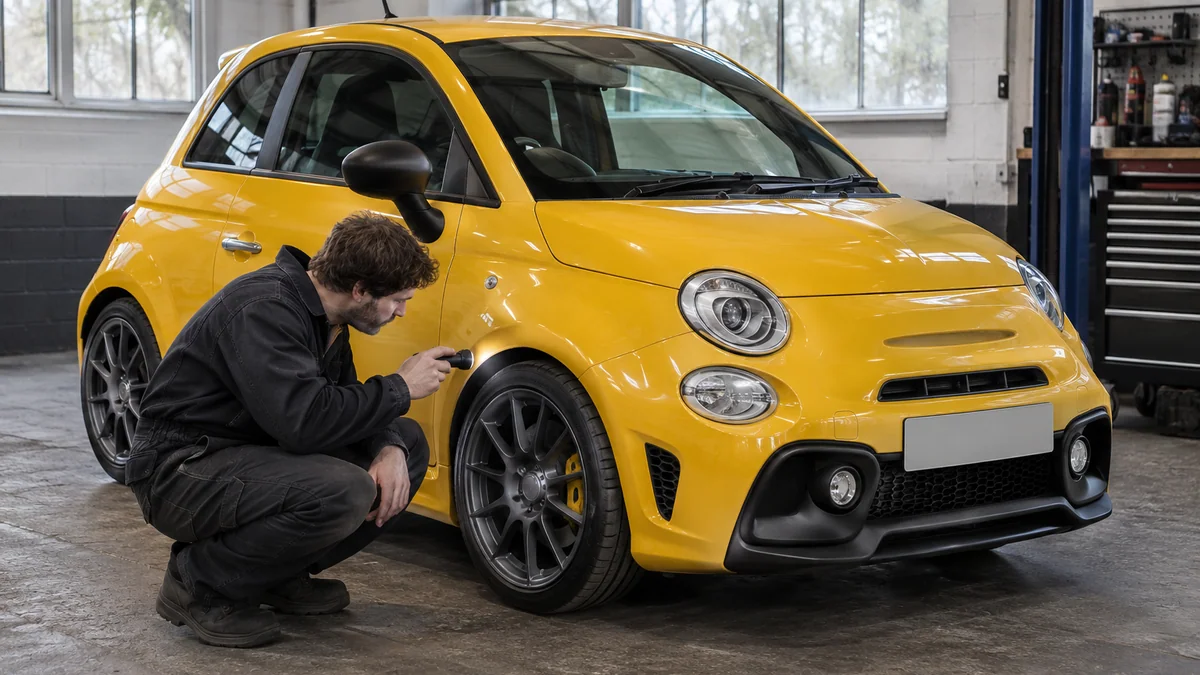
Keep room for the tyres to move.
Give the fitter your wheel width, offset, tyre size and spacers. Check the front strut, brake and body clearances through steering and suspension movement, with the rear arch checked at the planned load and height. Eibach specifically notes that some original wheel combinations may need spacers; a spacer is a checked solution with its own requirements, not an automatic addition.
Inspect mounts, bushes, spring seats and bump stops before setting the car down. Record the exhaust and factory damper specification, then agree the running height, alignment and rechecks with the workshop. Budget time for these checks before booking a circuit day.
Wheel offset and brake clearance
Larger wheels are only part of the fit. Compare width, offset and tyre shape with the strut and wheelarch. Declare a Brembo conversion or other brake changes so the wheel and suspension package can be checked together.
Factory dampers and original mounts
Identify the fitted Koni/FSD equipment and any replacement mounts. AST's street range works with OE top mounts; TEIN's named kit reuses original upper mounts. Have the reused parts inspected and replace any that are unserviceable.
Exhaust and underbody clearance
Give the full exhaust specification, including Record Monza, and inspect clearance at the intended height. TEIN's Series 1–4 Record Monza exclusion is an application restriction; a smaller drop does not remove it.
Tyres, loads and intended use
Discuss road tyres or circuit tyres, normal passengers and any weight changes. Keep suspension travel for the conditions the car will meet. A competition build needs its event rules and preparation considered before a kit is selected.
The current 500 / 595 / 695 range.
Compare the controls and hardware included in each range.

PSS65-30-013-02-22 is the Pro-Street S application for the named 1.4-litre 500/595 and 500C/595C rows. Check the 830 kg front and 735 kg rear limits and the exact certificate, including front threaded strut/rear height unit, wheel-clearance and additional OE-part notes. Factory lowering reduces the additional change where not separately specified.
View Eibach 500 / 595 / 695 kits
The current product finder lists ACU-FT1002S for type 312 500, 595, 695 and their C models from 2007 to 2021, with TCO 5100 wording. The 5100 Street range is rebound- and height-adjustable monotube suspension using OE top mounts. Agree the actual rear arrangement, spring specification and installation requirements for the supplied package.
View AST 500 / 595 / 695 kits
FLEX Z VSAPQ-C1AS2 has specific Japanese-market 595 rows, with 312141/31214T dates, grades and the Series 1–4 Record Monza exclusion. The listed recommended height ranges are front −20 to 0 mm and rear −30 to −10 mm relative to the stated OE application. These are not the maximum mechanical ranges or a generic UK-market approval.
View TEIN 500 / 595 / 695 kitsFind your 500 / 595 / 695 coilovers.
Prices include UK VAT. Choose an application and brand, then open a kit for its current options and availability.
3 listings
Match the engine, body style and axle-load limits on the product page before ordering.
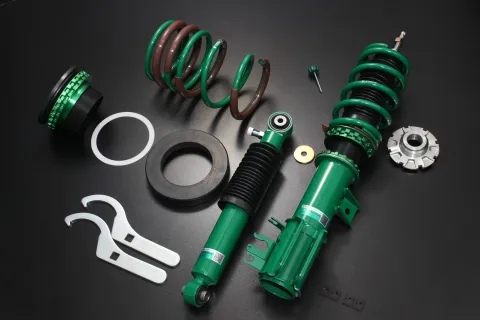
TEIN · VSAPQ-C1AS2
TEIN FLEX Z Coilovers for Fiat Fiat 500C 31209 / Abarth Abarth 595 31214T, 312141 (Japanese-market imports) - VSAPQ-C1AS2
Japanese-market 595: dates and exhaust
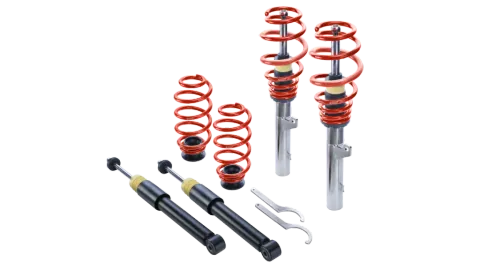
Eibach · PSS65-30-013-02-22
Eibach Pro-Street S Coilover Kit for Abarth applications - PSS65-30-013-02-22
500 and 595 petrol hatchbacks / 500C, 595C and the folding roof
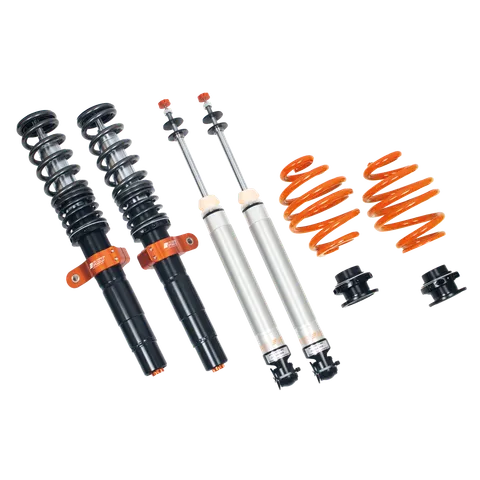
AST · ACU-FT1002S
AST 5100 Street Coilovers for Fiat / Abarth 312_ Applications - ACU-FT1002S
500 and 595 petrol hatchbacks / 500C, 595C and the folding roof / 695, special editions and changed cars
All 500 / 595 / 695 kit links and part numbers
- AST · ACU-FT1002S: AST 5100 Street Coilovers for Fiat / Abarth 312_ Applications - ACU-FT1002S
- TEIN · VSAPQ-C1AS2: TEIN FLEX Z Coilovers for Fiat Fiat 500C 31209 / Abarth Abarth 595 31214T, 312141 (Japanese-market imports) - VSAPQ-C1AS2
- Eibach · PSS65-30-013-02-22: Eibach Pro-Street S Coilover Kit for Abarth applications - PSS65-30-013-02-22
Before you order.
Identify your car
Identify the petrol type 312 car, build date, body, original market and exact trim.
Match the kit
Match the product's axle loads, dates, equipment and exhaust restrictions to the actual car.
Check what’s included
Agree the supplied rear arrangement, reused mounts and any extra OE parts with the fitter.
Check your modifications
Check wheel, tyre, brake, exhaust and body clearance at the intended running height.
Plan fitting
Plan installation, alignment and rechecks, and confirm current supply timing before booking.
See what the adjustments do.
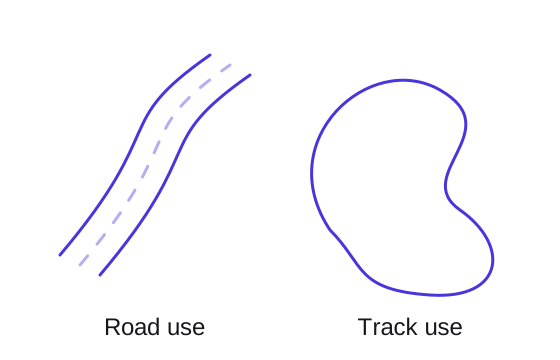
Choosing coilovers for road and track
Compare the kit against your roads, tyres and setup plans before counting adjusters.
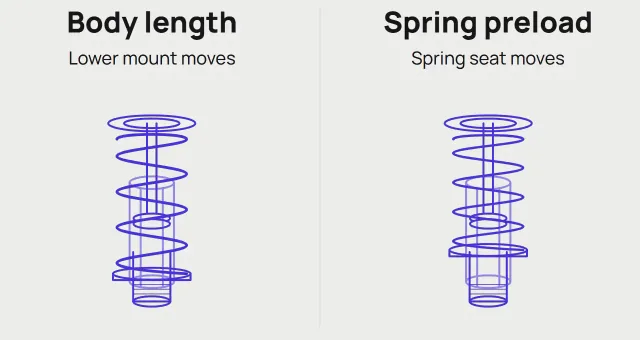
Ride height and spring preload
Understand the two adjustments before choosing a lowering range.
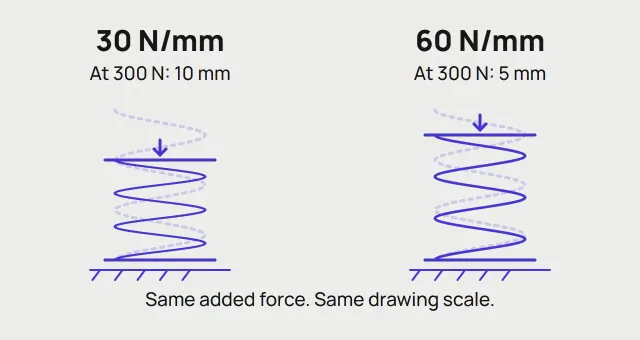
What spring rate tells you
Compare force and movement, read the units and choose a spring with the damper in mind.
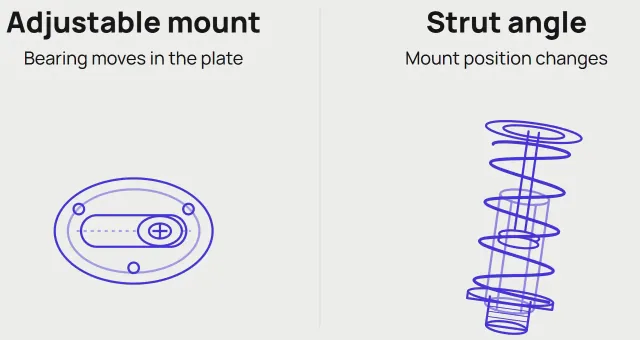
Spring rates and top mounts
Read the front/rear figures and check which mounts come with your kit.
Questions about Abarth 500 / 595 / 695 coilovers.
Check the details before choosing your kit.
Does this guide include the Abarth 500e?
This is the petrol type 312 500/595/695 family. The electric 500e, historic rear-engined models and dedicated race cars need their own verified suspension applications.
Are the C models listed as well as hatchbacks?
AST's type 312 table names 500C, 595C and 695C within its 2007–2021 application. Eibach separately names 500C/595C. Match the exact body, date, loads and fitting conditions on the selected product; do not assume every hatch kit covers every C version.
Are the original rear springs separate from the dampers?
Yes. The Abarth parts drawing shows coil springs on their own seats on the torsion-beam rear suspension, beside separate shock absorbers. Confirm the supplied kit's rear arrangement and mount requirements, especially on an already modified car.
Will the catalogue lowering be added to the factory drop?
Do not assume it will. Eibach notes that factory lowering reduces the additional change where not separately specified. Measure the present car and use the exact application and certificate. Wheel clearance and useful travel still need checking.
Does the TEIN kit fit any UK-registered 595?
VSAPQ-C1AS2 names Japanese-market 312141 Competizione from March 2014 to January 2017, and 31214T Base, Turismo and Competizione from February 2017. It excludes Series 1–4 cars with the Record Monza exhaust. UK registration alone does not establish the original market or compatibility.
What should I confirm about the AST TCO kit?
Match ACU-FT1002S to the actual type 312 application, then agree its supplied rear hardware, mounting requirements, springs and reused parts with the fitter. The TCO catalogue wording does not provide a conversion procedure or approve altered mounts.
Which kit should I choose for a competition Abarth?
Supply the event rules, tyres, vehicle weight and existing suspension or fabricated mounts. The builder needs to agree the complete spring and damping specification; the current road-kit list is not a finished competition recommendation.
Will the registration finder identify my exhaust and suspension changes?
The finder helps identify the car. Tell us separately about Record Monza or another exhaust, replacement dampers, spacers, altered mounts and wheel sizes. A registration result cannot confirm those modifications or exact kit fitment.
Let’s talk suspension.
Find your Abarth, then tell us its body, build date and original market. Include the exhaust, wheels and any changed suspension so we can discuss the right application and fitting plan.