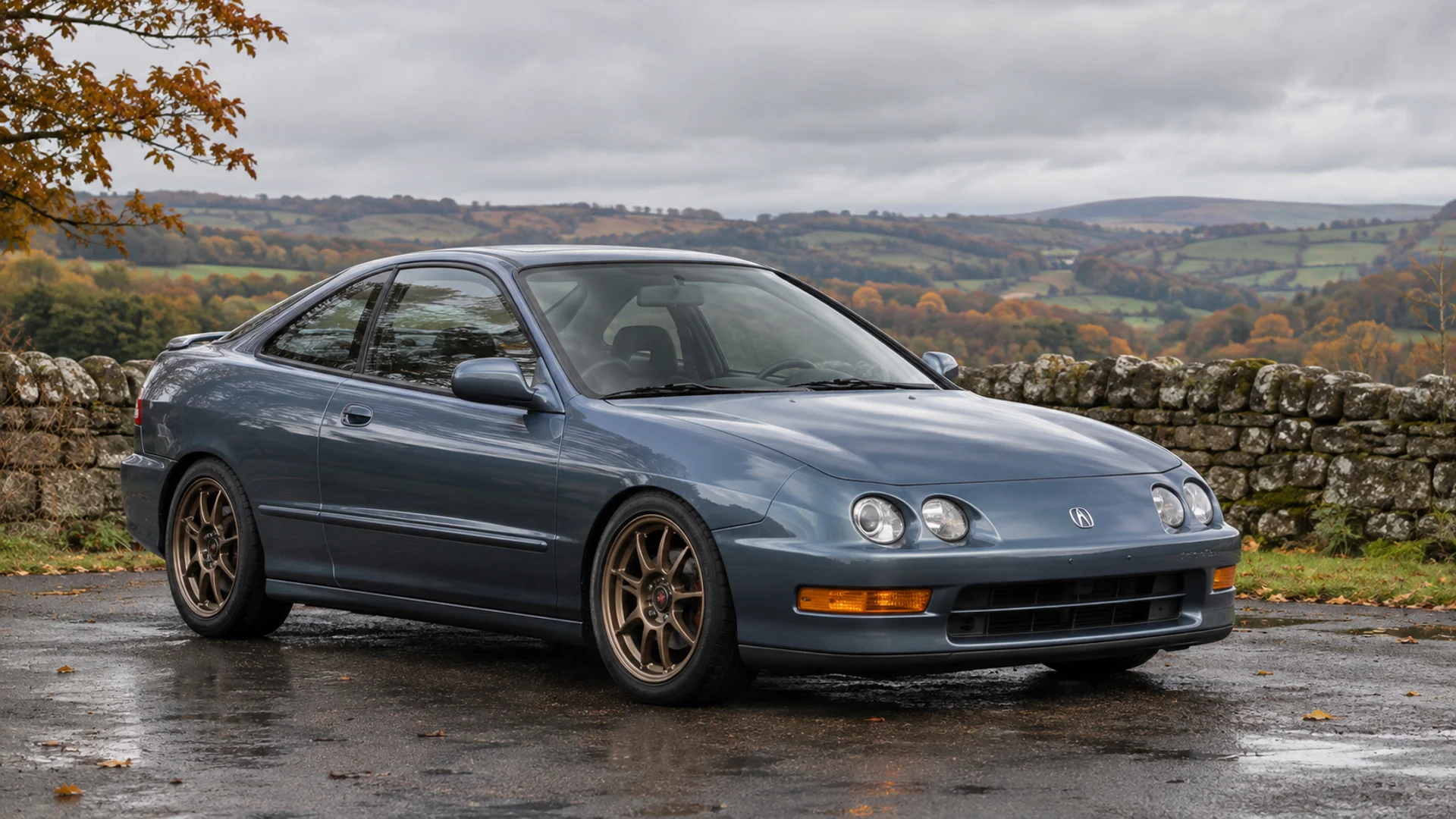
Acura Integra DC2 / DC4.
The coilover guide.
Shop the coiloversCheck the rear mounting before choosing the stance. The ordinary Integra and Type R applications use different lower damper mounts, and their recommended lowering ranges differ too.
The round-headlamp Integra before the RSX.
The current TEIN FLEX Z listings cover two US-market Integra applications: VSA00-CUSA1 for the ordinary fork-style rear mounting and VSH48-CUSA1 for the Type R eye mounting. Identify the chassis, trim and parts underneath your car before choosing between them.
A tidy set of wheels and a modest arch gap suit this compact hatch, but the ordinary kit's recommended front lowering starts at 70mm. If you want a smaller change from standard height, discuss that before ordering. Existing lowering, changed rear arms and imported specifications all need checking.
Acura introduced the third-generation Integra in autumn 1993 for the 1994 model year. The US hatchback's four round headlamps, long doors and sloping rear glass distinguish it from the later RSX. DC2 and DC4 identify versions within this generation; the four-door DB models need their own application check.
The US Type R arrived for 1997 with 195hp. It had its own suspension tuning and sat 15mm lower than the ordinary Integra from the factory. Acura revised the bumpers and lighting for 1998, and the Type R returned for 2000 after a year's absence. Those dates matter when a car has replacement panels or a changed front end.
By the 2001 model year, the ordinary LS and GS had 140hp and the GS-R had 170hp. A Type R badge or wing cannot identify the suspension on an older modified car. Keep the chassis details and service history together, then inspect the rear arms and damper mountings before buying replacement suspension.
Period-style wheels and a restrained drop leave the original body shape easy to recognise. Allow room for the tyre when the suspension compresses, especially if wider wheels, spacers or earlier arch work have changed the starting point.
Start with your Integra DC2 / DC4.
Confirm the chassis, year and existing suspension before choosing your setup.
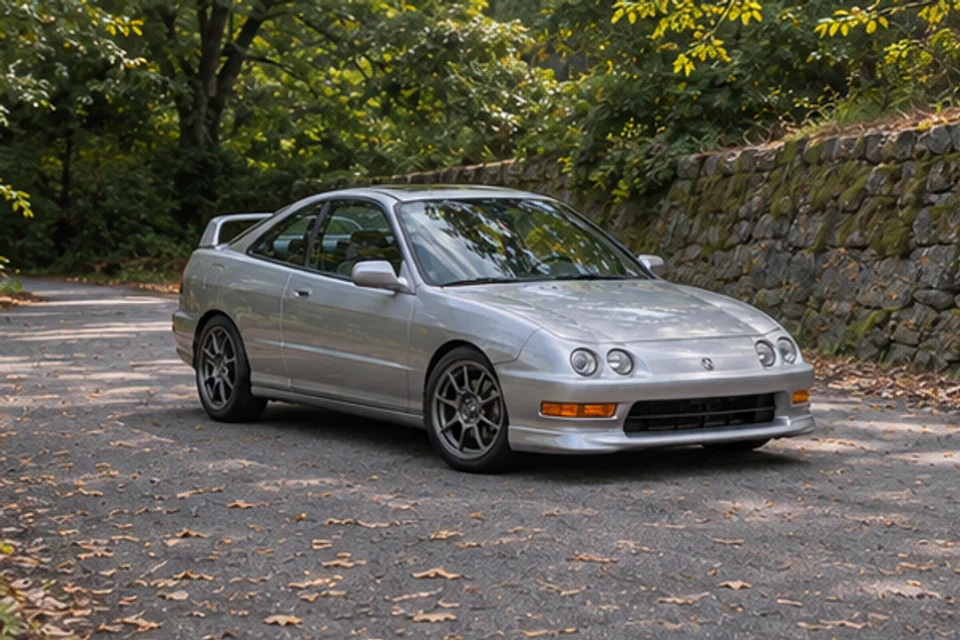
Ordinary DC2: check the rear fork
TEIN lists VSA00-CUSA1 for the US 1.8-litre, front-wheel-drive DC2, 1994 to 2001, with rear bottom fork mounting. Its grade field is blank. Confirm the actual trim and retained arms; a shared DC2 code does not make it the Type R application.
See the DC2 fork-mount kit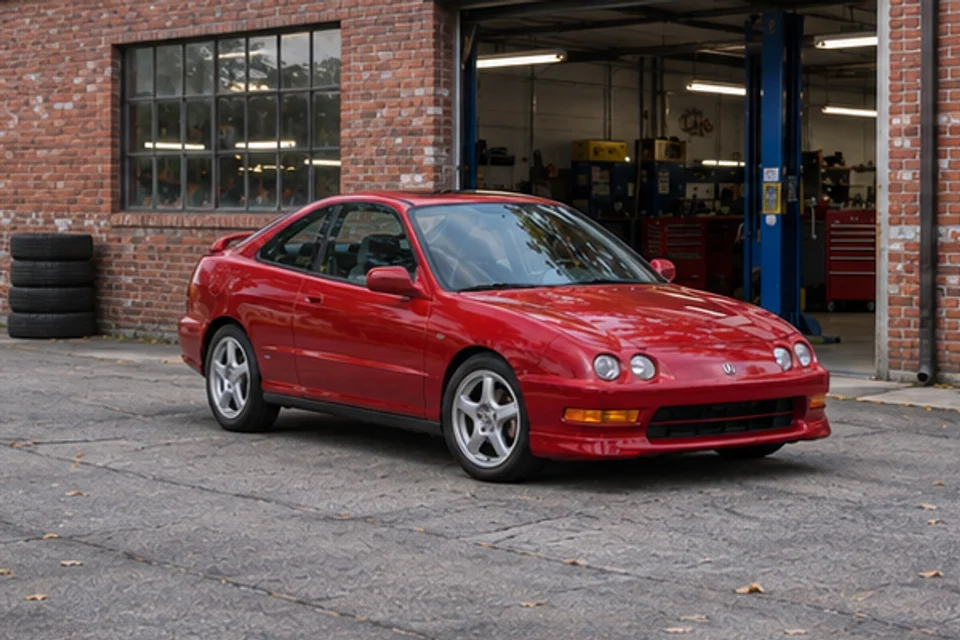
DC4 RS: confirm the trim
TEIN specifies the same fork-mount kit for the US DC4 RS. Acura dropped the RS in 1997, so check the actual trim and model year alongside the supplier's broader date range. Send the build details for an LS or GS so its application can be resolved before ordering.
Inspect the listed DC4 RS application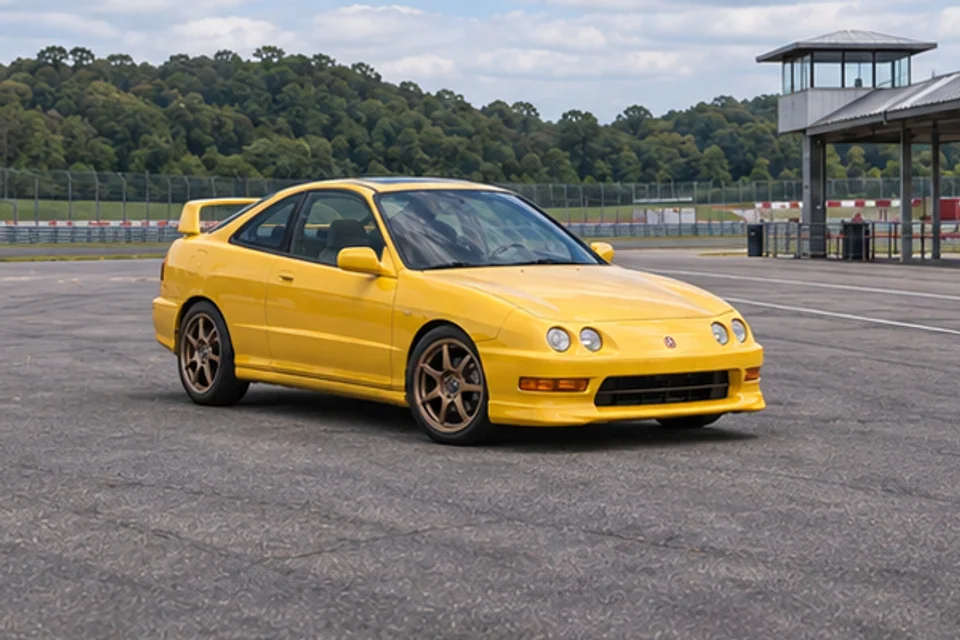
US Type R DC2: a lower eye mounting
VSH48-CUSA1 is the named US Type R DC2 application, listed for 1997 to 2001, with a rear bottom eye mount. Its own recommended lowering figures apply. Confirm the car's year and fitted arms; use an enquiry if a previous owner has converted the mounting arrangement.
See the Type R eye-mount kit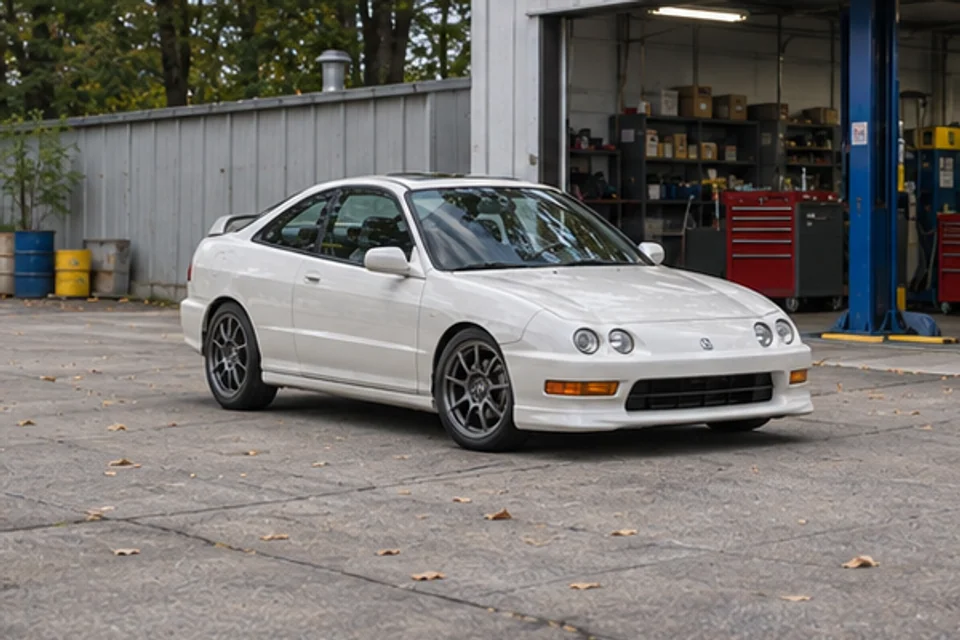
Changed arms or another market? Identify the parts
Include photographs of the actual rear lower mount and details of changed arms, hubs or suspension. Japanese and UK-market cars, four-door models and the later RSX/DC5 need their own confirmed application. Exterior conversions cannot establish which mounting is underneath.
Check my Integra's actual suspensionWhat do you want
from the car?
Road miles, circuit weekends or a car built around the lap. Start with how you drive.
Agree the height before choosing the kit.
Read the buying advice
FLEX Z VSA00-CUSA1 is the ordinary fork-mount example, subject to the exact DC2 or DC4 RS application check. Its recommended lowering is substantial: 70 to 90mm front and 50 to 70mm rear from TEIN's original baseline. Ask about suitability if you want less lowering, and have the fitter check travel and clearance at the intended height.
- Confirm the rear fork mounting
- Check the recommended height range
- Allow for your actual wheels and tyres
Start with the tyres and existing suspension.
Read the buying advice
Describe the tyres, intended circuit use and the parts already fitted. Have worn joints and bushes inspected before agreeing the height, damping and alignment. Record changes between outings so you can return to a known setup. A Type R application changes the mounting check; it does not automatically specify the right setup for your driving.
- Include tyre and wheel dimensions
- Inspect retained joints and bushes
- Keep a record of setup changes
Give the builder the complete specification.
Read the buying advice
Set out the event rules, tyres, weight changes and any revised arms or mounts. Agree the spring and damper requirements with the builder, then plan clearance, travel and alignment checks. The two current FLEX Z listings are application alternatives; their presence alone does not establish a dedicated competition package.
- Check event requirements
- Identify changed mounting parts
- Agree springs and damping with the builder
Spring around the damper. Check the lower mount.
The rear spring surrounds the damper on a standard US Acura Integra DC2 / DC4.
Component layout only. Mounts, dimensions and adjusters vary by kit.The Integra has independent double-wishbone suspension with coil-over shock absorbers at the rear. The coil spring surrounds the damper on both the ordinary car and Type R, resting on the damper's spring seat.
TEIN distinguishes the ordinary rear bottom fork from the Type R bottom eye. Match that connection to the actual rear arm and supplied hardware, especially after a conversion. The compact drawing identifies the spring and damper positions; use the exact application and fitting instructions to identify the mounting parts.
Understand height and spring preload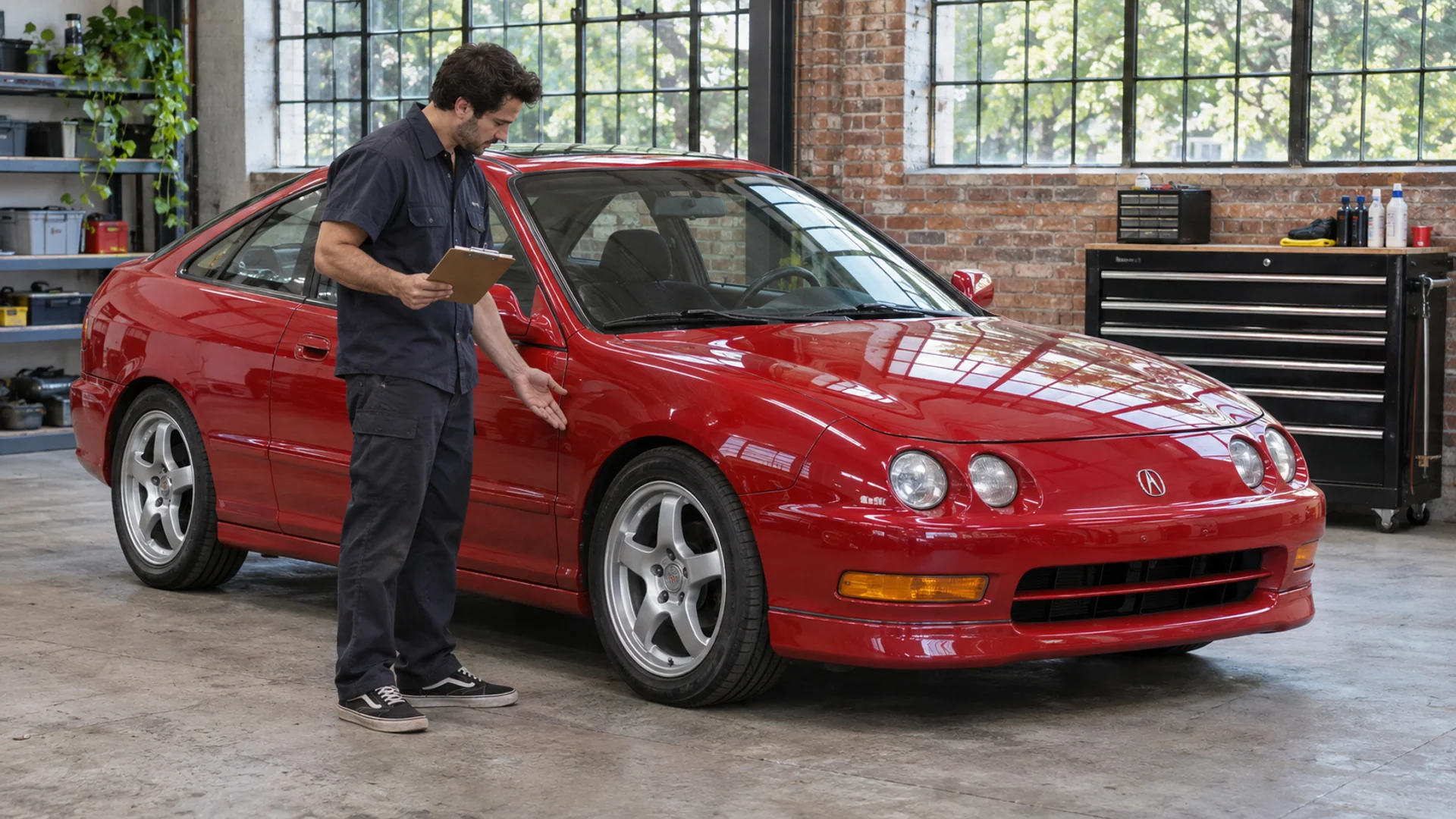
Check more than the parked arch gap.
Bring the wheel width, offset and tyre size, including any spacers. Ask the fitter to check clearance through steering and suspension movement at the proposed height. Wider wheels can look comfortable on a parked car and still need more room under compression.
On a car of this age, inspect the bushes, ball joints and mounting parts before setting alignment. Record the current springs, dampers and rear arms, plus any earlier lowering. That gives the fitter a useful starting point for the height discussion.
Rear arms and lower mounts
Identify the fork or eye connection physically and record any arm or hub conversion. Match the kit to those parts and the manufacturer's application before ordering.
Wheels, tyres and arch work
Supply wheel width, offset, tyre size and spacer details. Include previous arch modifications and have clearance checked through movement at the agreed running height.
Front brake-line brackets
Both verified TEIN applications instruct the fitter to reuse the original front shock absorber's brake-line bracket. Confirm that the required brackets remain with the car and follow the supplied instructions.
Damping and optional control
FLEX Z has 16-level linked compression and rebound adjustment. EDFC needs separate hardware and a check of motor clearance on the actual car; discuss it before adding parts to the fitting plan.
The current Integra DC2 / DC4 range.
Compare the controls and hardware included in each range.

The two current FLEX Z references differ by application and rear lower mounting: VSA00-CUSA1 fork and VSH48-CUSA1 Type R eye. Both manufacturer rows list nominal 10kgf/mm front and 7kgf/mm rear springs with pillowball upper mounts. Use each application's own recommended lowering figures and confirm the supplied specification.
View TEIN Integra DC2 / DC4 kitsFind your Integra DC2 / DC4 coilovers.
Prices include UK VAT. Choose an application and brand, then open a kit for its current options and availability.
2 listings
Match the engine, body style and axle-load limits on the product page before ordering.
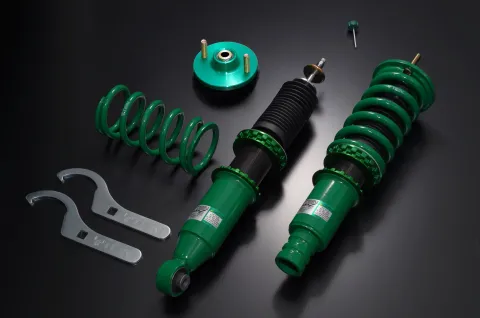
TEIN · VSH48-CUSA1
TEIN FLEX Z Coilovers for Acura Integra DC2 (US-market imports) - VSH48-CUSA1
US Type R DC2: a lower eye mounting
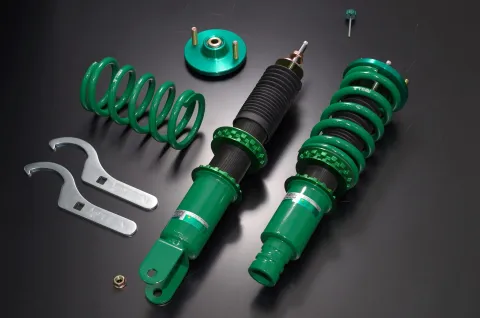
TEIN · VSA00-CUSA1
TEIN FLEX Z Coilovers for Honda Civic EH2, EH3 / Honda del Sol EG1 / Acura Integra DC2, DC4 (US-market imports) - VSA00-CUSA1
Ordinary DC2: check the rear fork / DC4 RS: confirm the trim
Before you order.
Identify your car
Identify the market, chassis, actual trim and model year; keep registration dates separate from build details.
Match the kit
Check the rear lower mounting and retained arms, then resolve the ordinary fork or Type R eye application.
Check what’s included
Agree the intended height within the correct recommended range and confirm the required front brake-line brackets and supplied mounting parts.
Check your modifications
Record wheels, tyres, spacers and earlier arch work; check clearance through steering and suspension movement.
Plan fitting
Plan fitting, working-travel checks and alignment, with circuit requirements or optional EDFC hardware discussed separately.
See what the adjustments do.
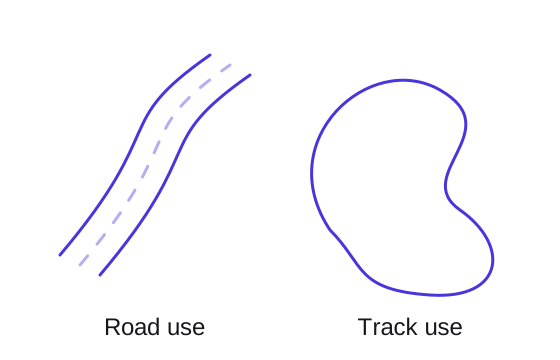
Choosing coilovers for road and track
Compare the kit against your roads, tyres and setup plans before counting adjusters.
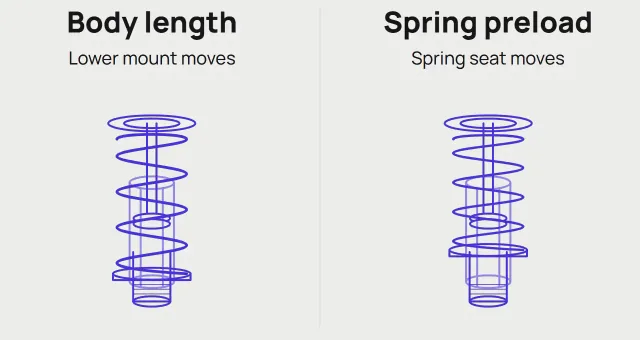
Ride height and spring preload
Understand the two adjustments before choosing a lowering range.
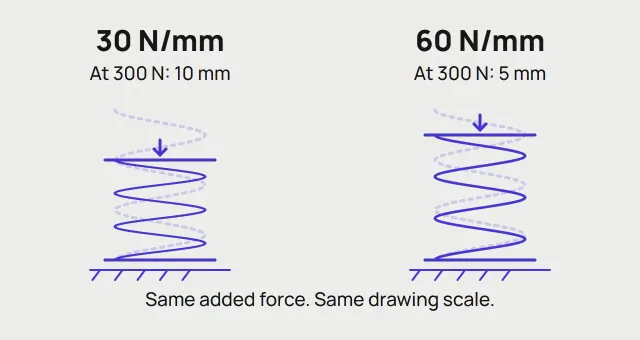
What spring rate tells you
Compare force and movement, read the units and choose a spring with the damper in mind.
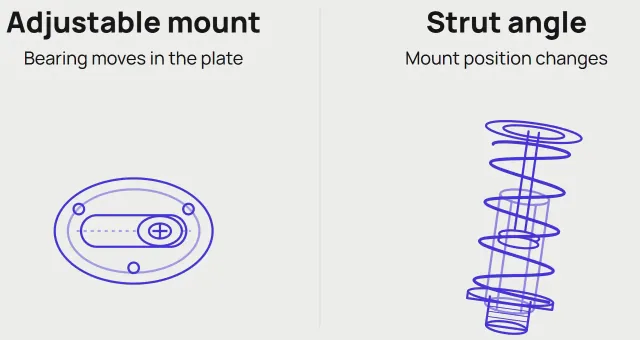
Spring rates and top mounts
Read the front/rear figures and check which mounts come with your kit.
Questions about Acura Integra DC2 / DC4 coilovers.
Check the details before choosing your kit.
Which coilovers are listed for the Acura Integra DC2 and DC4?
The current listings are TEIN FLEX Z VSA00-CUSA1 for the ordinary fork-style rear application and VSH48-CUSA1 for the US Type R DC2 eye-mount application. Check the exact market, trim and fitted arms. TEIN specifies RS for the ordinary DC4 application.
Can I use the Type R kit on an ordinary Integra?
The verified applications have different rear lower mountings: ordinary fork and Type R eye. Match the damper connection to the actual rear arm and resolve any previous conversion before ordering. A DC2 code or Type R exterior parts alone cannot establish that match.
Does the DC4 listing cover every LS or GS?
The verified TEIN DC4 application names RS. An LS or GS needs its own confirmation, even though it shares the DC4 chassis code. Send the actual trim, model year and suspension details, including any changed arms or mounts.
Is the Integra rear spring separate from the damper?
Acura describes a coil-over shock absorber in the independent rear suspension: the spring surrounds the damper. The ordinary and Type R applications still need different lower-mount checks. Follow the exact kit instructions for mounting and adjustment.
How much lowering do the two FLEX Z applications recommend?
TEIN's ordinary Integra VSA00-CUSA1 row recommends 70 to 90mm front and 50 to 70mm rear lowering. The Type R VSH48-CUSA1 row recommends 35 to 55mm front and 40 to 60mm rear. Each uses its own original baseline. Discuss shallower road-car targets before ordering and establish the current height if the car is already lowered.
Does FLEX Z adjust compression and rebound separately?
The listed FLEX Z kits use 16-level linked compression and rebound adjustment, so both change together. Follow the supplied instructions and record adjustments. Optional EDFC control requires separate hardware and an installation-clearance check.
Can this guide establish fitment for a UK or Japanese Integra?
The verified manufacturer rows concern US-market cars. A UK or Japanese-market Integra, a four-door model or a later RSX/DC5 needs its own confirmed application. Include the chassis details and photographs of the mounting parts if the car has been converted.
Will the vehicle finder identify changed rear arms?
The finder helps identify the vehicle, but it cannot inspect changes made by previous owners. Include the actual trim, rear lower mounting, wheel dimensions and known suspension work when asking about a kit.
Let’s talk suspension.
Find your Integra, then include its market, chassis and trim along with the rear mounting and any changed arms. Wheel and tyre sizes, spacers and the height you want will help us check the application and fitting plan.