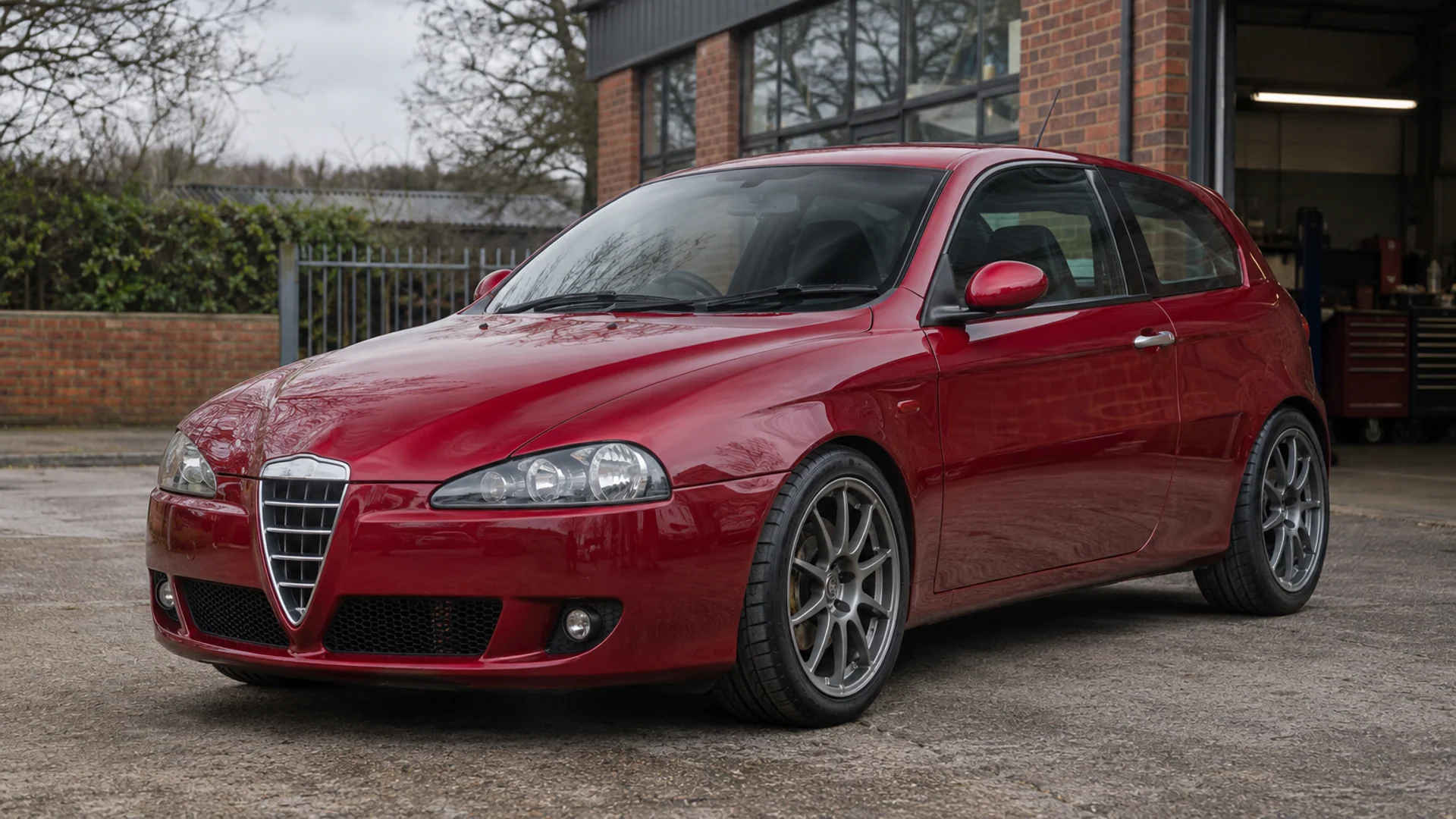
Alfa Romeo 147.
The coilover guide.
Shop the coiloversKeep the 147 precise and usable. Identify the engine, body and existing suspension, then plan the height around your wheels, roads and intended use.
A small Alfa with double wishbones.
A set of wheels and a modest drop can suit a 147 well. Keep enough room for the tyres and enough suspension movement for the roads you drive. Start with the present ride height, the condition of the arms and mounts, and the parts already fitted.
This guide covers the type 937 Alfa Romeo 147, including the GTA and the checks needed for Q2 and factory sports suspension. The current BC Racing and SPAX listings have different application wording. Match the exact kit to the car before comparing adjustment features.
Alfa Romeo introduced the 147 in 2000 as its new compact hatchback. The high double-wishbone front suspension and independent MacPherson rear were central to its design. Three-door and five-door cars share that basic architecture, while the engine, equipment and fitted parts still matter when choosing replacement suspension.
The 3.2-litre V6 GTA reached the UK in 2003 with wider bodywork and substantial chassis revisions. Alfa changed spring and damper settings, mounting details and anti-roll bars. A standard 147 application should therefore be checked against the actual GTA, rather than selected from its silhouette alone.
Later Q2 models added a front limited-slip differential and a lowered suspension specification. A Q2 badge describes that traction system; it does not identify every part fitted to a used car today. Wheel upgrades, brake conversions and replacement springs belong in the fitting discussion alongside the original specification.
Model history: Alfa Romeo 147 original launch, 11 October 2000Alfa Romeo 147 GTA UK launch, 24 March 2003Alfa Romeo Q2 UK description, 22 October 2007.
Start with your 147.
Match the model year, engine and body style before comparing brands.
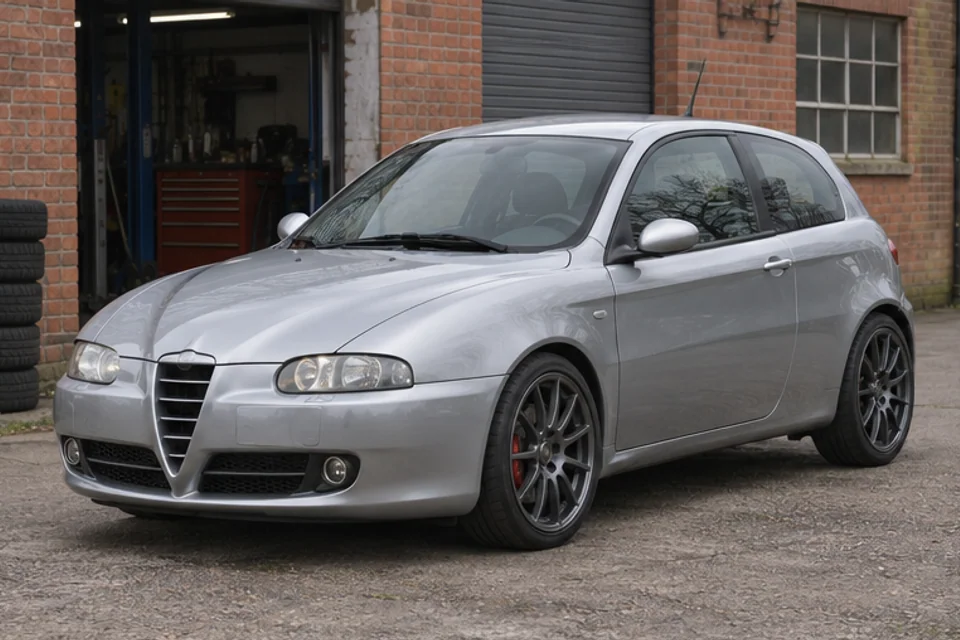
Three-door Twin Spark and JTD cars
Identify the engine, build date and type 937 chassis. BC Racing lists ZR-01 for the 2000–2010 front-wheel-drive 147, with BR RS as the current configuration. Confirm the actual mounting parts and supplied spring specification before ordering, especially if the car already has different dampers.
See the listed 147 kit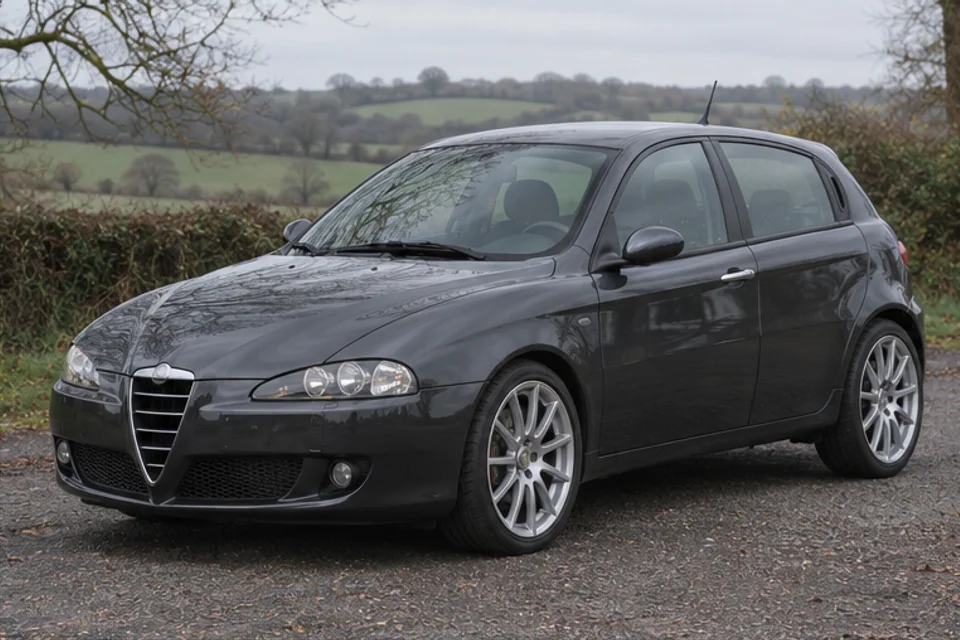
Five-door body and everyday loads
Give us the five-door body, engine and normal passenger or luggage load. The current BC application is the same broad 147 family row; the vehicle details still need checking. Set the planned height with useful rear tyre clearance and suspension travel for the way the car is used.
See the 147 application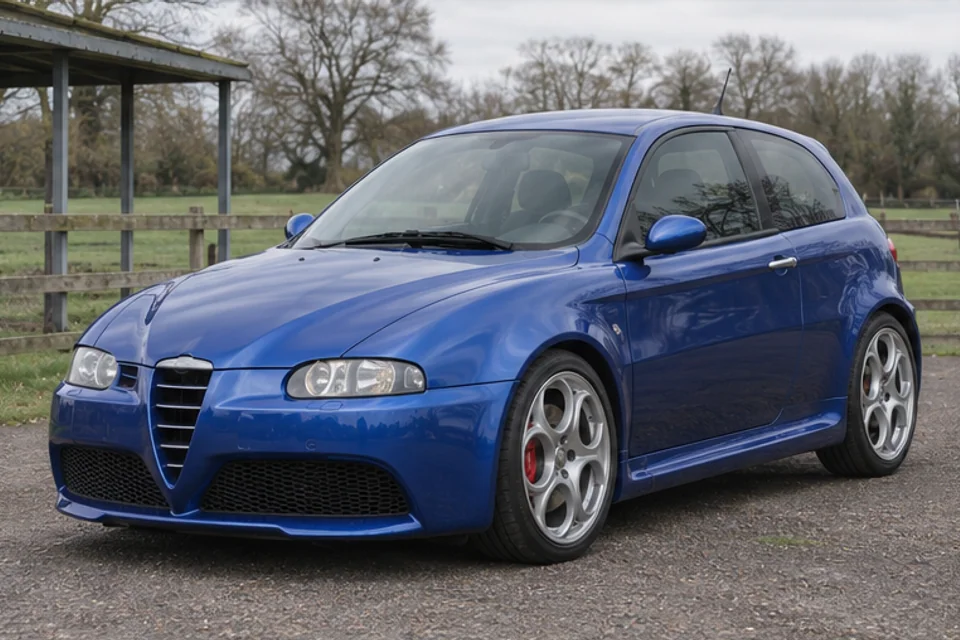
147 GTA: its own suspension checks
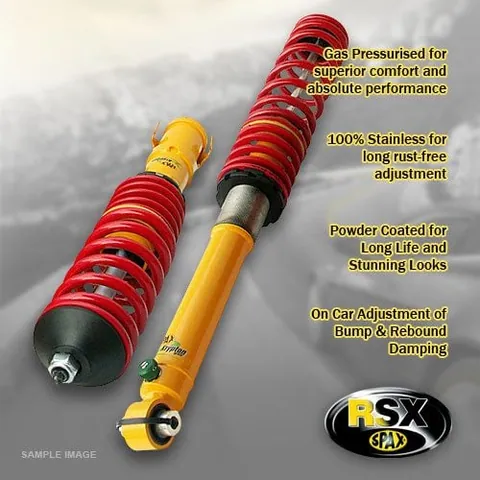
The SPAX catalogue names RSX736 for “147 Coupe; GTA” from January 2001, with listed lowering of 35–65 mm at both axles. Confirm RSX736 against the actual GTA and the supplied fitting instructions. Its wider body, brakes and revised factory chassis do not make every ordinary 147 kit interchangeable.
See the SPAX GTA application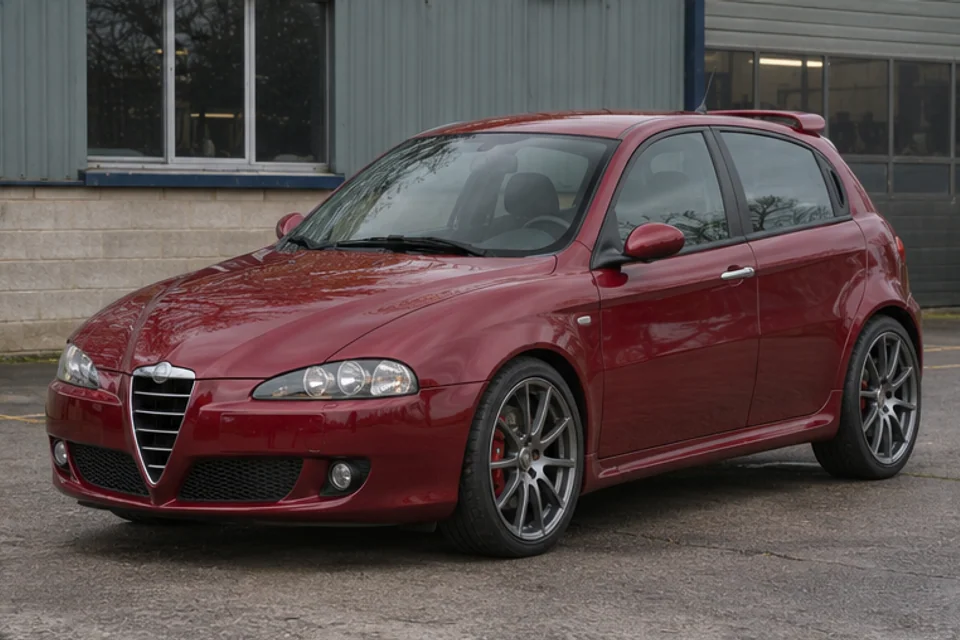
Q2, factory sports suspension and modified cars
Record a Q2 or factory sports specification, previous lowering and any changed arms or mounts. Alfa fitted lower suspension and different settings to several sporting versions. Measure the present car and confirm the additional usable drop; do not add a catalogue figure to an unknown starting height.
Check my existing setupWhat do you want
from the car?
Road miles, circuit weekends or a car built around the lap. Start with how you drive.
Keep the travel you need on your normal roads.
Read the buying advice
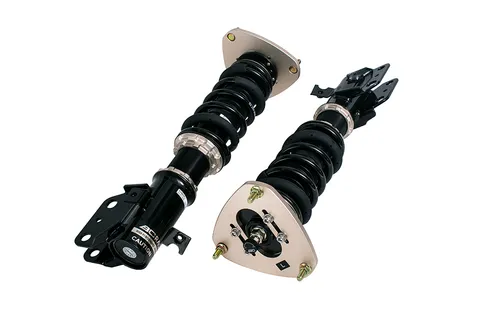
The named example is BC Racing ZR-01 BR RS for a matching 147 application. It provides adjustable height and damping with the listed rubber-mount configuration. Have worn arms, bushes and mounting parts assessed first. Agree the spring specification and intended height with the fitter; a damping adjuster cannot repair play elsewhere in the suspension.
- Identify the engine and original specification
- Inspect arms, bushes and mounts
- Set height around tyre clearance and road travel
Plan the GTA application around its actual tyres and brakes.
Read the buying advice
SPAX RSX736 is the named GTA application alternative. The listed RSX package has single-adjustable damping and 35–65 mm catalogue lowering at each axle. Confirm the exact application and supplied contents, then discuss tyres, normal road use and circuit sessions. Choose it against the GTA specification and intended use; the ordinary 147 and GTA applications need separate checks.
- Confirm the GTA and exact kit reference
- Check wheel and brake clearance
- Plan fitting, alignment and circuit preparation
Agree the specification around the build.
Read the buying advice
Supply the event rules, tyres, vehicle weight, brake package and any altered suspension mounts. A stripped car or changed rear geometry needs the builder to agree the complete spring and damping specification. The two current road-kit listings do not establish a finished competition package.
- Supply the event regulations
- Declare altered arms, mounts and vehicle weight
- Agree the complete spring and damper specification
The rear spring surrounds the damper.
The rear spring surrounds the damper on a standard Alfa Romeo 147.
Component layout only. Mounts, dimensions and adjusters vary by kit.The original 147 rear is an independent MacPherson-type strut arrangement. The manufacturer-origin homologation drawing shows a coil spring around each rear damper, with transverse links and a longitudinal locating arm. The upper and lower spring seats are part of the strut assembly.
Inspect the rear strut mounts, spring seats, links and bushes before setting the height. Alfa revised rear settings and mounting details for the GTA, so confirm the parts for the exact version. This compact illustration identifies the spring and damper positions; it does not supply dimensions or fitting instructions.
Understand height and spring preload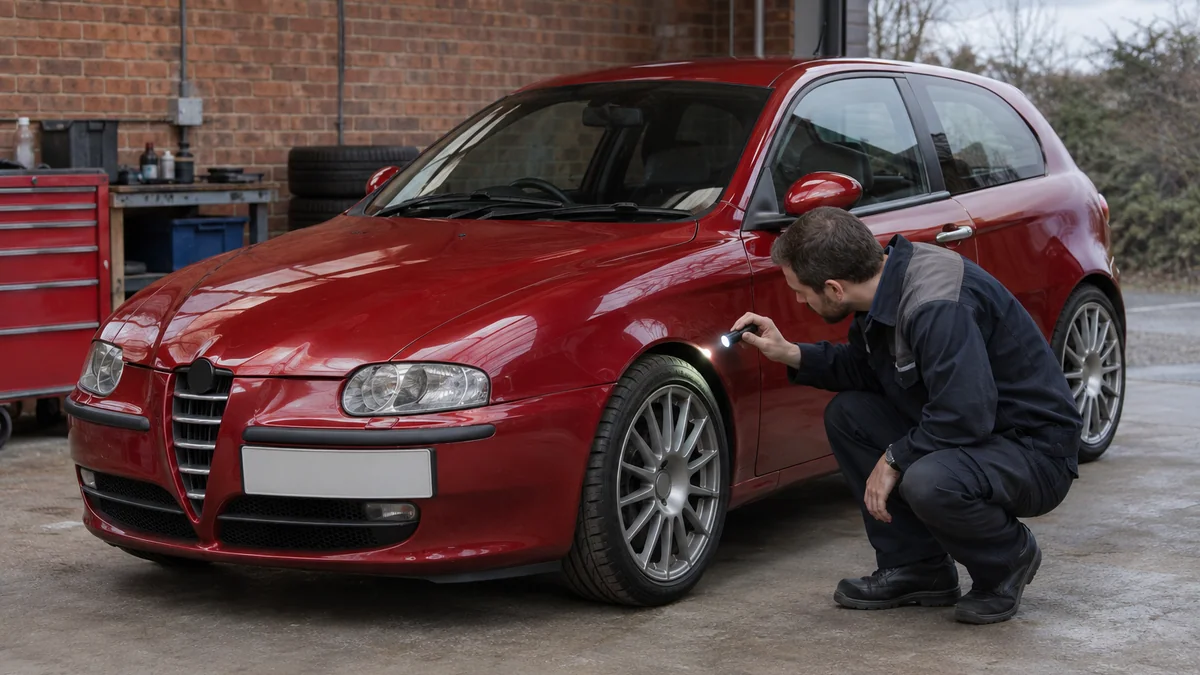
Make room for the wheel to steer and travel.
Give the fitter the wheel width, offset, tyre size and any spacers. Check clearance to the front suspension and body through steering and suspension movement, then check the rear at the planned height and load. Declare a larger brake package as well; wheel diameter alone does not establish calliper clearance.
Have the arms, bushes, mounts and fasteners inspected before fitting. Once the running height is agreed, arrange alignment and any required rechecks with the workshop. Keep the final settings with the car so later tyre or wheel changes can be assessed against them.
Wheels, tyres and brake conversions
Record width, offset and actual tyre size. A GTA brake conversion or aftermarket calliper changes the wheel-clearance check. Include spacers and previous arch work in the information supplied to the fitter.
Arms, bushes and strut mounts
Have existing play, damage or worn mounting parts assessed before selecting settings. The 147’s front wishbones and rear locating links remain part of the suspension even when the springs and dampers are replaced.
Factory lowering and previous kits
Measure the present car and identify the fitted springs and dampers. Q2, GTA and other sporting versions can start from a different factory specification, and a used car may already have been changed.
Road miles and circuit preparation
Explain the tyres, normal loads and intended sessions. Preserve enough travel for the surfaces the car will meet. Competition rules, weight changes and altered mounting points need a specification agreed around the build.
The current 147 range.
Compare the controls and hardware included in each range.

ZR-01 is the manufacturer’s 2000–2010 147 FWD type 937 application. The current local simple configuration is BR RS with the listed rubber mounts. Confirm the exact version, spring specification and installation requirements; generic setup suggestions are not a substitute for the instructions supplied with the kit.
View BC Racing 147 kits
RSX736 retains SPAX’s “147 Coupe; GTA” application wording and 35–65 mm front/rear catalogue ranges. It is the single-adjustable RSX listing, not an RSX3 separate bump/rebound package. Confirm the actual car and supplied fitting instructions, including how its original suspension affects the resulting height.
View SPAX 147 kitsFind your 147 coilovers.
Prices include UK VAT. Choose an application and brand, then open a kit for its current options and availability.
2 listings
Match the engine, body style and axle-load limits on the product page before ordering.
SPAX · RSX736
SPAX RSX Coilover Kit for Alfa Romeo 147 Coupe; GTA - RSX736
147 GTA: its own suspension checks
BC Racing · BCR-ZR-01
BC Racing Coilovers - Alfa Romeo 147 (00-10) [937]
Three-door Twin Spark and JTD cars / Five-door body and everyday loads
Before you order.
Identify your car
Identify the type 937 car, engine, body, build date and factory suspension.
Match the kit
Match the exact BC or SPAX reference and all application conditions to the car.
Check what’s included
Confirm supplied mounts and fitting parts, then inspect the existing arms and bushes.
Check your modifications
Check wheel, tyre, brake and body clearance through steering and suspension movement.
Plan fitting
Agree running height, installation, alignment and rechecks before booking circuit use.
See what the adjustments do.
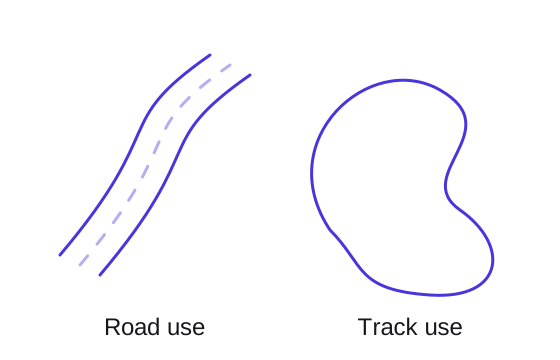
Choosing coilovers for road and track
Compare the kit against your roads, tyres and setup plans before counting adjusters.
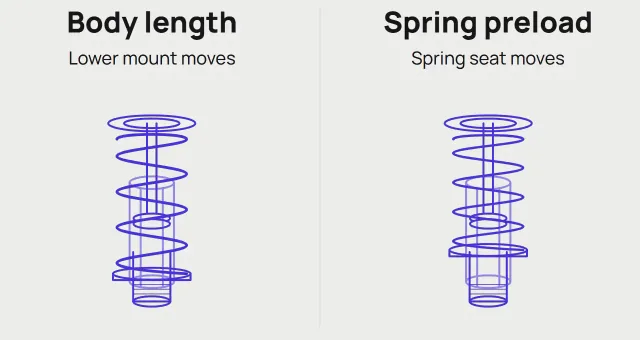
Ride height and spring preload
Understand the two adjustments before choosing a lowering range.
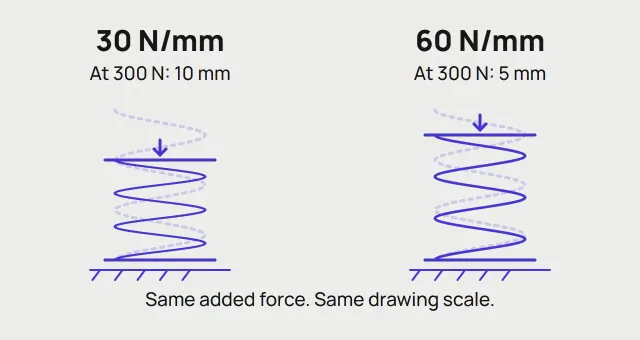
What spring rate tells you
Compare force and movement, read the units and choose a spring with the damper in mind.
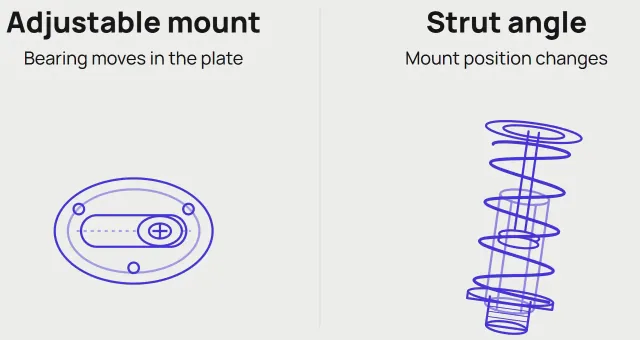
Spring rates and top mounts
Read the front/rear figures and check which mounts come with your kit.
Questions about Alfa Romeo 147 coilovers.
Check the details before choosing your kit.
Does this guide include both three-door and five-door 147s?
Yes. Identify the engine, body, build date and original suspension when choosing a kit. The current BC application is the broad type 937 147 row; exact fitment still needs checking against the actual car.
Can I use an ordinary 147 kit on a GTA?
Check the GTA explicitly. Alfa changed its suspension settings and mounting details as well as the body and brakes. The SPAX RSX736 listing names the GTA; a generic 147 title on another product does not settle every version or modification.
Are the 147 rear springs separate from the dampers?
The original 147 uses rear strut units with a coil spring around each damper. The manufacturer-origin suspension drawing confirms that arrangement. Have the exact version’s mounts, spring seats and locating links inspected before fitting.
Does Q2 mean the suspension adjusts electronically?
Q2 identifies Alfa’s front limited-slip differential system. The factory Q2 specification also included lowered suspension and different settings, so identify the actual springs and dampers fitted. The badge alone does not establish electronically adjustable dampers.
Will the stated lowering be an extra drop from my current height?
Do not assume it will. Measure the present car and identify factory sports suspension or an earlier replacement kit. SPAX’s 35–65 mm figures are catalogue application ranges; the actual starting suspension, clearance and available travel affect a usable setting.
Does RSX736 have separate bump and rebound controls?
The listed RSX736 is the single-adjustable RSX package. The separately named RSX3 range is not the specification of this product. Use the controls and instructions supplied with the exact kit.
What supporting work should I plan with coilovers?
Have arms, bushes, strut mounts and other worn parts inspected, and check wheel, tyre and brake clearance. Agree the running height, alignment and rechecks with the fitter. Supply previous suspension changes and intended road or circuit use.
Will the registration finder confirm my wheel and suspension changes?
The finder helps identify the car. Supply wheel dimensions, spacers, brake conversions, changed springs or dampers and any altered mounts separately. A registration result does not prove exact kit fitment or modification clearance.
Let’s talk suspension.
Find your 147, then tell us its engine, body and existing suspension. Include wheel dimensions, brake changes and how you use the car so we can discuss the right application and fitting plan.