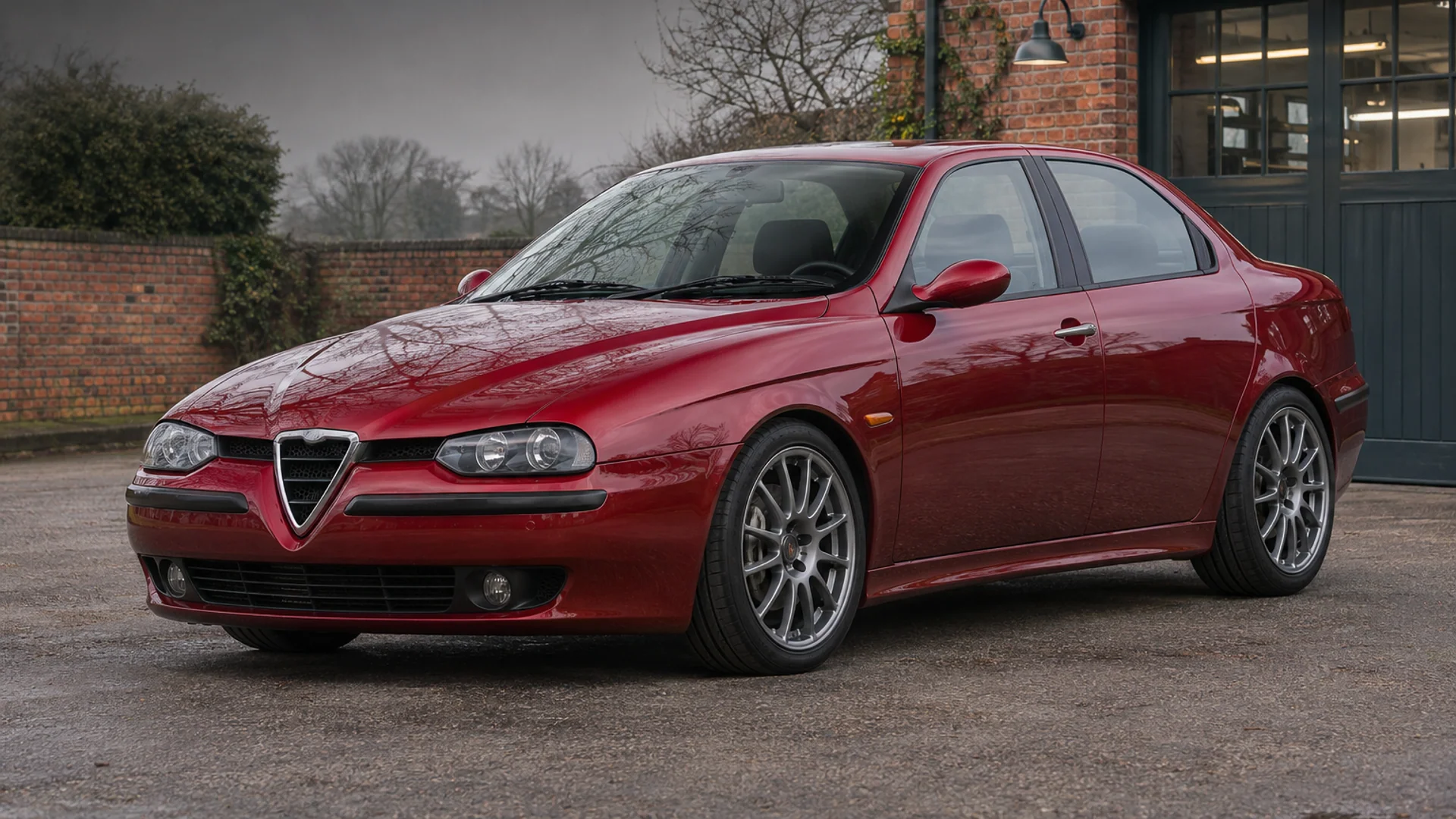
Alfa Romeo 156.
The coilover guide.
Shop the coiloversGive your 156 room to work. Match the body and original suspension, then choose a height that suits its wheels and the roads ahead.
The saloon that brought the Sportwagon and GTA.
A modest drop and a well-chosen set of wheels suit the 156’s long, low body. On an older car, the condition of the wishbones, rear links and mounts deserves attention before you choose settings. Take measurements of the present setup and tell the fitter what has already changed.
A saloon, a loaded Sportwagon and a GTA can need different checks. Some Sportwagons have Nivomat self-levelling rear suspension, while Q4 models have four-wheel drive. Identify those details before choosing from a general 156 application.
Alfa Romeo introduced the 156 to the international press in 1997. It won Car of the Year 1998, and the Sportwagon followed in 2000. The hidden rear door handles and short boot gave the saloon its distinctive outline; the estate kept the front suspension’s high double wishbones and an independent MacPherson rear.
The 2002 revisions brought the 3.2-litre V6 GTA saloon and Sportwagon. Alfa revised their suspension settings and attachment details as well as the brakes and bodywork. The ordinary range received Giugiaro’s exterior restyling for the 2003 update, so appearance and registration year alone do not identify every part underneath.
The Sportwagon also had an optional Boge-Nivomat rear system that restored its height under load. Later Q4 derivatives added all-wheel drive; the Crosswagon had a raised chassis specification. Those are useful distinctions when assessing a used car, particularly one with replacement dampers or an unknown lowering kit.
Model history: Alfa Romeo156 UK range and original launch backgroundAlfa Sportwagon original announcement, March2000Alfa 156 and GTA original manufacturer description,2002UK156 restyling at Goodwood, July2003Alfa Romeo museum account of the2004CrosswagonQ4.
Start with your 156.
Match the model year, engine and body style before comparing brands.
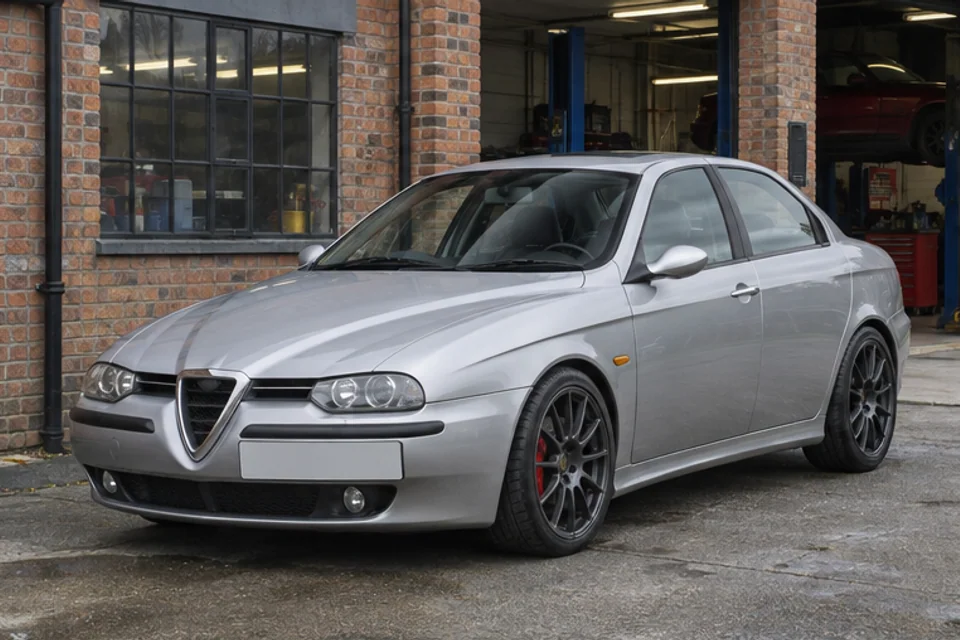
Saloon
Match the type 932 saloon, engine and build details. BC Racing lists ZR-02 for the 1997 to 2007 FWD 156; SPAX also names saloon applications for RSX737. Have the exact kit contents and mounting requirements confirmed against your car, including any earlier suspension replacement.
Find the saloon kits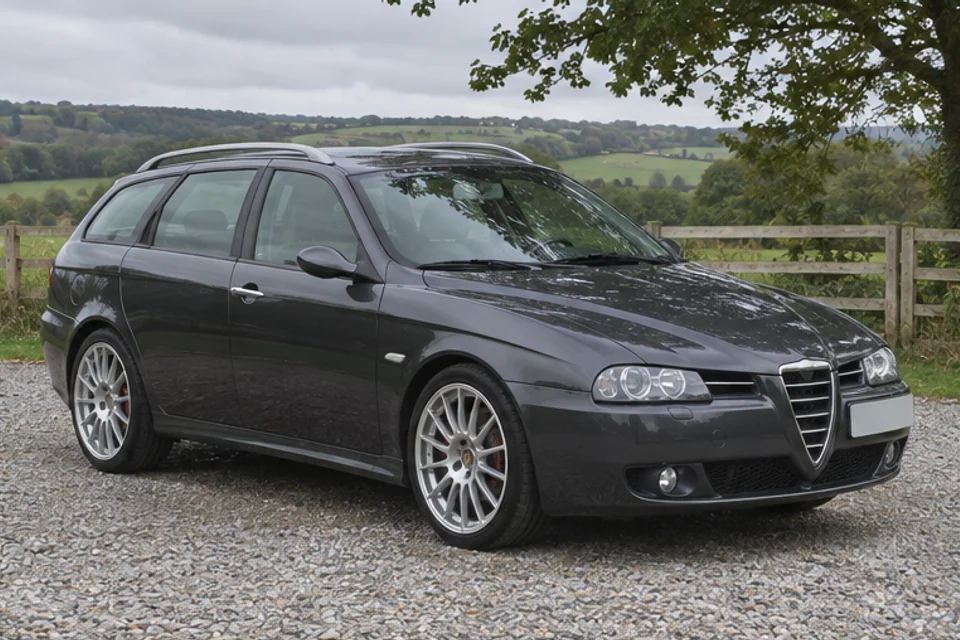
Sportwagon
SPAX lists RSX737 for Sportwagon applications. Identify the original rear dampers and whether Nivomat self-levelling equipment is still fitted. Explain the normal passenger and luggage load; a wagon title alone does not confirm the parts or work needed to replace that system.
See the listed Sportwagon kit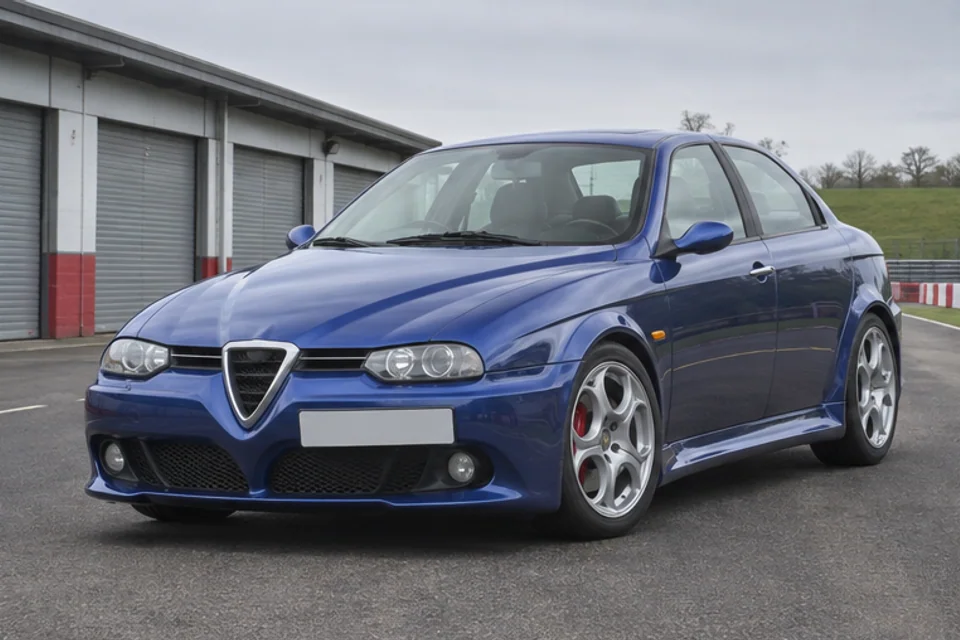
GTA saloon and GTA Sportwagon
RSX737 is also named for the 3.2 GTA in both body styles. Give the actual GTA specification, brake package and wheel dimensions when checking it. Its revised factory suspension and body attachments need their own fitting assessment; a generic 156 kit name does not settle those details.
See the SPAX GTA application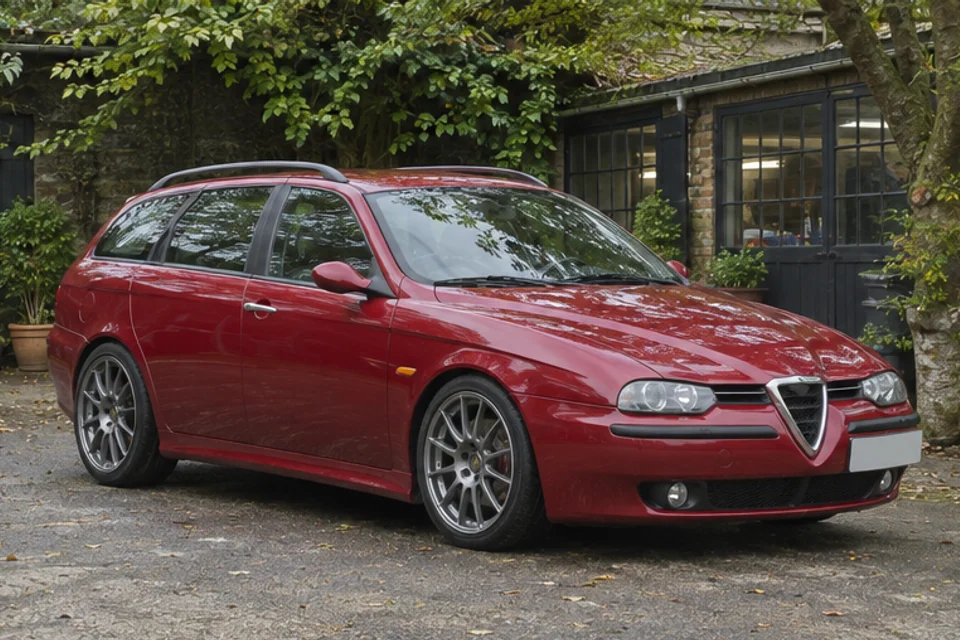
Nivomat, Q4 and an uncertain previous setup
If the wagon self-levels, wears a Q4 badge or has unidentified rear hardware, have the setup checked first. The current FWD BC row and ordinary SPAX body descriptions do not confirm a Q4 application or a Nivomat conversion. Supply photographs and the fitted part numbers before choosing.
Check my rear suspensionWhat do you want
from the car?
Road miles, circuit weekends or a car built around the lap. Start with how you drive.
Set the stance around the roads you drive.
Read the buying advice
BC Racing ZR-02 BR RS is the named saloon example. The current configuration lists rubber mounts with height and damping adjustment. Discuss its supplied spring specification and mounting parts after checking the existing wishbones and rear links. Leave enough travel for dips, passengers and the tyres you actually use.
- Inspect existing suspension play
- Agree the spring and mounting specification
- Preserve tyre clearance and usable travel
Plan around the GTA’s brakes and tyres.
Read the buying advice
The SPAX RSX737 example names the GTA application and has single-adjustable damping. Its catalogue gives 35 to 65 mm lowering at each axle. Confirm the actual body, original ride height and supplied fitting parts, then agree the running height with the fitter. A circuit session also needs the rest of the car and its tyres prepared for that use.
- Match the exact GTA and body style
- Check brake and wheel clearance
- Arrange fitting, alignment and circuit preparation
Choose the specification with the car’s builder.
Read the buying advice
A stripped 156 on different tyres needs its suspension chosen around the finished weight, mounting points and event rules. Tell the builder about changed arms, cages and brake packages. Agree the spring and damper specification before treating either current road-kit listing as part of a competition build.
- Supply the regulations and intended tyres
- Declare weight and mounting changes
- Agree the complete suspension specification
A spring around each rear damper.
The rear spring surrounds the damper on a standard Alfa Romeo 156.
Component layout only. Mounts, dimensions and adjusters vary by kit.The original 156 has an independent MacPherson-type rear suspension. Each rear strut carries its coil spring around the damper. Transverse links and a longitudinal locating arm control the wheel, while the strut’s spring seats and upper mount remain part of the assembly.
A Sportwagon with Nivomat needs an additional hardware check. Identify the dampers and any previous conversion before selecting replacement parts. GTA settings and attachments also differ from the ordinary car. Have worn mounts, seats and links assessed alongside the new kit.
Understand height and spring preload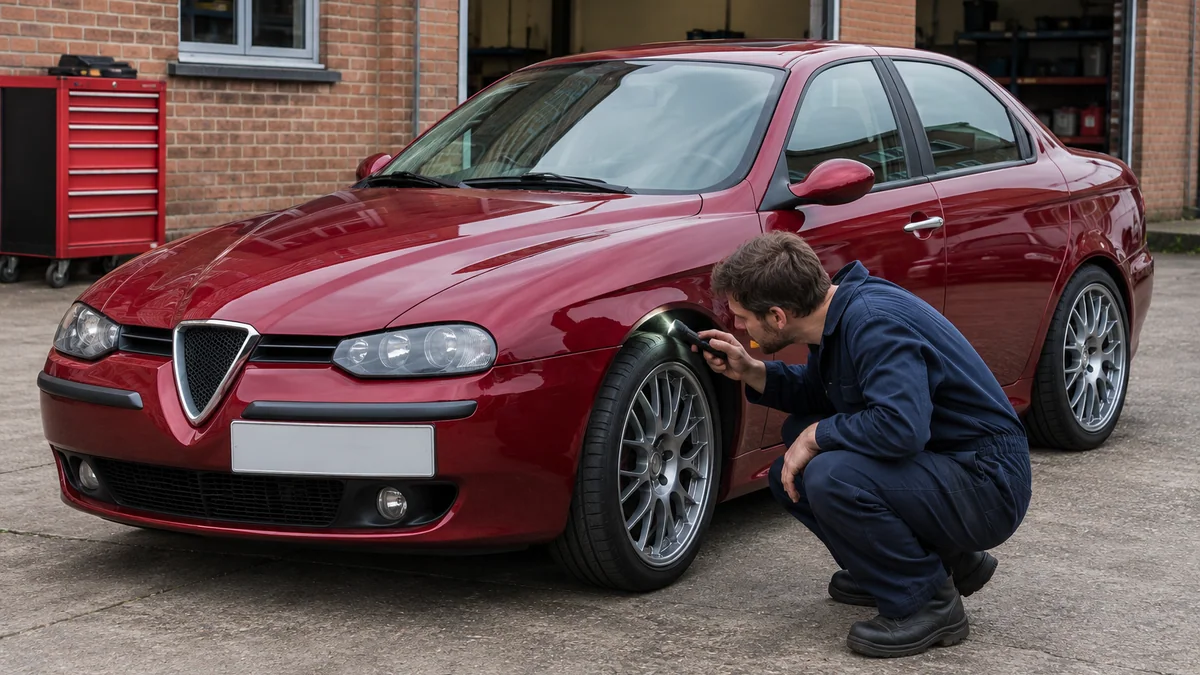
Check the clearance at the height you will use.
Give the fitter the wheel width and offset, actual tyre size, spacers and any arch work. The front wheel must clear the suspension and body as it steers and moves. At the rear, include the Sportwagon’s usual load when planning clearance and travel.
Declare a GTA brake conversion or larger callipers as well. Once the parts and running height are agreed, arrange fitting and alignment, with any rechecks the workshop requires. Keep the final measurements and settings so a later wheel change can be checked against them.
Wishbones, rear links and mounts
Ask for existing play and damaged bushes to be assessed. Replacing the dampers leaves the front wishbones, rear links and body mounting points in service. Their condition belongs in the fitting plan.
Wheel and brake changes
Wheel diameter does not establish calliper clearance. Supply width, offset, tyre dimensions and spacers, especially where GTA brakes or a different brake package have been fitted.
Sportwagon loads and Nivomat
Tell the fitter whether the wagon normally carries passengers or luggage and identify its current rear dampers. Self-levelling hardware needs an agreed replacement plan; an unknown earlier conversion needs inspection.
Original height and previous lowering
Measure the present car before choosing a drop. GTA, factory sports equipment and an older replacement kit can change the starting point. Set the final height around clearance and available suspension movement.
The current 156 range.
Compare the controls and hardware included in each range.

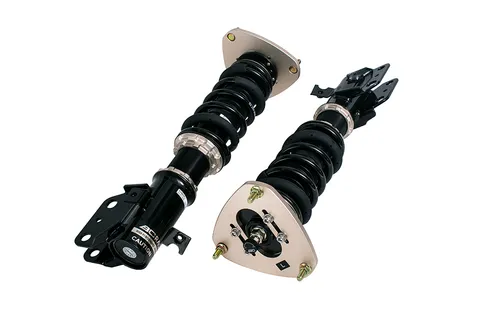
BC lists ZR-02 for the 1997 to 2007 FWD 156 type 932. The available BR RS configuration has the listed rubber mounts, height adjustment and damping control. Check the supplied spring and mounting specification against the car and the work planned by its fitter.
View BC Racing 156 kits
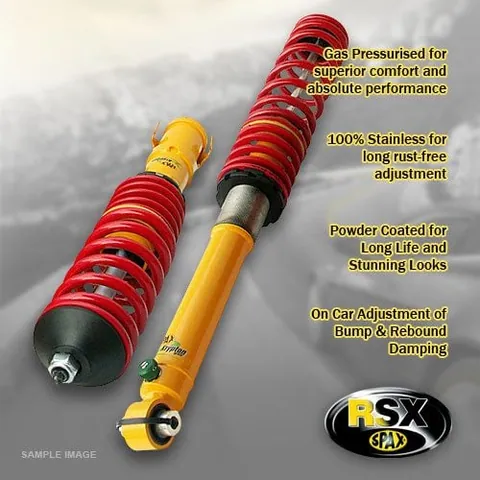
RSX737 covers the named saloon and Sportwagon applications, including GTA versions. It is the single-adjustable RSX listing with 35 to 65 mm catalogue ranges at both axles. Match the engine and body, and confirm the original suspension and supplied contents before ordering.
View SPAX 156 kitsFind your 156 coilovers.
Prices include UK VAT. Choose an application and brand, then open a kit for its current options and availability.
2 listings
Match the engine, body style and axle-load limits on the product page before ordering.
SPAX · RSX737
SPAX RSX Coilover Kit for Alfa Romeo applications - RSX737
Saloon / Sportwagon / GTA saloon and GTA Sportwagon
BC Racing · BCR-ZR-02
BC Racing Coilovers - Alfa Romeo 156 (97-07) [932]
Saloon
Before you order.
Identify your car
Identify the type 932, engine, body, drivetrain and original rear suspension.
Match the kit
Match the exact kit reference to the engine, body and drivetrain application.
Check what’s included
Confirm the supplied springs, mounts and fitting parts, including any work needed for existing self-levelling hardware.
Check your modifications
Check wheel, brake and body clearance with the expected passenger or luggage load.
Plan fitting
Agree running height, fitting, alignment and the workshop’s rechecks.
See what the adjustments do.
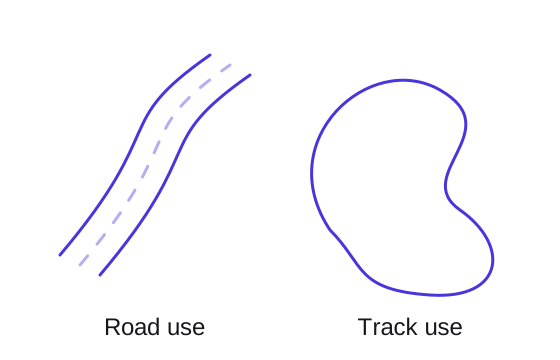
Choosing coilovers for road and track
Compare the kit against your roads, tyres and setup plans before counting adjusters.
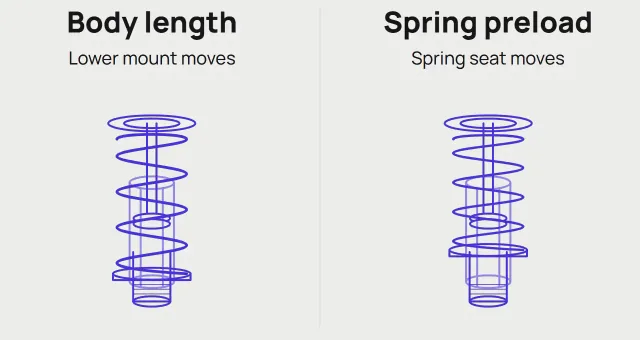
Ride height and spring preload
Understand the two adjustments before choosing a lowering range.
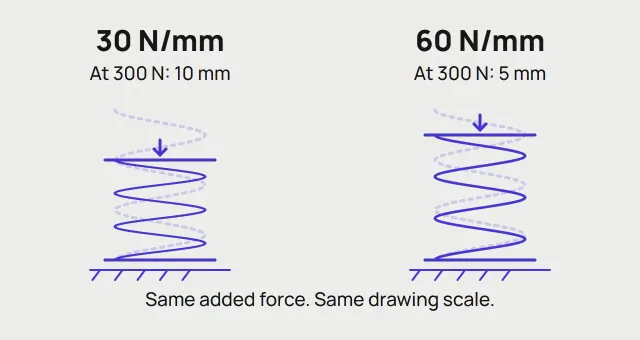
What spring rate tells you
Compare force and movement, read the units and choose a spring with the damper in mind.
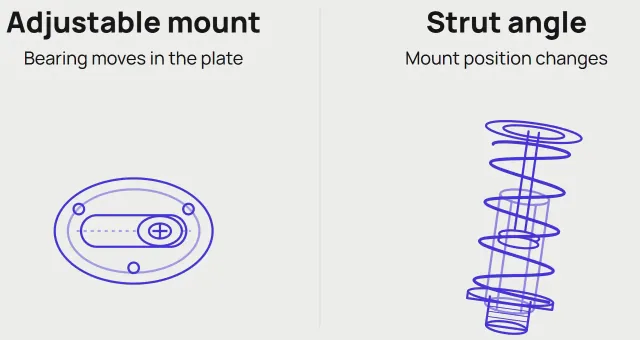
Spring rates and top mounts
Read the front/rear figures and check which mounts come with your kit.
Questions about Alfa Romeo 156 coilovers.
Check the details before choosing your kit.
Does this guide cover both the 156 saloon and Sportwagon?
Yes, with separate body and original-suspension checks. The current SPAX listing names both bodies. BC’s broad FWD 156 row still needs matching to the actual car and supplied kit; a family name is not exact fitting approval.
What if my Sportwagon has Nivomat self-levelling suspension?
Identify the fitted rear dampers before ordering. Alfa offered Nivomat on the Sportwagon, and replacing that system needs an agreed parts and fitting plan. The current kit titles do not establish what conversion parts, if any, are supplied.
Are the standard 156 rear springs separate from the dampers?
The original rear strut has its coil spring around the damper. The rear wheels use independent MacPherson-type suspension with locating links. Check the exact car’s mounts, spring seats and current dampers, particularly on a self-levelling Sportwagon.
Does a normal 156 application automatically include my GTA?
Check the GTA explicitly. Alfa revised its settings and attachment details. SPAX RSX737 names GTA applications, but the exact body, brake package, wheels and fitting contents still need confirming against the car.
Can I use these FWD listings for a Sportwagon Q4 or Crosswagon?
Do not select them from the 156 name alone. Q4 is an all-wheel-drive application and the Crosswagon also has a different ride-height specification. Have the exact Q4 kit and mounting requirements confirmed separately.
Is the SPAX lowering figure an extra drop from my present height?
Measure the present setup first. The 35 to 65 mm figures are catalogue application ranges. Factory suspension, worn or replacement parts, wheel clearance and usable travel affect the final setting; a used car may already sit below its original height.
What else should I budget for when fitting coilovers?
Allow the workshop to inspect worn suspension parts and check wheel and brake clearance. Agree fitting, alignment and any rechecks once the running height is set. A kit price does not include that work unless it is separately specified.
Will the registration finder identify every suspension modification?
The finder helps identify the vehicle. Tell us separately about Nivomat, a previous conversion, wheels, brakes and changed mounting parts. The registration result alone cannot confirm exact kit fitment or the car’s present suspension.
Let’s talk suspension.
Find your 156, then tell us its body, engine and current rear suspension. Add wheel dimensions and any brake or suspension changes so we can discuss the right kit and fitting plan.