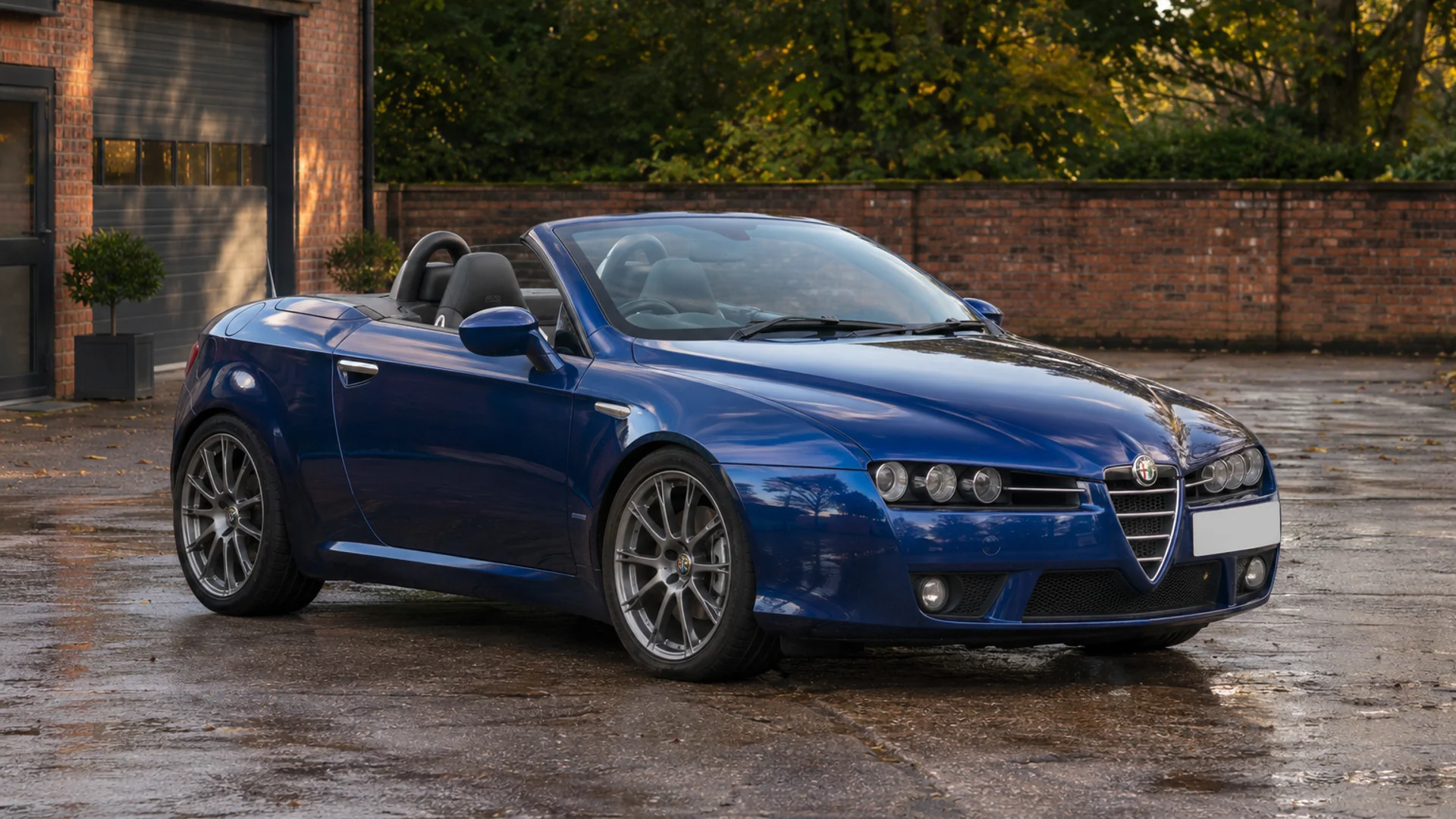
Alfa Romeo Spider 939.
The coilover guide.
Shop the coiloversGive the Spider’s broad rear arches a tidy stance while keeping room for real roads. Match the engine and driven wheels before choosing the suspension or setting the height.
Pininfarina’s open-top take on the Brera shape.
A roof-down Spider looks good on a carefully chosen set of wheels. The useful height is the one that clears your driveway, leaves the tyres room to move and works on the roads you enjoy. Measure what is on the car now before deciding how far to lower it.
This is the 939-generation two-seater with the Brera-style nose and fabric roof. Keep the older 916 Spider separate when looking up parts. Within the 939 range, a 2.2 JTS and a V6 Q4 can share a listed part number while still needing their own engine, build and axle-load checks.
The 939 Spider appeared at Geneva in 2006 and went on sale in the UK in February 2007. Pininfarina developed it with Alfa Romeo Centro Stile from the Giugiaro-designed Brera. The long bonnet and six front lamps stayed, with a two-seat cabin, individual rollover hoops and a fabric roof folding beneath the rear deck.
UK launch choices included the 2.2 JTS, 3.2 JTS V6 Q4 and 2.4 JTDM. Later cars need a closer look at their specification: Alfa’s 2010 German range listed a front-wheel-drive V6 as well as Q4, alongside TBi and diesel versions. Give the fitter the driven wheels and exact engine, especially with an imported car.
The front suspension uses high double wishbones and the rear is independent multilink. New dampers cannot take up wear in the arms or bushes that locate the wheels. For a road Spider, assessing those parts and choosing tyres with the wheel package belongs in the same discussion as the new ride height.
Model history: Alfa Romeo Spider UK launch, February 2007Alfa Spider at the London show, July 2006Official Brera and Spider specifications, March 2010Factory-origin Brera and Spider suspension manual, retained mirror.
Start with your Spider 939.
Confirm the chassis, year and existing suspension before choosing your setup.
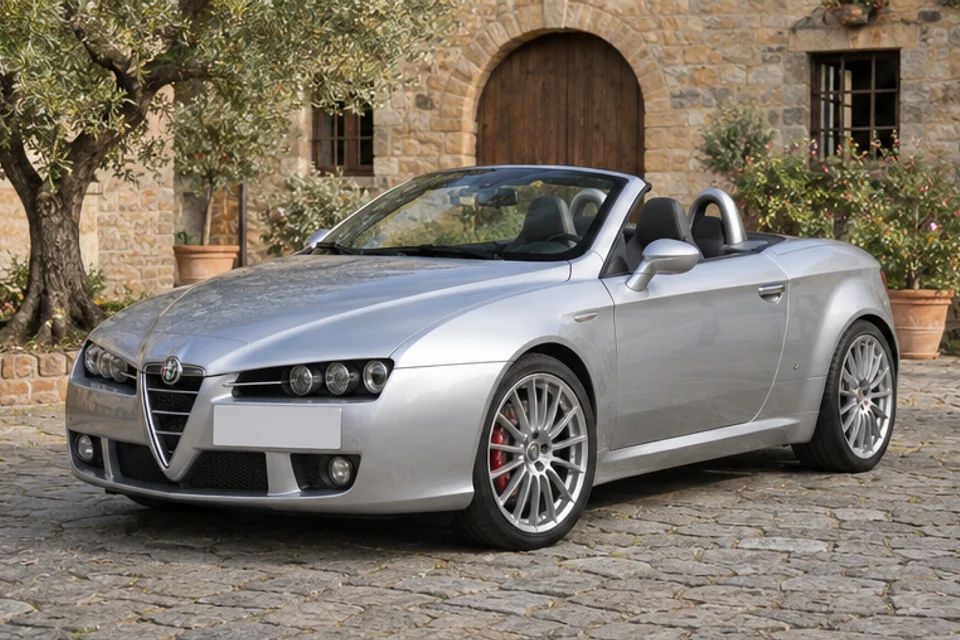
2.2 JTS
Eibach’s Spider 939 application names the 2.2 JTS against PSS65-10-005-02-22. Confirm the build details, permitted axle loads and current component certificate. Keep the Spider body in the enquiry: the neighbouring Brera 2.2 JTS uses a different listed number.
Find the Spider 2.2 JTS kit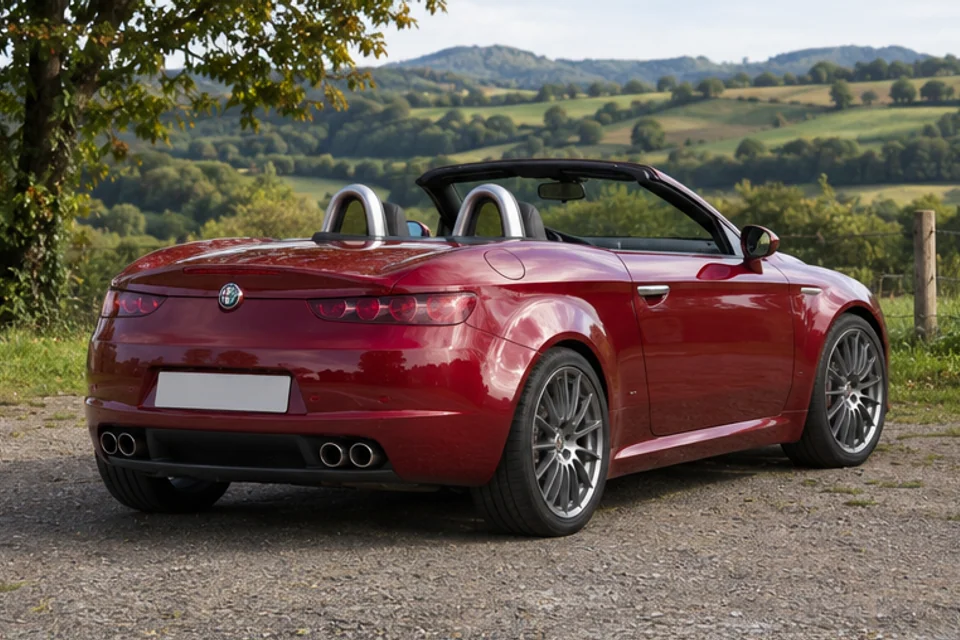
3.2 JTS Q4
The same 02 kit is named for the Spider 3.2 JTS Q4. Confirm that your car has four-wheel drive and match the certificate to its build and axle loads. Later front-wheel-drive V6 cars need their own application checked; a V6 badge alone does not establish Q4 fitment.
See the listed Q4 example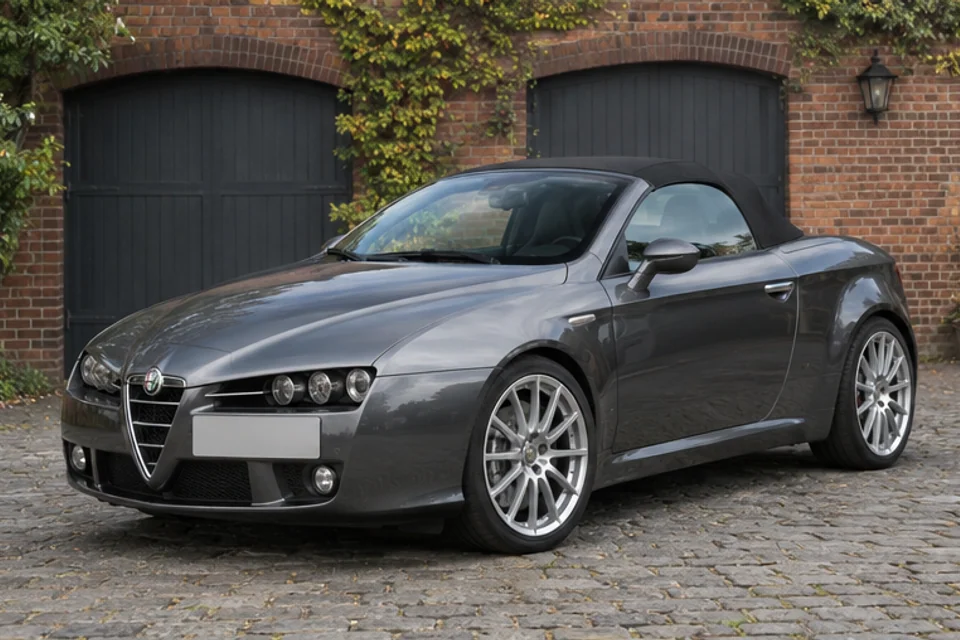
TBi, diesels and other V6 versions
The current Pro-Street S listing also names TBi, diesel and other 3.2 JTS Spider applications. Send the engine, build date, driven wheels and plate details so the exact certificate can be checked for your car.
Check my engine and application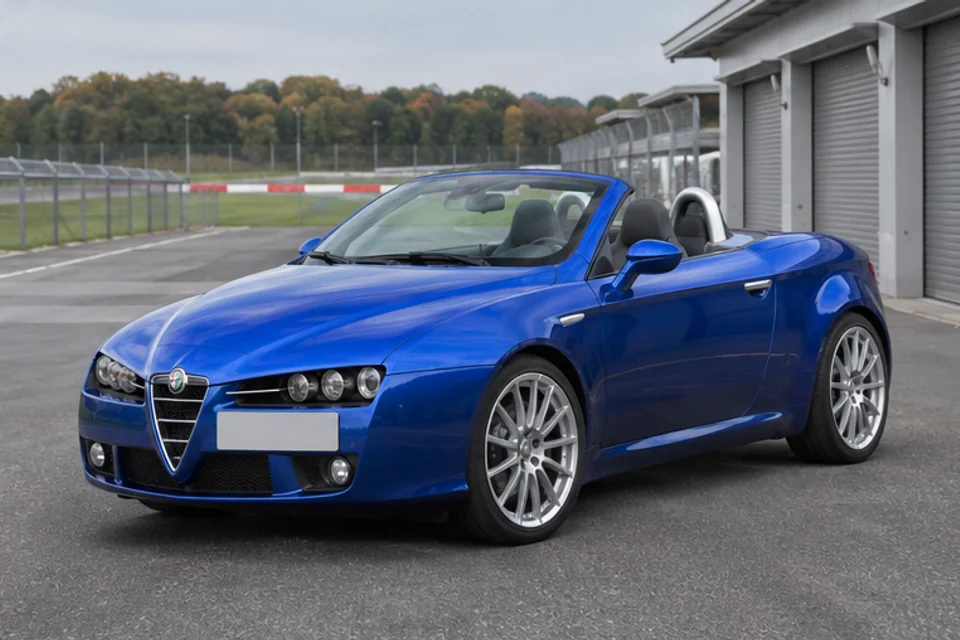
Previously lowered or modified
Give us the fitted spring and damper numbers, wheel widths and offsets, tyre sizes and any spacers. Changes to brakes or suspension arms also belong in the enquiry. The standard-car application needs reviewing against the hardware actually fitted.
Discuss my modified SpiderWhat do you want
from the car?
Road miles, circuit weekends or a car built around the lap. Start with how you drive.
Set the height around your routes and wheels.
Read the buying advice
The Eibach Pro-Street S 02 kit is the named example for the matching 2.2 JTS or 3.2 JTS Q4 Spider. Have the application and existing mounts checked before choosing a height within the approved range. Tell the fitter about rough roads, access ramps and previous lowering so the starting measurement is clear.
- Match the exact Spider certificate
- Assess existing mounts and bushes
- Check clearance at the intended height
Check the event and the whole-car specification.
Read the buying advice
Ask the organiser about its convertible requirements before booking. Then discuss the intended tyres, brake preparation and suspension with the workshop. The road kit’s application does not confirm that its specification suits your circuit use, or that the factory rollover hoops meet a particular event’s rules.
- Check the organiser’s convertible rules
- Declare tyres and brake changes
- Agree the suspension specification
Start with the regulations and the builder.
Read the buying advice
A competition build needs the event rules, finished weight and intended tyres before the spring and damper package is chosen. Tell the builder about structural, mounting and suspension changes. Roof position or the presence of factory hoops cannot establish competition eligibility.
- Provide the event regulations
- Describe the complete proposed build
- Agree mounting and damping requirements
A spring-around-damper unit within a multilink rear.
The rear spring surrounds the damper on a standard Alfa Romeo Spider 939.
Component layout only. Mounts, dimensions and adjusters vary by kit.The Spider 939’s original rear coil spring surrounds its damper. That combined unit works with the independent rear links, which locate the wheel as the suspension moves.
Have the links, bushes and upper mounting parts assessed while the suspension is being inspected. Match the replacement kit to the engine and drivetrain, then use its own instructions to confirm the adjustment method and fitting hardware.
Understand height and spring preload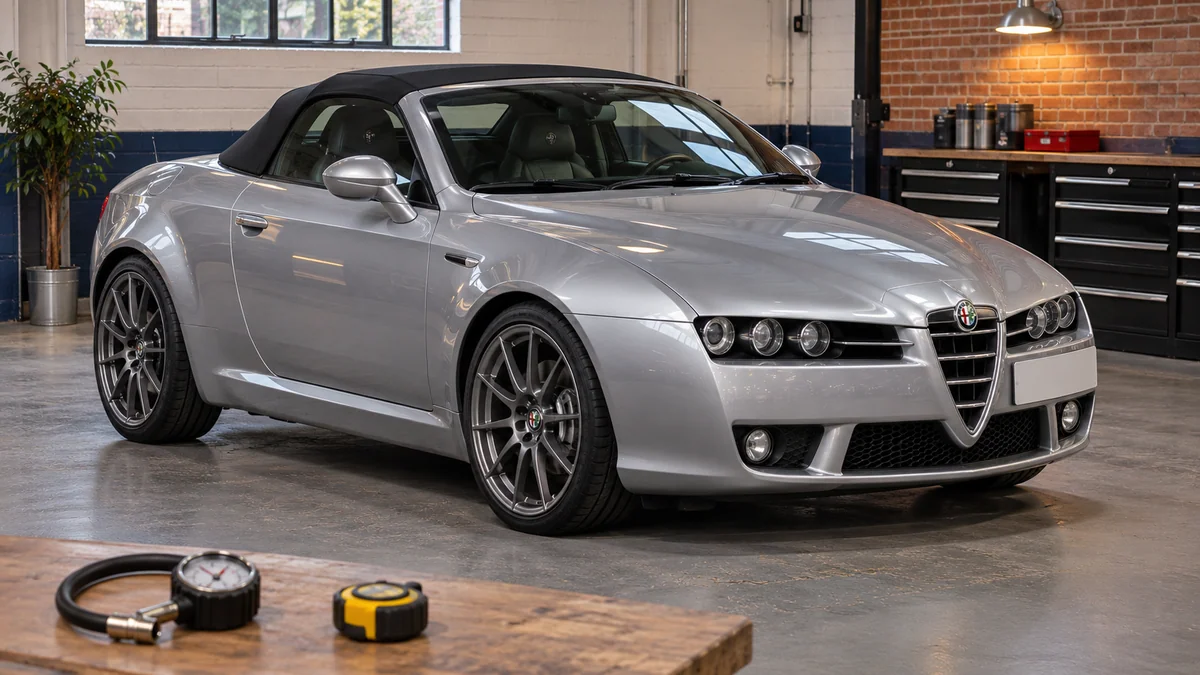
Bring the wheel specification to the fitting discussion.
Wheel width, offset and tyre size change the space inside the arches. Include any spacers when the workshop checks clearance through steering and suspension movement. A parked wheel gap does not show what happens with passengers aboard or when the car meets a bump.
Record the current hub-to-arch measurements and any earlier suspension work. Agree a usable running height, check the condition of the existing mounting parts and arrange alignment after fitting. Keep the final measurements with the wheel details for future changes.
Wheels and arch clearance
Give the fitter the wheel width, offset, tyre size and spacer thickness. Check the inner clearance as well as the visible outer arch through steering and suspension movement.
Wishbones, links and bushes
Ask for existing play and worn mounting parts to be assessed before the new suspension goes on. The front wishbones and rear links still control wheel position after the dampers are replaced.
Previous lowering work
Identify the springs and dampers already fitted. Quoted lowering is referenced to the manufacturer’s starting specification; it is not necessarily an extra drop from where your Spider sits today.
Circuit and brake preparation
Include brake, tyre and suspension changes in the specification discussion. For circuit use, check the organiser’s convertible requirements separately from the kit’s road-car application.
The current Spider 939 range.
See the controls and hardware in the listed kit.

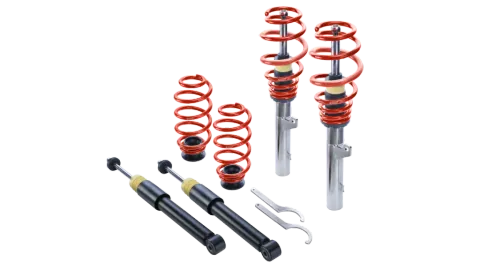
The current Pro-Street S 02 listing includes Spider 939 applications, with 2.2 JTS and 3.2 JTS Q4 named in Eibach’s application table. Its stated range is 25 to 55 mm at each axle. Check the current certificate, permitted axle loads and original equipment, including the exclusion of levelling control and any additional OE fitting parts.
View Eibach Spider 939 kitsFind your Spider 939 coilovers.
Prices include UK VAT. Choose an application and brand, then open a kit for its current options and availability.
1 listing
Match the engine, body style and axle-load limits on the product page before ordering.
Eibach · PSS65-10-005-02-22
Eibach Pro-Street S Coilover Kit for Alfa Romeo applications - PSS65-10-005-02-22
2.2 JTS / 3.2 JTS Q4
All Spider 939 kit links and part numbers
Before you order.
Identify your car
Identify the Spider 939’s engine, build details and FWD or Q4 drivetrain.
Match the kit
Match the exact Spider application, permitted axle loads and current component certificate.
Check what’s included
Check the supplied hardware and any OE mounting parts needed for this kit.
Check your modifications
Check wheel and tyre clearance, spacers, previous lowering and other modifications.
Plan fitting
Plan the running height, fitting inspection and alignment with the workshop.
See what the adjustments do.
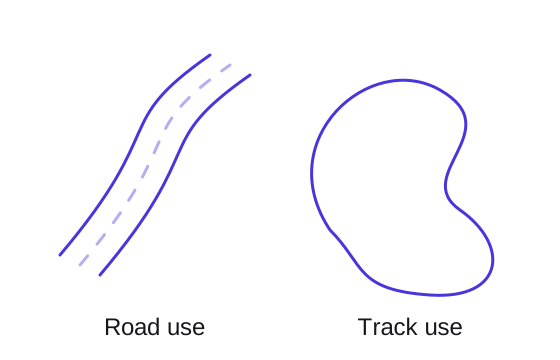
Choosing coilovers for road and track
Compare the kit against your roads, tyres and setup plans before counting adjusters.
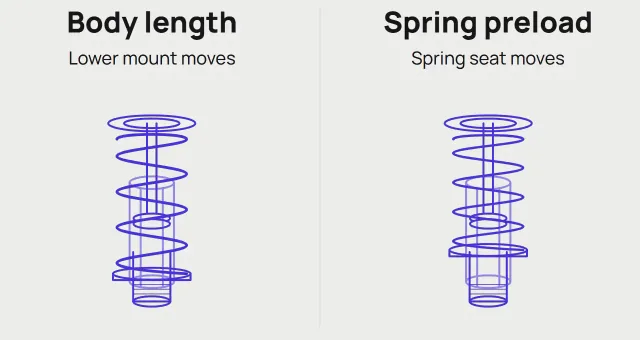
Ride height and spring preload
Understand the two adjustments before choosing a lowering range.
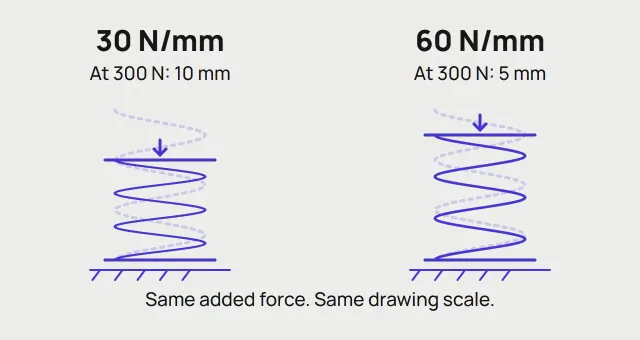
What spring rate tells you
Compare force and movement, read the units and choose a spring with the damper in mind.
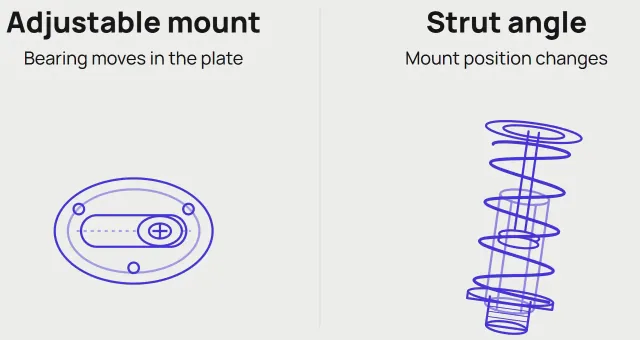
Spring rates and top mounts
Read the front/rear figures and check which mounts come with your kit.
Questions about Alfa Romeo Spider 939 coilovers.
Check the details before choosing your kit.
Is this the same suspension application as an older 916 Spider?
No. This guide covers the 939 Spider with the Brera-style front and folding fabric roof, introduced in 2006. The earlier 916 Spider is a different generation and needs its own stated suspension application.
Which Eibach kit is listed for the Spider 2.2 JTS and 3.2 JTS Q4?
PSS65-10-005-02-22 is the named example for those Spider 939 applications. Match the current certificate to the exact engine, build details, driven wheels and permitted axle loads. Do not substitute the Brera 2.2 JTS part number because the cars share a model-code family.
Does the Spider 939 have separate rear springs and dampers?
The original rear spring surrounds its damper in a combined unit. The wheel is located by an independent multilink suspension. Check the replacement kit’s instructions for its adjustment method and required mounting parts.
Are all Spider 939 V6 models Q4?
Check the actual car. The UK launch V6 was Q4, but Alfa’s later German range also listed a front-wheel-drive 3.2 JTS. The engine badge alone cannot confirm driven wheels or the correct suspension application.
What about TBi and diesel Spider versions?
The current listing includes additional engines, but each needs its exact application and certificate checked. Provide the engine, build date, driven wheels, permitted axle loads and existing equipment before choosing the kit.
Will the quoted lowering be an extra drop from my current height?
Measure the car first and identify the suspension already fitted. Factory lowering or previous changes alter the starting point. The final usable height must also leave enough tyre clearance and suspension movement within the kit’s permitted range.
Can I use the factory rollover hoops for a track day?
Ask the event organiser about its convertible requirements. The presence of factory hoops or a closed fabric roof does not establish eligibility for an individual event. Discuss the car’s preparation and suspension specification with the workshop separately.
Does the registration finder confirm my wheel and suspension changes?
It helps identify the vehicle. Tell us separately about wheels, spacers, brakes, previous lowering and altered suspension hardware. Those details still need checking against the exact kit and its fitting conditions.
Let’s talk suspension.
Find your Spider, then add the engine, driven wheels and current suspension details. Include the wheel specification and earlier changes so we can discuss the matching application and fitting work.