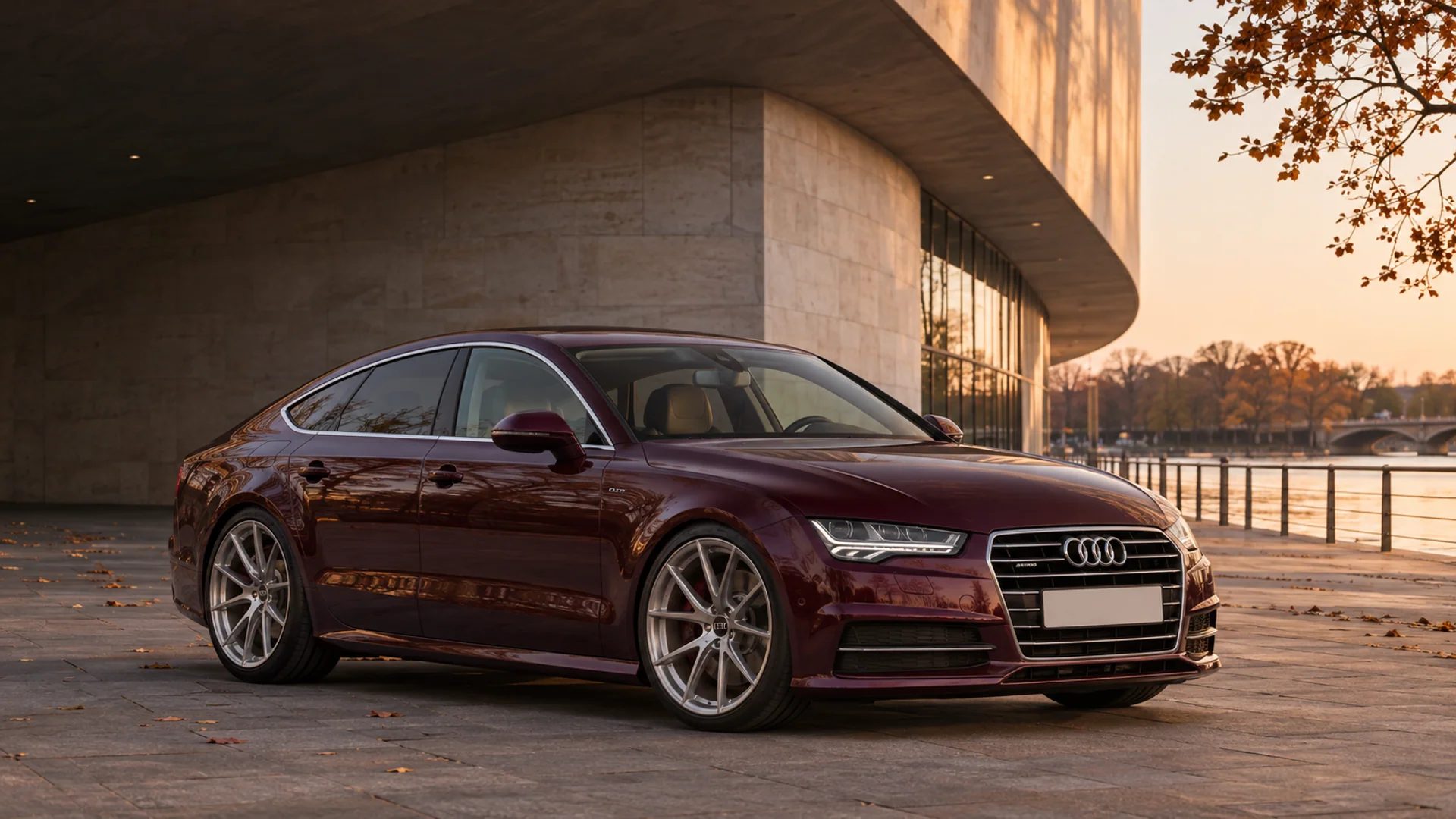
Audi A7 C7 / 4G.
The coilover guide.
Shop the coiloversGive the A7 a useful stance on its new wheels. Match the first-generation Sportback, driven wheels and original suspension before comparing the current BC Racing and Eibach references.
The original A7 Sportback
The A7’s long roofline needs little help from a modest drop and a well-chosen set of wheels. Decide how the car will travel with its usual passengers and luggage before choosing the height.
Check what is underneath this particular car. Steel springs, adaptive air and previous conversions need different discussions; an Audi drive select menu alone does not identify the fitted suspension.
Audi introduced the first A7 Sportback in July 2010. Its frameless doors, long sloping rear window and broad hatch gave it a different outline from the contemporary A6 saloon. The rear quarter glass was a deliberate reference to the earlier Audi 100 Coupé S.
The low roof did not mean a separate saloon boot. The large rear hatch opened with the glass, making the A7 useful for luggage as well as long journeys. The cabin paired conventional instruments and physical controls with MMI, with a touchpad among the options described at launch.
The May 2014 update changed the grille, bumpers and lighting. Audi’s release described LED headlights and optional Matrix LED, alongside changes to engines, transmissions and infotainment. Check the build details rather than deciding the generation or kit from replacement lamps and cosmetic parts.
Wheels and a measured reduction in arch gap can emphasise that fastback shape. On an older example, include an inspection of the links, bushes, mounts and previous modifications in the plan. Good-looking ride height still needs enough movement for the roads and load the car actually sees.
Start with your A7 C7 / 4G.
Match the model year, engine and body style before comparing brands.
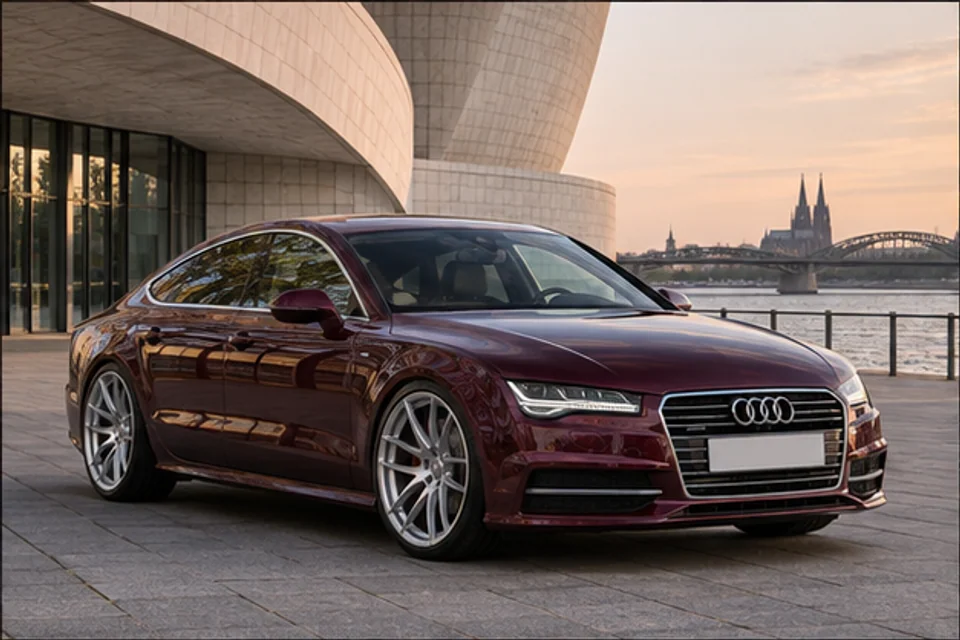
Front-wheel-drive Sportback
BC S-58 names the 2010–18 A7/type4G in FWD and AWD form. Eibach -011-04-22 also lists named FWD engines in its A7 Sportback row. Match the full engine, original suspension and application conditions; a shared badge or registration year is not enough.
Compare the FWD references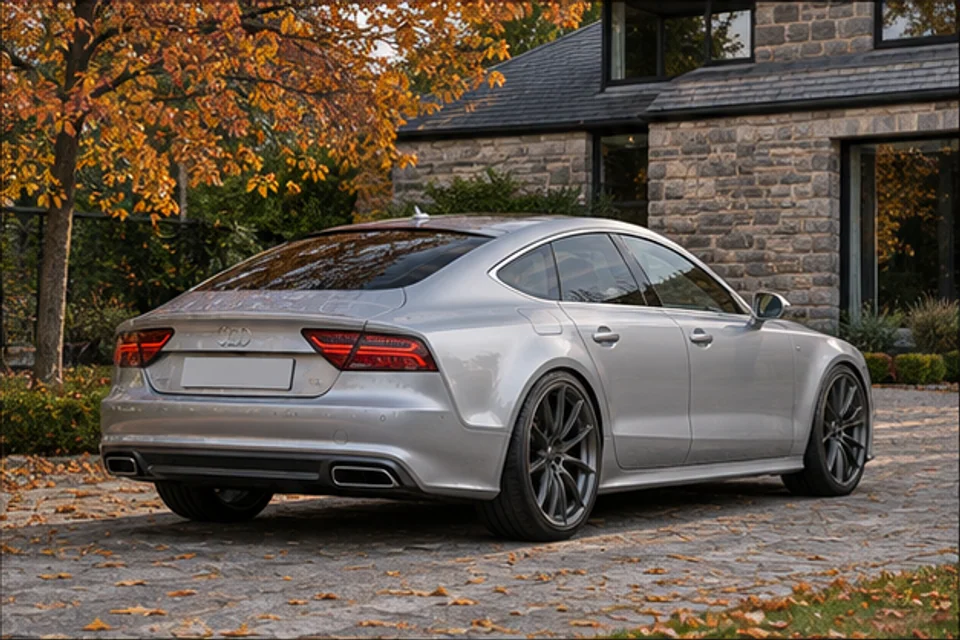
Quattro Sportback applications
The S-58 manufacturer row includes AWD. Eibach’s A7 row names specific quattro engines and maximum loads of 1295 kg front and 1340 kg rear. Check the full reference and original equipment before treating a kit as the right replacement.
See the quattro references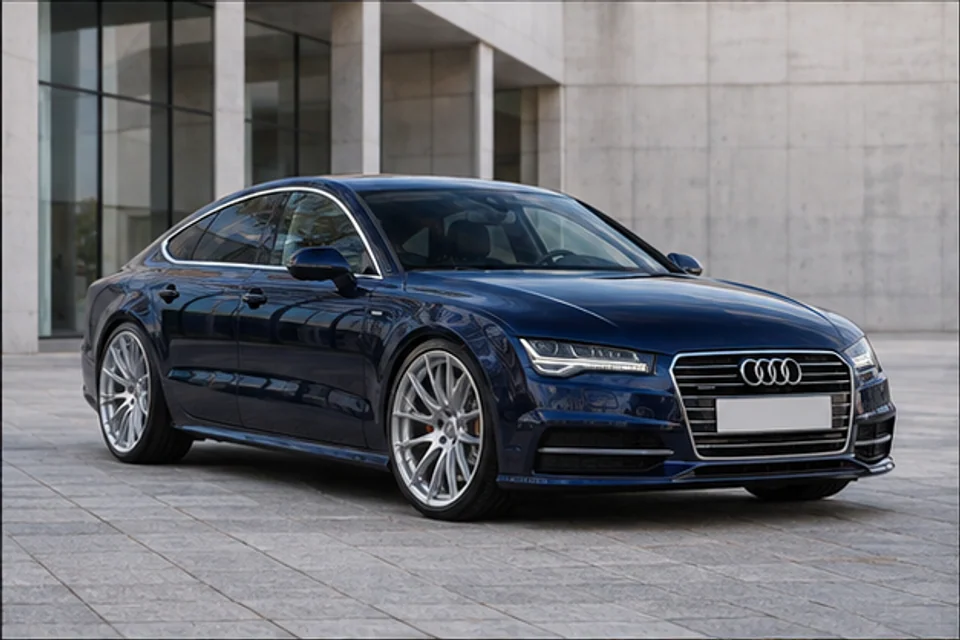
Engine and permitted axle loads
For Eibach PSS65-15-011-04-22, use the A7 row: 1295 kg front, 1340 kg rear, with 35–60 mm front and 30–55 mm rear lowering. The same product also lists an A4 Avant with different limits and figures. Keep the A7 engine and component-document checks with its own row.
Check the A7 Eibach reference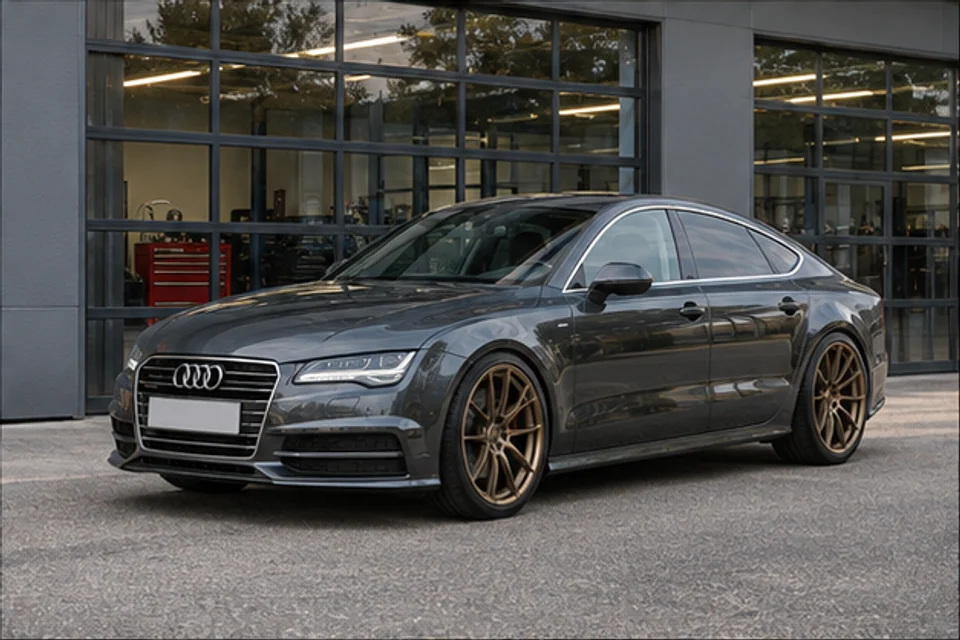
Air, damping control and earlier conversions
Identify the springs, dampers and suspension codes already fitted. Eibach specifies no levelling control and says original electronic damping will no longer be available. A warning-cancellation recommendation is not an included device or approval to replace an air system.
Check my original suspension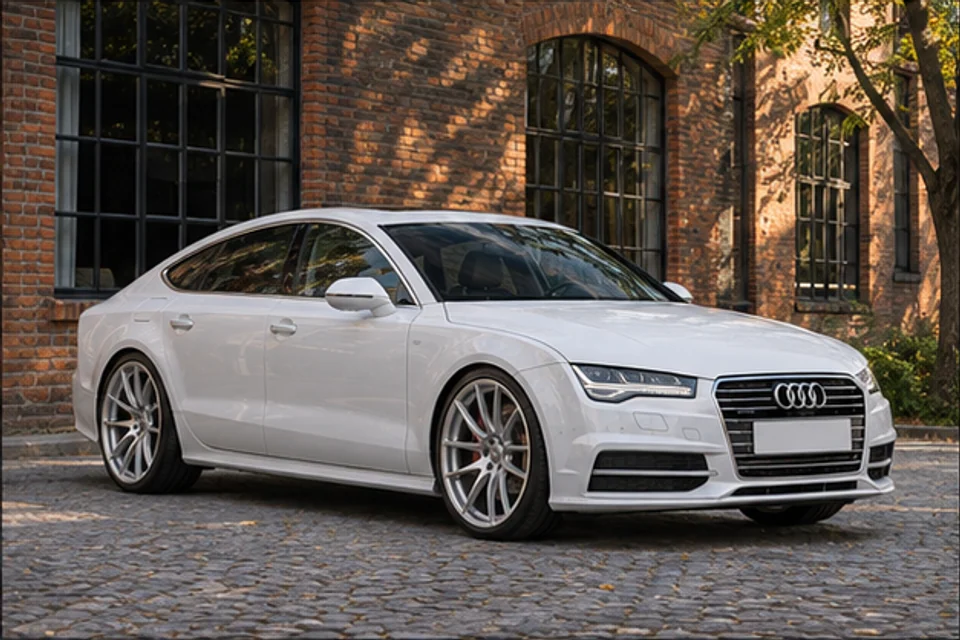
S7, RS7 and other generations
These references name the regular first-generation A7 Sportback. An S7, RS7, later type4K A7 or a changed car needs its own exact application check. A grille, wheel design or shared platform cannot establish the required suspension parts.
Check my exact A7 version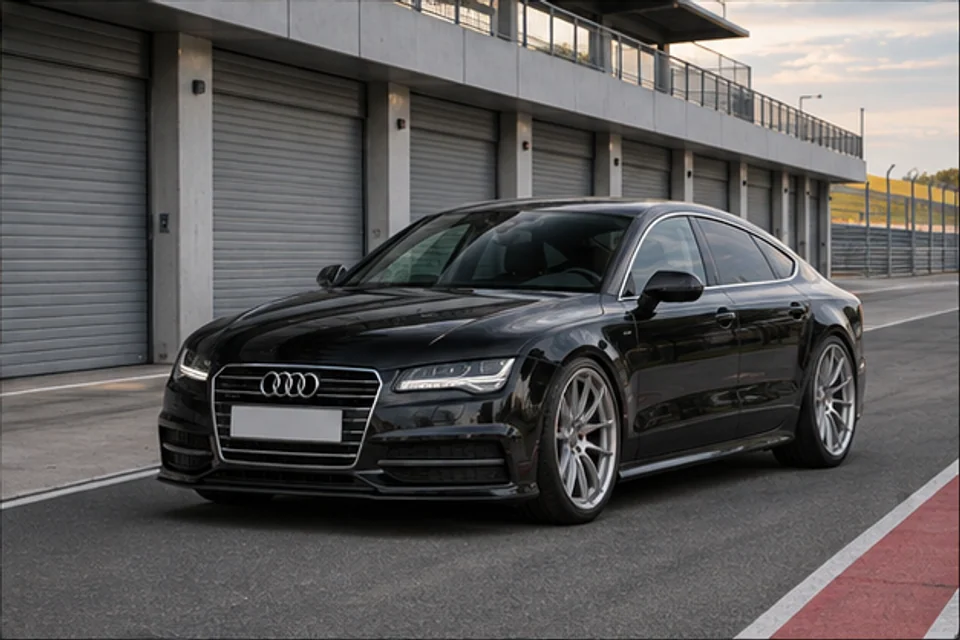
Modified cars and circuit plans
Bring the wheel, tyre, spacer and brake details, plus any earlier suspension conversion. For circuit use, include the intended events and measured vehicle weight. Agree the hardware and setup work around the completed build before ordering.
Discuss my A7 projectWhat do you want
from the car?
Road miles, circuit weekends or a car built around the lap. Start with how you drive.
Choose a height that works with passengers, luggage and normal roads.
Read the buying advice
BC Racing BR-RN S-58 is the listed 2010–18 A7/type4G FWD/AWD reference. Its current RN configuration records no front top mount supplied, rubber rear mounting and nominal 10 kg/mm front, 5 kg/mm rear springs. Confirm the original equipment and exact supplied mounting parts before fitting.
- Confirm the exact A7 application
- Plan the required mounting parts
- Keep clearance with the normal load
Specify the kit around the tyres and the events you intend to drive.
Read the buying advice
Tell the people preparing the car about its road mileage, tyre compound, brakes and planned circuit days. Include the driven wheels, current suspension and any conversions. Agree spring, damping and mounting requirements with them, then allow for measured setup and a follow-up inspection.
- Describe the tyres and events
- Check suspension movement and clearance
- Agree setup and follow-up work
Start with the completed car’s specification and preparation plan.
Read the buying advice
Supply measured weight, tyres, brakes and mounting changes. Record earlier air or electronic-damper replacements, and agree how the car will be inspected and set up for its events. Agree the springs, dampers and mounting parts with the people preparing that build.
- Measure the completed car
- Agree springs, dampers and mounts
- Plan inspection for the intended events
The A7’s separate rear spring.
On a standard Audi A7 C7 steel-spring rear suspension, the rear spring and damper are mounted separately.
Component layout only. Mounts, dimensions and adjusters vary by kit.The steel-spring first-generation A7 uses an independent trapezoidal-link rear axle. Its coil sits on its own support beside the damper. Audi’s original axle drawing shows the two components separately. Confirm the model and build details before using that layout to identify the car’s hardware.
Check the exact kit’s rear spring seats, height adjusters and mounting parts against its parts list and instructions. Factory adaptive air uses different hardware and needs its own checked replacement plan. The component diagram does not establish an air conversion or interchangeability with another Audi.
Understand height and spring preload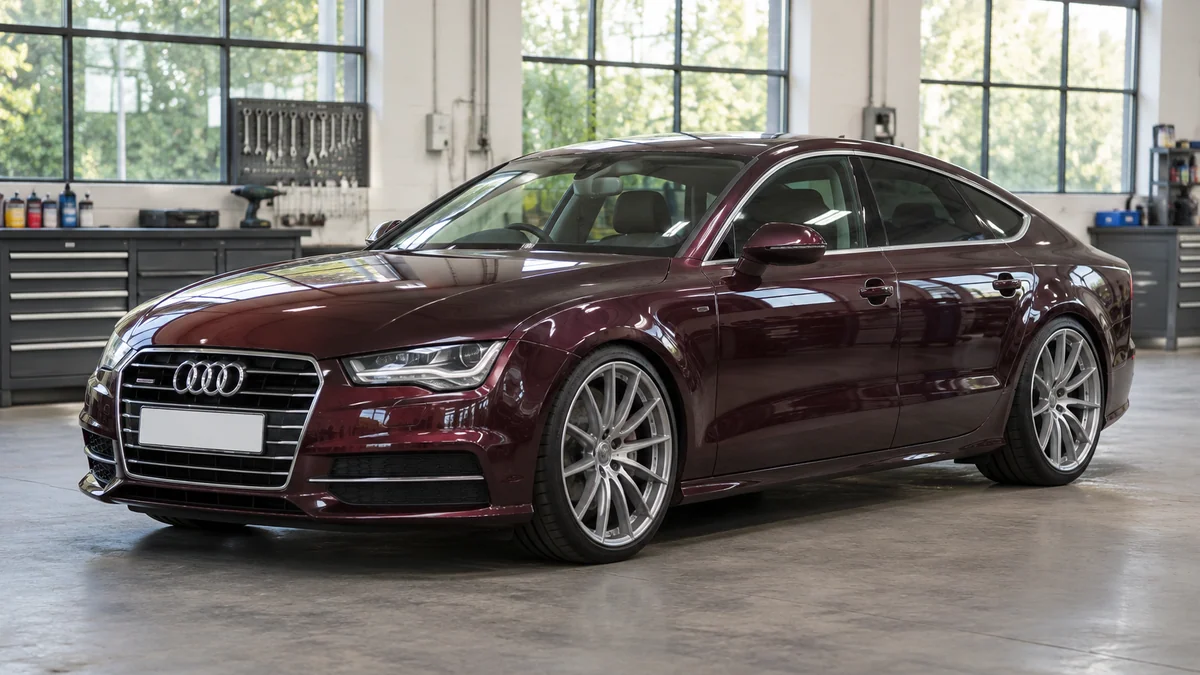
Check the original parts before ordering.
Supply the full kit reference, body, engine, driven wheels and permitted axle loads. Have the workshop identify the suspension already fitted and confirm which mounts, seats and other original parts the chosen kit needs.
Confirm current supply timing before booking fitting. Allow for inspection, installation, alignment and equipment checks, with the finished height agreed around the actual tyres, load and roads.
Inspect the existing suspension
Identify the original springs, dampers, codes and any previous conversions. Check links, bushes, mounts and spring supports before deciding what can be retained. Record any electronic control or levelling equipment.
Check the wheel package
Bring wheel width, offset, tyre size and spacer details. The Eibach notes warn that some original wheel sizes may need spacers for clearance; have that checked with the exact wheel and suspension documents rather than adding spacers by assumption.
Leave room for normal use
Check steering and suspension clearance with the passengers and luggage the car normally carries. Keep usable movement and access for the journeys you make. Set the height after those checks.
Finish the fitting and setup
Agree alignment and the required equipment checks with the fitter once the usable height is chosen. Include any affected lighting or driver-assistance checks and a follow-up inspection in the booking.
The current A7 C7 / 4G range.
Compare the controls and hardware included in each range.

The current S-58 row names A7 FWD/AWD, 2010–18, chassis 4G. Its RN configuration lists no front top mount supplied, rubber rear mounting and nominal 10/5 kg/mm springs. Check the actual suspension and supplied mounting parts; those details do not establish an air conversion or circuit specification.
View BC Racing A7 C7 / 4G kits
Pro-Street S PSS65-15-011-04-22 gives the A7 Sportback its own engine list, 1295/1340 kg load limits and 35–60 mm front, 30–55 mm rear lowering. Keep its no-levelling, clearance, additional OE-part and electronic-control conditions. Confirm the current certificate, component markings and availability.
View Eibach A7 C7 / 4G kitsFind your A7 C7 / 4G coilovers.
Prices include UK VAT. Choose an application and brand, then open a kit for its current options and availability.
2 listings
Match the engine, body style and axle-load limits on the product page before ordering.
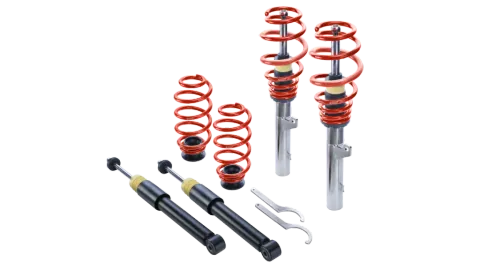
Eibach · PSS65-15-011-04-22
Eibach Pro-Street S Coilover Kit for Audi applications - PSS65-15-011-04-22
Front-wheel-drive Sportback / Quattro Sportback applications / Engine and permitted axle loads
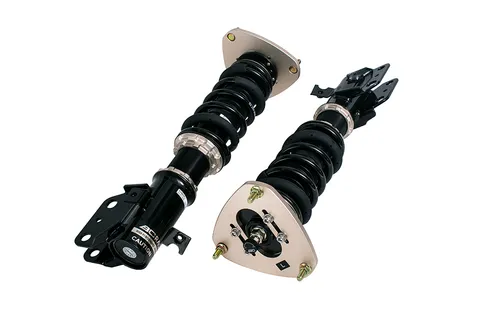
BC Racing · BCR-S-58
BC Racing Coilovers - Audi A7 (FWD/AWD) (10-18) [4G]
Front-wheel-drive Sportback / Quattro Sportback applications
Before you order.
Identify your car
Identify the first-generation Sportback, engine, build date and driven wheels. Check the full model and chassis details.
Match the kit
Match the complete kit reference and permitted axle loads. Use the A7 application row and current component documents.
Check what’s included
Confirm supplied mounts, spring seats and adjusters. Resolve levelling, electronic damping, air and previous conversions.
Check your modifications
Record wheels, tyres and spacers. Verify steering and suspension clearance with the car’s normal passengers and luggage.
Plan fitting
Confirm current supply timing before booking fitting. Agree the usable height, alignment, equipment checks and follow-up.
See what the adjustments do.
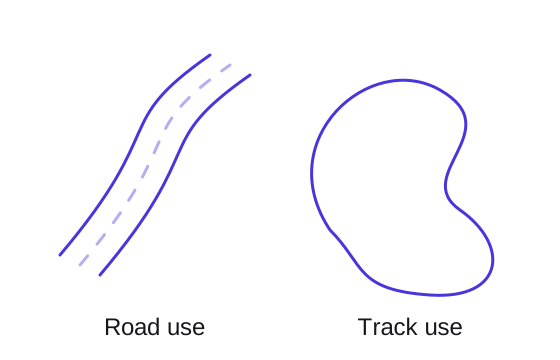
Choosing coilovers for road and track
Compare the kit against your roads, tyres and setup plans before counting adjusters.
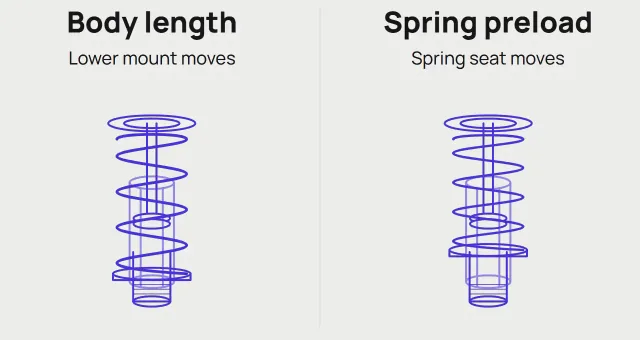
Ride height and spring preload
Understand the two adjustments before choosing a lowering range.
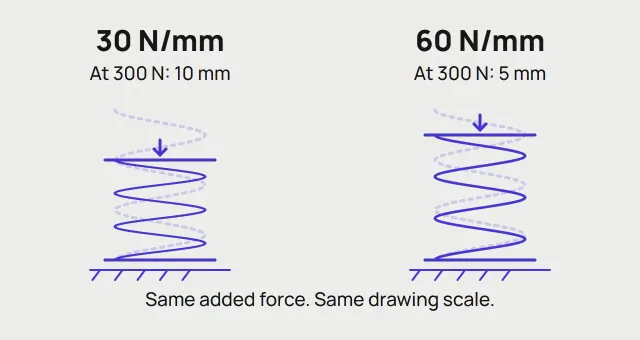
What spring rate tells you
Compare force and movement, read the units and choose a spring with the damper in mind.
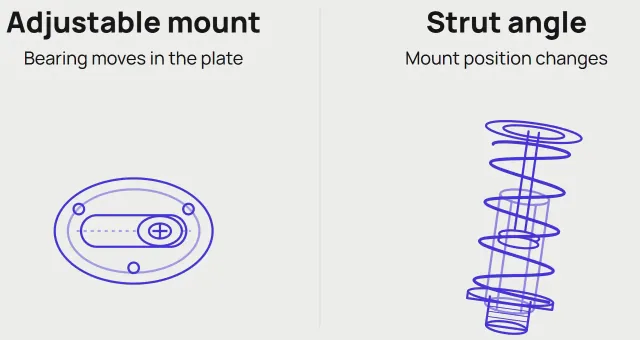
Spring rates and top mounts
Read the front/rear figures and check which mounts come with your kit.
Questions about Audi A7 C7 / 4G coilovers.
Check the details before choosing your kit.
Which A7 generation is this guide for?
The first-generation A7 Sportback, commonly identified as C7/type4G, including catalogue body codes 4GA/4GF. BC S-58 lists 2010–18; Eibach’s named A7 row lists October 2010 to May 2018. Match build and model details. A later type4K A7, S7 or RS7 needs its own exact application confirmation.
Are both front-wheel-drive and quattro A7s listed?
BC’s S-58 manufacturer row names FWD/AWD. Eibach PSS65-15-011-04-22 lists specific FWD and quattro engines in its A7 row. Check the full engine, loads and original equipment; those references do not establish universal coverage of every version.
Why does the Eibach product also mention an A4 Avant?
The same part has separate vehicle rows. For the A7, use its named engines, 1295 kg front/1340 kg rear limits and 35–60 mm front/30–55 mm rear lowering. The A4 row has different loads and lowering figures. Compare the current certificate and component markings with the exact car.
What does the current BC RN configuration include?
The S-58 listing records no front top mount supplied, rubber rear mounting and nominal 10 kg/mm front/5 kg/mm rear springs. Have the supplier or fitter confirm the full parts list and original parts needed for the exact application before ordering.
Does Audi drive select mean the car has air suspension?
No. Audi’s original training describes engine, gearbox and steering settings as part of drive select, with adaptive air among the optional systems. Identify the actual springs, dampers and suspension codes. The menu alone cannot establish the hardware fitted.
What happens to original electronic damping with the Eibach kit?
The application notes say electronic damper control will no longer be available and warn of a fault code. A possible cancellation-device recommendation is not an included module or air-conversion approval. The kit also specifies no levelling control. Have the exact replacement and equipment plan checked.
Are the first A7’s rear spring and damper separate?
Yes. The original steel-spring trapezoidal-link rear axle has a coil on its own support beside the damper. Check the replacement kit’s rear seats, adjusters and mounting parts against the full parts list. Factory adaptive air needs a separate checked plan.
Can I choose the lowest setting before checking the wheels?
Check the wheel, tyre and spacer package first, including clearance through steering and suspension movement with the normal load. Eibach warns that some original wheel sizes may need spacers. Establish the original ride height and the kit’s measurement basis before deciding the usable setting.
Let’s talk suspension.
Find your A7, then include its engine, driven wheels, axle loads and original suspension. Add the wheel package and any previous conversion so the exact application can be checked.