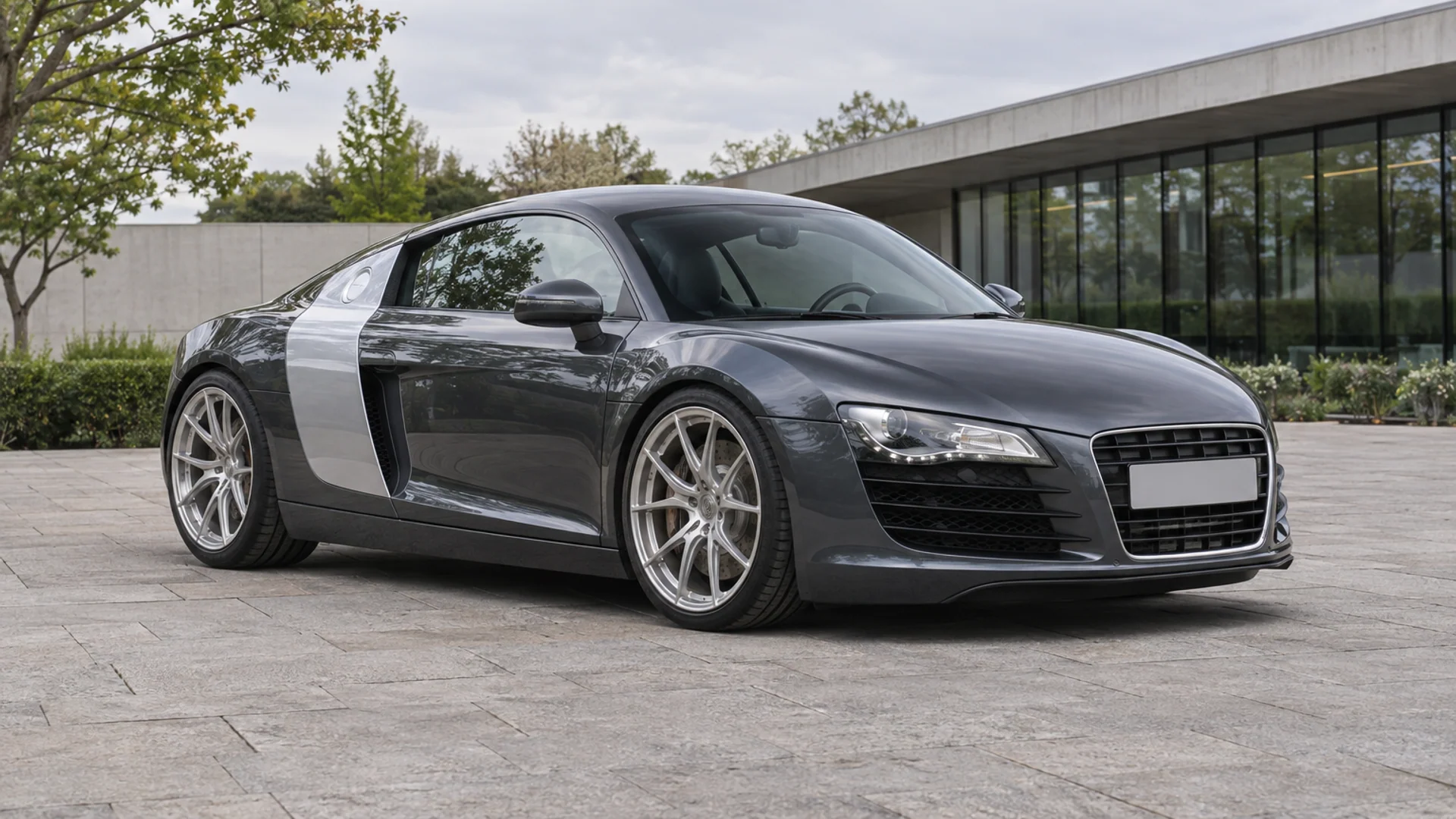
Audi R8 Type 42.
The coilover guide.
Shop the coiloversThe first R8 puts its engine behind the seats and a spring around each damper. Choose the suspension around your V8 or V10, its body and the controls already fitted. Then decide how much adjustment your road or circuit use calls for.
The original mid-engine R8.
A restrained wheel upgrade and a small height change suit the original R8’s low roof and broad side blades. Leave working clearance for the front bumper and underbody on ramps, as well as room for the tyres through suspension movement.
BC Racing lists S-15 for R8 AWD Type 42 from 2008 to 2015. AST separates its V8 and V10 street references, with further body and application details to confirm. Record the engine, roof type and factory dampers before choosing a kit.
Audi unveiled the first R8 at the 2006 Paris Motor Show. The production car put a naturally aspirated 4.2-litre V8 behind the passenger compartment, with quattro drive and the option of a manual gearbox. Its rounded roof and broad, one-piece side blades still make the coupe easy to recognise.
The range grew to include a 5.2-litre V10 and the open-roof Spyder, introduced in 2009. Later cars brought revised lighting and S-tronic transmission. Those changes give buyers several ways into the first generation, but a shared R8 badge does not settle suspension fitment.
The GT and the 2014 LMX added further specifications to the first-generation range. Identify the actual hardware on a special version or a car with altered weight, different mounts or previous suspension work before choosing replacement parts.
The second-generation R8 arrived in 2015 with a more angular body. Its later rear-drive versions belong to that generation. This guide covers the earlier Type 42 applications; a registration year near the changeover needs a chassis check.
Audi’s workshop assembly drawing shows a coil spring surrounding the rear damper, alongside the rear suspension links. Magnetic Ride adds electronic damper control to that arrangement. Replacing those dampers calls for an agreed plan for the electronics as well as the mechanical parts.
For a road car, settle the wheel and tyre sizes before the final height. On a circuit build, tell the installer about tyres, brakes, weight changes and the sessions you plan to run. Extra adjusters are useful when there is a setup plan and someone keeping track of the changes.
Start with your R8 Type 42.
Match the model year, engine and body style before comparing brands.
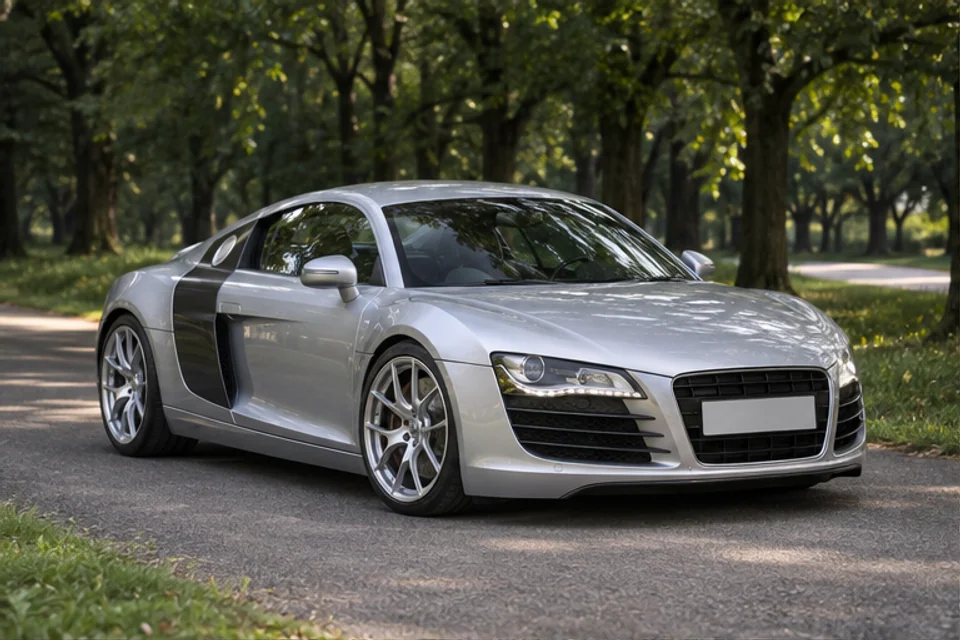
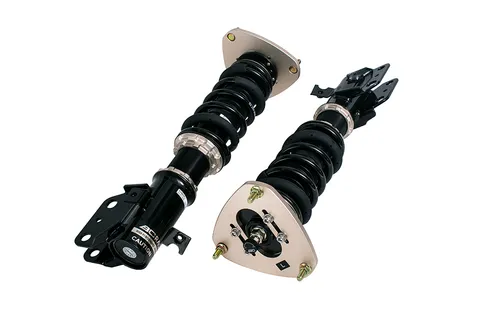
BC Racing S-15: Type 42 AWD
BC names R8 AWD, Type 42, from 2008 to 2015. BR RN, ER and ZX are current options. Confirm the engine, body, original damper equipment and exact installation; the broad model row does not explain every derivative.
View the S-15 options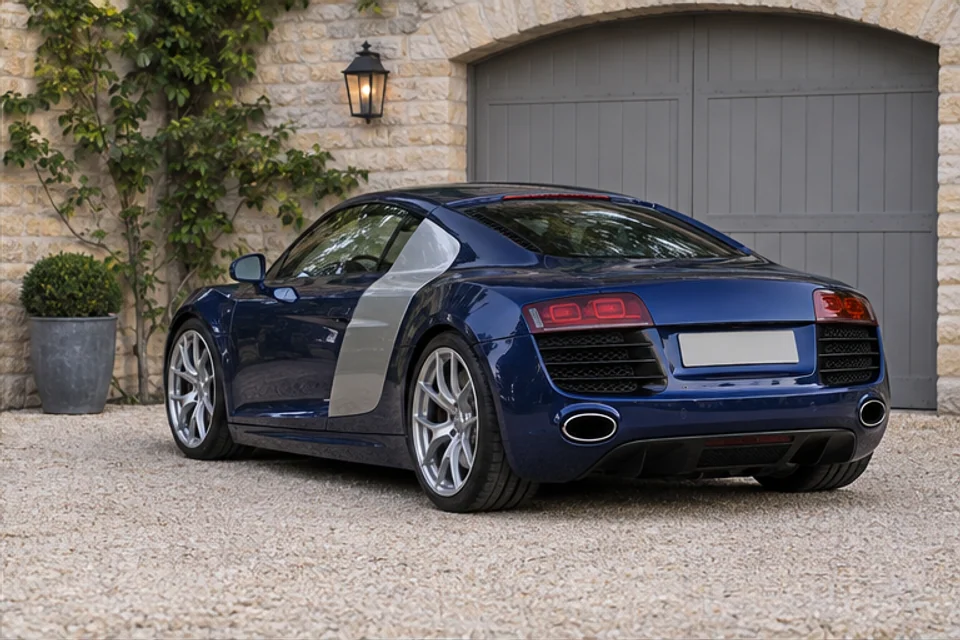
AST: the V8 coupe reference
ACU-A4002S is named for the first-generation V8 coupe. The AST application table and some fitting copy contain conflicting details, so have the exact hardware confirmed before ordering. V8 Spyder and V8 motorsport applications need a separate check.
Review the V8 listings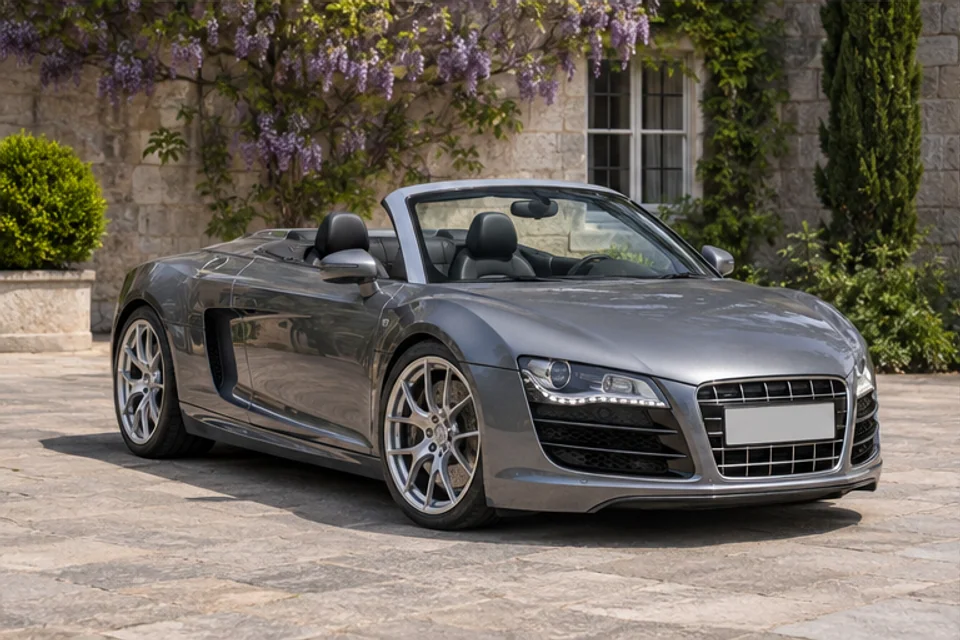
AST: V10 coupe and Spyder
AST’s set descriptions name the first-generation V10 coupe and Spyder for ACU-A4001S, RIV-A4001S and RAC-A4001S. Confirm the drivetrain entry, fitted dampers and mounts against the exact kit before treating a catalogue match as your order.
Review the V10 listings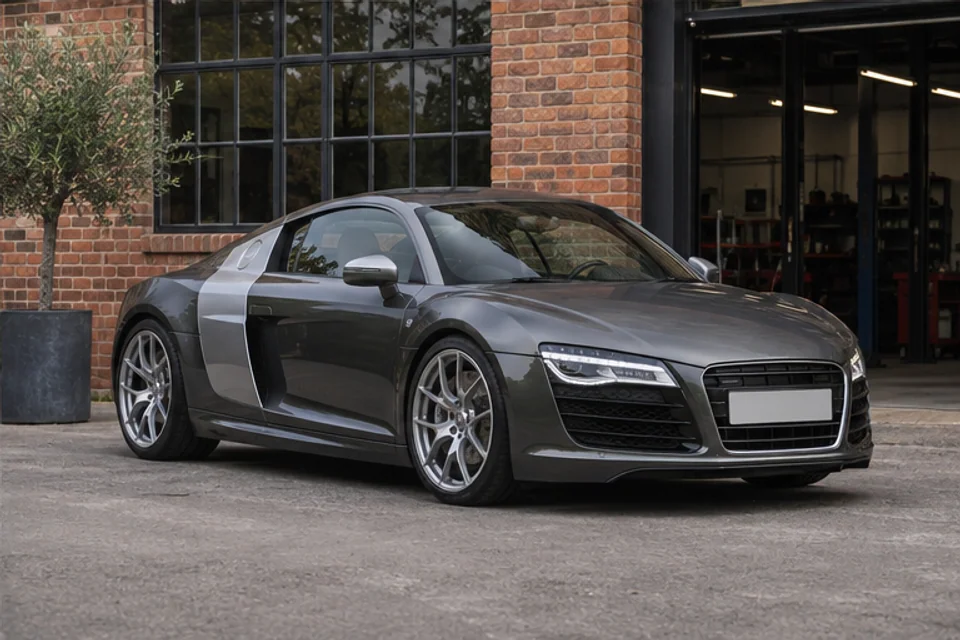
Magnetic Ride or a changed car
Identify the dampers, connectors and any previous conversion. Bring the wheel sizes, offsets, tyre sizes and spacer details. GT, LMX, uncertain imports or substantial modifications need an individual application check.
Check my R8’s equipmentWhat do you want
from the car?
Road miles, circuit weekends or a car built around the lap. Start with how you drive.
Agree a usable height and a complete installation around your existing wheels and dampers.
Read the buying advice
The S-15 BR RN is the current road example. Its listing specifies no supplied front top mount, a rubber rear mount and nominal 14 kg/mm front and 10 kg/mm rear springs. Confirm the reused parts and the effect on Magnetic Ride before ordering. Keep sufficient suspension and underbody clearance for the roads you use.
- Check factory damper equipment
- Confirm supplied and reused mounts
- Set height around usable clearance
Separate compression and rebound controls give you more settings to record and work through.
Read the buying advice
S-15 ER provides independent compression and rebound adjustment with external reservoirs. BC requires the installer to determine the front reservoir mounting area. Agree that location, access and the exact kit hardware before fitting. Use a recorded starting setup and change one variable at a time with appropriate advice.
- Separate compression and rebound
- Plan reservoir position and access
- Record the setup for each use
Choose three-way damping when your preparation and setup work call for those controls.
Read the buying advice
S-15 ZX separates low- and high-speed compression from rebound. Those speeds describe damper movement, not the car’s speed. Agree the tyres, preparation and fitting requirements with the specialist setting up the car. Choose the controls you can use and record; the extra adjustment alone does not establish a faster car.
- Independent low/high compression
- Rebound adjusted separately
- Agree a complete preparation brief
The rear spring surrounds the damper.
The rear spring surrounds the damper on a standard First-generation Audi R8 Type 42.
Component layout only. Mounts, dimensions and adjusters vary by kit.Audi’s first-generation R8 rear assembly shows a combined spring-and-damper unit beside the suspension links. The coil surrounds the damper; this is not an E46-style separate rear spring on its own seat.
Magnetic Ride controls damping electronically. The spring’s position does not tell you whether those controls are fitted or how a replacement kit handles them. Confirm the actual equipment and installation parts. The compact drawing identifies component positions, not a measured chassis or a particular kit’s contents.
Understand height and spring preload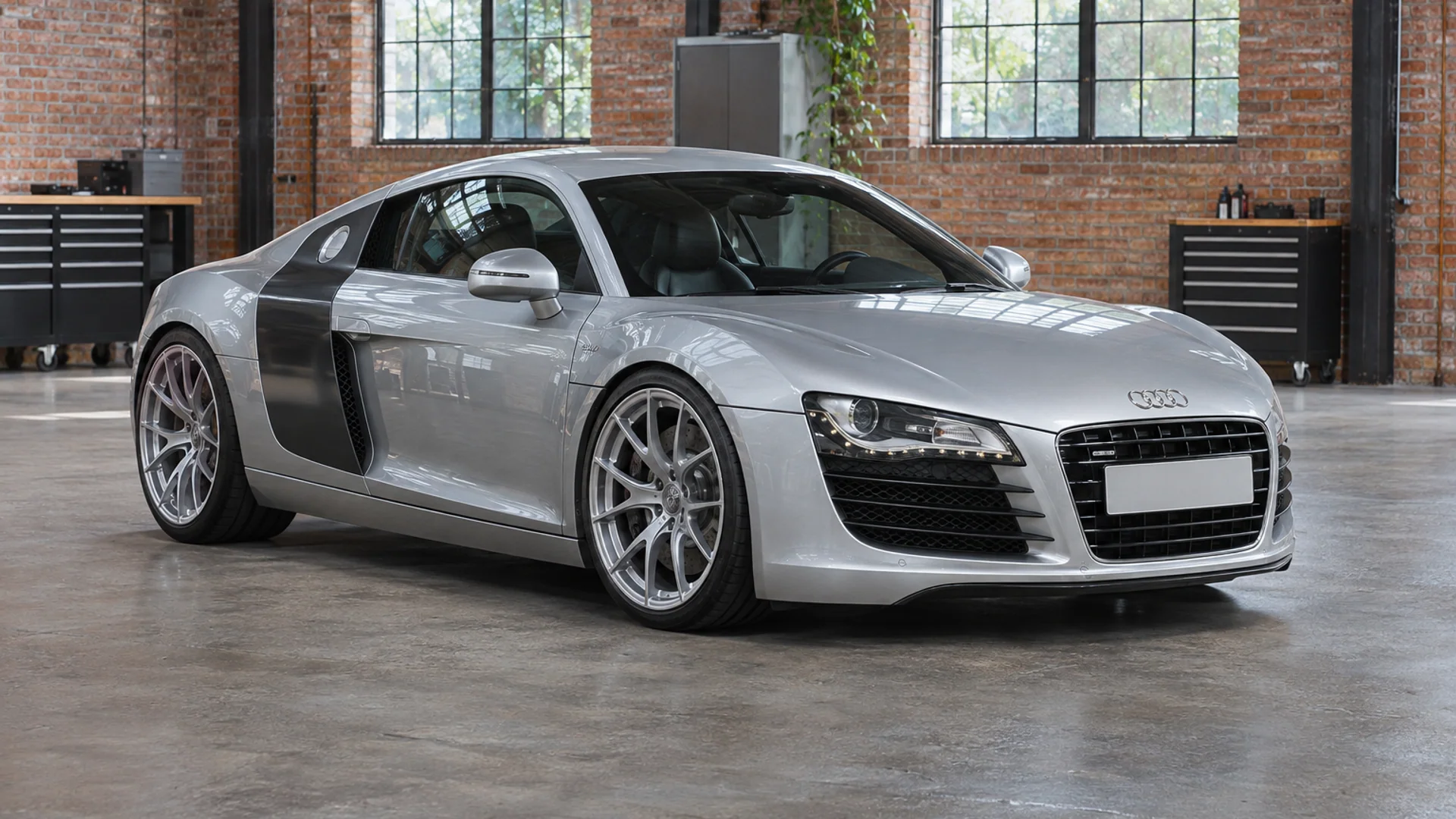
Plan the fitting around the car you have
A used R8 may already have different dampers, mounts or wheel spacers. Have the current setup inspected and compare it with the proposed kit. Note any electronic warnings before work starts, and agree how the installation will deal with the fitted control system.
Confirm access to the adjusters and any reservoir locations before booking. Budget for supporting repairs and alignment at the finished height. Check the bumper and underbody clearance on the approaches the car uses, then follow the installer’s recheck plan.
Keep the wheel package measurable
Record wheel widths, offsets, tyre sizes and spacers at each axle. Have brake clearance and tyre clearance checked through steering and suspension movement at the proposed height.
Account for Magnetic Ride
Identify electronic dampers and any existing warning before changing parts. Agree the exact replacement hardware and how its installation affects the controls. A mechanical kit listing does not promise retained factory functions.
Inspect the supporting parts
Check mounts, bushes, joints and alignment adjusters while planning the work. Reused components need to be serviceable; agree what the kit supplies and what the installer must source separately.
Prepare for the intended sessions
Discuss tyres, brakes and weight changes with the person setting up a circuit car. Keep a record of height and damper settings, with inspection and follow-up work agreed before the first event.
The current R8 Type 42 range.
Compare the controls and hardware included in each range.

S-15 names the first-generation R8 AWD Type 42. The current choices are BR RN, two-way ER and three-way ZX. Confirm the exact mounts and fitting instructions for the selected option; ER and ZX must not inherit the BR RN hardware description. Plan front reservoir positioning with the installer where required.
View BC Racing R8 Type 42 kits
The current range includes separate V8 and V10 5100 references, plus 5200 and 5300 listings. AST’s set descriptions identify the V8 coupe for ACU-A4002S and the V10 coupe/Spyder for the A4001S references. Conflicting drivetrain, rear-layout and V8 motorsport details need clarification before an order. Ask for the exact application and hardware rather than relying on a shared product title.
View AST R8 Type 42 kitsFind your R8 Type 42 coilovers.
Prices include UK VAT. Choose an application and brand, then open a kit for its current options and availability.
5 listings
Match the engine, body style and axle-load limits on the product page before ordering.
BC Racing · BCR-S-15
BC Racing Coilovers - Audi R8 (08-15) [TYPE42]
BC Racing S-15: Type 42 AWD
AST · ACU-A4001S
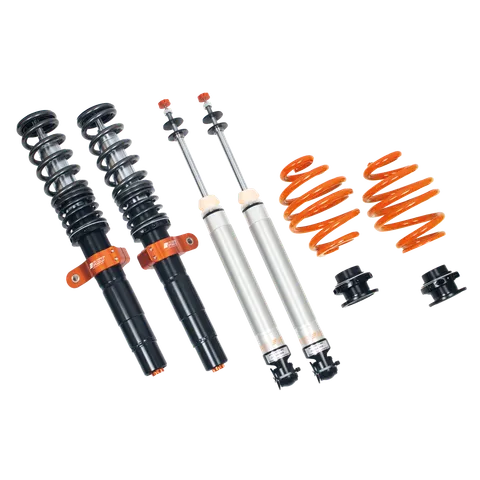
AST 5100 Street Coilovers for Audi, Lamborghini Applications - ACU-A4001S
AST: V10 coupe and Spyder
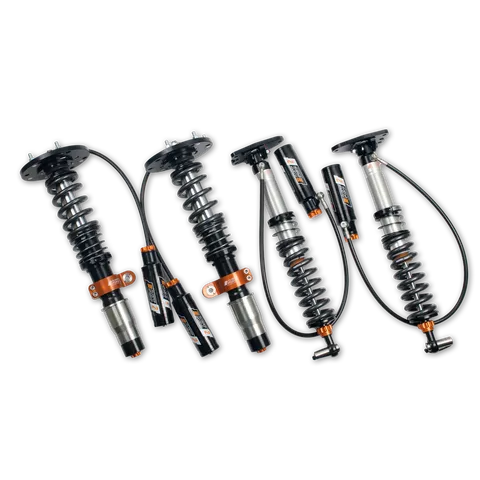
AST · RIV-A4001S
AST 5200 2-Way Motorsport Coilovers for Audi R8 V10 / R8 V8 42 - RIV-A4001S
AST: V10 coupe and Spyder
AST · ACU-A4002S
AST 5100 Street Coilovers for Audi R8 V8 42 - ACU-A4002S
AST: the V8 coupe reference
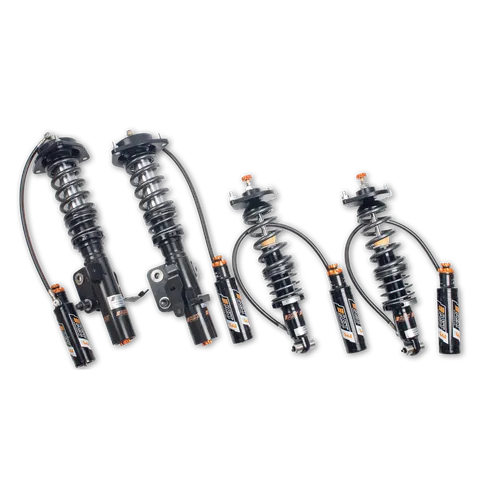
AST · RAC-A4001S
AST 5300 3-Way Motorsport Coilovers for Audi R8 V10 / R8 V8 42 - RAC-A4001S
AST: V10 coupe and Spyder
All R8 Type 42 kit links and part numbers
- BC Racing · BCR-S-15: BC Racing Coilovers - Audi R8 (08-15) [TYPE42]
- AST · ACU-A4001S: AST 5100 Street Coilovers for Audi, Lamborghini Applications - ACU-A4001S
- AST · ACU-A4002S: AST 5100 Street Coilovers for Audi R8 V8 42 - ACU-A4002S
- AST · RAC-A4001S: AST 5300 3-Way Motorsport Coilovers for Audi R8 V10 / R8 V8 42 - RAC-A4001S
- AST · RIV-A4001S: AST 5200 2-Way Motorsport Coilovers for Audi R8 V10 / R8 V8 42 - RIV-A4001S
Before you order.
Identify your car
Identify Type 42, V8 or V10, coupe or Spyder, and the build details. Keep second-generation 4S and later RWS/RWD applications separate.
Match the kit
Match the exact kit and configuration. Resolve AST application conflicts or special-version questions before placing an order.
Check what’s included
Identify Magnetic Ride and agree its replacement plan. Confirm mounts, supports, adjuster access and any reservoir position in the actual instructions.
Check your modifications
Check wheel widths, offsets, tyres, spacers and brake changes through the working movement. Include front bumper and underbody clearance.
Plan fitting
Confirm supply timing and the complete fitting parts before booking. Plan alignment at the finished height and the installer’s follow-up inspection.
See what the adjustments do.
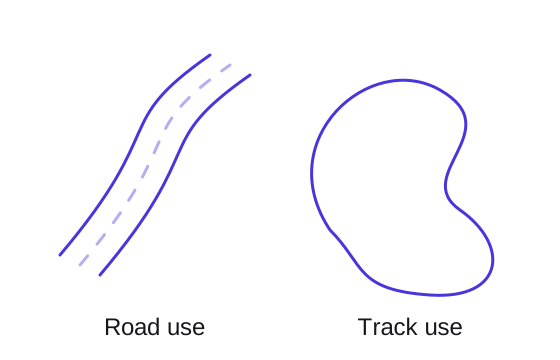
Choosing coilovers for road and track
Compare the kit against your roads, tyres and setup plans before counting adjusters.
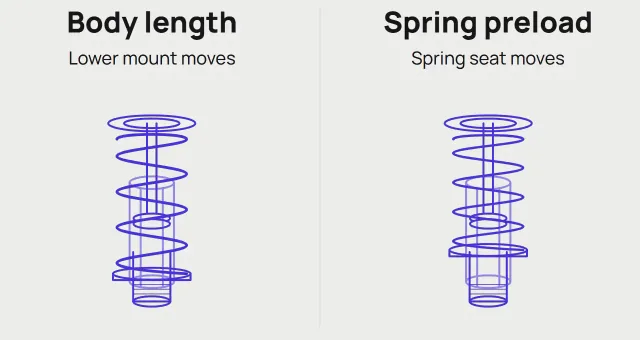
Ride height and spring preload
Understand the two adjustments before choosing a lowering range.
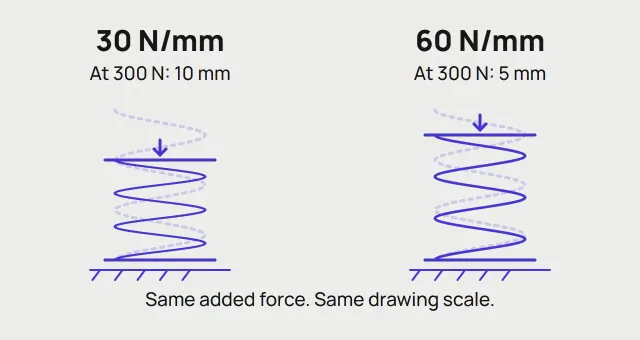
What spring rate tells you
Compare force and movement, read the units and choose a spring with the damper in mind.
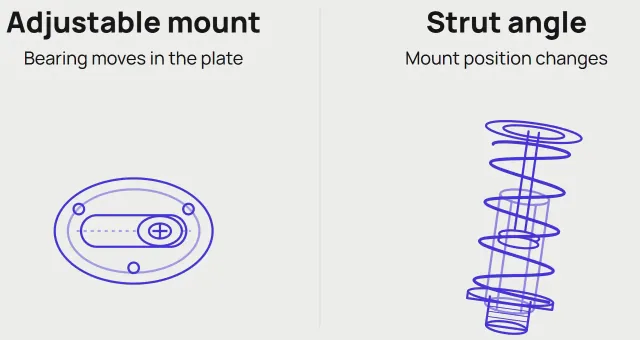
Spring rates and top mounts
Read the front/rear figures and check which mounts come with your kit.
Questions about Audi R8 Type 42 coilovers.
Check the details before choosing your kit.
Which R8 does this guide cover?
The first-generation Type 42. BC lists S-15 for R8 AWD from 2008 to 2015; AST uses engine-specific first-generation references. Audi introduced the second generation in 2015, so identify the chassis on a changeover-year car. Later RWS/RWD models need their own application.
Does the R8 have a separate rear spring?
Audi’s first-generation rear assembly shows the coil surrounding the damper in one unit. It is not the separate-spring arrangement used on cars such as the E46. Confirm the exact kit’s parts and adjustment method rather than transferring another car’s fitting advice.
Can I keep Magnetic Ride with these kits?
Have the fitted system and the exact kit checked before ordering. A conventional replacement damper does not automatically retain factory electronic damping. Agree the required hardware and control-system work with the installer; a general application listing does not establish that plan.
How do S-15 BR RN, ER and ZX differ?
BR RN is the current road example; its listing specifies no supplied front top mount and a rubber rear mount. ER has separate compression and rebound controls with external reservoirs. ZX has independent low- and high-speed compression plus rebound. Confirm the mounts, parts and installation for the selected option.
Where do the front external reservoirs go?
BC’s S-15 application note leaves the front reservoir mounting area to the installer. Agree a secure location and access using the current kit instructions. The general model row does not provide an installation location or a complete fitting procedure.
Do the AST listings fit every V8, V10 and Spyder?
That is not established. ACU-A4002S is named for the V8 coupe; the A4001S set descriptions name the V10 coupe and Spyder. Conflicting drivetrain entries and V8 motorsport associations need clarification. Have the exact engine, body and hardware confirmed before ordering.
Are the listed spring rates a setup recommendation?
The current S-15 BR RN listing gives nominal 14 kg/mm front and 10 kg/mm rear rates. Confirm the selected kit’s specification before ordering. Those spring figures are not wheel rates or a universal road/track setting; tyres, vehicle changes and the installation still matter.
How low should I set my R8?
Agree the height after checking the wheel and tyre package, suspension movement and the roads the car uses. Include the front bumper and underbody on ramps and entrances. Align the car at the finished height and follow the installer’s inspection and recheck instructions.
Let’s talk suspension.
Find your R8, then add its engine, roof type and fitted dampers. Include the wheel and tyre details and any previous changes so the exact kit and installation can be checked.