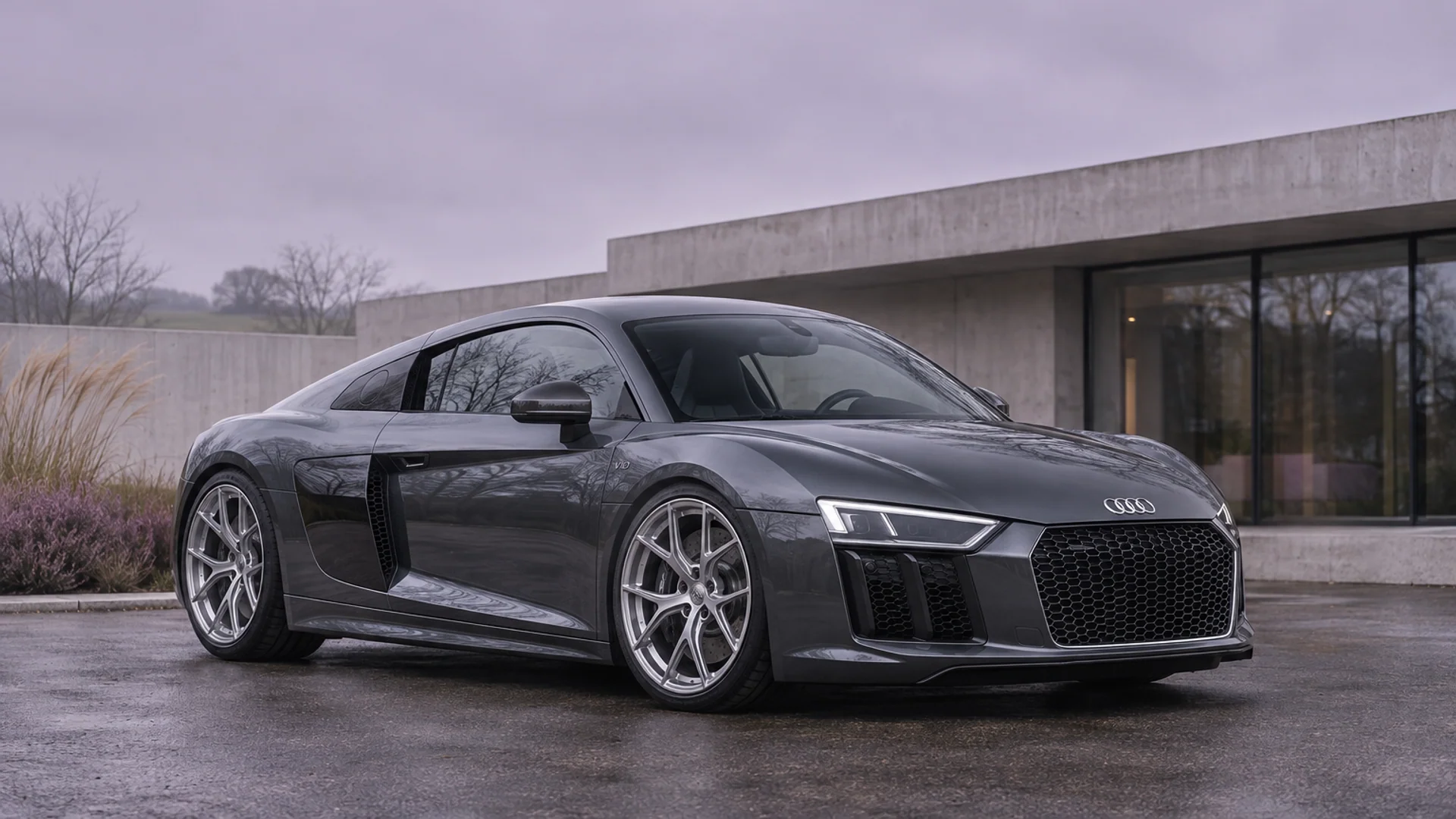
Audi R8 4S.
The coilover guide.
Shop the coiloversStart with the hardware on your R8: nose lift, factory dampers and drivetrain. The current MOTON range splits cars with and without nose lift, then offers two- or three-way damping. Choose the application before the adjusters.
The second-generation V10 and its different drivetrains.
The angular second R8 suits a restrained wheel upgrade and a small height change. Its front bumper still needs room over ramps, and wider tyres need clearance as the suspension moves. Decide how the car will be used before committing to a lower stance.
MOTON describes the four current listings as motorsport kits. Confirm the exact R8, its nose-lift equipment and the plan for Magnetic Ride, then discuss whether these controls suit the work you want the suspension to do.
Audi introduced the second-generation R8 at Geneva in 2015. It had a naturally aspirated V10 behind the seats and a seven-speed dual-clutch transmission. Angular lamps and divided side blades gave it a different shape from the original Type 42.
The new Spyder appeared at the New York show in March 2016. A folding roof creates a separate body application, even when a suspension catalogue groups it with the coupe. The current manufacturer rows call the coupe 4S3 and the Spyder 4S9.
Quattro was part of the launch specification. Audi added the rear-drive RWS in 2017, followed by further rear-drive versions alongside the facelift range. A V10 badge or registration year therefore does not identify the drivetrain. Check the actual build rather than assuming every second-generation car is alike.
Audi’s training material shows double wishbones at both axles and a rear coil spring surrounding its damper. It also distinguishes passive sports dampers from electronically controlled Magnetic Ride. Those are factory equipment differences to identify before choosing replacements.
The current MOTON references make nose lift another ordering distinction. A kit described for a lift-equipped car is not a promise that every lift conversion or factory control will work unchanged. Establish what is fitted and what the exact suspension set retains.
For a road car, begin with usable clearance and serviceable supporting parts. For track work, add tyre choice, alignment, braking and a repeatable setup record. The R8’s road-car applications should stay separate from LMS race-car parts and assumptions about shared Lamborghini hardware.
Start with your R8 4S.
Confirm the chassis, year and existing suspension before choosing your setup.
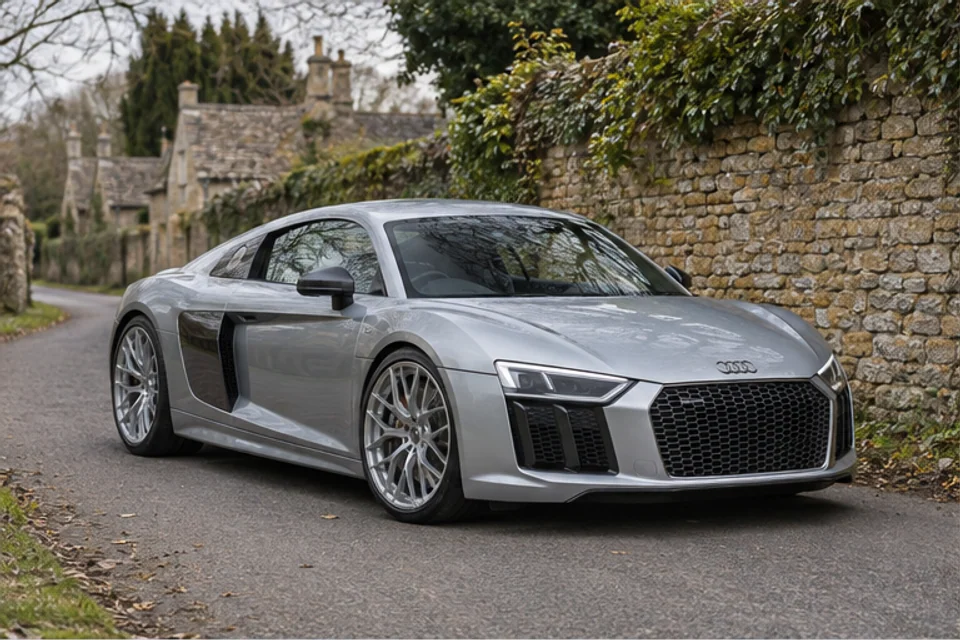
Cars without nose lift
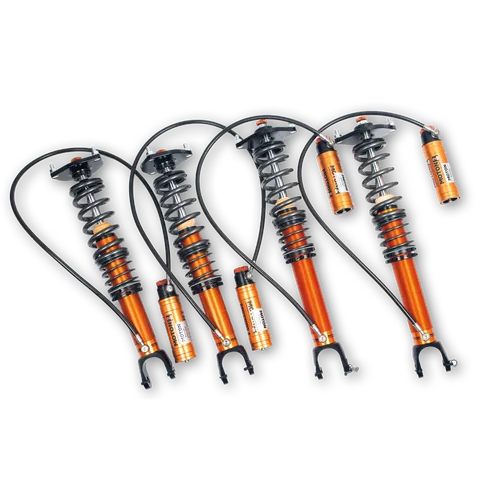
M 532 110S is the two-way reference and M 532 111S the three-way. The manufacturer rows name a rear-drive 4S3 coupe and an all-wheel-drive 4S9 Spyder, from 2015 to 2022. Confirm your exact body, drive and build; missing combinations need a separate check.
Review the non-lift kits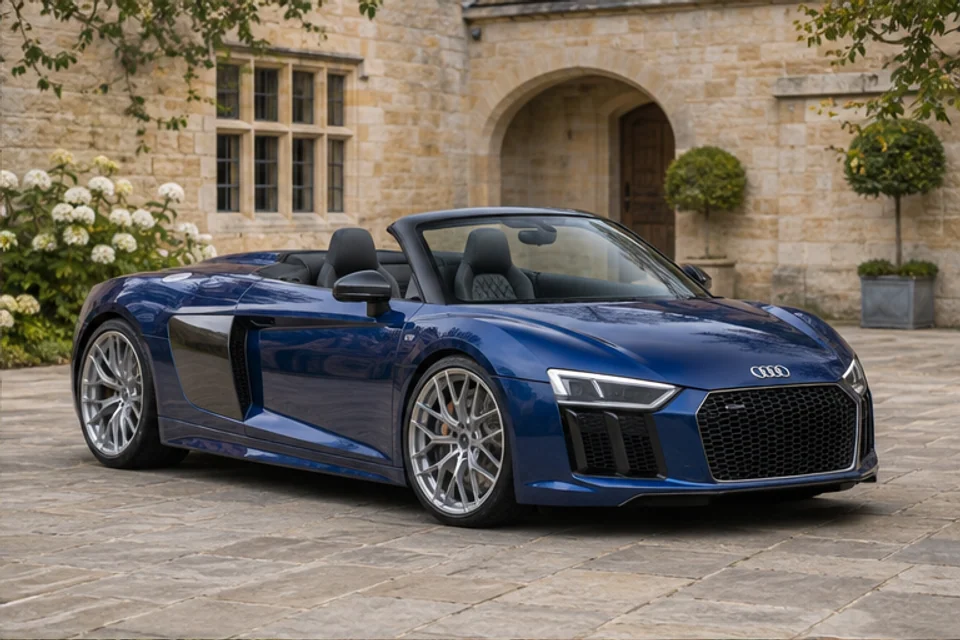
Cars with nose lift
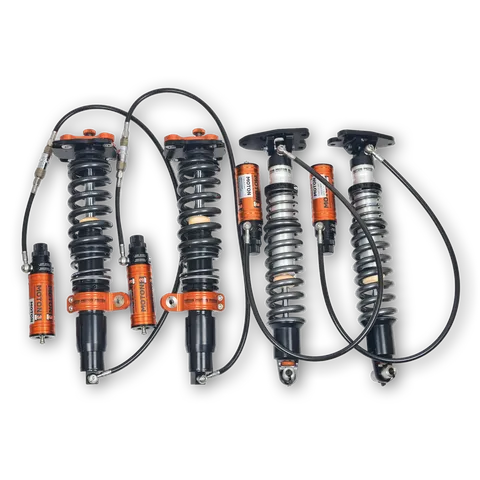
M 538 004S and M 538 005S are the two- and three-way references described for nose-lift vehicles. The Audi rows include coupe and Spyder, with rear- and all-wheel-drive entries. Confirm the installed lift system, factory dampers and exact fitting parts before ordering.
Review the nose-lift kits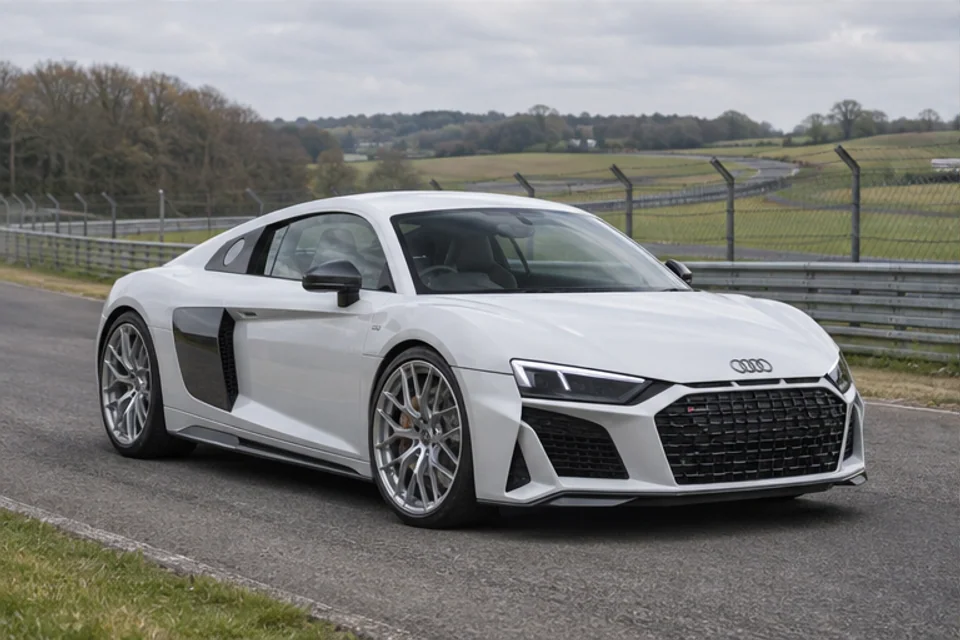
RWS, RWD or an unclear application
Rear drive arrived after the second-generation launch. Check the actual variant against the body, nose-lift and drivetrain rows. A shared 2015–2022 date range does not prove every combination, and the non-lift rows do not list every rear-drive Spyder or quattro coupe.
Check my R8 variant
Late cars and changed suspension
For a 2023–2024 car, a GT, an import or an existing conversion, request an individual application check. Record Magnetic Ride, lift hardware, previous dampers and wheel changes. Do not substitute first-generation, e-tron or LMS applications.
Ask about my buildWhat do you want
from the car?
Road miles, circuit weekends or a car built around the lap. Start with how you drive.
Start with comfort, clearance and the factory functions you want to keep.
Read the buying advice
The current selection contains MOTON motorsport references rather than a separate everyday road kit. Describe the surfaces, mileage and height you want, and ask whether a specialist suspension package is appropriate. Include nose lift and Magnetic Ride in that discussion before choosing dampers.
- Keep usable bumper and tyre clearance
- Identify the fitted lift and dampers
- Discuss the right road-use approach
Two-way damping separates rebound from compression, with reservoirs to accommodate.
Read the buying advice
M 532 110S is the non-nose-lift two-way example. MOTON separates rebound and compression adjustment, with compression controlled at the remote reservoir. Confirm the exact car, springs, mounting parts, hose routing and access. Lift-equipped cars use a different reference; do not order this example for one.
- Separate rebound and compression
- Plan reservoir routing and access
- Keep a record of setup changes
Separate low- and high-speed compression when the setup work calls for both.
Read the buying advice
M 532 111S is the non-nose-lift three-way example. It separates rebound, low-speed compression and high-speed compression. These speeds describe damper movement. Agree the tyres, spring specification and preparation with the person setting up the car; more controls do not establish a faster lap or a suitable road ride.
- Independent low/high compression
- Rebound adjusted separately
- Match the controls to the setup work
Coil around the damper, with double wishbones.
The rear spring surrounds the damper on a standard Second-generation Audi R8 4S.
Component layout only. Mounts, dimensions and adjusters vary by kit.Audi’s second-generation rear-axle drawing shows the coil spring surrounding the damper beside the wishbones. It is a combined spring-and-damper unit, rather than a separate rear spring seated elsewhere on an arm.
Magnetic Ride adds electronic damping control. The coil’s position does not identify that equipment or prove that a replacement retains it. Confirm the exact parts and controls. This compact illustration identifies component positions, not dimensions or the contents of a particular kit.
Understand height and spring preload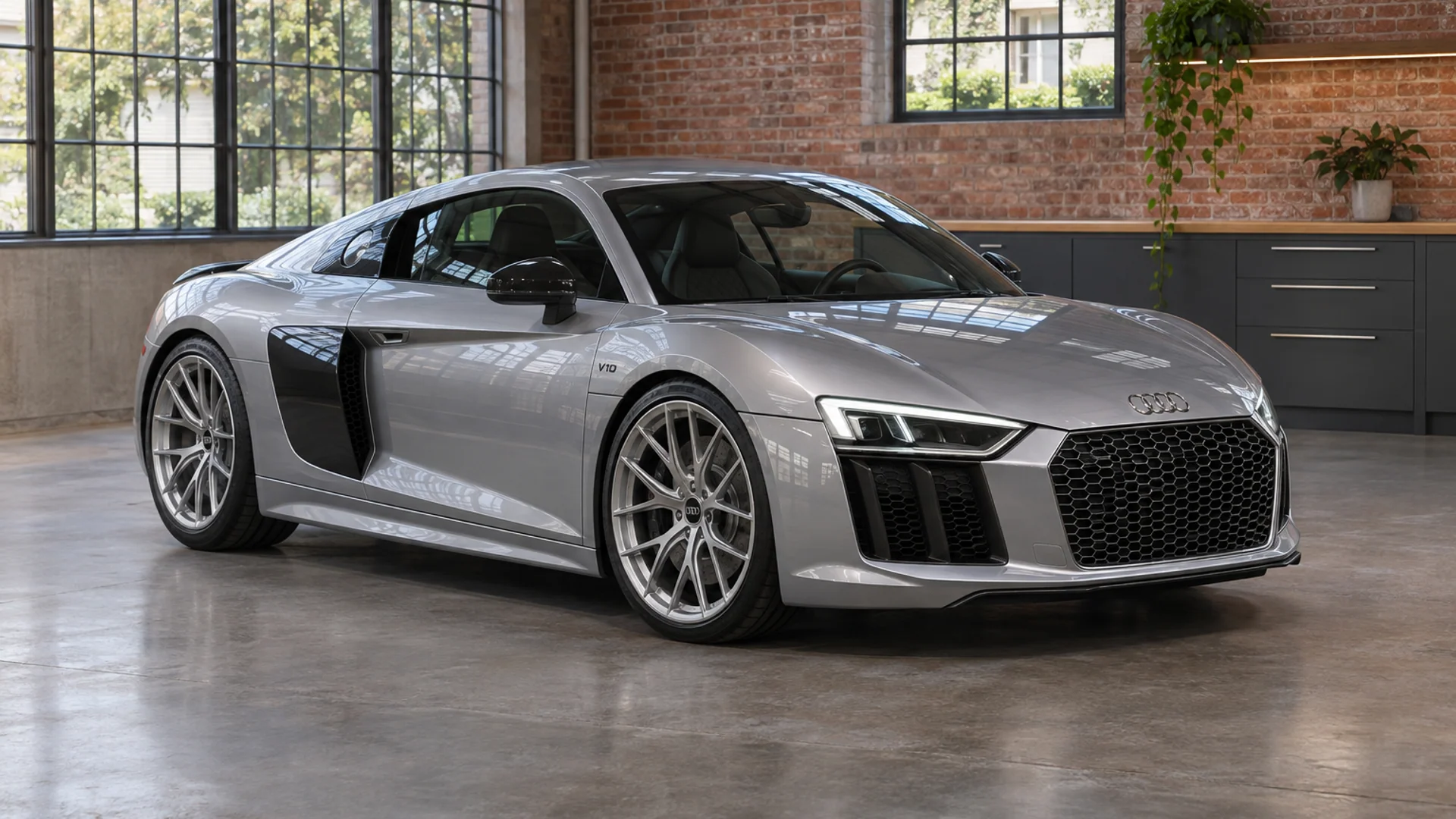
Agree the lift, damping and fitting plan first
Ask the installer to identify the fitted dampers and nose-lift hardware before selecting the reference. Resolve any warning lights or previous conversion, then agree reservoir locations, hose protection and access using the instructions for the actual kit.
Check the supporting parts and the wheel package before the final height is set. Budget for alignment at that height, the agreed electronic work and follow-up inspection. Confirm supply timing before booking fitting; a purchasable backorder listing is not a delivery date.
Keep the wheel package in the brief
Record front and rear wheel widths, offsets, tyres and spacers. Check brake clearance and tyre movement at the proposed height, as well as the front bumper and underbody on the ramps the car uses.
Identify lift and electronic damping separately
Nose lift and Magnetic Ride answer different questions. Establish which systems are fitted, whether either has been changed and how the exact kit installation will handle each one.
Inspect the joints and mounting parts
Have the wishbone joints, bushes, mounts and existing dampers inspected. Ask what is supplied, reused or required separately; general camber-plate wording is not a parts list for an R8.
Make the setup repeatable
For track use, agree tyre choice, alignment and supporting brake work. Keep a record of height and damper settings, follow the installer’s advice and arrange the inspection intervals appropriate to the use.
The current R8 4S range.
Compare the controls and hardware included in each range.

Four current references separate two- and three-way adjustment, with and without nose lift. M 532 110S/111S are described without lift; M 538 004S/005S with lift. The manufacturer describes non-inverted monotube dampers, springs and remote-reservoir adjustment. Confirm the exact spring and mounting specification, electronic-control plan and application; generic family copy does not settle those details.
View MOTON R8 4S kitsFind your R8 4S coilovers.
Prices include UK VAT. Choose an application and brand, then open a kit for its current options and availability.
4 listings
Match the engine, body style and axle-load limits on the product page before ordering.
MOTON · M 532 110S
MOTON 2-Way Motorsport Coilovers for Audi 4S3 / 4S9 - M 532 110S
Cars without nose lift
MOTON · M 538 005S
MOTON 3-Way Motorsport Coilovers for Audi, Lamborghini Applications - M 538 005S
Cars with nose lift
MOTON · M 532 111S
MOTON 3-Way Motorsport Coilovers for Audi 4S3 / 4S9 - M 532 111S
Cars without nose lift
MOTON · M 538 004S
MOTON 2-Way Motorsport Coilovers for Audi, Lamborghini Applications - M 538 004S
Cars with nose lift
All R8 4S kit links and part numbers
- MOTON · M 532 110S: MOTON 2-Way Motorsport Coilovers for Audi 4S3 / 4S9 - M 532 110S
- MOTON · M 532 111S: MOTON 3-Way Motorsport Coilovers for Audi 4S3 / 4S9 - M 532 111S
- MOTON · M 538 004S: MOTON 2-Way Motorsport Coilovers for Audi, Lamborghini Applications - M 538 004S
- MOTON · M 538 005S: MOTON 3-Way Motorsport Coilovers for Audi, Lamborghini Applications - M 538 005S
Before you order.
Identify your car
Identify second-generation 4S3 coupe or 4S9 Spyder, the build date and actual drivetrain. Refer late cars and special versions for an individual application check.
Match the kit
Confirm whether nose lift is fitted, and which system it is. Match the exact with-lift or without-lift reference before choosing two- or three-way adjustment.
Check what’s included
Identify Magnetic Ride and any previous suspension changes. Agree the spring specification, mounts, electronic work and reservoir installation with the specialist.
Check your modifications
Check wheel widths, offsets, tyres, spacers and brakes through working suspension movement. Include bumper and underbody clearance on ramps.
Plan fitting
Confirm the complete fitting parts and current supply timing. Plan alignment at the finished height and the installer’s inspection and recheck schedule.
See what the adjustments do.
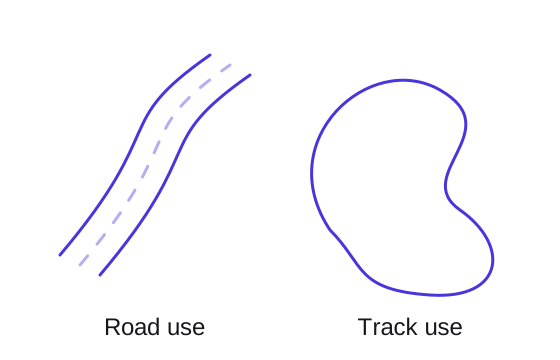
Choosing coilovers for road and track
Compare the kit against your roads, tyres and setup plans before counting adjusters.
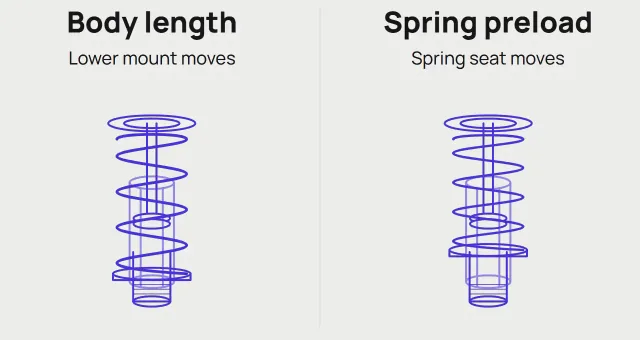
Ride height and spring preload
Understand the two adjustments before choosing a lowering range.
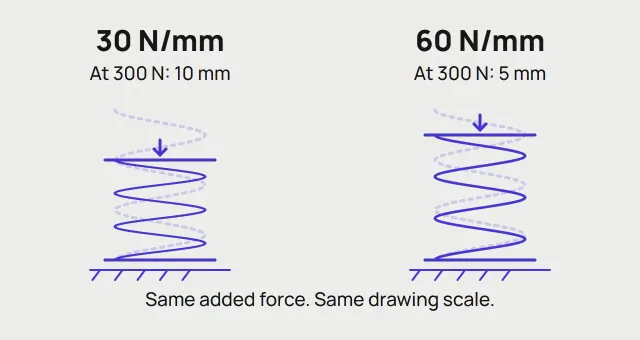
What spring rate tells you
Compare force and movement, read the units and choose a spring with the damper in mind.
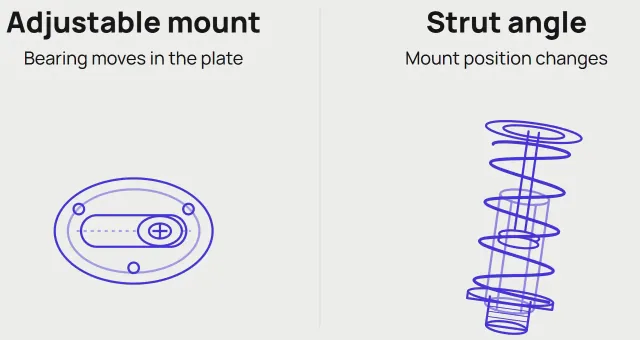
Spring rates and top mounts
Read the front/rear figures and check which mounts come with your kit.
Questions about Audi R8 4S coilovers.
Check the details before choosing your kit.
Which R8 does this guide cover?
The second-generation R8, with current catalogue labels R8 4S3 and R8 Spider 4S9. Audi introduced the coupe in 2015 and the new Spyder in 2016. The manufacturer application rows use 2015–2022, which is not approval for every car within those dates or later models.
Which MOTON references are for nose lift?
MOTON names M 538 004S for two-way and M 538 005S for three-way suspension with nose lift. M 532 110S and M 532 111S are described without it. Have the actual lift hardware and exact application checked; an aftermarket lift conversion is not automatically covered.
Does the R8 4S use a separate rear spring?
Audi’s second-generation rear-axle drawing shows the steel coil surrounding the damper, beside the double wishbones. The compact diagram describes that position only. Use the exact kit instructions for its components and adjustment method.
Will these coilovers keep Magnetic Ride?
That is not established by the general application listing. Identify the fitted electronic dampers and agree how the replacement handles the controls and any required supporting parts. Nose-lift compatibility does not itself confirm retained electronic damping.
How do MOTON two-way and three-way kits differ?
The manufacturer separates rebound and compression adjustment on the two-way range. Three-way adds independent low- and high-speed compression controls alongside rebound. Those speeds refer to damper movement. Choose around the setup work you plan to do, not simply the number of adjusters.
Do the listings cover every quattro and rear-drive R8?
The manufacturer’s non-lift rows name a rear-drive coupe and all-wheel-drive Spyder; the lift rows include both drives and both bodies. That uneven coverage needs an exact check. Do not treat a missing combination or a broad model label as confirmed fitment, particularly for a late car or special version.
What should I confirm before booking installation?
Settle the exact reference, spring and mounting specification, nose-lift hardware, electronic-damper plan and reservoir routing. Include wheel and tyre clearance and alignment at the finished height. Confirm current supply timing and follow-up inspection with the installer before booking.
Let’s talk suspension.
Find your R8, then add its body, drivetrain, fitted dampers and nose-lift details. Include the wheels, tyres and previous changes so the exact suspension set and fitting plan can be checked.