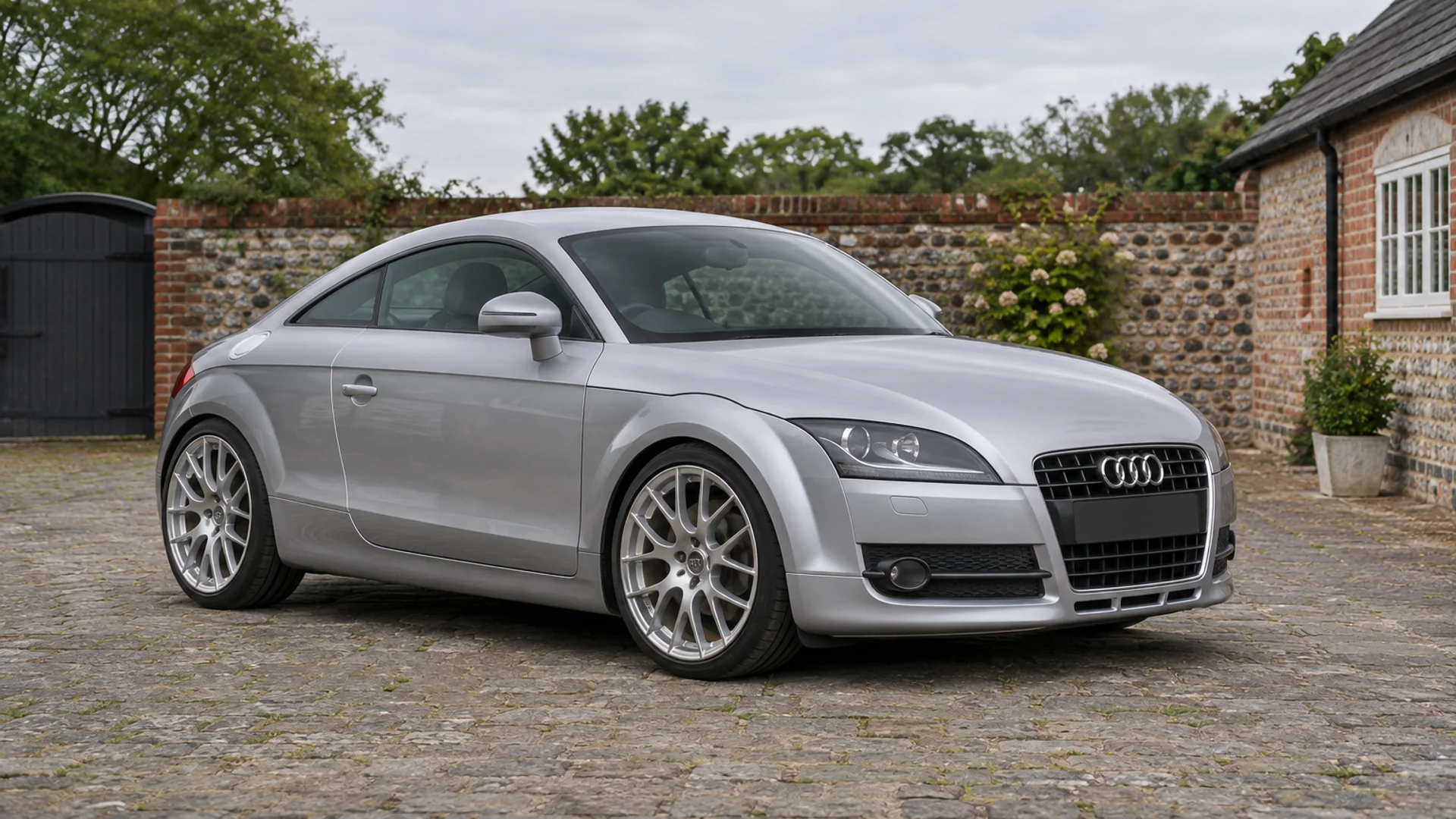
Audi TT 8J.
The coilover guide.
Shop the coiloversThe 8J brought a different chassis and optional magnetic ride to the TT. Match the roof, drivetrain and original damper equipment first, then choose a useful height around your wheels and the roads you drive.
The second TT, from everyday Coupé to five-cylinder RS
On an 8J with upgraded wheels, choose the working height around the complete wheel and tyre package. Record width, offset and tyre size, including any spacers. The installer needs to check clearance at the spring and damper as well as under the arch.
Coupé and Roadster references differ, as do FWD and quattro applications. If the car has magnetic ride, include the replacement of its electronic damping in the fitting plan. A warning canceller does not preserve the original damping function.
Audi introduced the second-generation TT Coupé in 2006 and the Roadster in 2007. The curved roof and short tail kept the family resemblance, while the larger single-frame grille and swept headlights gave the 8J a different face. The model code is the useful starting point when production years overlap.
The TTS arrived in 2008 with a 2.0-litre turbo engine. Audi added a TDI quattro that year, then the five-cylinder TT RS in 2009. A suspension enquiry should identify which of those cars you have, along with its roof style and original damper equipment.
This generation had magnetic ride available. Its electrically controlled dampers work with sensors and a dedicated control unit. Replacing them with conventional dampers changes how the car works, so ask the installer to identify the system and agree the electronic work alongside the mechanical installation.
The FWD and quattro 8J both have independent rear suspension, with a spring on its own seats beside a separate damper. This differs from the FWD 8N’s beam axle. Keep the 8J’s drivetrain-specific kit references separate even though both rear assemblies have that spring arrangement.
Wider wheels, a brake conversion or a previous coilover installation can affect the next suspension choice. Have the parts now on the car identified. For road use, leave room for normal loads and suspension movement over the surfaces you regularly drive.
For circuit work, settle the tyre choice and working weight before specifying springs and dampers. Reservoir access and any mounting changes belong in the fitting plan. Budget for someone who can measure the setup and help make sense of subsequent adjustments.
Model history: Audi TT: an icon of brand history,2024.
Start with your TT 8J.
Match the model year, engine and body style before comparing brands.
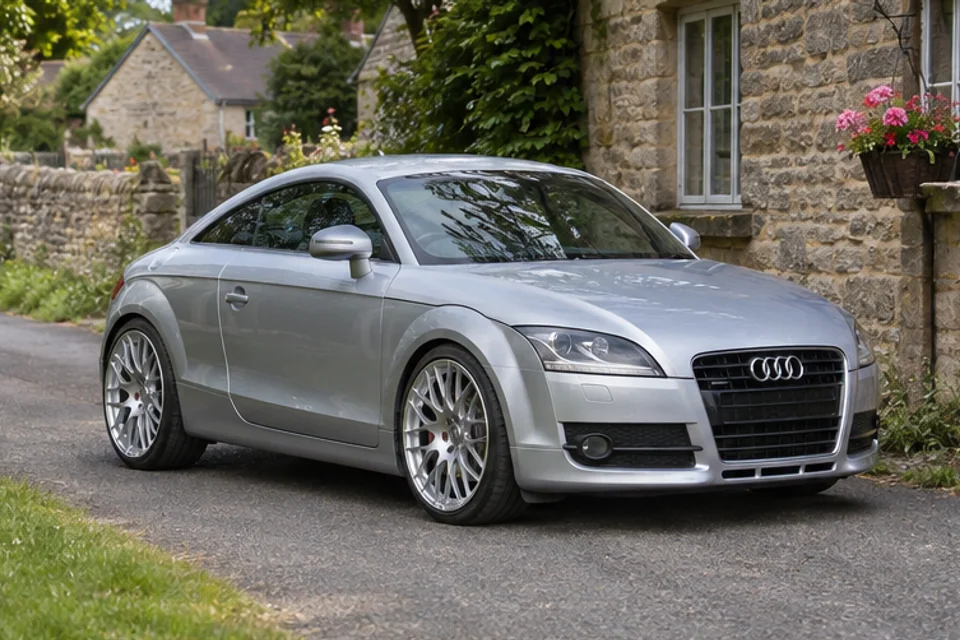
Coupé 8J3: engine and drivetrain first
Identify FWD or quattro, then match the engine and front strut size. Eibach Coupé -01 lists a 965 kg front axle limit; -02 has separate TTS and 2.5-litre rows with different lowering figures. Use the complete application and current certificate for the actual car.
Compare Coupé references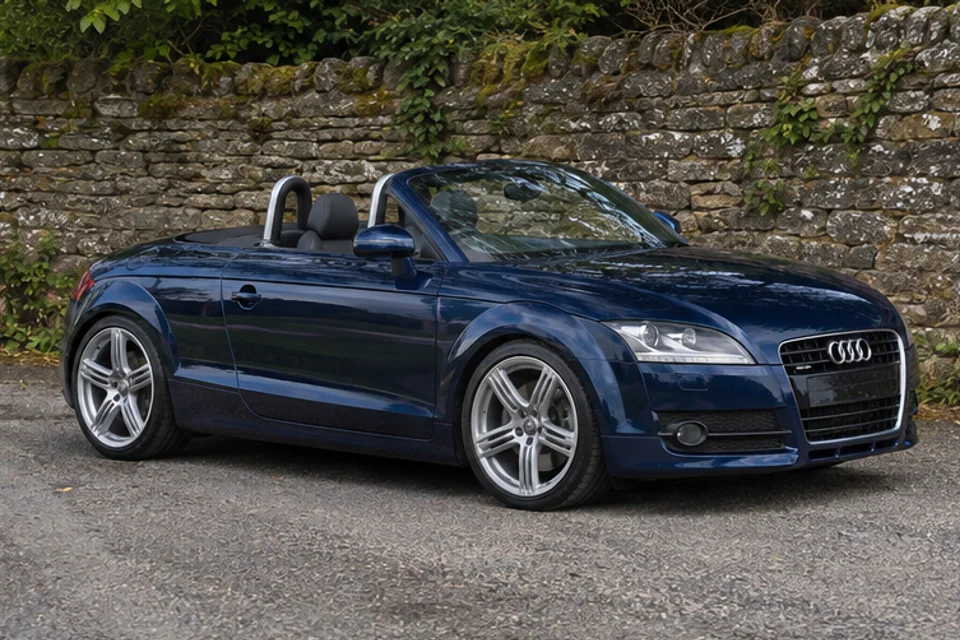
Roadster 8J9: keep the roof-specific row
Roadster 8J9 has its own Eibach references. The -03 row names specific quattro engines with 1,040 kg front and 1,150 kg rear axle limits and a 55 mm front-damper condition. Other listed references have 50 mm restrictions: have the hardware measured and the current application confirmed before selecting one.
Compare Roadster references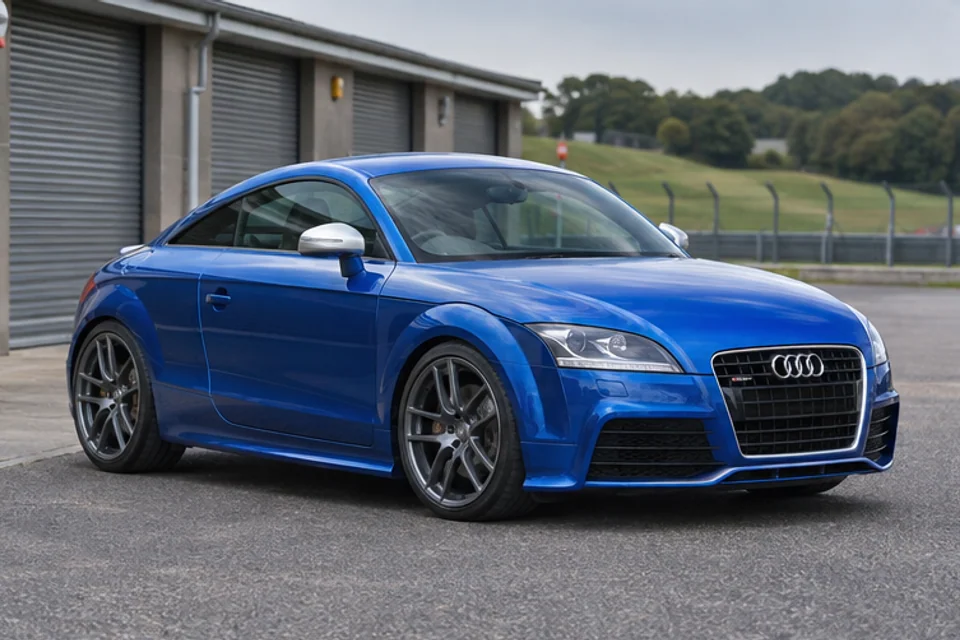
TTS and TT RS: check the exact version
The Eibach Coupé -02 TT RS row has a 1,060 kg front and 870 kg rear axle limit, with 5–25 mm front and 5–20 mm rear lowering. Its TTS row differs. Roadster versions use separate references, so include the exact engine and roof style in the fitting check.
See version-specific references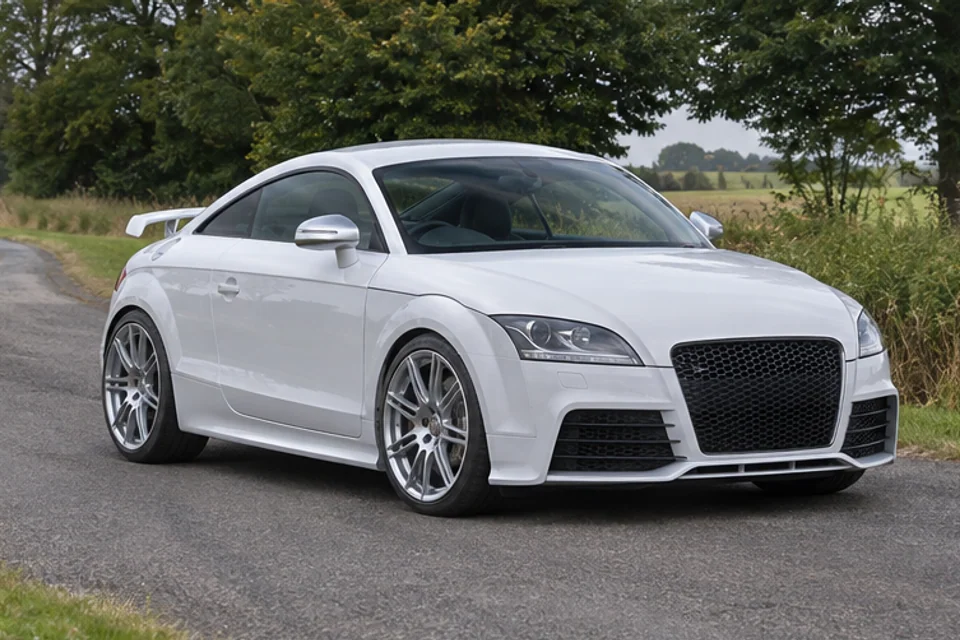
Magnetic ride or an altered TT
Include factory electronic damping, running-gear changes and earlier suspension conversions in the enquiry. Add wheel dimensions and any spacers. The vehicle lookup helps identify the original specification; the installer also needs to inspect what is fitted now.
Check my TT setupWhat do you want
from the car?
Road miles, circuit weekends or a car built around the lap. Start with how you drive.
Keep the stance usable and the wheel clearances generous.
Read the buying advice
BC S-13 BR-RA is the example to discuss for a standard-application 8J. Its current option specifies pillowball front and rubber rear mounts. Confirm the exact car and any magnetic-ride replacement work, then budget for the supporting inspection, fitting and alignment.
- Confirm body, engine and equipment
- Check the front mounting arrangement
- Keep usable road travel
Choose extra controls when you have a reason to use them.
Read the buying advice
SPAX RSX3-1522 is the 2WD example with separate bump and rebound adjustment and 20–50 mm listed lowering at both ends. Quattro uses RSX3-1524. Agree a setup method with the installer and record changes so you can compare their effect on the same car.
- Use the correct drivetrain reference
- Agree a damping adjustment method
- Plan tyres, brakes and alignment
Plan the mounting work and setup support around the build.
Read the buying advice
AST RIV-A2104SD is a 5200 two-way example in the 8J quattro Coupé application row. The source specifies strut-tower modification for the front canisters. Have the current set and fitting instructions confirmed, including mounting parts, spring specification and reservoir access, before ordering.
- Confirm the exact supplied set
- Allow for specified mounting work
- Agree springs and setup support
Independent rear suspension. Separate spring and damper.
On a standard Audi TT 8J Coupé, the rear spring and damper are mounted separately.
Component layout only. Mounts, dimensions and adjusters vary by kit.Audi’s original 8J suspension drawings show the rear coil spring on its own seats, inboard of a separate damper. This is true of the FWD and quattro assemblies shown. Unlike a FWD 8N, the 8J uses an independent rear arrangement.
A kit sold as coilovers can keep the rear spring separate. Eibach’s fitting notes describe a threaded front strut and a rear height-adjustable unit. Compare the actual configuration when choosing another range, and follow the instructions for its rear seats and dampers. This drawing identifies the original component positions.
Understand height and spring preload
Identify what is fitted before choosing what replaces it
Ask the installer to identify the dampers, front strut size, retained supports and any old suspension changes. Take the actual wheel and tyre measurements to the appointment. If the car has magnetic ride, include its replacement plan in the quote before any parts are ordered.
Agree the usable height, supporting repairs and clearance checks together. Fitting, alignment and any electronics or mounting work need their own allowance. Confirm current supply timing before booking and use the exact kit instructions for the final checks.
Wheel width, tyres and spacers
Check the complete wheel package against the intended height, including inner suspension clearance and the outer arch through steering movement. Some Eibach application notes mention wheel spacers. Have the installer establish whether the exact wheel and kit combination needs them.
Magnetic ride and warning messages
Have factory electronic damping identified before ordering. Eibach’s conventional-kit notes say electronic damper control is lost. Agree the vehicle-specific replacement solution and what functions remain; a warning canceller does not recreate the original damping modes.
Mounts, droplinks and access
Compare supplied and reused mounting parts before booking. AST and MOTON application rows name a front droplink reference. Some AST versions require body or strut-tower work, so have the installer check the exact instructions and include that work in the quote.
Brakes and the finished working height
Include larger calipers and discs in the wheel-clearance check. Inspect tyres, bushes, joints and bearings before installation. Settle on a working height with adequate movement, then measure alignment and agree any follow-up checks.
The current TT 8J range.
Compare the controls and hardware included in each range.

S-13 names the 2006–2014 TT 8J FWD/AWD application. BR-RA specifies pillowball front and rubber rear mounts; RM-MA has an inverted-front description. Check the exact body, engine and magnetic-ride requirements with the selected configuration. The current native listing gives nominal 7 kg/mm front and 5 kg/mm rear springs.
View BC Racing TT 8J kits
The current range includes 5100 Street, Street Performance and Clubracing, plus 5200 and 5300 motorsport references. Keep their rear arrangement, top mounts and adjustment specifications separate. The source flags body work with some front mounts and strut-tower work for front canisters; confirm the supplied set and fitting scope.
View AST TT 8J kits
The listed 1-way, 2-way and 3-way references have different damping controls and source descriptions. M 511 022SD specifically names a TTS set in its manufacturer description. Match the actual version and mounting requirements rather than treating every broad 8J application row as interchangeable.
View MOTON TT 8J kits
RSX761 and RSX3-1522 are the 2WD references; RSX762 and RSX3-1524 name quattro. The RSX3 versions have separate bump and rebound controls. All four listed rows give 20–50 mm front and rear lowering, subject to the exact application and original suspension.
View SPAX TT 8J kits
Pro-Street S separates Coupé and Roadster applications. The Coupé -01 row gives 965/885 kg front/rear axle limits; -02 gives 1,060/885 kg for its TTS row and 1,060/870 kg for the TT RS row. Check the exact engine, front-damper diameter and electronics conditions. Canceller-equipped regional packages have their own suffixes; confirm what the selected kit actually includes.
View Eibach TT 8J kitsFind your TT 8J coilovers.
Prices include UK VAT. Choose an application and brand, then open a kit for its current options and availability.
19 listings
Match the engine, body style and axle-load limits on the product page before ordering.
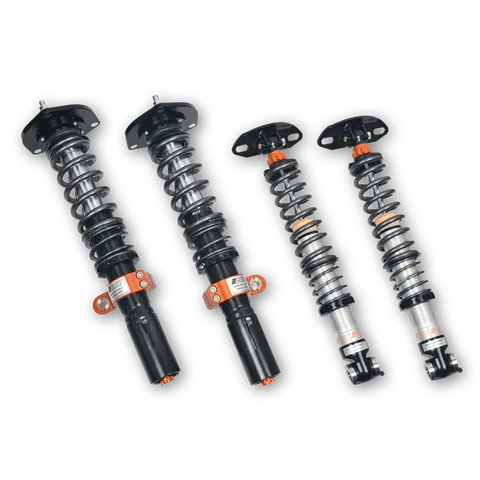
AST · ACT-A2104SD
AST 5100 Street Performance Coilovers for Audi 8J Applications - ACT-A2104SD
Coupé 8J3: engine and drivetrain first / Roadster 8J9: keep the roof-specific row
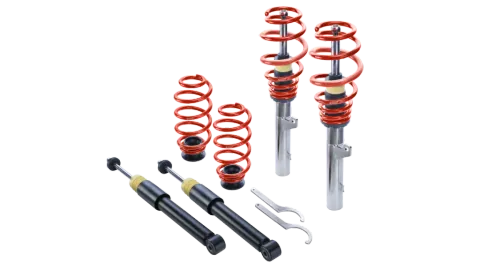
Eibach · PSS65-85-014-02-22
Eibach Pro-Street S Coilover Kit for Audi / SEAT / Skoda / Volkswagen applications - PSS65-85-014-02-22
Roadster 8J9: keep the roof-specific row
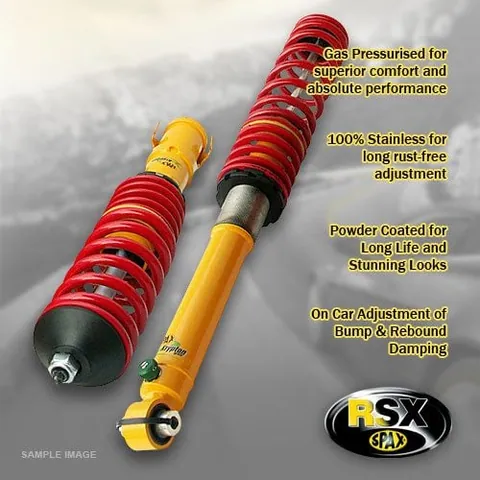
SPAX · RSX3-1524
SPAX RSX Double Adjustable Coilover Kit for Audi TT Type 8J Quattro (4WD) - RSX3-1524
Coupé 8J3: engine and drivetrain first / Roadster 8J9: keep the roof-specific row
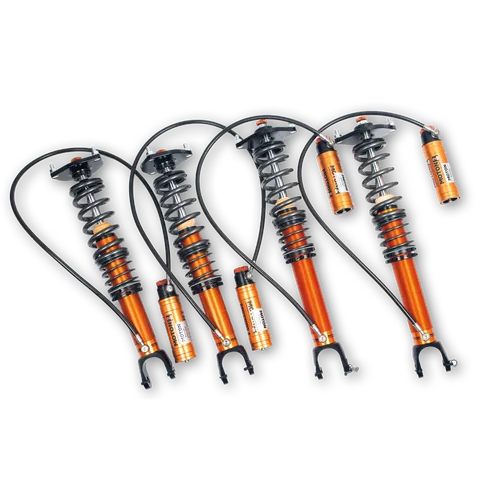
MOTON · M 532 006SD
MOTON 2-Way Motorsport Coilovers for Audi, VW Applications - M 532 006SD
Coupé 8J3: engine and drivetrain first / Roadster 8J9: keep the roof-specific row
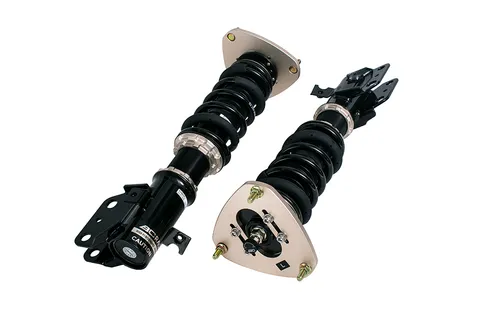
BC Racing · BCR-S-13
BC Racing Coilovers - Audi Tt (2Wd/AWD) (06-14) [8J]
Coupé 8J3: engine and drivetrain first / Roadster 8J9: keep the roof-specific row
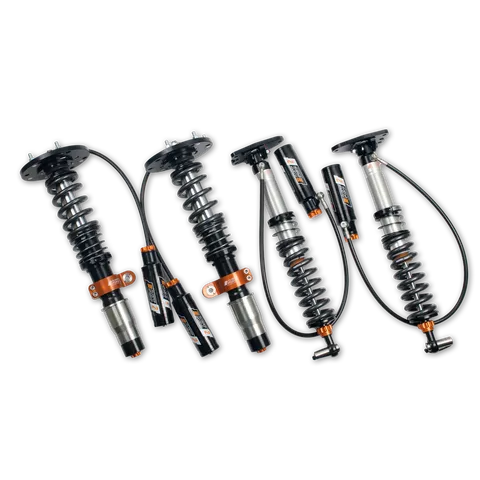
AST · RIV-A2104SD
AST 5200 2-Way Motorsport Coilovers for Audi 8J Applications - RIV-A2104SD
Coupé 8J3: engine and drivetrain first / Roadster 8J9: keep the roof-specific row
All TT 8J kit links and part numbers
- BC Racing · BCR-S-13: BC Racing Coilovers - Audi Tt (2Wd/AWD) (06-14) [8J]
- AST · ACC-V1905SD: AST 5100 Clubracing Coilovers for Audi, Seat, Skoda, VW Applications - ACC-V1905SD
- AST · ACT-A2104SD: AST 5100 Street Performance Coilovers for Audi 8J Applications - ACT-A2104SD
- AST · ACU-A2104SD: AST 5100 Street Coilovers for Audi 8J Applications - ACU-A2104SD
- AST · RAC-A2104SD: AST 5300 3-Way Motorsport Coilovers for Audi 8J Applications - RAC-A2104SD
- AST · RIV-A2104SD: AST 5200 2-Way Motorsport Coilovers for Audi 8J Applications - RIV-A2104SD
- MOTON · M 511 022SD: MOTON 3-Way Motorsport Coilovers for Audi 8J Applications - M 511 022SD
- MOTON · M 532 006SD: MOTON 2-Way Motorsport Coilovers for Audi, VW Applications - M 532 006SD
- MOTON · M 532 106SD: MOTON 1-Way Clubracer Coilovers for Audi, VW Applications - M 532 106SD
- SPAX · RSX3-1522: SPAX RSX Double Adjustable Coilover Kit for Audi TT Type 8J (2WD) - RSX3-1522
- SPAX · RSX3-1524: SPAX RSX Double Adjustable Coilover Kit for Audi TT Type 8J Quattro (4WD) - RSX3-1524
- SPAX · RSX761: SPAX RSX Coilover Kit for Audi TT Type 8J (2WD) - RSX761
- SPAX · RSX762: SPAX RSX Coilover Kit for Audi TT Type 8J Quattro (4WD) - RSX762
- Eibach · PSS65-81-009-01-22: Eibach Pro-Street S Coilover Kit for Audi / SEAT / Volkswagen applications - PSS65-81-009-01-22
- Eibach · PSS65-81-009-02-22: Eibach Pro-Street S Coilover Kit for Audi / SEAT / Volkswagen applications - PSS65-81-009-02-22
- Eibach · PSS65-85-014-01-22: Eibach Pro-Street S Coilover Kit for Audi / SEAT / Skoda / Volkswagen applications - PSS65-85-014-01-22
- Eibach · PSS65-85-014-02-22: Eibach Pro-Street S Coilover Kit for Audi / SEAT / Skoda / Volkswagen applications - PSS65-85-014-02-22
- Eibach · PSS65-85-014-03-22: Eibach Pro-Street S Coilover Kit for Audi / SEAT / Skoda / Volkswagen applications - PSS65-85-014-03-22
- Eibach · PSS65-85-014-04-22: Eibach Pro-Street S Coilover Kit for Audi / SEAT / Skoda / Volkswagen applications - PSS65-85-014-04-22
Before you order.
Identify your car
Identify TT 8J, Coupé 8J3 or Roadster 8J9, engine, build date and FWD or quattro. Include TTS/RS details and earlier running-gear changes.
Match the kit
Match the exact reference, front-damper diameter, axle limits and factory damper equipment. Read the engine and body conditions, not only the broad TT heading.
Check what’s included
Confirm supplied and retained mounts, rear spring arrangement, droplinks and any required body work. Agree the magnetic-ride replacement plan where applicable.
Check your modifications
Record wheel width, offset, tyre size, spacers and brake changes. Check suspension and arch clearance through steering and movement at the proposed height.
Plan fitting
Allow for supporting repairs, fitting, alignment and any agreed electronics work. Confirm current timing and the installer’s settling and recheck plan.
See what the adjustments do.
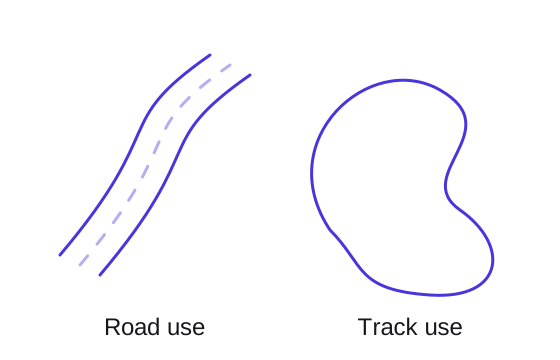
Choosing coilovers for road and track
Compare the kit against your roads, tyres and setup plans before counting adjusters.
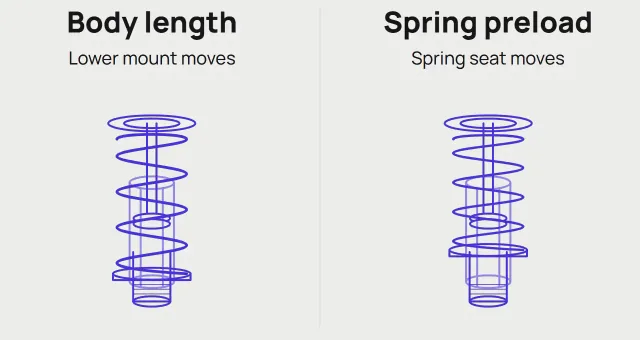
Ride height and spring preload
Understand the two adjustments before choosing a lowering range.
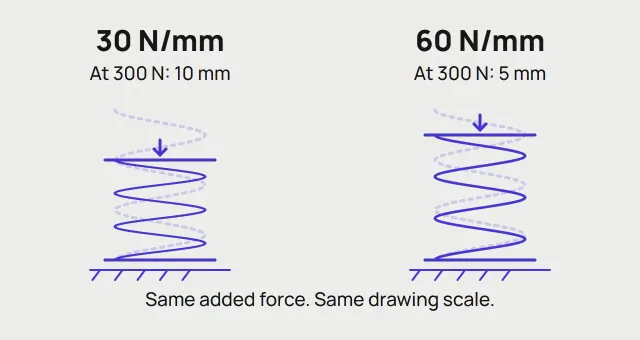
What spring rate tells you
Compare force and movement, read the units and choose a spring with the damper in mind.
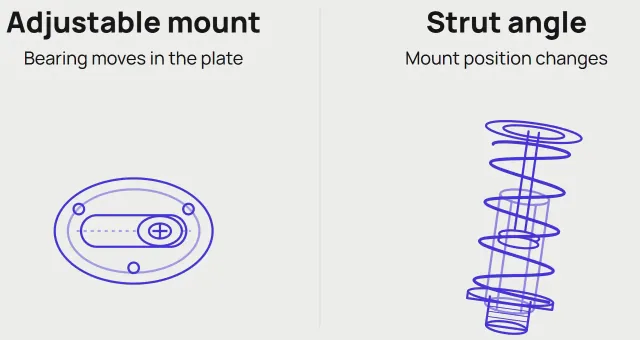
Spring rates and top mounts
Read the front/rear figures and check which mounts come with your kit.
Questions about Audi TT 8J coilovers.
Check the details before choosing your kit.
Which Audi TT does this guide cover?
The second-generation TT 8J, introduced as a Coupé in 2006 and Roadster in 2007. Coupé 8J3 and Roadster 8J9 have application-specific checks. Original 8N and later 8S cars need different kit references.
Are the factory TT 8J rear springs separate from the dampers?
Yes. Audi’s original FWD and quattro 8J rear drawings show the spring on its own seats beside a separate damper. Both use independent rear suspension. The original FWD 8N beam axle is a different layout.
Can I use the same SPAX reference for FWD and quattro?
No. The listed 2WD references are RSX761 and RSX3-1522; quattro uses RSX762 and RSX3-1524. Match the exact car and the manufacturer’s conditions before ordering.
Will ordinary coilovers keep my magnetic-ride settings?
Do not assume so. Magnetic ride uses electronic dampers and controls. Eibach’s listed conventional-kit notes say electronic damper control is lost. Agree an exact vehicle-specific replacement solution; suppressing a warning does not retain the factory damping function.
Does a Coupé Eibach kit automatically fit a Roadster?
No. The listed Coupé PSS65-81-009 references and Roadster PSS65-85-014 references have different application details. Check engine, drivetrain, front-damper diameter, axle loads and the current certificate for the exact car.
Do the AST motorsport versions need extra fitting work?
The source notes strut-tower modification for front canisters on the listed 5200 and 5300 references, and body modification with some front top-mount arrangements. Have the installer confirm the exact set, instructions, access and supporting parts before ordering.
How much can I lower an 8J on wider wheels?
The useful height depends on wheel width, offset, tyres, spacers and the actual suspension. Check inner and outer clearance through steering and suspension movement. A catalogue lowering range cannot establish clearance for a modified wheel package.
Does a more expensive kit make a better road TT?
Compare the adjustment, mounting parts and fitting work for the way you use the car. Extra controls need setup time, while some motorsport versions require body modifications. Allow for supporting repairs and alignment alongside the kit, and choose a specification you can get properly set up.
Let’s talk suspension.
Find your TT, then add its roof style, engine, drivetrain and original damper equipment. Include wheel sizes and previous changes so the exact kit and the fitting work can be checked.