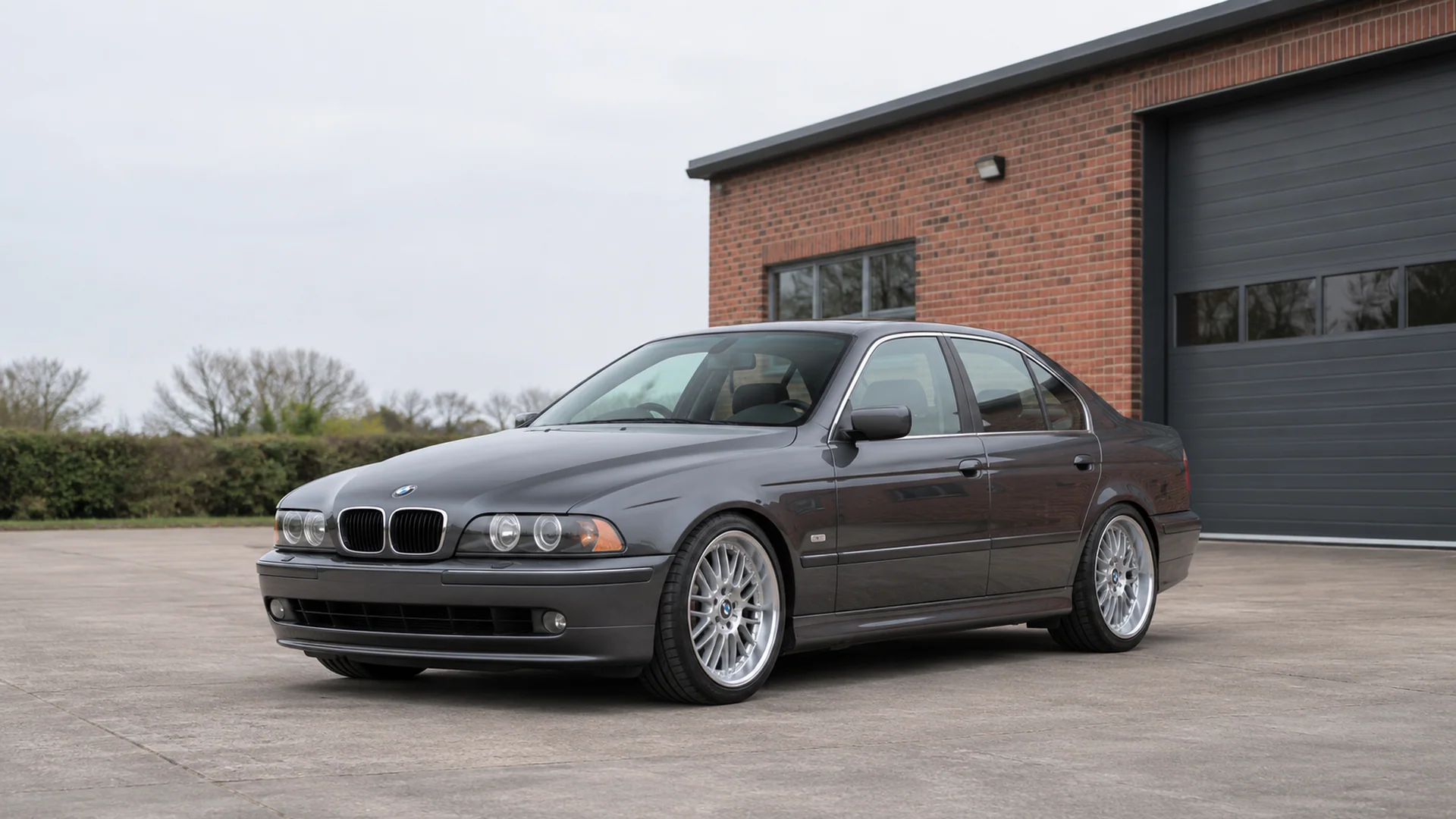
BMW E39.
The coilover guide.
Shop the coiloversE39 saloon and Touring kits need separate checks. Identify the rear suspension, self-levelling equipment and permitted axle loads before choosing between the listed BC Racing, Bilstein and Eibach applications.
Identify the body and its suspension equipment.
Before choosing coilovers for an E39, check whether you have a saloon or a Touring and what is fitted at the rear. Their rear suspension layouts differ, and BC's I-42 Touring application excludes self-levelling cars.
Give the fitter the car's axle ratings and your wheel and tyre details. For road use, agree a height with your normal passengers and luggage in mind, allowing for working travel and wheel clearance. Compare the kits that cover the exact car.
BMW introduced the E39 saloon in 1995 and the Touring in 1997. Saloon production continued through 2003, while the Touring remained in production into 2004. Check the car's build details against the exact kit's application dates.
The rear layout changes with the body. BMW's detailed suspension training shows the saloon coil spring around its damper and the Touring spring mounted separately. Touring equipment also varies: BMW's Canadian 2003 brochure lists self-levelling as optional on the 525iT and standard on the 540iT. Have the actual rear system identified, especially after previous modifications.
Engine and equipment conditions divide the listed kits further. Bilstein's 47-100763 row names four- and six-cylinder saloons, while Eibach separates two engine lists and front axle-load limits. An E39 badge alone cannot settle the application for a V8, M5 or car with electronic damper control.
Model history: BMW Group Archive: E39 saloonBMW Group Archive: E39 TouringBMW North America ST1115 suspension training (archived chapter)BMW Canada 2003 5 Series Touring brochure (archived original)BC Racing current application listBilstein 2020 application catalogueEibach 2017 product catalogue.
Start with your E39.
Match the model year, drivetrain and body style before comparing brands.
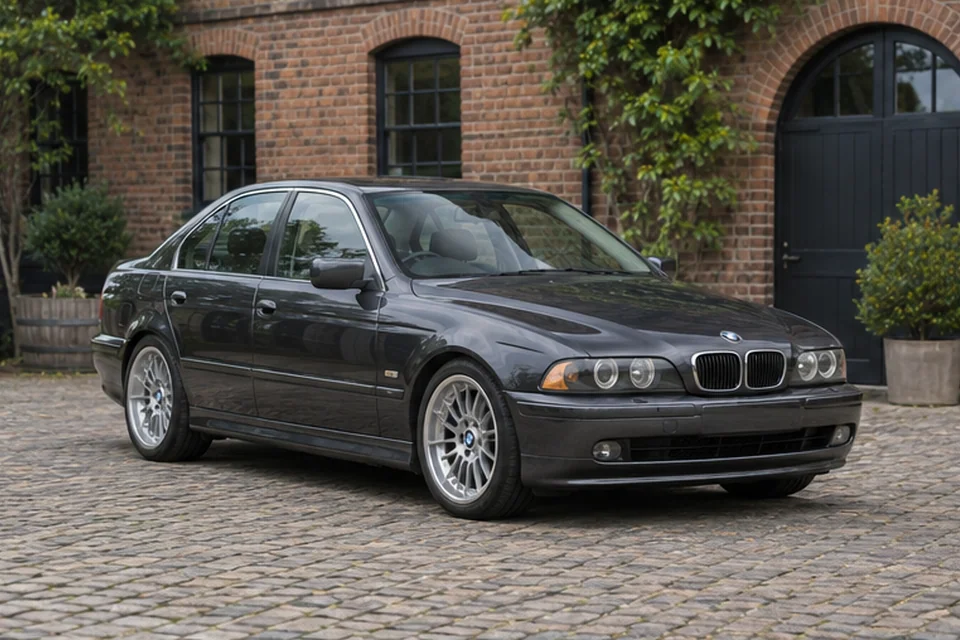
E39 saloon: match the engine and axle ratings
BC lists I-06 for the rear-wheel-drive saloon. The Bilstein and Eibach references have their own engine, axle-load and equipment conditions. Send the build and engine details with both permitted axle ratings so the exact application and mounting parts can be checked.
Check my E39 saloon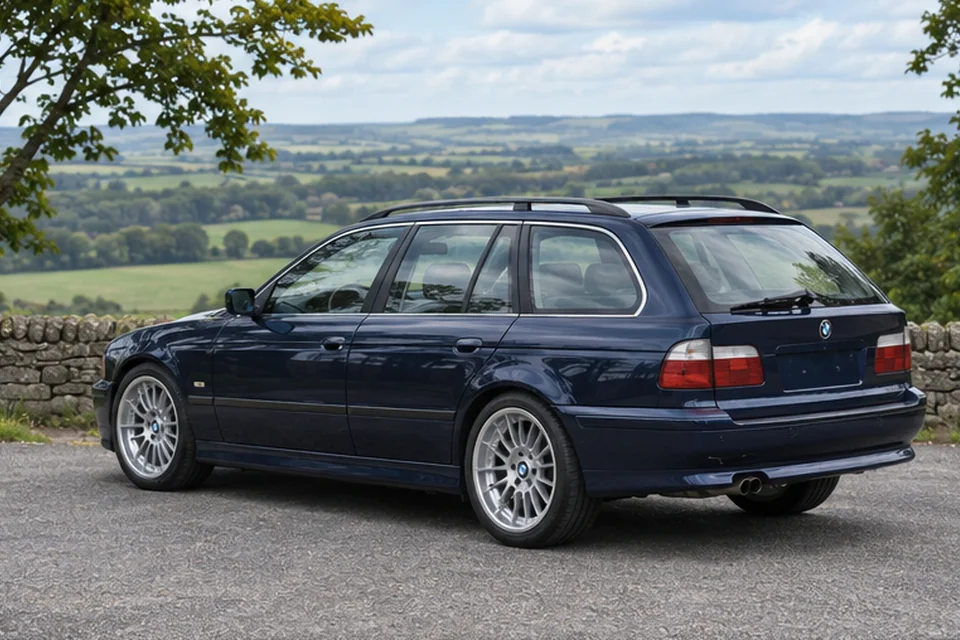
Touring on coil springs: check I-42
BC marks the I-42 rear-wheel-drive Touring application NON-SLS ONLY, meaning cars without self-levelling suspension. Confirm the existing rear springs, dampers and mounts, and include any previous changes. The I-06 saloon listing is a separate application.
Check my coil-sprung Touring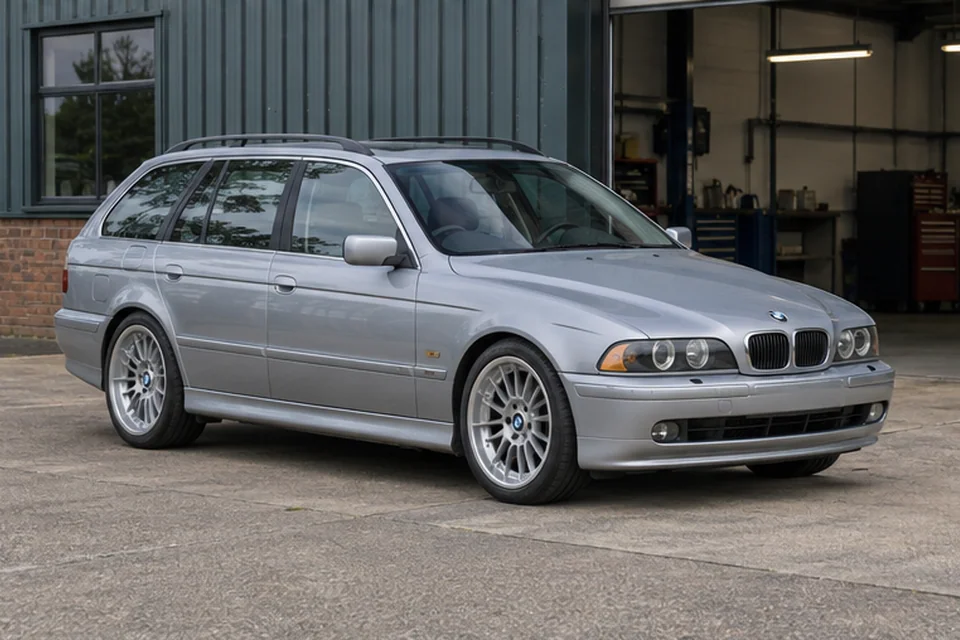
Self-levelling Touring or uncertain rear equipment
Have the rear equipment identified before choosing parts. I-42 excludes self-levelling cars, and its application entry does not confirm an air-to-coil conversion or the components needed for one. Describe any existing conversion when requesting a check.
Check my self-levelling suspension
M5, EDC and changed suspension
Request a separate check for an M5, electronic damper control (EDC), altered mounts or a circuit project. These five listings do not establish an M5 recommendation or an EDC conversion. Give GSM the full model and existing hardware details before selecting a kit.
Discuss my exact E39 specificationWhat do you want
from the car?
Choose advice for everyday driving, occasional circuit days or a dedicated track project.
Agree a usable height and include the required mounting parts in the fitting quote.
Read the buying advice
Start with the body, rear equipment and application conditions, then agree a height around the roads you use and the load you normally carry. Include mounts and bearings in the fitting quote. Have the workshop check working travel and wheel clearance before setting the final alignment. Compare I-06, the named B14 application or the relevant Pro-Street S reference only when it covers the actual saloon; a Touring needs its own check.
- Match body and suspension equipment
- Allow for passengers and luggage
- Include mounts, fitting and alignment
Agree the springs and dampers around the tyres and both uses of the car.
Read the buying advice
Provide both wheel and tyre specifications if you swap them for circuit days. Discuss spring requirements, working travel and inspection work with the fitter. BC's BR RA and RM MA listings name different front assemblies, so compare the complete specification before choosing. A model application alone does not establish that the supplied kit suits the planned event, and a Touring's self-levelling checks still apply.
- List both wheel and tyre sets
- Compare the complete assembly
- Agree inspections and setup records
Choose the suspension specification with the builder and the intended events in mind.
Read the buying advice
Give the builder the completed car's measured weight, tyres, brakes and suspension changes. Agree the springs and damping alongside mounting requirements, working travel and the event rules. Record the setup and inspection plan. Request the exact specification for the project before ordering; the listed road-model references do not establish competition eligibility or cover changed mounting points.
- Measure the completed car
- Agree springs, damping and mounts
- Check the event requirements
The saloon and Touring have different rear layouts.
The rear spring surrounds the damper on a standard BMW E39 saloon.
Component layout only. Mounts, dimensions and adjusters vary by kit.BMW's detailed training shows the E39 saloon rear spring around its damper. Check the exact kit's mounts, dimensions and adjusters separately.
The Touring has a separate rear spring and damper. Identify whether the car has steel coil springs, air/self-levelling equipment or a previous conversion. BC's I-42 Touring application is for cars without self-levelling suspension; do not choose it as a confirmed air-suspension conversion.
Ask the fitter to match the existing arrangement to the exact kit's instructions and supplied rear hardware. Agree how height and damper travel will be set, with spring retention and clearance checked at the intended running height.
Understand height and spring preload
Include the mounting parts and final alignment.
Have the workshop inspect the bushes, joints, spring seats and damper mountings before quoting the job. Establish which top mounts, bearings, fixings and rear parts the chosen kit supplies or retains. For EDC or self-levelling equipment, agree the current application and electronic requirements before work starts.
Supply wheel width, offset, tyre size and any spacer details. The fitter needs to check clearance through steering and suspension movement, with the normal load taken into account. Settle the finished height before final alignment, and keep the measurements and agreed settings with the service record.
Mounts, bearings and bushes
Check the parts required by the exact front and rear assemblies. Have any retained mounts, bearings, seats and bushes inspected before fitting; include replacements in the quote where needed.
Touring rear equipment
Record whether the car has self-levelling equipment and include any later suspension changes. Confirm the spring seats, dampers and mounting arrangement on the actual car before choosing a Touring kit.
Wheels, tyres and spacers
Give the fitter the full wheel and tyre specification. Bilstein and Eibach application notes include clearance conditions, so agree any spacer requirements for the exact kit and wheel combination.
Height and alignment
Choose the height within the exact kit's permitted range, allowing for usable travel and normal loads. Check spring retention and body, tyre and underbody clearance before the final alignment and specified follow-up inspection.
The current E39 range.
Compare the controls and hardware included in each range.

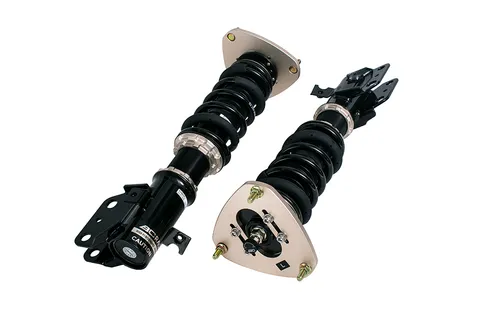
I-06 names the rear-wheel-drive saloon; I-42 names the rear-wheel-drive Touring without self-levelling. The shop lists BR RA as pillowball front/rubber rear and RM MA as inverted front/rubber rear. Nominal shop spring rates are 5 front/4.5 rear kg/mm for I-06 and 5.5/5.5 for I-42. Confirm the supplied specification and mounting parts; those figures do not establish ride comfort or interchangeability.
View BC Racing E39 kits
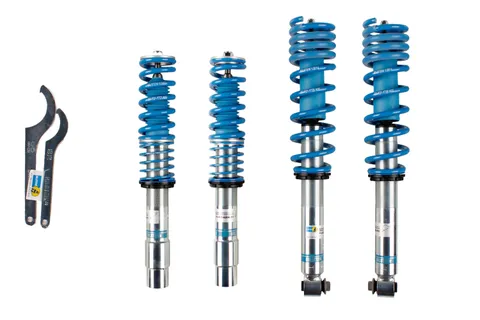
The historical B14 47-100763 row names four- and six-cylinder E39 saloons, with limits of 1,105 kg front and 1,225 kg rear and exclusions for levelling and electronic suspension control. Its listed lowering range is 35-50 mm front and 20-50 mm rear. Obtain the current application and approval for the exact car; the catalogue uses a different reference for V8/M5 applications.
View Bilstein E39 kits
The historical Pro-Street S table gives PSS65-20-005-01-22 limits of 1,020 kg front/1,200 kg rear and 02-22 limits of 1,090 kg front/1,200 kg rear. The engine lists differ: 02 includes 530d, 535i and 540i. Both list 35-65 mm of lowering at each axle and non-levelling conditions. Match the current part/car approval and mounting requirements; a higher front load limit alone does not establish fitment.
View Eibach E39 kitsFind your E39 coilovers.
Prices include UK VAT. Choose an application and brand, then open a kit for its current options and availability.
5 listings
Selected application: All E39 applications
Match the drivetrain, body style and axle-load limits on the product page before ordering.
BC Racing · BCR-I-06
BC Racing Coilovers - BMW 5 Series Sedan (95-04) [E39]
Check the exact application
Bilstein · 47-100763
Bilstein B14 Coilover Kit - BMW 5 Series (E39) - 47-100763
Check the exact application
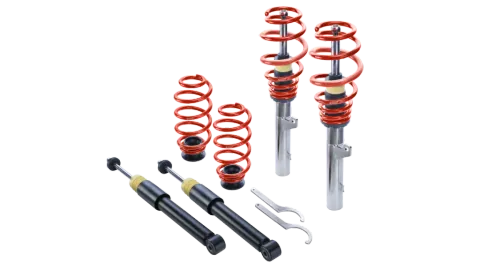
Eibach · PSS65-20-005-01-22
Eibach Pro-Street S Coilover Kit for BMW 5 (E39) - PSS65-20-005-01-22
Check the exact application
BC Racing · BCR-I-42
BC Racing Coilovers - BMW 5 Series Touring (95-04) [E39]
Check the exact application
Eibach · PSS65-20-005-02-22
Eibach Pro-Street S Coilover Kit for BMW 5 (E39) - PSS65-20-005-02-22
Check the exact application
All E39 kit links and part numbers
- BC Racing · BCR-I-06: BC Racing Coilovers - BMW 5 Series Sedan (95-04) [E39]
- BC Racing · BCR-I-42: BC Racing Coilovers - BMW 5 Series Touring (95-04) [E39]
- Bilstein · 47-100763: Bilstein B14 Coilover Kit - BMW 5 Series (E39) - 47-100763
- Eibach · PSS65-20-005-01-22: Eibach Pro-Street S Coilover Kit for BMW 5 (E39) - PSS65-20-005-01-22
- Eibach · PSS65-20-005-02-22: Eibach Pro-Street S Coilover Kit for BMW 5 (E39) - PSS65-20-005-02-22
Before you order.
Identify your car
Provide the body, engine, build date and original market, with both permitted axle ratings from the car's identification plate.
Match the kit
Identify the rear springs and dampers, self-levelling equipment, EDC and any previous suspension changes.
Check what’s included
Match the complete reference and selected configuration to the current application and supplied mounting parts.
Check your modifications
Record wheel width, offset, tyre size and spacers. Agree running height, normal loads and the required clearance checks.
Plan fitting
Confirm current supply before booking fitting, and include alignment and the fitter's follow-up requirements.
See what the adjustments do.
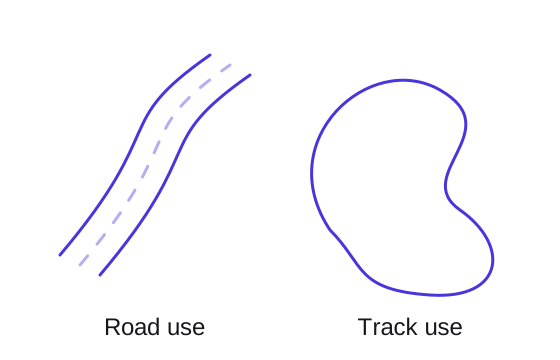
Choosing coilovers for road and track
Compare the kit against your roads, tyres and setup plans before counting adjusters.
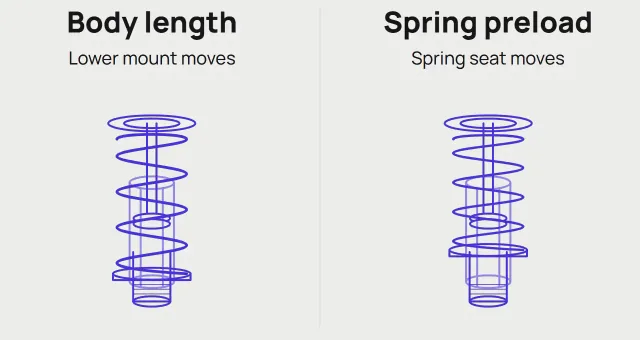
Ride height and spring preload
Understand the two adjustments before choosing a lowering range.
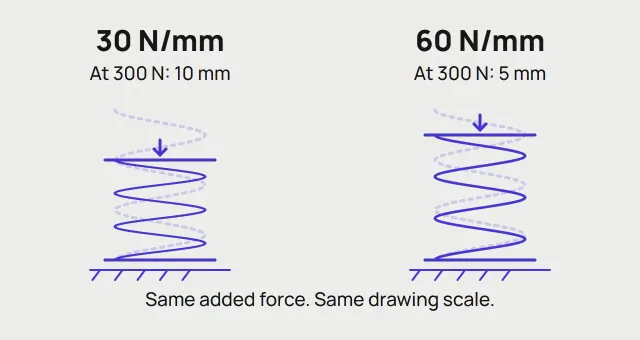
What spring rate tells you
Compare force and movement, read the units and choose a spring with the damper in mind.
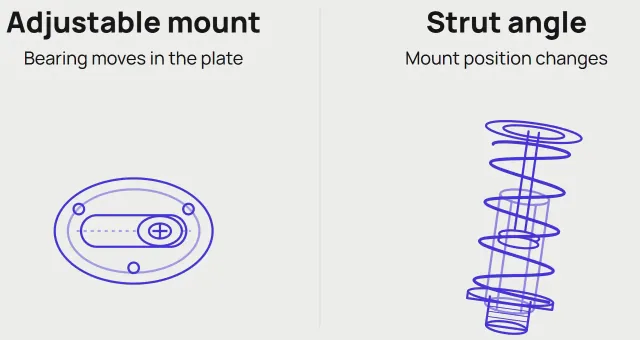
Spring rates and top mounts
Read the front/rear figures and check which mounts come with your kit.
Questions about BMW E39 coilovers.
Check the details before choosing your kit.
Do the E39 saloon and Touring use the same kit?
BC lists I-06 for the saloon and I-42 for the Touring. Their rear layouts differ too: BMW's detailed training shows the saloon spring around the rear damper and the Touring spring separate from it. Check the body and actual suspension before ordering.
Can I use I-42 on a self-levelling Touring?
BC marks I-42 NON-SLS ONLY, meaning cars without self-levelling suspension. Have the rear equipment identified if you are unsure what the car has. This application does not confirm an air-to-coil conversion or supply the parts list for one.
Does Bilstein B14 47-100763 cover every E39?
Bilstein's historical catalogue lists this reference for named four- and six-cylinder saloons, with 1,105 kg front and 1,225 kg rear axle limits. It excludes levelling and electronic suspension control. The V8 and M5 row uses a different reference. Ask for the current application and approval for your car before ordering.
How do the two Eibach references differ?
The historical Eibach table gives PSS65-20-005-01-22 axle limits of 1,020 kg front and 1,200 kg rear. PSS65-20-005-02-22 has a 1,090 kg front limit and the same 1,200 kg rear limit, with a different engine list. Match the current application and both axle ratings; the higher front limit does not make the second kit an automatic upgrade.
Which listed kit should I choose for an E39 M5?
Request an M5-specific application check. These five listings do not establish a suitable M5 recommendation. An E39 label or shared engine size is not enough to confirm the complete kit.
What if my car has EDC?
Tell GSM and the fitter before choosing a kit. Bilstein excludes electronic suspension control from the historical 47-100763 application. Confirm the current kit's mounting and electronic requirements for the actual car; these listings do not establish that EDC can be retained or cancelled with a particular set of parts.
What changes between BC BR RA and RM MA?
The shop describes BR RA as pillowball front with rubber rear mounts, and RM MA as inverted front with rubber rear mounts. Confirm the complete assembly and supplied mounting parts for the order. The labels do not establish an inverted rear damper or the full kit contents.
How low should I set the car?
Use the exact kit's instructions and permitted range. Agree the height with the normal load and actual wheels and tyres fitted. Have the workshop check spring retention, working travel and clearance through steering and suspension movement before final alignment. A catalogue's adjustment range is not a recommended drop for every E39.
Let’s talk suspension.
Send the E39's body, engine, build details and axle ratings. Add the current rear suspension, EDC, wheels and tyres so GSM can check the exact application and mounting requirements.