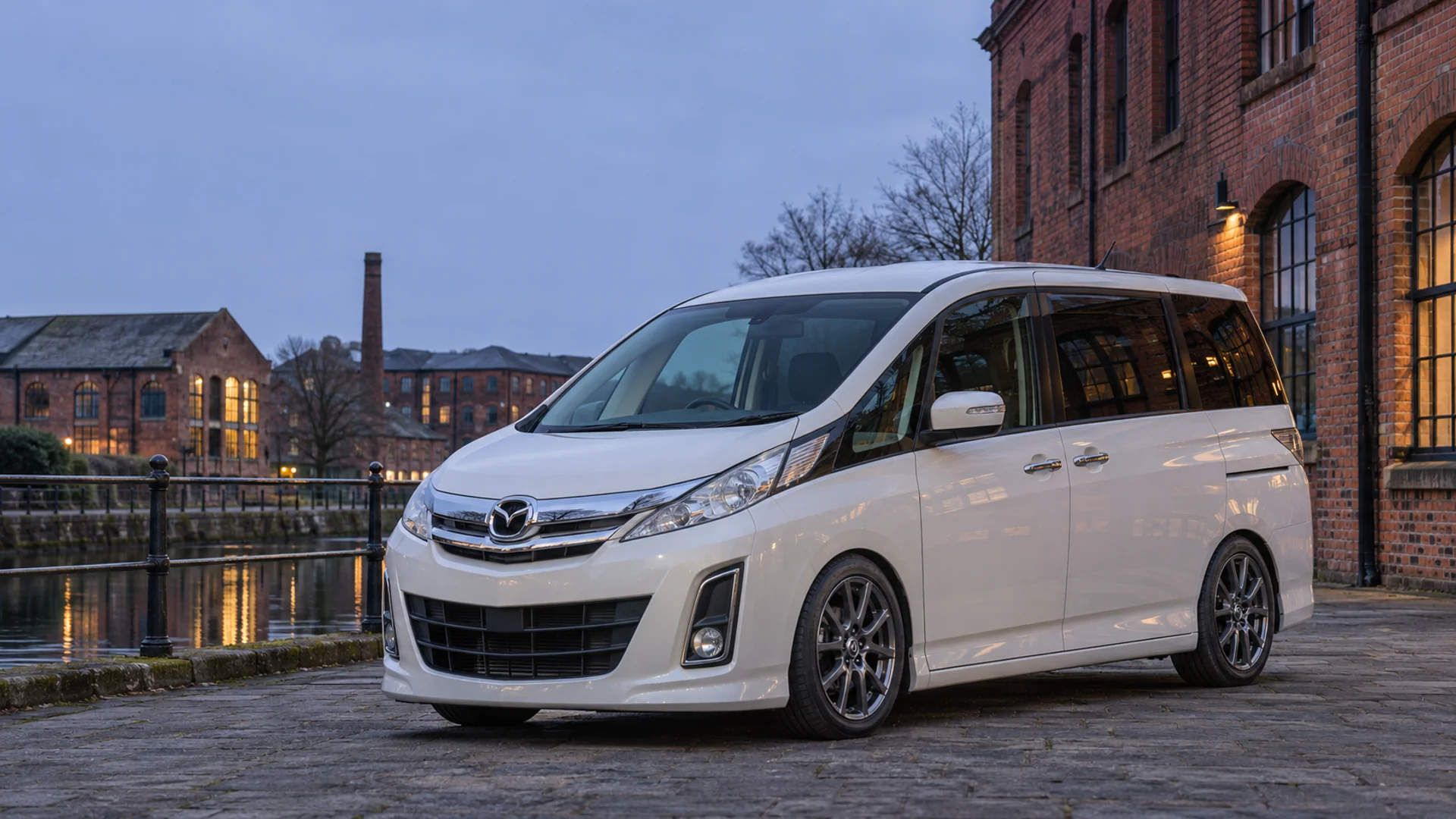
Mazda Biante CC.
The coilover guide.
Shop the coiloversKeep the Biante useful with passengers aboard. Start with the full chassis code and driven wheels, then choose a height that leaves room for suspension movement, the sliding doors and the journeys you make.
Built around a tall cabin and sliding doors.
The current BC Racing listing names the CCEFW front-wheel-drive Biante. Other CC codes appear in Mazda's own manuals, including the later SKYACTIV car and four-wheel-drive versions. Check the complete code on an imported car before choosing its suspension; a Biante badge and registration year leave too much unanswered.
Think about the load it normally carries alongside the stance you want. Wheels that sit neatly under an empty car still need room when the rear seats and luggage space are in use. Worn bushes or spring seats need attention before the final height and alignment are set.
Mazda launched the Biante in Japan in July 2008. Its tall roof, large triangular front quarter windows and long side glass gave it a different shape from the lower Premacy. Inside, the second and third rows could move to create a roomy second-row living space or make access through the cabin easier.
The original range included 2.0-litre and 2.3-litre petrol models, with front-wheel drive and a separate four-wheel-drive specification. Mazda used MacPherson struts at the front and a multi-link rear suspension.
The May 2013 update brought SKYACTIV-G 2.0 and a six-speed automatic to the two-wheel-drive range, alongside the Granz front design. Mazda's manual index identifies CCFFW from that period.
Model history: Mazda's original July 2008 Biante launchMazda's historical Biante profileMazda's May 2013 Biante updateMazda's Biante owner-manual index.
Start with your Biante CC.
Confirm the chassis, year and existing suspension before choosing your setup.
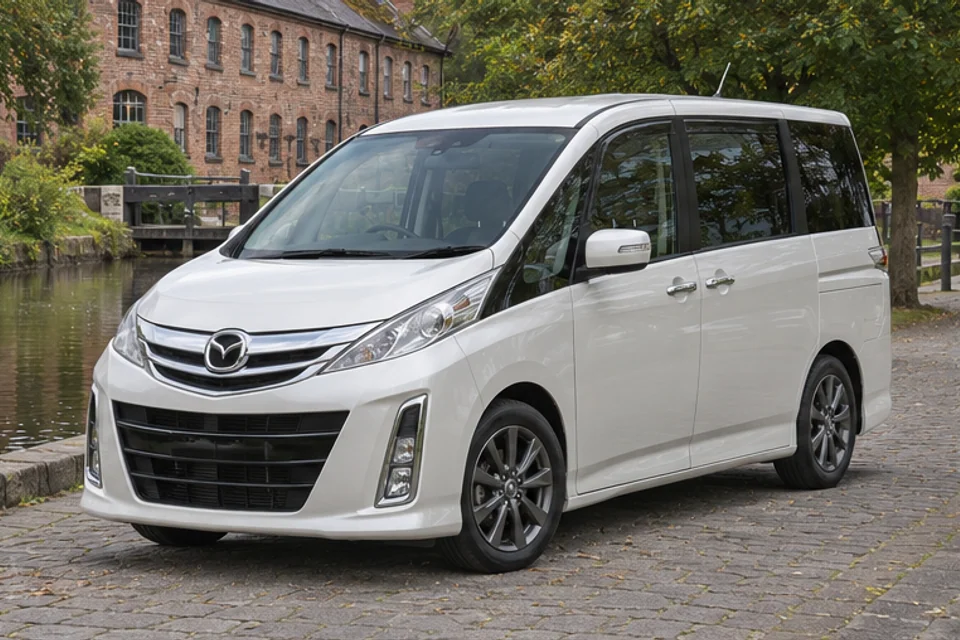
CCEFW FWD: the listed N-19 kit
BC Racing N-19 names the 2008 to 2018 Biante FWD, CCEFW. The current shop package is recorded as V1 VM with rubber front mounts and rubber or no rear mounts. Confirm the supplied springs, rear adjusters and reused parts against the full car details before ordering.
Explore the CCEFW kit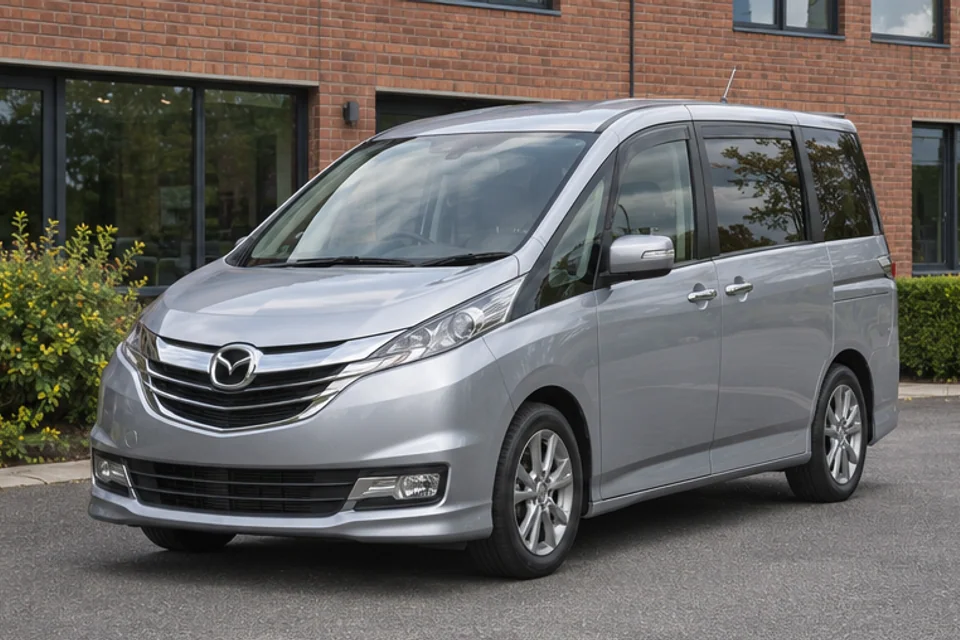
CCFFW and later SKYACTIV cars
Mazda's 2013 two-wheel-drive update introduced a different engine and transmission package. CCFFW needs an exact application check: the current N-19 reference explicitly names CCEFW. Send the chassis and engine code, even if another Biante has a similar front bumper or trim badge.
Check my SKYACTIV Biante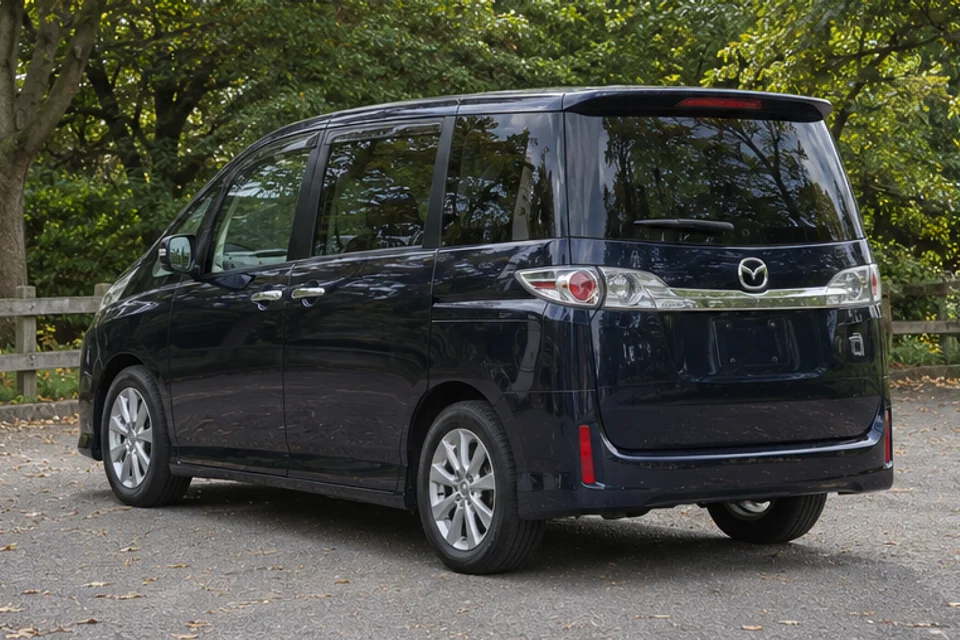
CC3FW 2.3 and CCEAW 4WD
The 2.3-litre and four-wheel-drive cars have their own model codes. A family resemblance does not approve the CCEFW kit for either. Give us the full chassis, engine and driven wheels so the suspension reference and actual mounting hardware can be checked separately.
Check my engine and drivetrain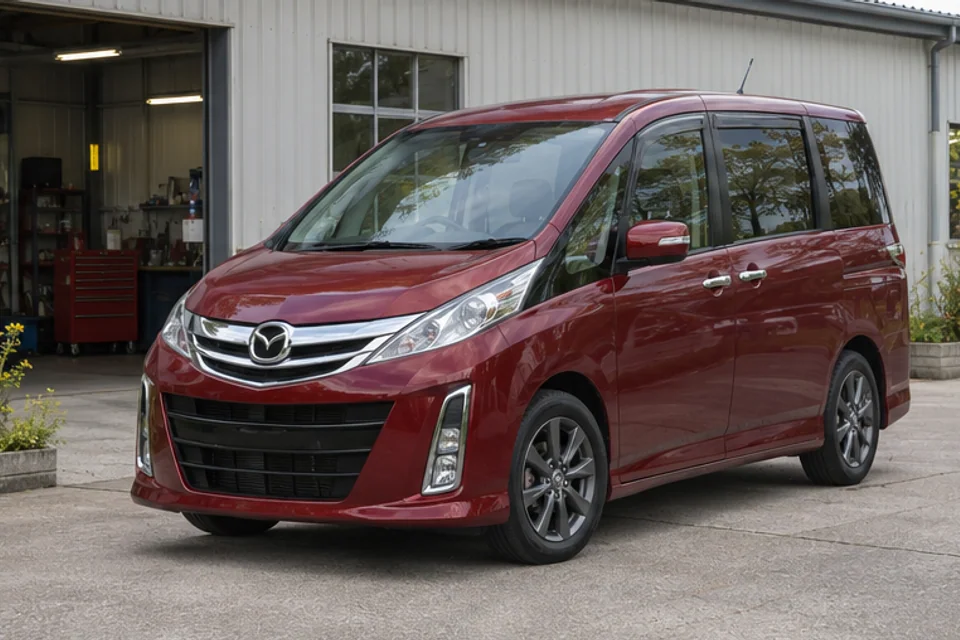
Converted and extensively modified cars
Include changed hubs, arms or drivetrain parts and any equipment added during a conversion. Explain its normal load and wheel package too. The original chassis code is the starting point; the parts now fitted to the car still need to match the proposed suspension.
Discuss my Biante projectWhat do you want
from the car?
Road miles, circuit weekends or a car built around the lap. Start with how you drive.
Keep the ride height useful with your normal load.
Read the buying advice
For a Biante confirmed against the CCEFW FWD application, the current example is BC Racing N-19 V1 VM. Check which rubber mounts and rear spring-seat parts the package supplies or retains. Tell us how you use the rear seats and luggage space, then agree the springs and usable height before fitting.
- Exact CCEFW FWD application
- Recorded rubber-front VM package
- Check clearance with normal passengers and luggage
Discuss the car and event before choosing a specification.
Read the buying advice
Tell us which circuit sessions you have in mind, along with the tyres, running weight and changes to the car. The shop currently lists one Biante package; that does not establish a separate track specification. Check the event's vehicle rules and discuss the springs, damping and supporting work the car would require.
- A specification enquiry
- Include running weight and tyre details
- Check event eligibility and preparation
Work from the completed build's requirements.
Read the buying advice
A cage, different drivetrain or substantial weight changes need a build-specific discussion. Send the proposed event and the actual suspension hardware with the running weight. Confirm that an appropriate complete package can be supplied before committing to a kit, and keep the original CCEFW road application separate from any changed mounts or geometry.
- A build-specific enquiry
- Declare changed mounting hardware
- Confirm a suitable package before ordering
A separate spring and damper at the rear.
On a standard Mazda Biante CC FWD, the rear spring and damper are mounted separately.
Component layout only. Mounts, dimensions and adjusters vary by kit.On the factory FWD Biante layout, the rear spring sits on the lower arm separately from the damper. The front uses a MacPherson strut with the spring around it.
Check the N-19 package's rear springs, seats and adjusters, including any original rubber it reuses. Follow its own instructions for the height and damper settings. The 4WD hardware needs a separate application check.
Understand rear height and preload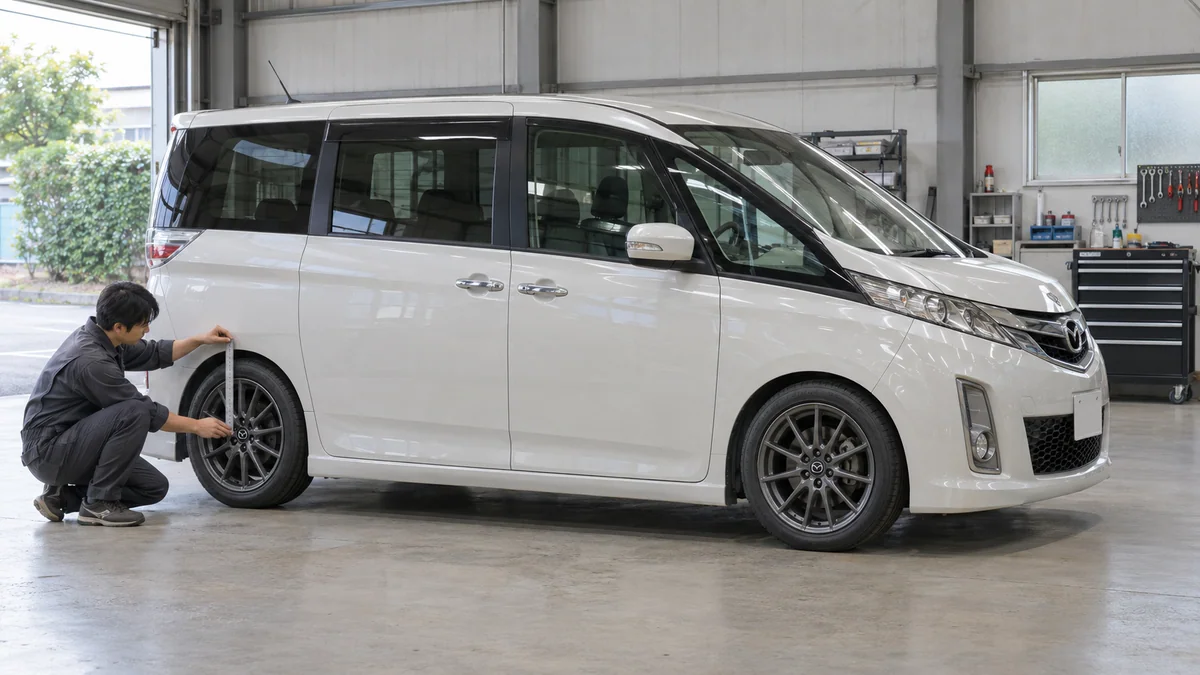
Measure the clearance the car will actually use.
Provide the wheel width, offset, tyre model and spacer details. Check the inner suspension and outer arches through steering and suspension movement, and make sure the sliding doors clear the wheel package.
Have the fitter assess the usual passenger and luggage load before agreeing the final height. Inspect the spring seats, mounts and link bushes while the suspension is accessible. Repair worn parts, settle the suspension, then measure the alignment and check the headlight aim.
Passengers and luggage
Explain the load the car regularly carries, including equipment added during a conversion. Leave room for compression travel at the agreed height and stay within its plated axle and gross weight limits. A firmer damper setting cannot restore travel already used by the load.
Wheels and sliding doors
Declare the complete wheel and tyre specification with any spacers. Check the inner suspension, outer arches and door movement. Choose tyre clearance that works while the suspension moves, rather than judging the gap only with the car parked.
Rubber seats and mounting parts
Inspect parts that the new suspension will retain, especially rubber seats, mounts and dust protection. Ask for the exact N-19 parts list. Worn components should be repaired or replaced before attempting to settle the final height.
Alignment and headlight aim
Complete repairs and height adjustments before the final alignment. Have the fitter check the headlight aim after lowering too. Record the settled height and settings, then follow the supplied kit's inspection and recheck instructions.
Imported and converted specifications
Keep the full chassis and engine details with the order, including CCFFW, CC3FW or CCEAW where applicable. Declare replacement hubs, arms or drivetrain parts. Confirm the actual application instead of extending the CCEFW listing from the badge or body shape.
The current Biante CC range.
See the controls and hardware in the listed kit.

The current Biante listing is N-19 for the named CCEFW front-wheel-drive application, recorded as a V1 VM package. Confirm the supplied springs, rubber mounts and rear hardware before ordering. Other CC versions and specialist builds need an exact check; they are not additional confirmed products in this range.
View BC Racing Biante CC kitsFind your Biante CC coilovers.
Prices include UK VAT. Choose an application and brand, then open a kit for its current options and availability.
1 listing
Match the engine, body style and axle-load limits on the product page before ordering.
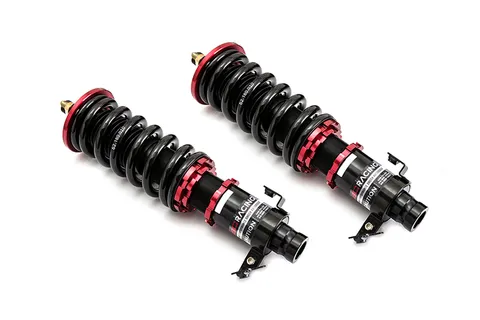
BC Racing · BCR-N-19
BC Racing Coilovers - Mazda Biante (08-18) [CCEFW]
CCEFW FWD: the listed N-19 kit
All Biante CC kit links and part numbers
Before you order.
Identify your car
Record the full chassis, engine, build date, driven wheels and original market, including details of an imported car.
Match the kit
Match the actual CCEFW FWD reference or request a separate check for CCFFW, CC3FW, CCEAW and changed hardware.
Check what’s included
Confirm the supplied springs, mounts and rear height-adjustment parts, with a list of any original parts the kit retains.
Check your modifications
Give the fitter wheel, tyre and spacer details with normal loads; check arch, steering, suspension and sliding-door clearance.
Plan fitting
Arrange repairs and fitting, agree a usable height, confirm availability and plan alignment, headlight and settling checks.
See what the adjustments do.
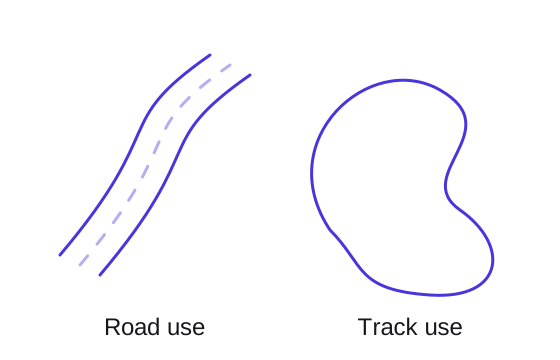
Choosing coilovers for road and track
Compare the kit against your roads, tyres and setup plans before counting adjusters.
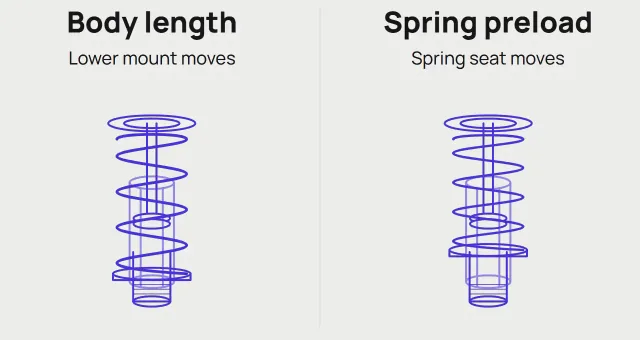
Ride height and spring preload
Understand the two adjustments before choosing a lowering range.
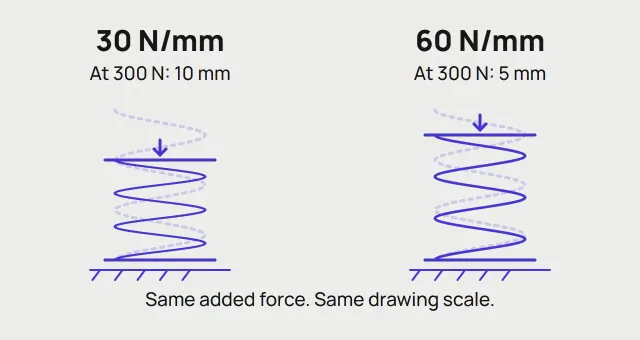
What spring rate tells you
Compare force and movement, read the units and choose a spring with the damper in mind.
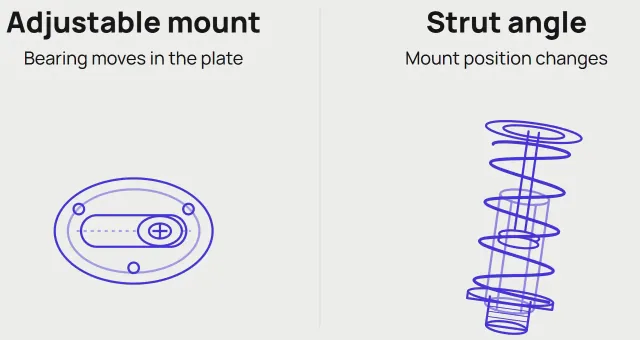
Spring rates and top mounts
Read the front/rear figures and check which mounts come with your kit.
Questions about Mazda Biante CC coilovers.
Check the details before choosing your kit.
Which coilover kit is currently listed for the Biante?
The shop lists BC Racing N-19 for the named Mazda Biante CCEFW front-wheel-drive application. It is recorded as a V1 VM package with rubber front mounts and rubber or no rear mounts. Confirm the complete chassis and exact supplied rear parts before ordering.
Is N-19 confirmed for a later CCFFW SKYACTIV Biante?
Request an exact application check first. Mazda's manual index identifies CCFFW from May 2013, while the current N-19 reference names CCEFW. The shared Biante model name does not establish compatibility with the later engine and transmission package.
What about a CC3FW 2.3-litre or CCEAW four-wheel-drive car?
Give us the full chassis and engine details for a separate check. Those codes identify different Biante specifications in Mazda's own manual index. The CCEFW front-wheel-drive listing does not confirm the correct package or mounting hardware for either one.
Can I choose a kit just from the Granz badge?
Use the complete chassis and engine code instead. The Biante range changed over time, including the 2013 SKYACTIV two-wheel-drive update. A trim badge or similar-looking bumper cannot establish which suspension application matches the car.
Are the factory FWD Biante's rear spring and damper separate?
Yes. The Biante CC two-wheel-drive layout has a spring on its own lower-arm seat beside the rear damper, with MacPherson struts at the front. The illustration shows that layout. Check the actual kit's seats, adjusters and retained parts; four-wheel-drive hardware needs its own application check.
Which package should I choose for circuit use?
Discuss the actual car and event before ordering. The current shop listing is one CCEFW package, without a separate verified circuit specification. Provide the tyres, running weight and changes to the suspension, then confirm event eligibility and a suitable available package.
How low should I set a Biante?
Agree a usable height with the fitter using the kit's supplied instructions and the car's normal load. Allow for suspension compression, steering and access over the roads you use. A single lowering figure cannot account for different tyres, passengers, luggage and modifications.
What needs checking with wider wheels and sliding doors?
Provide wheel width, offset, tyre model and any spacer details. Check the inner suspension and outer arches through movement, and verify that both sliding doors clear the wheel package. Include normal passengers and luggage in the clearance assessment.
Let’s talk suspension.
Give us the complete Biante chassis and engine details, driven wheels and normal passenger load. Add the wheel package and any conversion work so we can check the exact supplied reference.