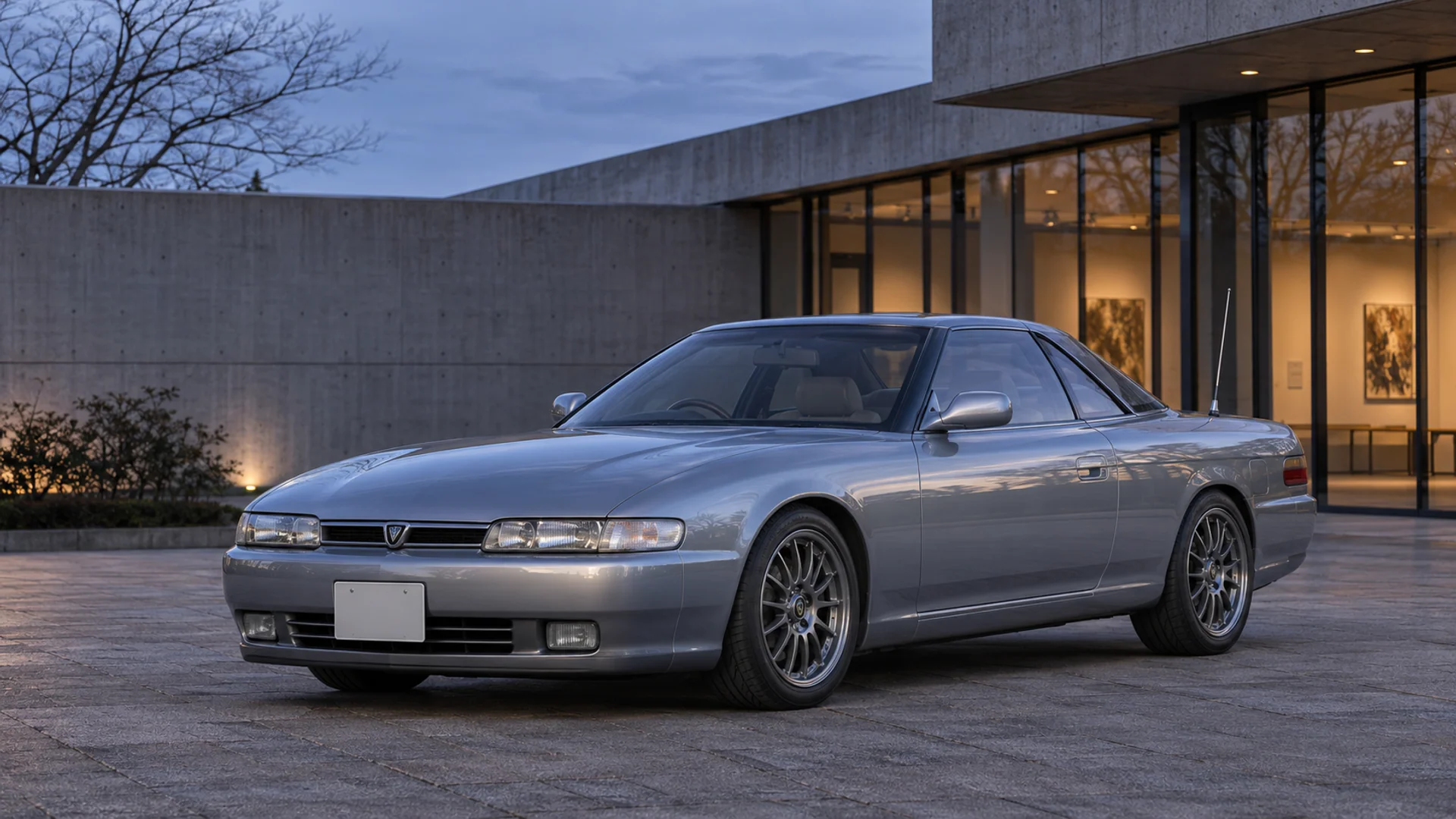
Mazda Eunos Cosmo JC.
The coilover guide.
Shop the coiloversKeep the Cosmo's long-distance character in mind when choosing its suspension. Match the complete chassis reference, inspect the factory rear dampers and agree the supplied specification before setting the stance.
A rotary grand-tourer with its own priorities.
The current BC Racing N-18 listing names JCESE and JC3SE rear-wheel-drive cars. Mazda also records later JCES and JC3S codes, which need a separate application check. Take the full code from the car's identification plate, with details of any engine, gearbox or suspension conversion.
The Cosmo has an unusual factory rear arrangement: a spring and main damper unit, plus an additional damper on each side. Ask how the proposed package deals with those components. Inspect worn bushes and mounts before deciding the final height or trying to tune out a fault with the adjusters.
Mazda introduced the Eunos Cosmo in 1990 as a premium two-door coupe. The long bonnet and low cabin housed a four-seat interior, with a two-rotor 13B or three-rotor 20B engine driving the rear wheels through an automatic gearbox. This is the JC car, distinct from the earlier Cosmo AP and HB generations.
Its original brochure spends as much space on the cabin as the engine. Type E equipment included the period communication system on specified cars; Type S had its own wheel, tyre and suspension specification. Preserving a comfortable road car and preparing a substantially altered circuit build call for different discussions.
Mazda used double-wishbone front suspension and a multi-link rear with twin dampers. That factory hardware deserves a careful inspection on an ageing import. Choose the replacement around the actual car and its intended use, with the supplied parts list beside the chassis details.
Model history: Mazda's Cosmo historyMazda's 1990 chronologyOriginal March 1990 Mazda Eunos Cosmo brochure.
Start with your Eunos Cosmo JC.
Confirm the chassis, year and existing suspension before choosing your setup.
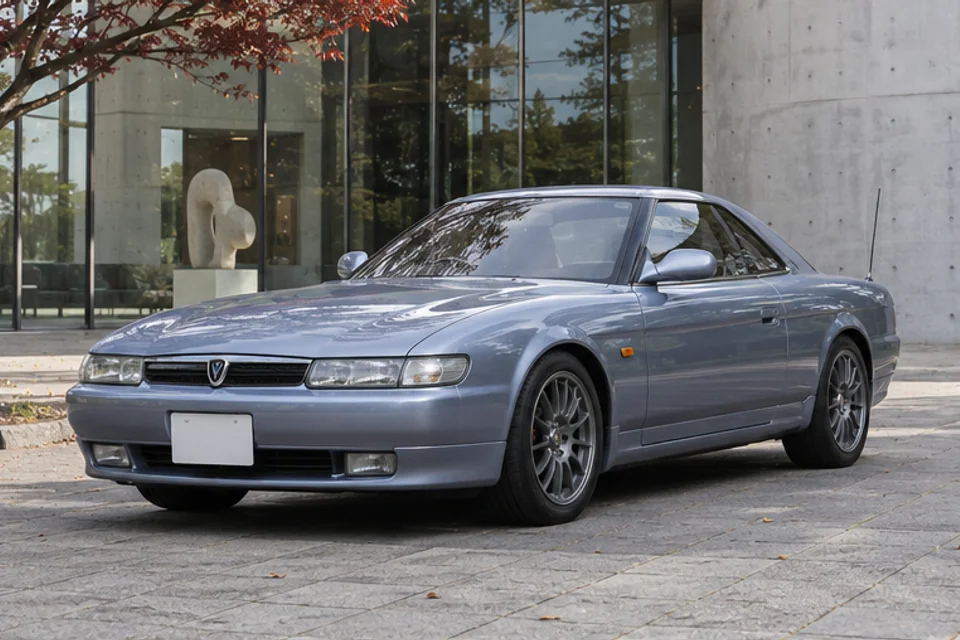
JCESE / JC3SE: the listed N-18 kit
BC Racing N-18 names the 1990 to 1995 Cosmo RWD with JCESE or JC3SE chassis codes. The current shop option is recorded as BR RS with rubber mounts at both ends. Confirm its springs and rear installation instructions against your car before ordering.
Explore the named JC kit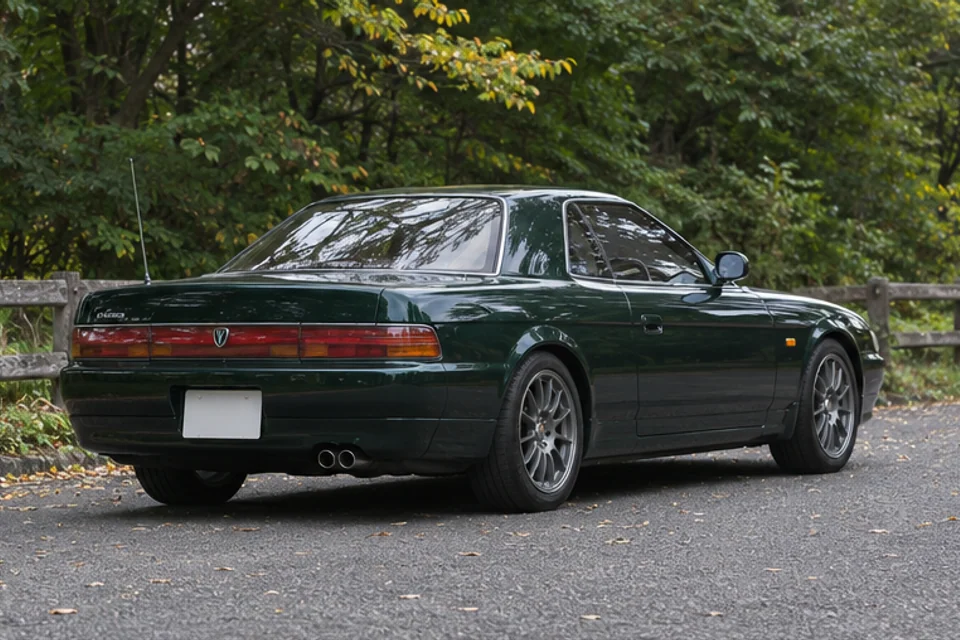
Later JCES / JC3S cars
Mazda's own records identify later JCES and JC3S codes. The current N-18 reference explicitly names JCESE and JC3SE, so send the complete chassis and build details for a check. Registration year alone cannot settle that difference.
Check my later chassis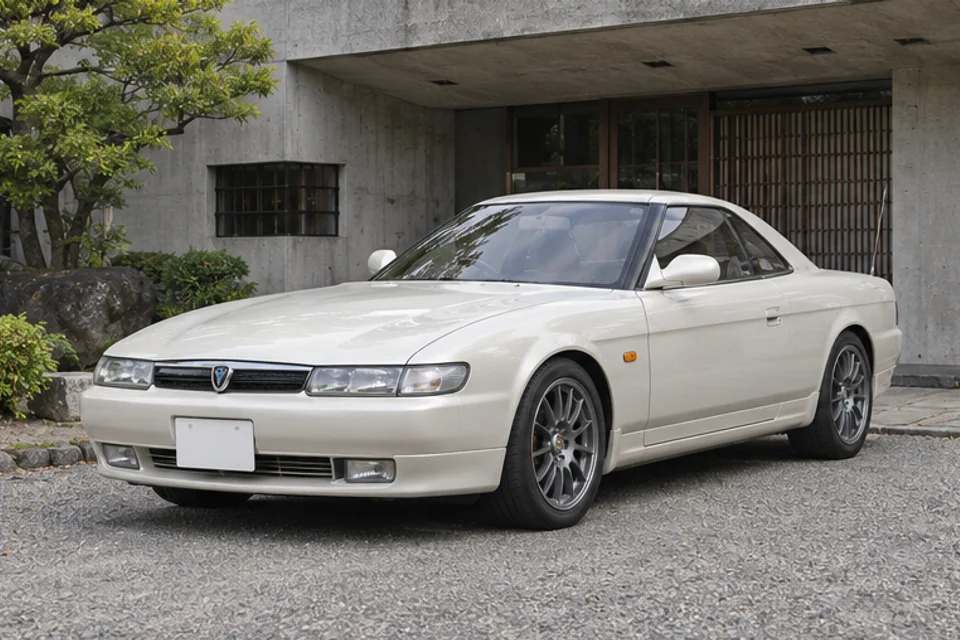
13B, 20B and original trim
The original brochure pairs JC3SE with the two-rotor 13B and JCESE with the three-rotor 20B. Include the engine and Type E or Type S details, with the hardware still fitted. A badge, wheel design or photograph cannot confirm the supplied suspension package.
Check my engine and equipment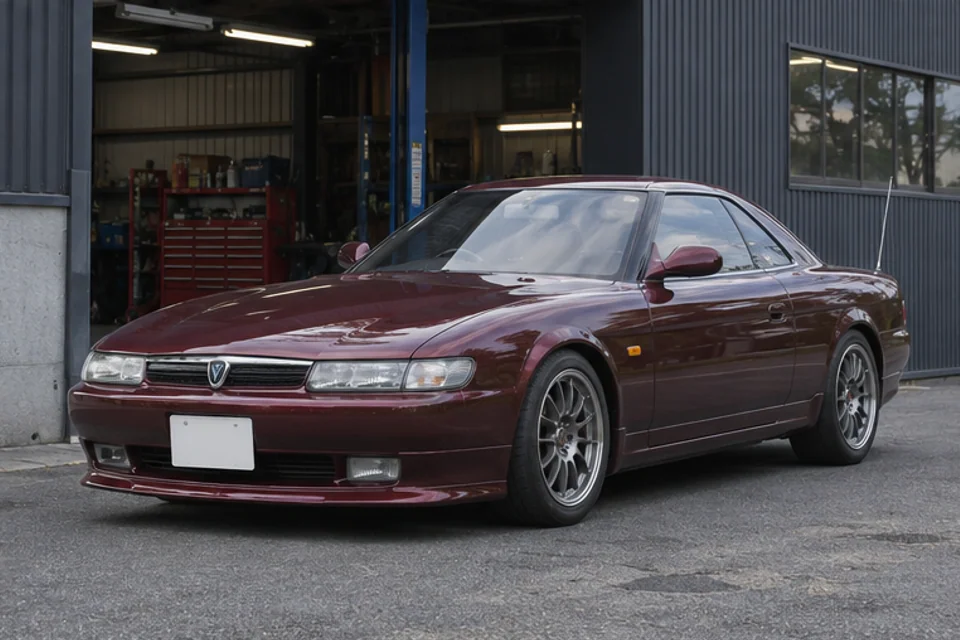
Converted and developed cars
Declare engine or manual-gearbox conversions, changed subframes and any altered suspension mountings. Include the running weight and wheel package. The original chassis code remains useful, but the parts now on the car need checking against the proposed kit.
Discuss my Cosmo projectWhat do you want
from the car?
Road miles, circuit weekends or a car built around the lap. Start with how you drive.
Agree a useful height and a complete fitting specification.
Read the buying advice
For a Cosmo confirmed against the named JCESE or JC3SE application, the current example is BC Racing N-18 BR RS. Check the exact spring specification, rubber mounts and the instructions for the factory additional rear dampers. Tell us how much of the original touring character you want to retain and which roads the car normally uses.
- Exact named JC application
- Recorded rubber front and rear mounts
- Confirm rear hardware and supplied springs
Work through the tyres, weight and event requirements first.
Read the buying advice
Discuss the planned sessions with the car's running weight, tyres and current modifications. One listed road package does not establish a dedicated circuit specification. Check the event's rules, the condition of the original arms and bushes, and how the proposed kit handles the rear damping hardware before choosing springs or settings.
- A specification enquiry
- Include tyres and actual running weight
- Review the factory rear hardware
Choose around the completed build and its mounting points.
Read the buying advice
A cage, drivetrain conversion or substantial weight change alters the requirements. Send the event, running weight and exact suspension hardware so an appropriate complete package can be discussed. Confirm its availability and fitting instructions before committing to the build's springs, damping and geometry.
- A build-specific enquiry
- Declare conversions and changed mounts
- Confirm an appropriate complete package
The extra dampers at the rear.
Factory rear components on a 1990 Eunos Cosmo 20B Type E: a spring/damper unit and an additional damper at each side.
Component identification only. Confirm the replacement kit's instructions and retained parts.Mazda's original JC layout uses a spring around the main rear damper, with an additional damper at each rear corner. Its 1990 brochure shows the arrangement on a 20B Type E. The front uses double wishbones.
Ask for the N-18 installation instructions and parts list, including the treatment of the original additional rear dampers. The listed option does not settle which factory parts remain. Have the fitter inspect the existing mounts and hardware; do not remove components on the assumption that any four-corner kit replaces everything.
Understand height and preload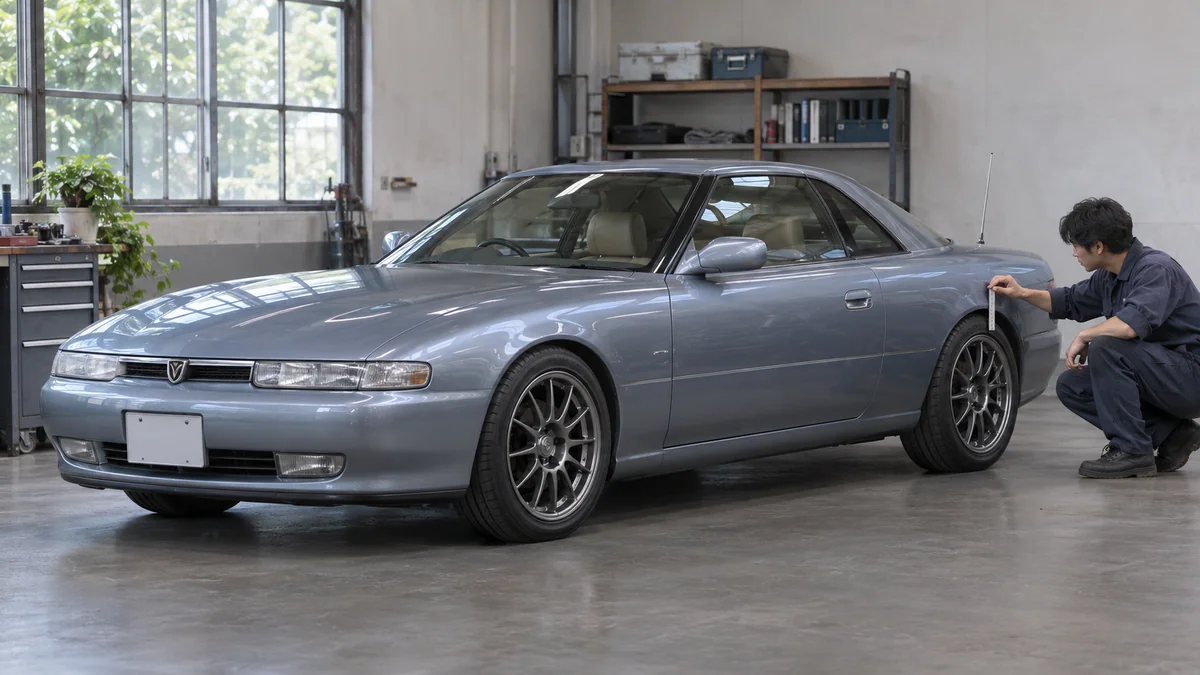
Check the car before choosing the final height.
Record wheel width, offset, tyre model and any spacers. Have the fitter check inner suspension and outer-arch clearance through steering and suspension movement, with the usual passengers and luggage considered.
Inspect the original arms, ball joints, bushes and damper mountings while access is available. Repair worn parts before the final alignment. Record the settled ride height and settings, then follow the supplied package's inspection and recheck instructions.
Original rear damping hardware
Check the main spring/damper units and the additional rear dampers. Get the replacement kit's own instructions for every retained or replaced component. A generic product photograph cannot establish the Cosmo-specific contents.
Arms, bushes and ball joints
Have the fitter inspect play, damaged rubber and corroded fixings before setting the car up. Worn suspension parts can affect alignment and feel; a firmer damping setting does not repair them.
Wheel and tyre clearance
Provide the full wheel specification and any spacers. Assess clearance through lock and suspension movement, including the inner hardware and outer arches. Preserve usable travel at the intended height.
Engine and gearbox conversions
Declare the actual engine, transmission and mounting changes with the running weight. Keep the original chassis reference alongside those details so a conversion is assessed as fitted.
Settled height and alignment
Complete repairs and fitting before the final alignment, and check headlight aim after changing the height. Keep the measured settled height and starting settings with the car's records for later checks.
The current Eunos Cosmo JC range.
See the controls and hardware in the listed kit.

The current Cosmo option is N-18 BR RS for the named JCESE / JC3SE rear-wheel-drive application. Confirm the exact springs, rubber mounts and instructions for the original additional rear dampers. Later codes and changed mounting hardware need a separate check.
View BC Racing Eunos Cosmo JC kitsFind your Eunos Cosmo JC coilovers.
Prices include UK VAT. Choose an application and brand, then open a kit for its current options and availability.
1 listing
Match the engine, body style and axle-load limits on the product page before ordering.
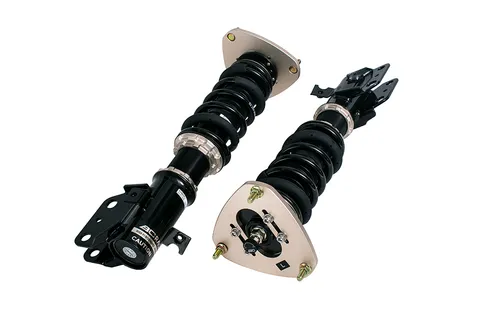
BC Racing · BCR-N-18
BC Racing Coilovers - Mazda Cosmo (90-95) [JCESE/JC3SE]
JCESE / JC3SE: the listed N-18 kit
All Eunos Cosmo JC kit links and part numbers
Before you order.
Identify your car
Record the complete chassis, engine, build details and original equipment from the car.
Match the kit
Match the named JCESE / JC3SE application or request a separate check for later codes and conversions.
Check what’s included
Confirm the exact springs, mounts and fitting instructions, including the factory additional rear dampers.
Check your modifications
Supply wheel, tyre and spacer details; assess clearance through movement and allow usable suspension travel.
Plan fitting
Arrange repairs and fitting, confirm availability, then plan settled alignment, headlight and follow-up checks.
See what the adjustments do.
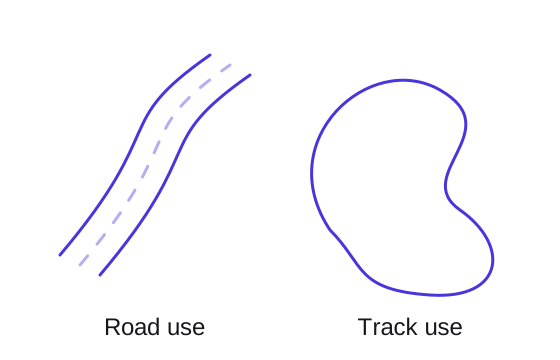
Choosing coilovers for road and track
Compare the kit against your roads, tyres and setup plans before counting adjusters.
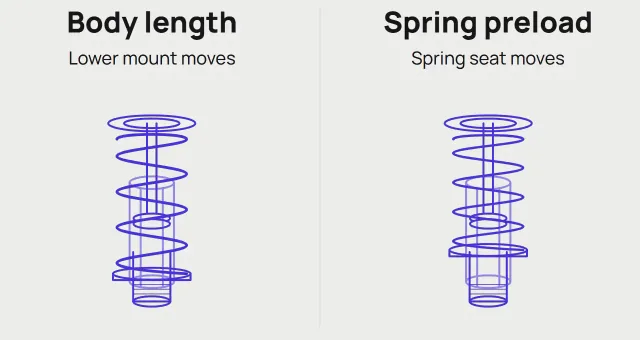
Ride height and spring preload
Understand the two adjustments before choosing a lowering range.
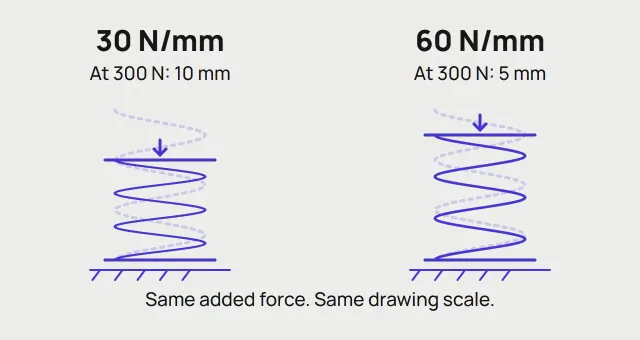
What spring rate tells you
Compare force and movement, read the units and choose a spring with the damper in mind.
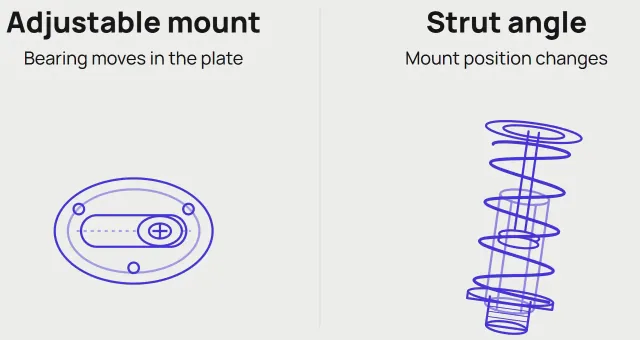
Spring rates and top mounts
Read the front/rear figures and check which mounts come with your kit.
Questions about Mazda Eunos Cosmo JC coilovers.
Check the details before choosing your kit.
Which kit is currently listed for the Eunos Cosmo JC?
The shop lists BC Racing N-18 for the named 1990 to 1995 JCESE / JC3SE rear-wheel-drive application. The current option is recorded as BR RS with rubber mounts front and rear. Confirm the full chassis and supplied specification before ordering.
Does the same listing confirm JCES or JC3S fitment?
Request an exact application check for those later codes. Mazda records JCES and JC3S separately, while the current N-18 reference explicitly names JCESE and JC3SE. Give us the complete chassis and build details.
Which early chassis code belongs to the 13B or 20B?
Mazda's original March 1990 brochure pairs JC3SE with the two-rotor 13B and JCESE with the three-rotor 20B. Check the identification plate and actual engine, particularly on a converted car.
Does the factory Cosmo really have two rear dampers per side?
Yes. Mazda describes the JC rear suspension as a multi-link arrangement with twin dampers. Its 1990 brochure shows a spring and main damper unit plus an additional damper at each rear corner on a 20B Type E. The guide's component view illustrates that original arrangement.
Should I remove the original additional rear dampers?
Follow the exact replacement kit's fitting instructions. Confirm which factory components the package retains or replaces before starting work. The current option listing and a generic product image do not establish that instruction.
What spring rates should I order?
Confirm the actual N-18 supplied specification for your car. Published rate figures differ between sources, so this guide does not promise a universal pair. Include the running weight, tyres, conversions and intended use when discussing the springs.
Which Cosmo package is recommended for circuit use?
Discuss the car and event before choosing a specification. Supply the running weight, tyres and modifications, and confirm the proposed package's treatment of the original rear hardware. The one current listing does not establish a separate verified competition option.
How low can I usefully set the Cosmo?
Agree the height with the fitter using the supplied kit's instructions and the actual wheel package. Leave clearance through steering and suspension travel, allow for normal loads, and complete the final alignment once the suspension has settled.
Let’s talk suspension.
Send the full Cosmo chassis and engine details, any conversion work and the wheel package. We can check the named kit and discuss the rear hardware before you choose the final setup.