
Mazda CX‑3 DK.
The coilover guide.
Shop the coiloversStart with the chassis code and original market. BC N-32 names DK5FW and DK5AW; TEIN lists specific Japanese-market cars with a rear spring-insulator fitting requirement.
A compact crossover with a road-car brief.
The CX-3 puts a tall driving position into a compact five-door body. A modest change in ride height can suit that shape, but the car still needs room for its tyres and normal passenger load. Decide how you use it before choosing a height.
The current range contains BC Racing N-32 and TEIN FLEX Z VSMC4-C1AS3. Their chassis coverage differs. Use the exact build details to choose between them, particularly for an imported car or a UK-market example with a familiar engine badge.
Mazda revealed the CX-3 in November 2014 and began Japanese sales on 27 February 2015. Its short body and high seating position suited everyday urban use. Japan's launch range used a 1.5-litre diesel with front-wheel-drive and all-wheel-drive alternatives; export engines varied by market.
Updates followed during the same generation. The March 2018 announcement included revised cabin and exterior details, changes to ride refinement and an electric parking brake. Build dates and original-market specifications help distinguish those cars when ordering parts. The separate CX-30 has its own applications.
For a road build, choose the wheel and tyre package alongside the suspension. Wider wheels or spacers change the clearance you need at the arch and beside the front strut. If the car also does track days, give the fitter the tyre specification and normal operating weight before discussing springs and damping.
Model history: Mazda November 2014 CX-3 revealMazda February 2015 Japanese launchMazda March 2018 update.
Start with your CX‑3 DK.
Match the model year, engine and body style before comparing brands.
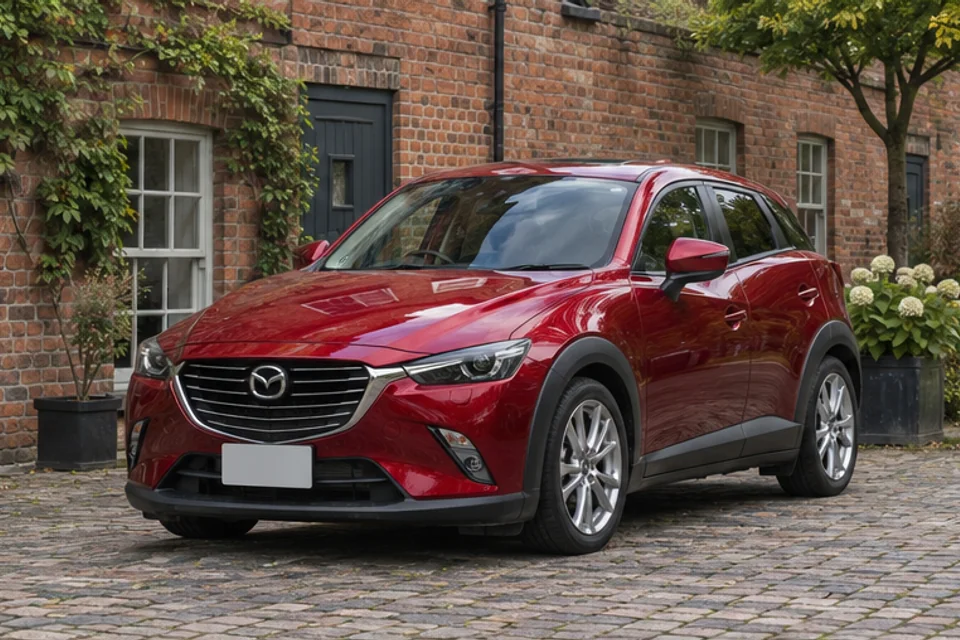
BC N-32: DK5FW and DK5AW
BC's application table names the 2015-on CX-3 DK5FW FWD and DK5AW AWD for N-32. The current selector offers BR RA and inverted-front RM MA. Confirm the engine, build date and supplied mounting parts against the named chassis before ordering.
View N-32 configurations
TEIN: named Japanese-market cars
VSMC4-C1AS3 lists Japanese DK5FW, DK5AW, DKEFW, DKEAW and DKLAY applications with specific engines, grades and production periods. Check the complete row on the product page. Every listed row requires modification to the original rear spring insulator.
Check the TEIN application rows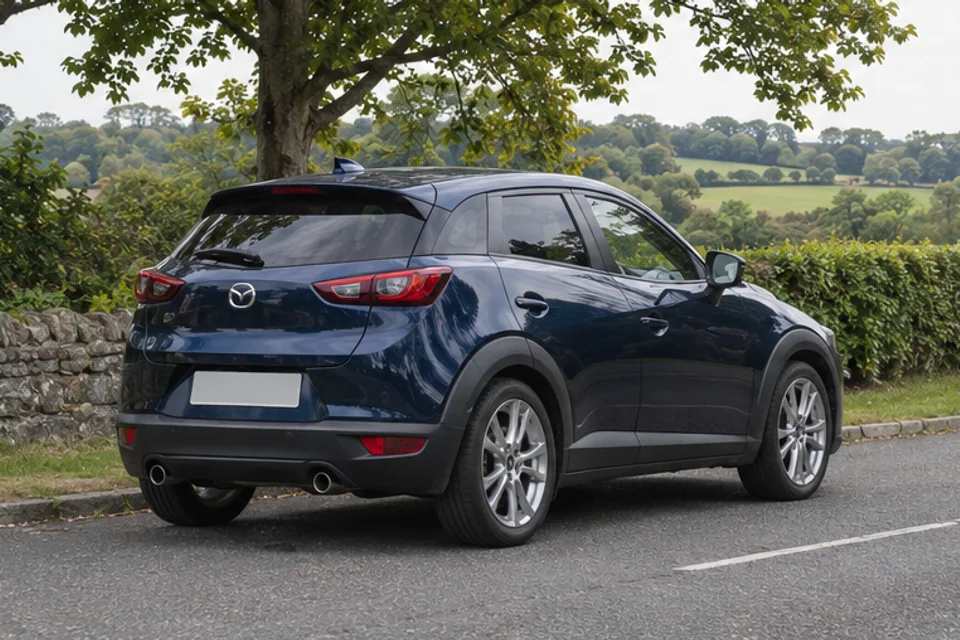
UK cars and other chassis codes
Send the full chassis identification, engine and build date for a UK-market car or a code outside the named applications. A matching displacement or registration result does not establish original-market compatibility. Keep CX-30 and Mazda3 kit references separate.
Check my CX-3 application
Modified suspension or wheel package
Include any changed hubs, arms or mounting points, plus wheel width, offset, tyre size and spacers. Tell us whether the car normally carries passengers or luggage and how much circuit use is planned. The selected kit needs checking against the car in its current form.
Discuss my modified CX-3What do you want
from the car?
Road miles, circuit weekends or a car built around the lap. Start with how you drive.
Choose a usable height around your wheels and normal load.
Read the buying advice
For the named DK5FW or DK5AW application, N-32 BR RA is the starting example. It has a pillowball front arrangement and rubber rear mounting. Confirm the complete mount and bearing package with the fitter, including any effect on noise. Keep enough movement for the roads you use and check the rear with normal passenger and luggage loads considered.
- Match the named DK5 chassis
- Confirm front mounting hardware
- Retain usable travel and clearance
Discuss front damper construction alongside tyres and springs.
Read the buying advice
The N-32 RM MA option uses an inverted front arrangement for the same named DK5 chassis. Ask what that construction changes in the supplied package and whether it suits your tyre and circuit brief. BR can also form part of a road-and-track discussion. Start with the intended running height and record changes so you can assess them on familiar roads or at the circuit.
- Check the exact RM MA option
- Discuss tyres and supplied springs
- Keep a record of setup changes
Agree the complete specification for the car you are building.
Read the buying advice
A dedicated project needs its weight with driver and fuel, tyre choice and intended event written down. Identify changed suspension hardware and discuss spring selection, usable damper movement and service support. The current BR and RM options alone do not establish a competition package for every CX-3. Ask about the complete specification before committing to parts.
- Supply operating weight and event
- Identify changed suspension parts
- Agree springs, movement and servicing
A torsion beam with separate rear springs.
On a standard Mazda CX‑3 DK, the rear spring and damper are mounted separately.
Component layout only. Mounts, dimensions and adjusters vary by kit.Mazda's original chassis drawing shows front struts and a rear torsion beam. Each rear spring sits on its own seats beside the damper. A kit sold as coilovers can therefore have separate rear springs and dampers; the name does not mean all four springs surround their dampers.
Follow the selected kit's instructions for the spring platforms, seats and damper length. TEIN requires the original rear spring insulator to be modified on every listed CX-3 application. Have the installer confirm that work and check spring retention and available movement at the agreed height. The rear height platform does not provide independent camber or toe adjustment.
Understand rear spring height and preload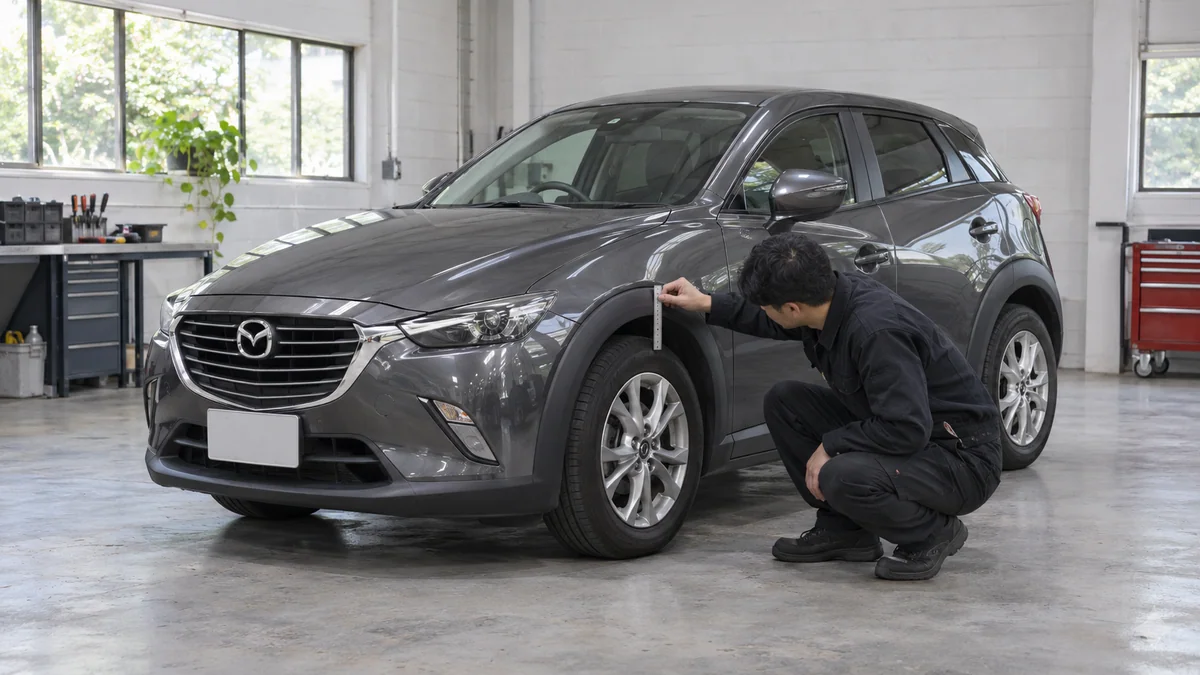
Check clearance with the car's normal load.
Give the fitter the complete wheel, tyre and spacer details before booking. Check the front beside the strut at steering lock and through suspension movement, then the rear arches with passenger and luggage loads considered. A wheel that looks clear while parked may still foul as the suspension moves.
Inspect the front mounting parts, rear spring pads and beam bushes before fitting new dampers. Agree a running height within the selected kit's instructions, then have the alignment measured after installation and settling. Keep that record for later wheel, tyre or height changes.
Wheels, tyres and spacers
Record width and offset as well as diameter. Include the actual tyre size and any spacers. Check inner clearance beside the strut and outer clearance at the arch through steering and suspension movement, with the car's normal loads considered.
Mounts and bearings
BR RA, RM MA and TEIN have different mounting and construction details. Confirm the supplied parts, what will be reused and the condition of existing bearings and mounts. Ask how the damping adjusters will be reached after assembly.
Rear pads and spring seats
Identify damaged pads or altered spring seats before fitting. For the TEIN application, allow for the required original-insulator modification using the current instructions. Check spring location and retention at the selected height.
Running height and alignment
Have the car measured with its intended wheel package and appropriate load. Use the maker's recommended range for the exact application. Once the installation has settled, obtain an alignment record and review clearance before changing the height again.
The current CX‑3 DK range.
Compare the controls and hardware included in each range.

N-32 names DK5FW FWD and DK5AW AWD. The current options are BR RA with a pillowball front arrangement and RM MA with inverted front dampers; both name rubber rear mounting. Confirm supplied springs, mounts and fitting hardware for the chosen configuration.
View BC Racing CX‑3 DK kits
FLEX Z VSMC4-C1AS3 uses twin-tube dampers with combined compression and rebound adjustment. Its seven Japanese-market CX-3 rows distinguish chassis, engine, driven wheels and dates, with rubber mounts and a required rear spring-insulator modification. Recommended height ranges belong to each row. Ask separately about optional electronic control and installation access.
View TEIN CX‑3 DK kitsFind your CX‑3 DK coilovers.
Prices include UK VAT. Choose an application and brand, then open a kit for its current options and availability.
2 listings
Match the engine, body style and axle-load limits on the product page before ordering.
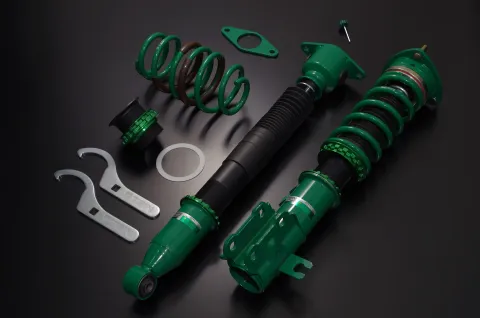
TEIN · VSMC4-C1AS3
TEIN FLEX Z Coilovers for Mazda CX-3 DKEAW, DKEFW, DKLAY, DK5AW, DK5FW (Japanese-market imports) - VSMC4-C1AS3
TEIN: named Japanese-market cars
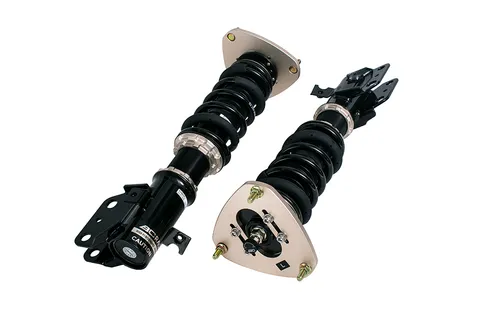
BC Racing · BCR-N-32
BC Racing Coilovers - Mazda Cx-3 (2015+) [DK5FW&DK5AW]
BC N-32: DK5FW and DK5AW
Before you order.
Identify your car
Identify the full chassis code, engine, build date, driven wheels and original market.
Match the kit
Match the exact BC or TEIN application and chosen configuration, including any changed suspension hardware.
Check what’s included
Confirm supplied and reused mounts, bearings and spring seats. Include the TEIN rear-insulator modification where required.
Check your modifications
Check wheel widths, offsets, tyres and spacers for steering and suspension clearance, with passenger and luggage loads considered.
Plan fitting
Agree fitting, settled running height, alignment and current supply timing before booking the work.
See what the adjustments do.
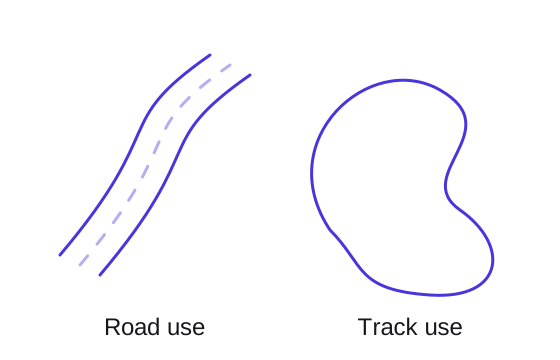
Choosing coilovers for road and track
Compare the kit against your roads, tyres and setup plans before counting adjusters.
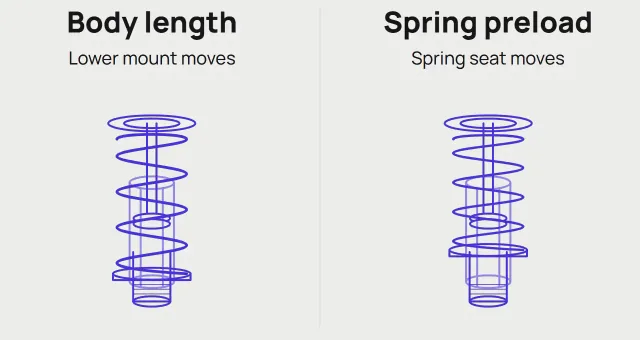
Ride height and spring preload
Understand the two adjustments before choosing a lowering range.
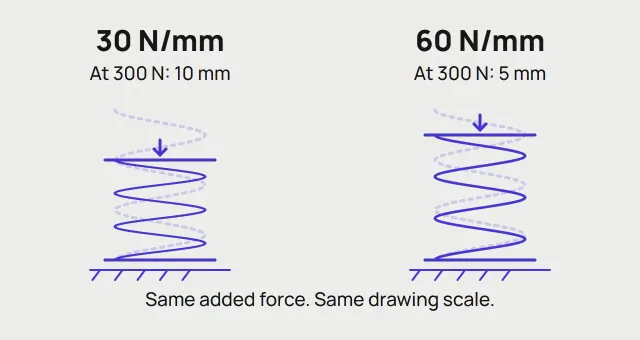
What spring rate tells you
Compare force and movement, read the units and choose a spring with the damper in mind.
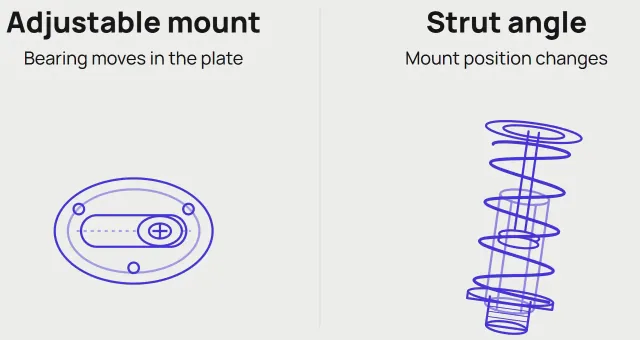
Spring rates and top mounts
Read the front/rear figures and check which mounts come with your kit.
Questions about Mazda CX‑3 DK coilovers.
Check the details before choosing your kit.
Which CX-3 chassis does BC N-32 name?
BC names the 2015-on CX-3 DK5FW FWD and DK5AW AWD. The current selector has BR RA and RM MA configurations. Confirm the full vehicle details and supplied parts before ordering; the N-32 listing does not automatically approve other DK chassis codes.
Which CX-3 applications does TEIN FLEX Z list?
VSMC4-C1AS3 lists Japanese DK5FW and DK5AW 1500 cc cars from February 2015 to May 2018; DKEFW and DKEAW 2000 cc cars in July 2017 to April 2018 and May 2018 to October 2021 periods; and DKLAY 1500 cc AWD from April 2022. Check the exact grades and application row on the product page.
Does a UK registration match confirm the Japanese-market TEIN application?
No. Registration helps identify the car, but the maker's listed original market, chassis, grade and build period still need checking. Send those details for a UK-market car or an import whose exact application is uncertain.
Are the CX-3's rear springs separate from the dampers?
Yes. Mazda's chassis drawing shows a torsion-beam rear arrangement with springs on their own seats beside the dampers. Use the selected kit's instructions for spring platforms, damper length and retention at the chosen height.
Does the TEIN kit require any fitting modification?
Every listed CX-3 row for VSMC4-C1AS3 requires modification to the original rear spring insulator. Agree the work with the installer using the current supplied instructions, including the spring-seat and retention checks.
Is the recommended lowering range the same for every CX-3?
No. TEIN's recommended height ranges vary between the named chassis rows. Use the exact application and distinguish the recommended operating range from maximum mechanical adjustment. Wheels, tyres and normal load also need checking at the chosen setting.
Can I use a CX-30 or Mazda3 coilover kit on a CX-3?
Those are separate applications. Match a kit explicitly listed for the exact CX-3 chassis and original market. A similar model name or an ambiguous DK reference on another product is insufficient fitment evidence.
What does the RM option change compared with BR?
The listed N-32 RM MA configuration uses inverted front dampers, while BR RA has its own front mounting arrangement. Discuss the supplied spring and hardware package for your tyres and intended use. That construction difference alone does not specify a complete competition setup.
Let’s talk suspension.
Use the finder, then include the chassis code, engine, build date and original market. Add the driven wheels and wheel package so the exact kit application and fitting requirements can be checked.