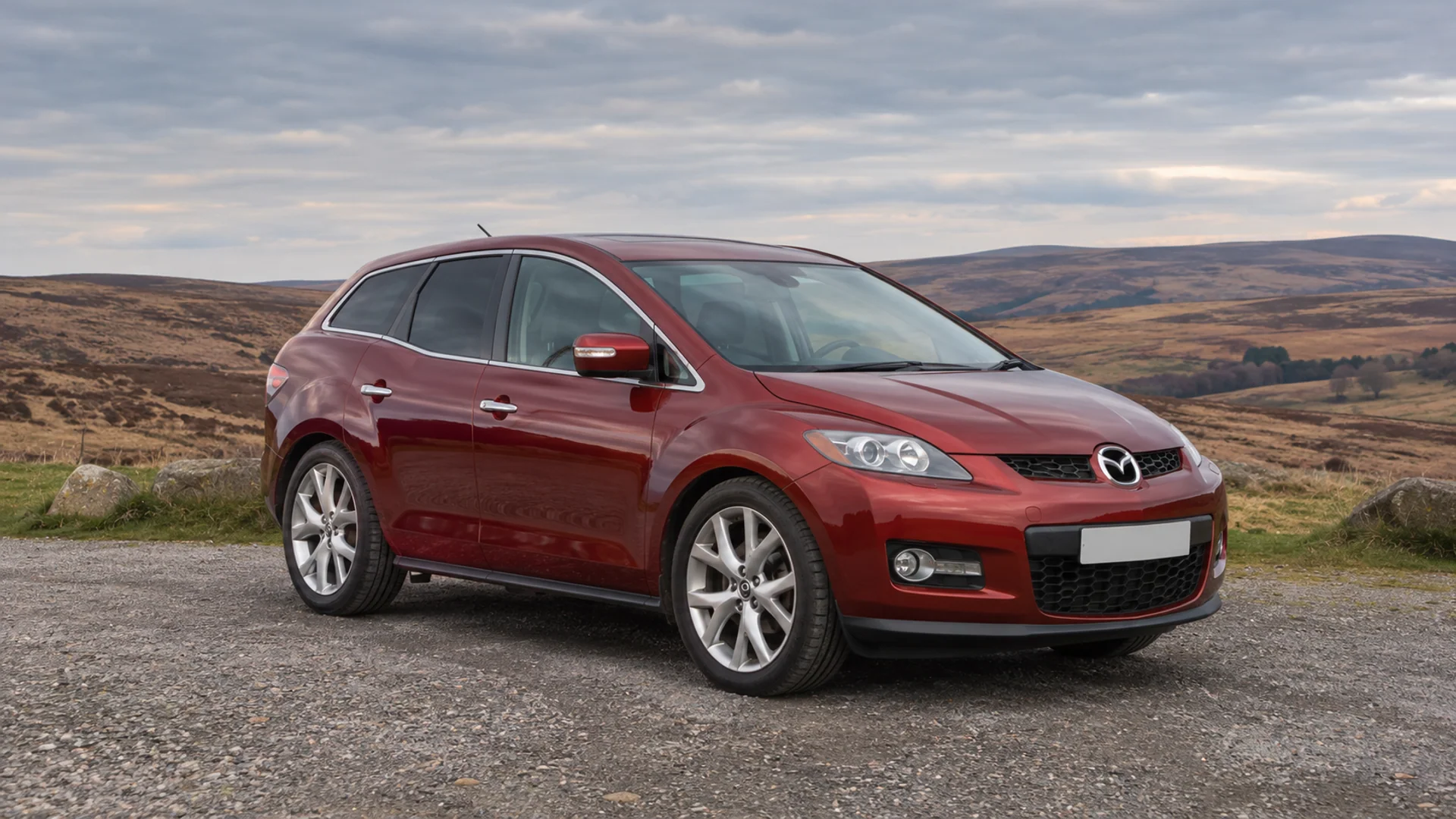
Mazda CX‑7 ER.
The coilover guide.
Shop the coiloversThe N-26 listing names ER3P, with a BR RA package. Check your full chassis and driven wheels, then plan the height around the tyres, passengers and roads the car has to carry.
The crossover with the steep windscreen.
The CX-7's front arches and steep windscreen give it a shape that still suits a restrained drop. Start with the wheels already on the car: their width, offset and tyre size determine the clearances the fitter needs to check. Keep room for the suspension to move when the boot is full.
The current range here is one BC Racing N-26 kit. Its BR RA description names pillowball front mounts and rubber rear mounting. Discuss the supplied parts and any originals to be reused before booking the installation. An early turbo car, a facelift diesel and an import need their own application checks.
Mazda launched the CX-7 in North America in May 2006, followed by Japan that December. The original five-seat car combined a sloping roof and pronounced front arches with a 2.3-litre direct-injection turbo engine. Japan offered front-wheel drive and four-wheel drive with a six-speed automatic. Those details describe that market's launch car; engine and gearbox choices elsewhere varied.
The updated CX-7 brought a larger lower grille and changes inside the cabin. Mazda announced the 2.2-litre MZR-CD diesel for Europe in 2009, while the US range gained a naturally aspirated 2.5-litre petrol. The similar bodywork can hide quite different engines and driven-wheel combinations, so use the identification plate and build date when selecting suspension.
For a car of this age, include the condition of the existing suspension in the plan. New coilovers will be assessed alongside the bushes, bearings and arms that remain. A sensible wheel package and enough travel for everyday loads give the fitter a more useful starting point than an arch-gap photograph alone.
Model history: Mazda Japanese CX-7 launch, December 2006Mazda 2010 US specification deckMazda 2011 CX-7 overviewMazda European facelift diesel announcement.
Start with your CX‑7 ER.
Confirm the chassis, year and existing suspension before choosing your setup.
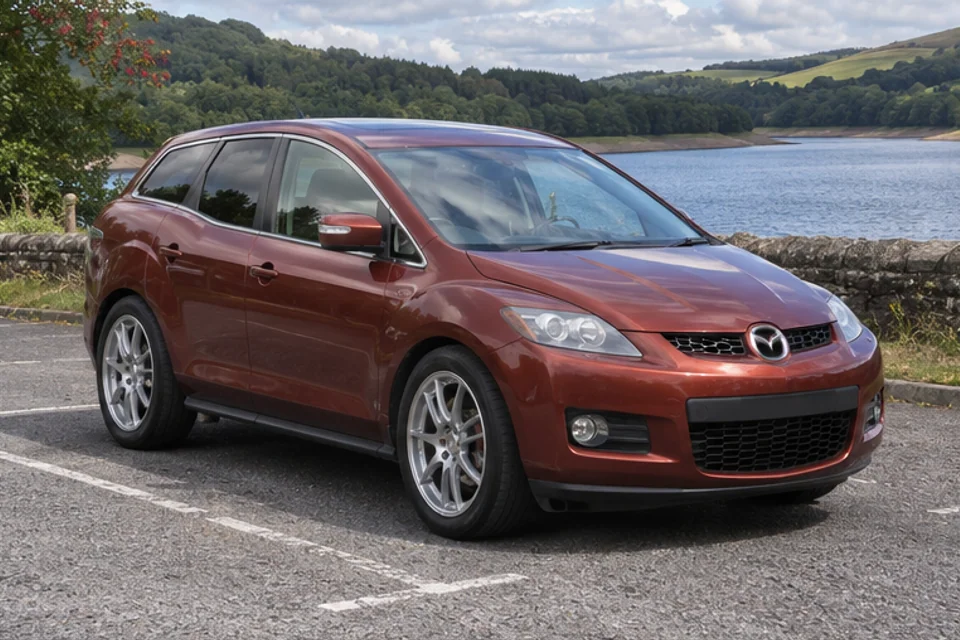
N-26: the named ER3P application
BC's application table names the 2007 to 2012 CX-7 ER3P in front-wheel-drive and all-wheel-drive form. The current product is the BR RA package. Match the complete chassis, engine and build date before ordering.
View the N-26 kit
Recognising the updated car
The facelift nose has a larger lower grille and different foglamp surrounds. Record the chassis and engine as well as the registration year. A later bumper or a facelift appearance cannot establish which kit application the car needs.
Check my facelift CX-7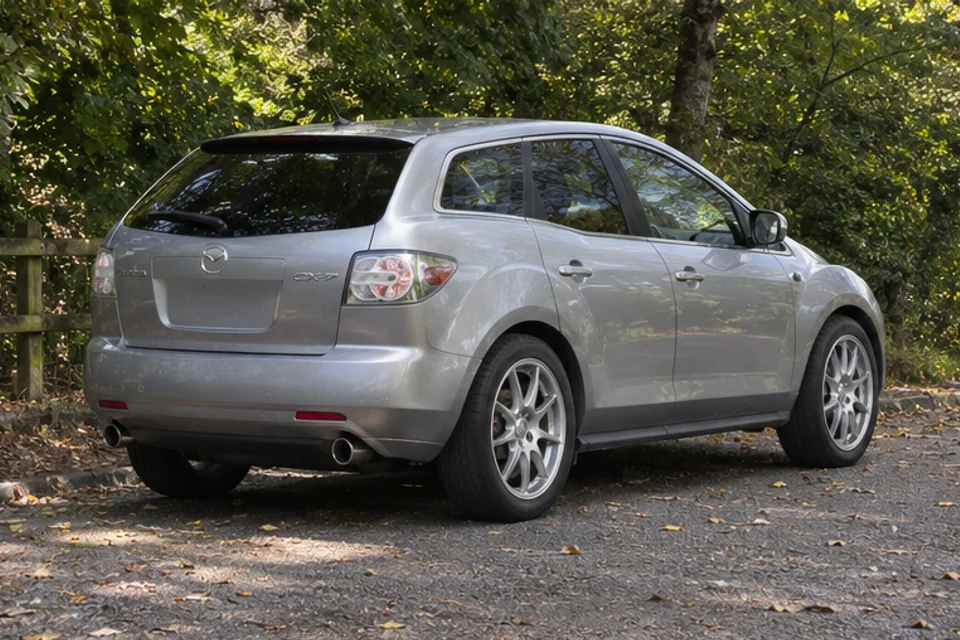
Diesel, other codes and imports
For a diesel, another chassis code or an imported car, send the complete identification and original market. The N-26 listing specifically names ER3P. Confirm a different application with us before selecting that kit.
Check my exact application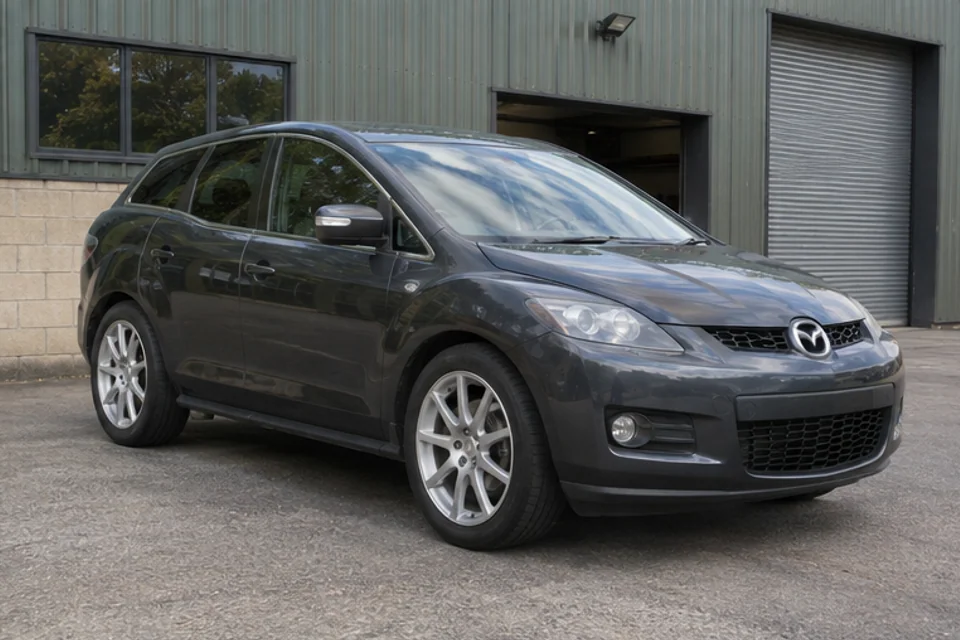
A different wheel or suspension package
Include wheel widths, offsets, tyre sizes and any spacers, plus altered arms or mounting parts. Tell us the height you have in mind and how the car is normally loaded so we can discuss the existing setup with you.
Discuss my modified CX-7What do you want
from the car?
Road miles, circuit weekends or a car built around the lap. Start with how you drive.
Keep room for the roads and loads you use every week.
Read the buying advice
The N-26 BR RA is the current example for the named ER3P application. Its pillowball front mounting is worth discussing if cabin noise and ride comfort matter on longer journeys. Agree which mounts and fitting parts are supplied, then choose a running height within the kit's instructions. Have the fitter check speed humps, driveway ramps and clearance with the car normally loaded.
- Confirm the ER3P application
- Discuss mounts and cabin noise
- Check clearance at normal load
Build a repeatable setup around the actual tyre package.
Read the buying advice
The same listed BR RA kit can be discussed for a road car that attends occasional track days. Give the fitter the tyre specification and the amount of everyday driving you intend to keep. Agree spring and damper requirements, check available movement and record the starting settings. Assess one change at a time so you can tell what it did.
- Discuss intended tyres and use
- Inspect movement and adjuster access
- Keep an alignment and setup record
Agree the suspension specification for the completed build.
Read the buying advice
An event car needs a fuller brief, including intended regulations, tyres and operating weight with driver and fuel. Describe changed arms, mounting points and any other chassis work. Discuss the required spring and damper package with the fitter, including movement, adjustment and servicing, before committing to parts.
- Identify the intended event
- Provide operating weight and chassis changes
- Agree the complete suspension package
A multi-link rear with the spring beside the damper.
On a standard Mazda CX‑7 ER, the rear spring and damper are mounted separately.
Component layout only. Mounts, dimensions and adjusters vary by kit.The CX-7 has MacPherson struts at the front and independent multi-link rear suspension. The factory rear coil spring sits on its own lower-arm seat, separate from the shock absorber. A complete suspension kit can therefore have separate rear springs and dampers while still being sold as coilovers.
Follow the exact N-26 instructions for rear spring platforms, pads and damper installation. Have the fitter check spring location and retention through the required movement, then measure the alignment at the agreed running height.
Understand spring height and preload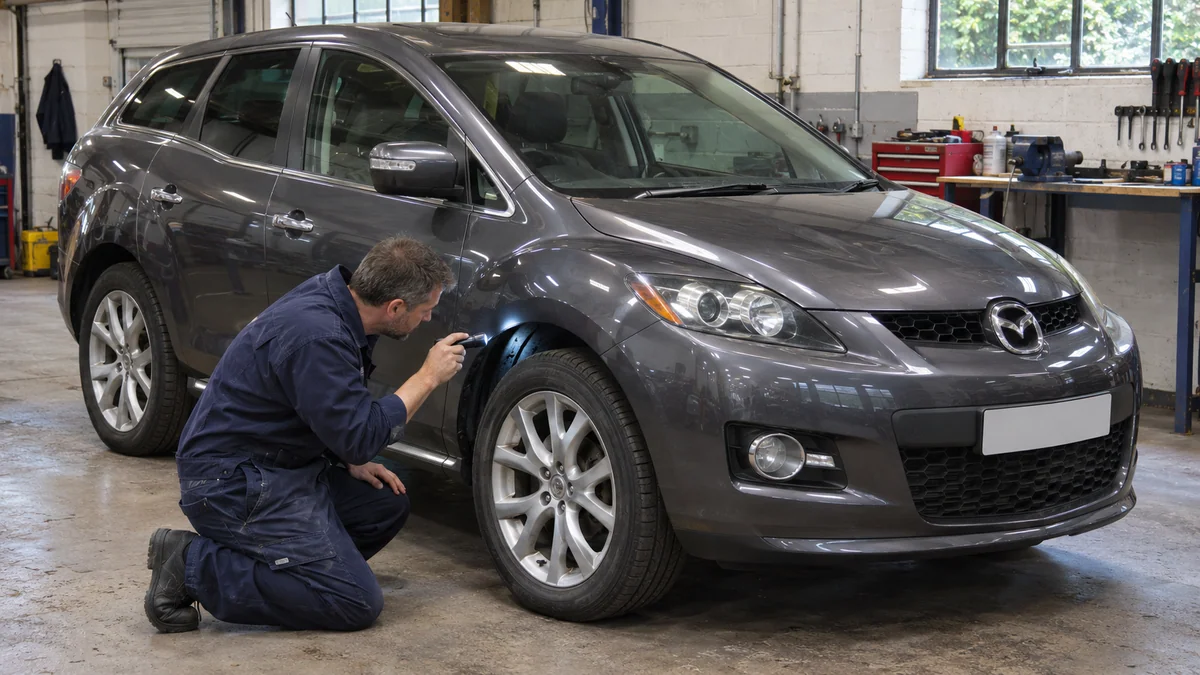
Check the inner tyre clearance as well as the arch.
Record the complete wheel and tyre specification, including spacers. The front tyres need clearance beside the strut and around the arch as the steering and suspension move. At the rear, check the package with the passengers and luggage the car normally carries. A parked inspection helps plan that work; the fitter still needs to check movement.
Inspect the existing mounts, spring pads, bushes and arms while deciding what to renew. Agree the parts and fitting work before booking, then set the height and arrange an alignment after settling. Keep the measurements for future wheel or suspension changes.
Wheel offset and the front strut
Write down wheel width and offset alongside the tyre size. Spacers change that package again. Have the fitter check both the inner gap beside the suspension and the outer arch through steering and movement.
Front mounts and rear spring seats
The listed RA package names pillowball front mounts and rubber rear mounting. Confirm the exact components supplied, any original hardware to reuse and how the rear damping adjustment will be accessed.
Existing bushes and arms
Inspect worn or damaged suspension parts before setting up the new kit. Altered arms and mounting points need declaring as well, because they change what the installer is working with.
Running height with a loaded boot
Discuss everyday passenger and luggage loads when agreeing the height. Leave useful movement within the kit's instructions and check the ramps and entrances you regularly use. Obtain an alignment record once the suspension has settled.
The current CX‑7 ER range.
See the controls and hardware in the listed kit.

N-26 is the current kit for the named ER3P application. The listed BR RA package describes pillowball front mounts and rubber rear mounting. Open the kit for current pricing and confirm the supplied springs, rear hardware and fitting requirements for your car.
View BC Racing CX‑7 ER kitsFind your CX‑7 ER coilovers.
Prices include UK VAT. Choose an application and brand, then open a kit for its current options and availability.
1 listing
Match the engine, body style and axle-load limits on the product page before ordering.
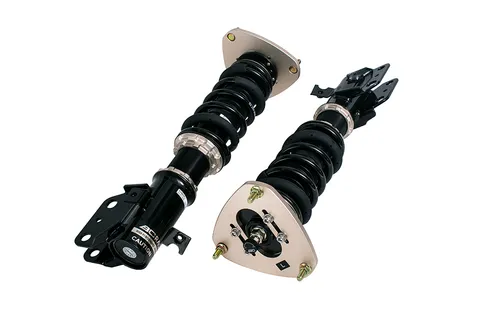
BC Racing · BCR-N-26
BC Racing Coilovers - Mazda Cx-7 (2Wd/4WD) (07-12) [ER3P]
N-26: the named ER3P application
All CX‑7 ER kit links and part numbers
Before you order.
Identify your car
Identify the full chassis, engine, build date, driven wheels and original market.
Match the kit
Match the N-26 ER3P application and its listed BR RA package.
Check what’s included
Confirm mounts, rear spring seats and which original fitting parts are reused.
Check your modifications
Check tyres, wheel offsets and spacers through steering and movement at normal load.
Plan fitting
Agree fitting work, running height, settled alignment and current supply timing.
See what the adjustments do.
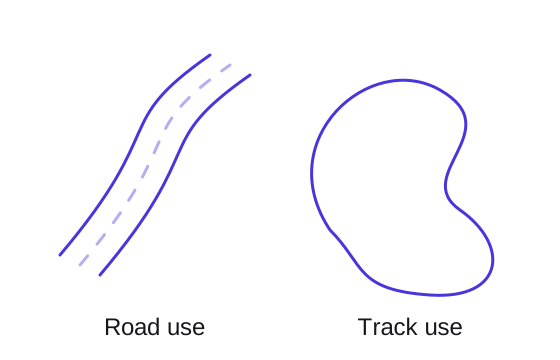
Choosing coilovers for road and track
Compare the kit against your roads, tyres and setup plans before counting adjusters.
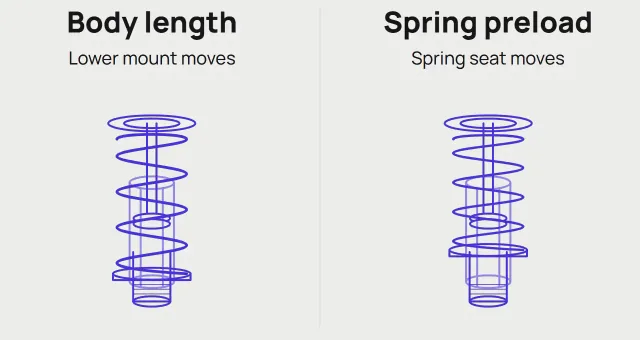
Ride height and spring preload
Understand the two adjustments before choosing a lowering range.
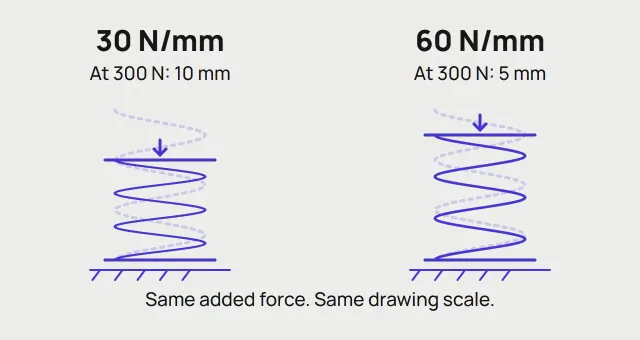
What spring rate tells you
Compare force and movement, read the units and choose a spring with the damper in mind.
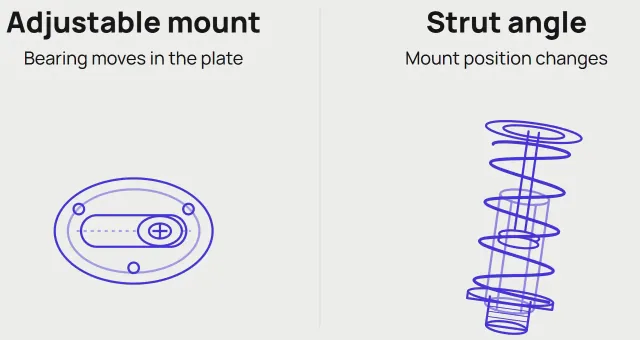
Spring rates and top mounts
Read the front/rear figures and check which mounts come with your kit.
Questions about Mazda CX‑7 ER coilovers.
Check the details before choosing your kit.
Which CX-7 does the N-26 kit name?
BC's maker application names the 2007 to 2012 CX-7 ER3P in front-wheel-drive and all-wheel-drive form. Match the full chassis, engine and build date against the kit before ordering.
What is the current N-26 configuration?
The listed product is a single BR RA package, described as pillowball front mounts and rubber rear mounting. Confirm the exact springs, supplied hardware and original parts to reuse when checking the application.
Does a facelift diesel use the same kit?
A facelift appearance does not confirm suspension compatibility. The current N-26 application names ER3P. For a diesel or different code, provide the full chassis, engine and build date so the exact kit can be checked before ordering.
Are the CX-7 rear springs separate from the dampers?
Yes. The factory multi-link rear suspension has a coil spring on its own lower-arm seat beside the shock absorber. Follow the chosen kit's instructions for its rear platforms, pads and damper installation.
Can I discuss N-26 for occasional track days?
Yes. Provide your tyre specification, intended circuit use and the amount of everyday driving you want to keep. Discuss spring and damper requirements with the fitter and keep a record of the starting setup. A dedicated event car needs a complete specification for that build.
How much should I lower a road-going CX-7?
Agree a height within the exact kit's instructions that leaves useful movement and clearance for your wheels and normal loads. Have the fitter check steering lock, suspension movement, speed humps and driveway ramps.
Does the number plate finder confirm N-26 fitment?
The finder helps identify the vehicle. Its full chassis, engine, build date and driven wheels still need matching against the kit. Include the original market for an import and details of altered suspension parts.
What should I plan alongside fitting the coilovers?
Confirm supplied and reused hardware, inspect existing mounts and bushes, and check wheel and tyre clearance through movement. Agree the running height and arrange an alignment after fitting and settling. Keep a record of those settings.
Let’s talk suspension.
Use the finder, then include the full chassis, engine and driven wheels. Add the wheel specification and any changed suspension parts so we can discuss the correct application and fitting work.