
Mazda 3 BL.
The coilover guide.
Shop the coiloversThe BL covers everyday hatchbacks, saloons and the bonnet-scoop MPS. Choose around the car’s actual engine, wheels and use, then match the N-17 configuration to the work you want it to do.
A new body, and an MPS with a bonnet intake.
A second-generation Mazda3 is easy to recognise from its swept headlights and broad lower grille. The MPS adds a functional bonnet intake and a larger rear spoiler. Underneath, both use front struts and a multi-link rear suspension, but the MPS has its own tuning and hardware details to account for.
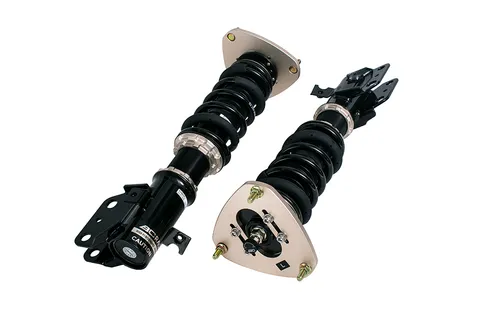
The current BC Racing N-17 listing offers BR RA, RM MA, ER and ZX configurations for the recorded 2009-13 BL front-wheel-drive application. The choice runs from a coupled damping adjuster to separate compression and rebound controls. Confirm the car and supplied package before deciding how much adjustment you need.
Mazda revealed the second-generation saloon at Los Angeles in November 2008, with the five-door hatchback following at Bologna. The BL retained the earlier car’s C1 architecture under a new body. Its longer, wider shape and broad lower grille gave the ordinary Mazda3 a different appearance from the BK.
The MPS appeared at Geneva in 2009, retaining a 2.3-litre direct-injection turbo engine. Its bonnet intake, roof spoiler and 18-inch wheels made it easier to distinguish from the ordinary hatchback. Mazda’s UK history records 36,254 second-generation sales across the whole range.
For a BL being modified now, wheels and suspension need planning together. On an MPS, include any engine and tyre changes in that discussion. A lower parked stance is only one part of the setup: the car still needs working suspension movement, sound mounting parts and alignment measured at its final height.
Model history: Mazda original 2008 saloon debutMazda original hatchback and saloon releaseMazda original 2009 MPS debutMazda UK twenty-year model history.
Start with your 3 BL.
Confirm the chassis, year and existing suspension before choosing your setup.

BL FWD: the N-17 reference
The listed N-17 reference is Mazda3 BL FWD, recorded as 2009-13. Identify the engine and body as well as the generation. A registration date near a model change can be misleading, so use the chassis details when confirming the selected configuration.
View the BL configurations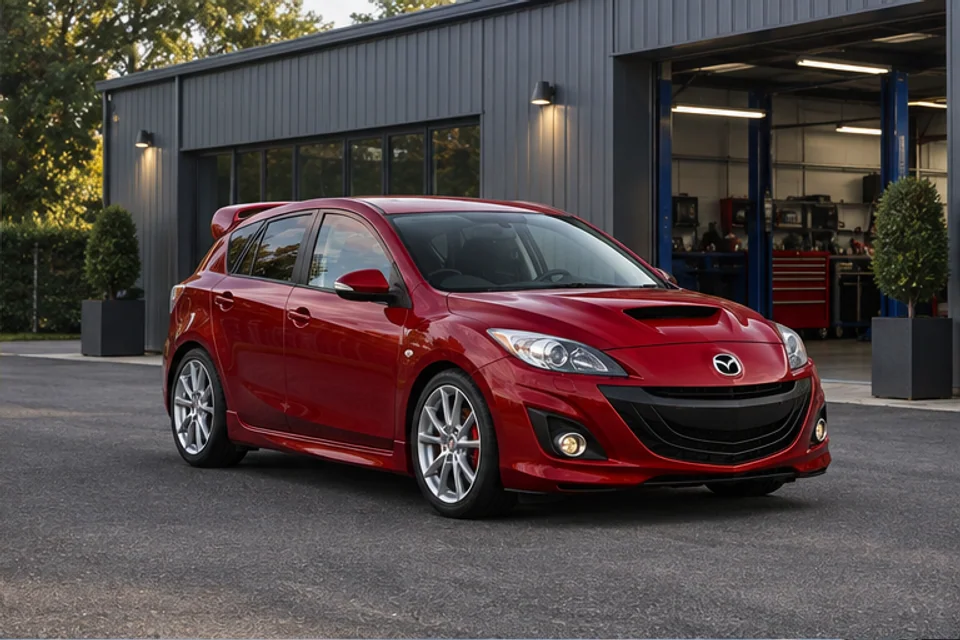
BL Mazda3 MPS
BC’s exact N-17 application also names Mazda3 MPS BL. Confirm the selected series and mounting package for the turbo car. The earlier smooth-bonnet BK MPS uses its own application; the shared MPS name does not make those kits interchangeable.
View the BL MPS reference
Saloon, diesel and imported Axela
Give us the body, engine, original market and driven wheels. Mazda sold the BL in different specifications, and Axela alone does not identify a generation. Ask for the exact saloon, diesel or import application to be confirmed against N-17 before ordering.
Check my BL application
Changed suspension or track build
Show us any altered top mounts, replacement knuckles or non-standard rear components. Include the tyres and running weight for a circuit car. Those details help establish the physical package and spring specification the build needs.
Discuss my modified BLWhat do you want
from the car?
Road miles, circuit weekends or a car built around the lap. Start with how you drive.
Keep the controls simple and the running height usable.
Read the buying advice
The N-17 BR RA configuration has one damping adjuster that changes compression and rebound together. Its recorded mounting choice is pillowball front and rubber rear. Confirm the supplied parts and the possible increase in transmitted noise before fitting. For a car carrying passengers or luggage, agree the height with those loads in mind and leave enough movement for uneven roads.
- Coupled compression and rebound
- Confirm mounts and road-noise expectations
- Set height for normal loads
Consider the inverted front damper for regular circuit use.
Read the buying advice
N-17 RM MA specifies inverted front construction with rubber rear mounts. Discuss that construction alongside the car’s tyres, spring choice and intended sessions. Start with a recorded alignment and work through damping changes methodically. Occasional track use can still suit BR. Choose RM when its inverted construction meets the build’s requirements.
- Inverted front construction
- Agree springs around tyres and use
- Keep a repeatable alignment record
Separate damping controls need time to test and record changes.
Read the buying advice
The N-17 ER option uses external reservoirs and independent compression and rebound adjustment. Plan secure reservoir positions and hose clearance before fitting, then specify the springs around the car’s operating weight and tyres. Agree servicing and setup support for the programme. ZX is also listed if separate low- and high-speed compression controls are needed alongside rebound.
- Independent compression and rebound
- Check reservoir positions and hose routes
- Plan springs, servicing and test time
The rear spring has its own seat.
On a standard Mazda 3 BL, the rear spring and damper are mounted separately.
Component layout only. Mounts, dimensions and adjusters vary by kit.The BL’s multi-link rear suspension uses a separate spring and damper. The spring bears on the rear lower arm; it is not wrapped around the rear damper as it is on the front strut. Original parts references distinguish the rear coil spring, rubber seat and damper.
Confirm which spring seats, rubber parts and adjusters the chosen kit supplies or retains. Follow its instructions for setting rear height and damper length. Keep the bump-stop and clearance checks in the fitting plan; moving a spring seat and altering a damper body do different jobs.
Understand height and spring preload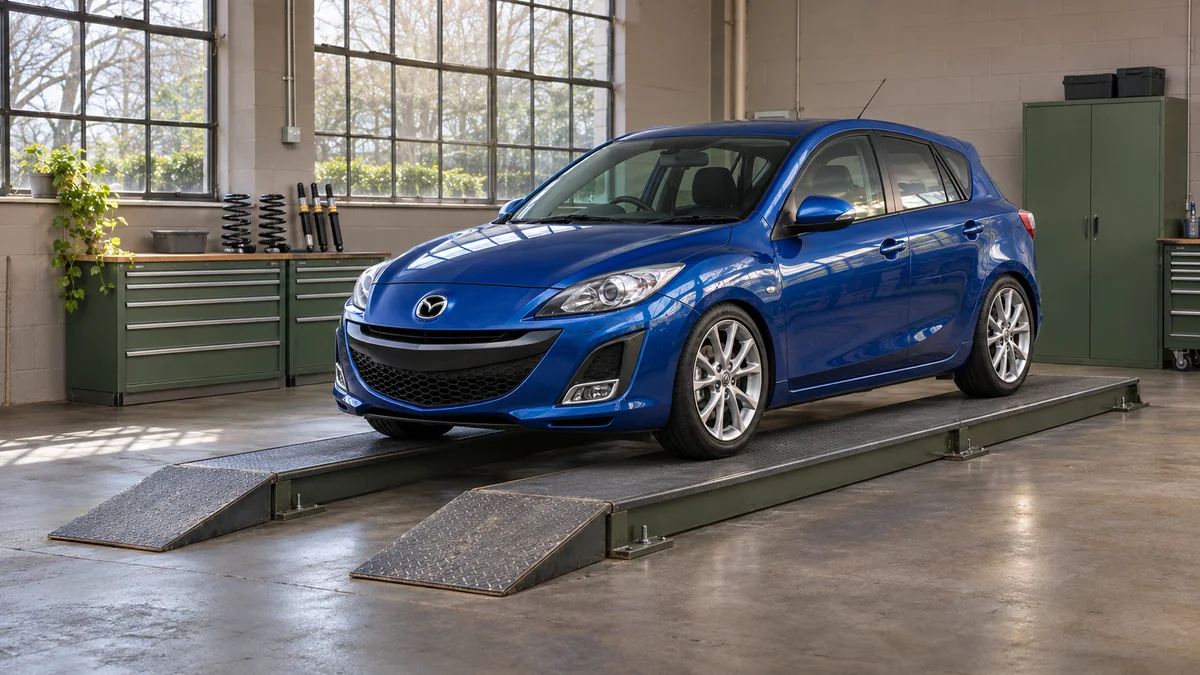
Check the car at the height it will use.
Supply the wheel width, offset and tyre size, including any spacers. Have the fitter inspect inner clearance beside the front strut and spring platform, and outer clearance at the arch. Repeat those checks through steering and suspension movement with allowance for normal road loads.
Inspect bushes, joints and mounting areas before installation. Give an MPS installer the current engine and tyre specification, particularly if power or grip has changed. Set the running height before the final alignment, then keep the measured settings with the kit and spring details.
Wheels beside the front strut
Include offset and spacers when measuring a new wheel package. Check the inner tyre near the spring platform as well as the outer arch; a clear outer wheel face can hide an inner clearance problem.
MPS power and tyres
Record the current engine changes and tyres before discussing the setup. More engine output does not specify a spring rate. The installer needs the whole build and intended use when agreeing springs, height and damping.
Rear seats and retained parts
Identify the rear spring seats, insulators, damper mounts and bump stops before fitting. Follow the selected kit’s instructions for supplied and retained components. Agree the final height and check clearance through the permitted movement.
Alignment after the height is set
Measure the alignment once the car is at its agreed running height and settled. Keep the results and record later changes. For circuit work, note the tyres and conditions alongside the settings so a useful setup can be repeated.
The current 3 BL range.
See the controls and hardware in the listed kit.

N-17 is the current BL FWD reference, with BR RA, RM MA, ER and ZX options. The listing records 6 kg/mm front and 4 kg/mm rear springs as its default; confirm the delivered configuration and mounting parts. RM MA specifies inverted front construction, ER adds independent compression and rebound, and ZX provides three-way damping.
View BC Racing 3 BL kitsFind your 3 BL coilovers.
Prices include UK VAT. Choose an application and brand, then open a kit for its current options and availability.
1 listing
Match the engine, body style and axle-load limits on the product page before ordering.
BC Racing · BCR-N-17
BC Racing Coilovers - Mazda Mazda 3 (09-13) [BL]
BL FWD: the N-17 reference / BL Mazda3 MPS
All 3 BL kit links and part numbers
Before you order.
Identify your car
Identify the BL body, engine and original market. Include driven wheels and separate the car from the earlier BK or later BM.
Match the kit
Match the N-17 configuration. Confirm BR, RM, ER or ZX against the car and agree the supplied springs and mounts.
Check what’s included
Confirm the rear components. Check the spring seats, retained rubber parts, damper attachments and bump-stop instructions.
Check your modifications
Measure wheels and modifications. Supply offset, tyres, spacers and details of changed hubs, mounts or rear suspension.
Plan fitting
Arrange fitting and final alignment. Inspect worn parts, agree usable height and keep the measured setup.
See what the adjustments do.
Choosing coilovers for road and track
Compare the kit against your roads, tyres and setup plans before counting adjusters.
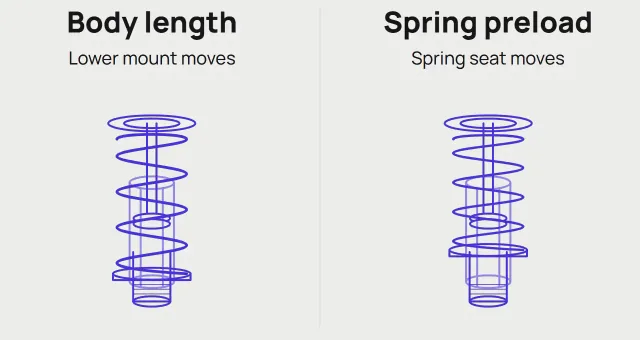
Ride height and spring preload
Understand the two adjustments before choosing a lowering range.
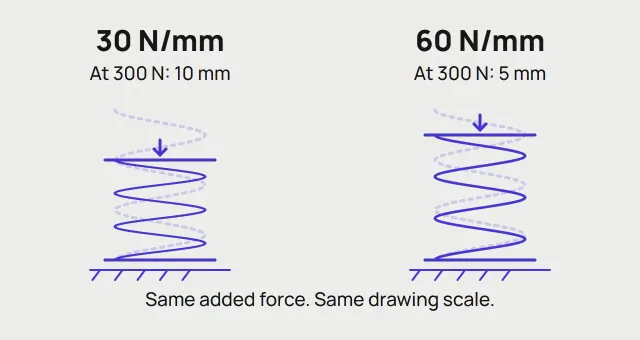
What spring rate tells you
Compare force and movement, read the units and choose a spring with the damper in mind.
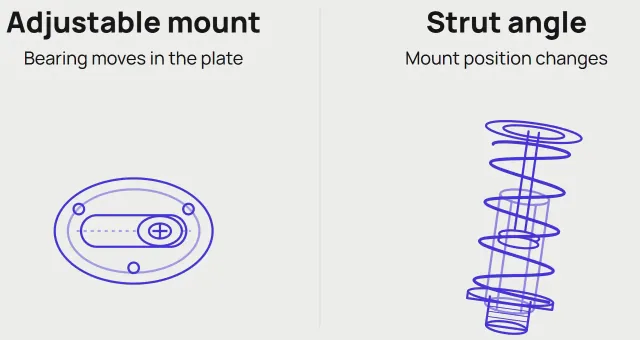
Spring rates and top mounts
Read the front/rear figures and check which mounts come with your kit.
Questions about Mazda 3 BL coilovers.
Check the details before choosing your kit.
Which coilovers are currently listed for the Mazda3 BL?
The current BC Racing N-17 listing has BR RA, RM MA, ER and ZX options for the recorded 2009-13 BL FWD application. Confirm the exact body, engine and selected configuration. Current prices and available order options are on the product page.
Does N-17 include the Mazda3 BL MPS?
BC’s regional N-17 application explicitly names Mazda3 and MPS BL. Confirm the selected series, springs and mounting package for the turbo car. The earlier BK MPS has a different application and should be checked separately.
How do I distinguish the BL MPS from the earlier car?
The BL is the second Mazda3 generation, introduced after the saloon and hatchback reveals in late 2008. Its MPS has a visible bonnet air intake, alongside different body details. Use the chassis and build information to identify the car; a photograph or registration year alone does not approve a kit.
Does the rear spring sit separately from the damper?
Yes. The standard BL rear suspension has a separate coil spring on the lower suspension arm and a separate damper. Confirm the kit’s rear spring seats, adjusters, retained rubber parts and mounting hardware before fitting.
What spring rates does the listed N-17 package use?
The current listing records a default of 6 kg/mm front and 4 kg/mm rear. Confirm the springs delivered for the selected configuration and car, particularly if the build needs a different specification. Spring rates alone do not describe the complete damping setup.
How do BR, RM, ER and ZX differ?
BR changes compression and rebound together. N-17 RM MA specifies inverted front construction. ER has external reservoirs and separate compression and rebound adjustment. ZX provides separate low- and high-speed compression controls alongside rebound. Choose controls that suit the build and the setup work planned.
Can a saloon or imported Axela use the same kit automatically?
Confirm the full application first. Supply the chassis, engine, original market, body and driven wheels. Mazda3 and Axela names cover several generations and specifications; those names alone cannot establish N-17 fitment.
What should I check when lowering a BL on wider wheels?
Measure the actual width, offset, tyres and spacers. Check the inner tyre beside the strut and spring platform, then the outer arch through steering and suspension movement, allowing for normal loads. Set the final height before measuring alignment.
Let’s talk suspension.
Tell us which BL you have, the engine and the wheel package, plus any changes to the suspension or power. We can help check the N-17 application and the configuration before you order.