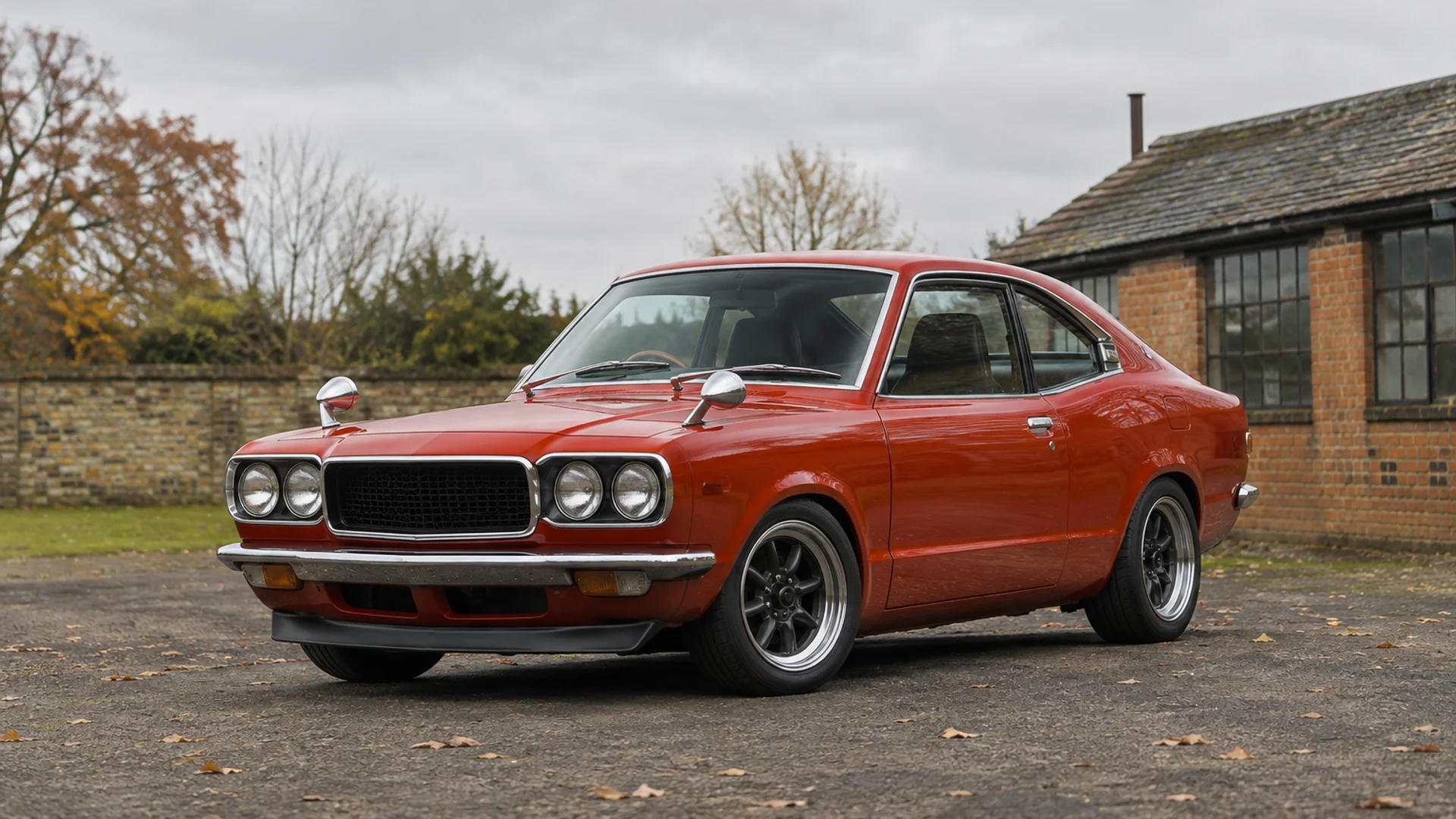
Mazda RX‑3 / 808.
The coilover guide.
Shop the coiloversStart with the front conversion and the rear leaf springs. The current N-35 application requires welding and excludes wagons, so identify the body and existing suspension before planning the finished height.
The small Savanna with a racing history.
Period wheels and a modest drop suit the RX-3's compact body, but the front and rear need different plans. Its original rear axle sits on leaf springs with separate shock absorbers. A damping adjustment does not set the rear ride height.
BC Racing lists N-35 BR RA for RX-3/808 RWD, 1971-78, excluding wagons and with welding required. Have the workshop identify the original front struts and agree the conversion before ordering. Confirm the supplied rear dampers and the leaf-spring work needed for your intended height.
Mazda introduced the Savanna in September 1971 with a 10A rotary engine and coupe or saloon bodywork. Export buyers knew it as the RX-3. The piston-engined Grand Familia arrived in the same month under names including 808 and 818; a badge and engine change should therefore be declared when checking an old car's specification.
The Savanna gained a 12A version in 1972. Mazda records its 100th Japanese motorsport victory in 1976. For a restored road car, choose the springs and dampers around the tyres, usable travel and condition of the mounting areas.
The Savanna RX-7 followed in March 1978. Its name can make a search for Savanna parts ambiguous, so use RX-3 or the car's full identification. The N-35 application discussed here excludes wagons; an RX-7 kit or a similar-looking later Mazda is a separate application.
Model history: Mazda original Savanna historyMazda historical timeline.
Start with your RX‑3 / 808.
Confirm the chassis, year and existing suspension before choosing your setup.
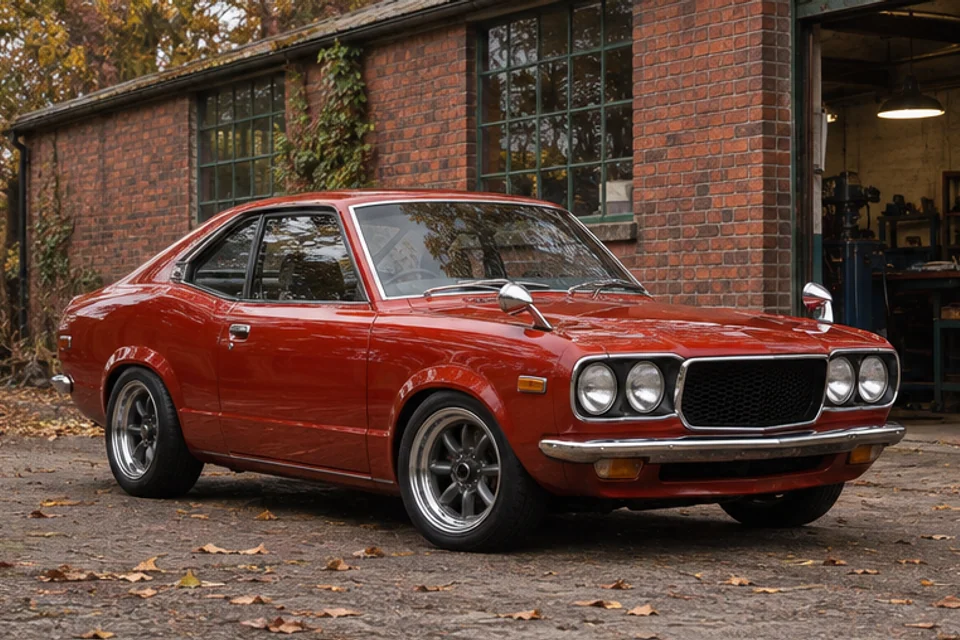
RX-3: the non-wagon N-35 application
The manufacturer table names RX-3/808 RWD from 1971 to 1978, explicitly excluding wagons and requiring welding. The current local option is BR RA. Confirm the car's identification, original front struts and supplied rear contents with the workshop before ordering.
View the N-35 package
808, 818 and original market
Give us the engine, body style, build details and full identification. Mazda used 808 and 818 names for the Grand Familia in different markets; the local N-35 listing names 808. An 818, imported car or changed front assembly needs its actual mounting parts checked.
Check my market and body
Restorations and earlier conversions
Tell us about repaired strut housings, replacement uprights or previous coilover work. Supply photographs and any part numbers. The workshop needs to establish which original pieces remain suitable for the required conversion and inspect the rear spring attachments.
Check my existing suspension
Engine swaps and circuit projects
Describe the engine, rear axle, brakes, tyres and intended event. A changed axle or rear coilover conversion needs its own mounting and load assessment. Agree the whole build with the workshop before treating the listed N-35 package as its finished specification.
Discuss my RX-3 buildWhat do you want
from the car?
Road miles, circuit weekends or a car built around the lap. Start with how you drive.
Plan the front conversion and rear height together.
Read the buying advice
The current named option is N-35 BR RA, with welding required. Arrange the front work with an experienced fitter and confirm the rear damper contents. Inspect the leaf packs, shackles and bushes before deciding how the rear height will be set. Include fitting and supporting work in the plan.
- Identify the original front struts
- Inspect rear leaf springs and attachments
- Agree usable height and wheel clearance
Match the damping to the rear spring arrangement.
Read the buying advice
Explain the tyres, normal road use and intended sessions. The original rear leaf springs and their condition remain part of the setup, even when different dampers are fitted. Discuss the proposed N-35 specification and supporting work before ordering for circuit use; this range has no separately verified track recommendation.
- Describe tyres and session plans
- Declare leaf-spring or axle changes
- Agree fitting, alignment and rechecks
Choose the parts around the car and its regulations.
Read the buying advice
Supply the event rules and the actual engine, axle and suspension design. A fabricated rear coilover conversion changes the work being assessed and needs suitable mounting provisions. Have the builder agree the complete spring, damping and body preparation before choosing components.
- Supply the event regulations
- Declare fabricated suspension mounts
- Agree the complete spring and damper plan
Leaf springs carry the rear axle.
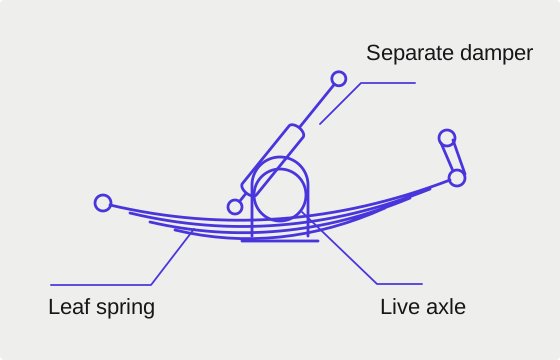
The factory RX-3/808 chassis manual shows longitudinal leaf springs beneath the live rear axle, with separate shock absorbers. Spring eyes and rear shackles attach the leaf packs to the body; U-bolts clamp the axle and spring assembly together.
Inspect the leaf packs, bushes, shackles and axle attachments on the actual car. Agree any rear height change separately from the damper specification. The N-35 rear-pair reference describes shock absorbers, so do not assume the package replaces the leaf springs with rear coils.
Understand height and spring preload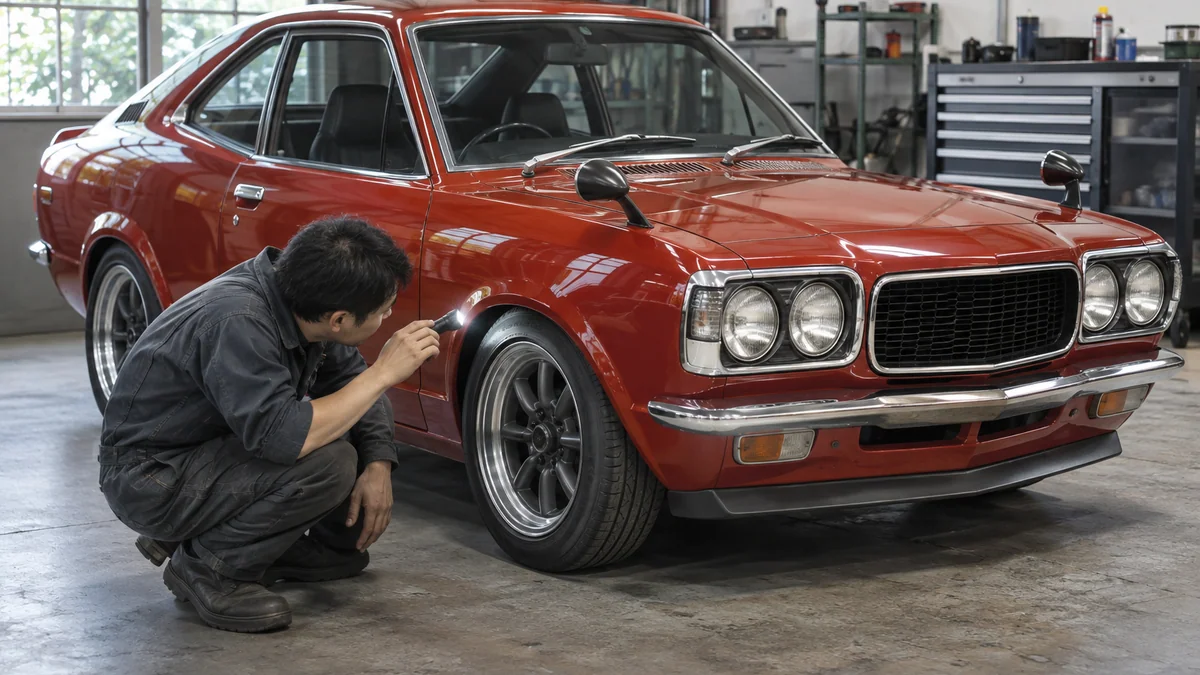
Check the conversion before chasing the stance.
Give the fitter your wheel width, offset, tyre size and any spacers. Check clearance at the front struts and body through steering and suspension movement, then check the rear tyres against the arches and spring hardware. Include exhaust clearance and the entrances the car uses.
Agree the front welding work and inspect the original housings before buying the package. At the rear, identify any changed leaf packs, shackles, axle or lowering hardware. Set a usable running height, then arrange alignment and the rechecks specified for the work.
Front struts and required welding
Identify the original housings and any previous repairs or conversions. Ask the workshop to confirm the conversion instructions, retained components and their condition before ordering. The manufacturer explicitly requires welding for N-35.
Leaf packs, shackles and bushes
Have the fitter inspect the rear springs and their body attachments, including evidence of previous height changes. Explain how you want to use the car and the normal loads it carries before agreeing the rear work.
Wheel width and body clearance
A period wheel's diameter tells only part of the story. Supply its width and offset, tyre dimensions and spacers. Check both inboard and arch clearance through the movement needed at the intended running height.
Changed engines and rear axles
Declare an engine swap, replacement axle or fabricated mounts. Those changes need checking against the chosen front parts and rear spring/damper arrangement. Keep the agreed setup and fitting records with the car.
The current RX‑3 / 808 range.
See the controls and hardware in the listed kit.

N-35 BR RA is the current RX-3/808 RWD application, excluding wagons and requiring welding. The native configuration names pillowball front and rubber rear mounts. Check the supplied rear dampers and retained leaf-spring arrangement, including the mounting parts your car reuses.
View BC Racing RX‑3 / 808 kitsFind your RX‑3 / 808 coilovers.
Prices include UK VAT. Choose an application and brand, then open a kit for its current options and availability.
1 listing
Match the engine, body style and axle-load limits on the product page before ordering.
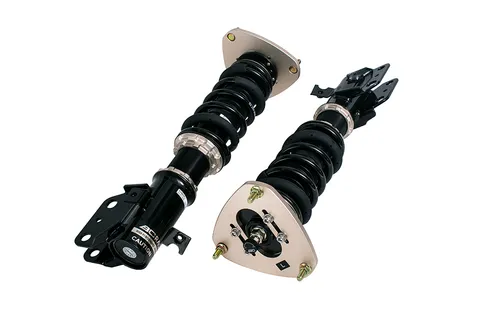
BC Racing · BCR-N-35
BC Racing Coilovers - Mazda Rx-3/808 (Weld) (71-78)
RX-3: the non-wagon N-35 application
All RX‑3 / 808 kit links and part numbers
Before you order.
Identify your car
Identify the engine, body, original market and full chassis details; declare an 808 or 818 variant.
Match the kit
Match the N-35 application, including the wagon exclusion and required welding.
Check what’s included
Agree the front conversion, rear damper contents and retained leaf-spring hardware with the fitter.
Check your modifications
Check wheel, tyre, body and spring-hardware clearance at the intended usable height.
Plan fitting
Plan fitting, rear height work, alignment, rechecks and current supply timing.
See what the adjustments do.
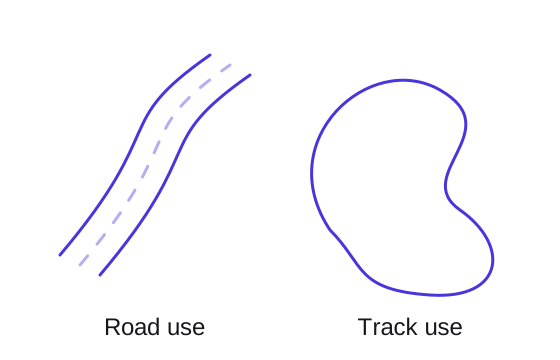
Choosing coilovers for road and track
Compare the kit against your roads, tyres and setup plans before counting adjusters.
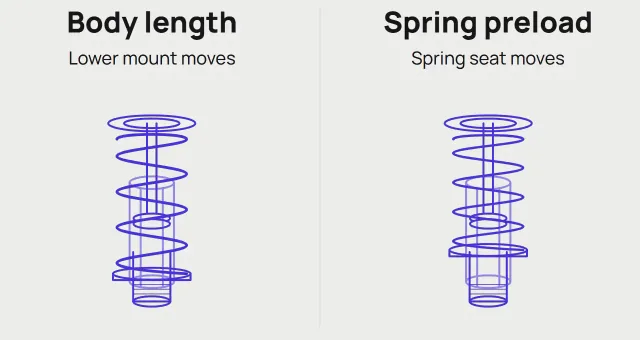
Ride height and spring preload
Understand the two adjustments before choosing a lowering range.
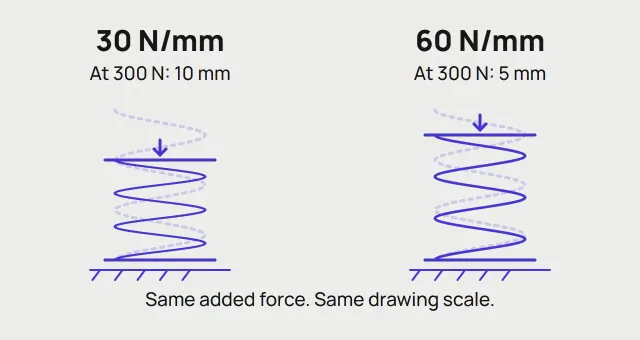
What spring rate tells you
Compare force and movement, read the units and choose a spring with the damper in mind.
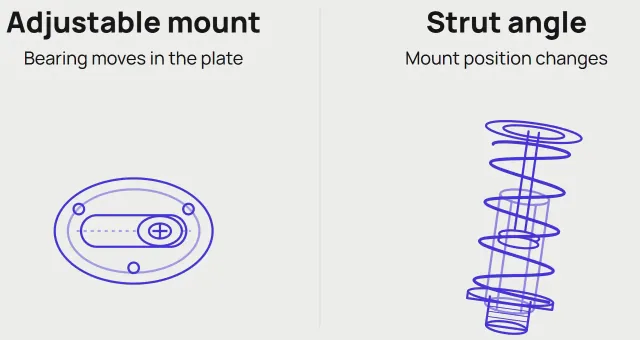
Spring rates and top mounts
Read the front/rear figures and check which mounts come with your kit.
Questions about Mazda RX‑3 / 808 coilovers.
Check the details before choosing your kit.
Which RX-3 and 808 cars does N-35 name?
BC Racing's application table names RX-3/808 RWD from 1971 to 1978 and explicitly excludes wagons. Confirm the full identification, body, engine and original front suspension before ordering, especially on an imported or previously converted car.
Does the N-35 package require welding?
Yes. The manufacturer application table explicitly states welding required. Agree the conversion instructions, original front components and their condition with an experienced workshop before ordering.
Can I use the listed kit on an RX-3 or 808 wagon?
The manufacturer excludes wagons from this N-35 application. Give us the wagon's full details for a separate enquiry; the coupe or saloon listing does not confirm its fitment.
Does the RX-3 have coil springs at the rear?
The original RX-3/808 chassis manual shows a live rear axle on longitudinal leaf springs with separate shock absorbers. Check the actual car for previous conversions. The current N-35 rear-pair reference describes dampers, not replacement rear coil springs.
Will changing the rear dampers set the rear ride height?
On the original leaf-spring arrangement, agree the rear spring and height work separately from the damper choice. Tell the fitter about existing leaf packs, shackles, axle changes or lowering hardware so the complete setup can be assessed.
What about a Mazda 818 or an engine-swapped car?
Supply the full identification, original market, body and current engine, with photographs or part numbers for the suspension. The 808/818 names vary by market, while the local N-35 listing names 808. Confirm the actual mounting parts before treating another version as a match.
Which kit should I choose for a circuit RX-3?
The current range has one named N-35 package. Describe the tyres, weight changes, rear spring arrangement and intended sessions before choosing it for circuit use. Competition builds also need their event rules and fabricated mounts assessed by the builder.
Will the number plate finder identify an earlier suspension conversion?
The finder helps identify the car. Include details and photographs of changed front struts, leaf springs, axles or mounting points in your enquiry. A registration result does not record those modifications or confirm the kit's fitment.
Let’s talk suspension.
Find your Mazda, then tell us its body, engine and original market. Include the existing front struts, rear leaf springs and any axle changes so we can discuss the N-35 application and fitting plan with you.