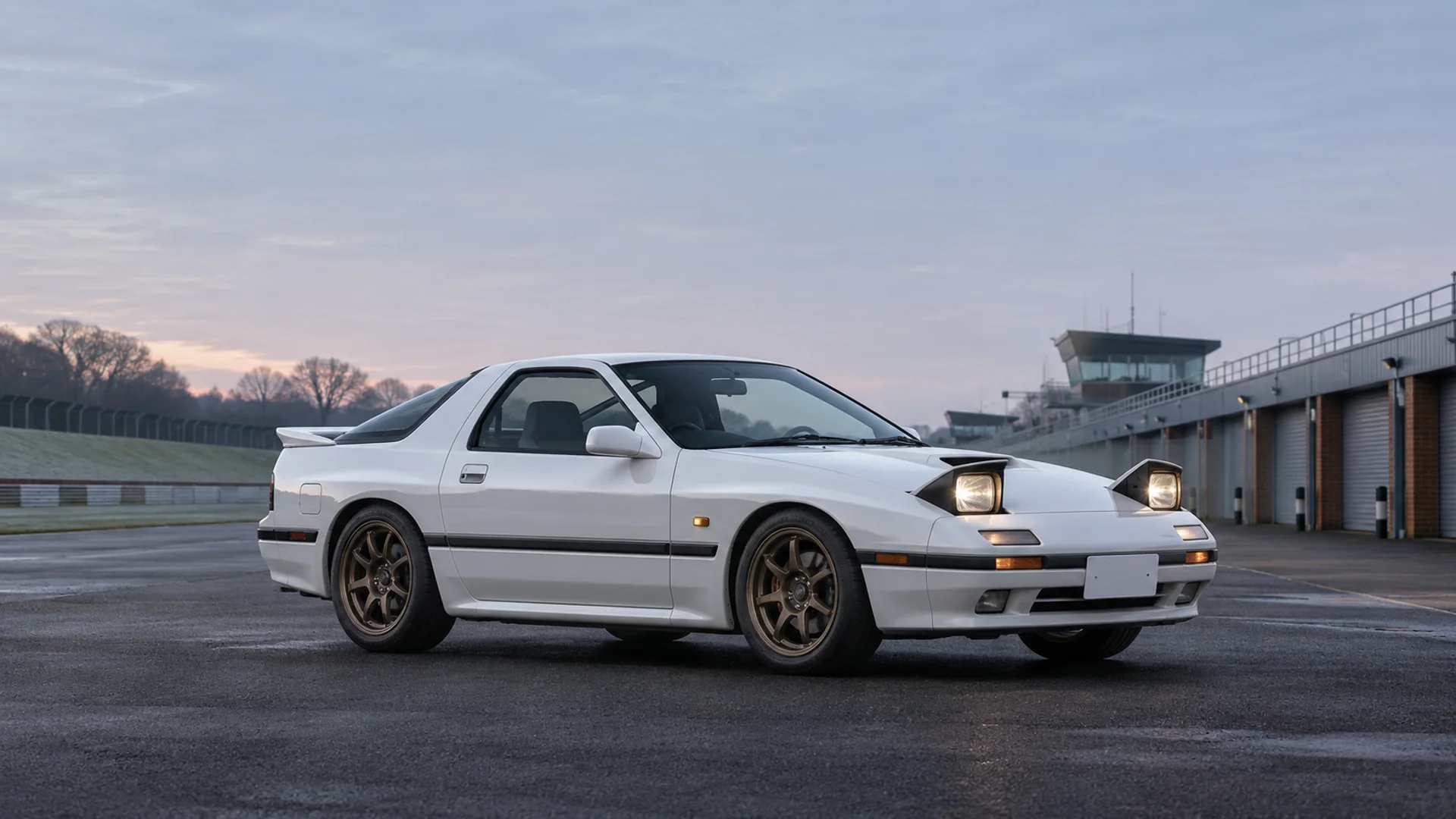
Mazda RX-7 FC3S / FC3C.
The coilover guide.
Shop the coiloversKeep your FC settled on the roads you use. Identify the body, inspect the rear links and choose the BC configuration around your tyres and driving.
The angular RX-7 with an independent rear end.
An FC with wider wheels or replacement rear bushes needs a clear suspension brief. Give the fitter the wheel offsets, tyre sizes and existing arm or link changes before settling on a running height. Leave room for the suspension to move on an uneven road.
The current FC listing is BC Racing N-06, with several damper configurations. The front mounts and damping controls differ between them. A road car can use the simpler package; a car used regularly on circuit may justify separate controls and the installation work that comes with reservoirs.
Mazda introduced the second-generation RX-7 in October 1985. The FC kept rotary power and rear-wheel drive, with a more substantial body and an independent rear suspension. Its long glass hatch, black window trim and rectangular pop-up headlights give the coupe a very different shape from the later FD.
European cars initially had a naturally aspirated 13B, followed by turbo versions. Mazda added the Cabriolet in August 1987. Body style, original market and changes made since manufacture all belong in the application check; an RX-7 badge or registration year will not identify the complete car.
Mazda's history records a following for the FC after the next generation arrived. For an owner improving one today, the condition of the original links and mounting points deserves attention alongside the new dampers. A turbo conversion, replacement rear bushes or a changed wheel package gives the installer more to account for than the intended drop alone.
Model history: Mazda FC and FD model historyMazda corporate and product history,1980-1989Mazda UK RX-7 history.
Start with your RX-7 FC3S / FC3C.
Confirm the chassis, year and existing suspension before choosing your setup.
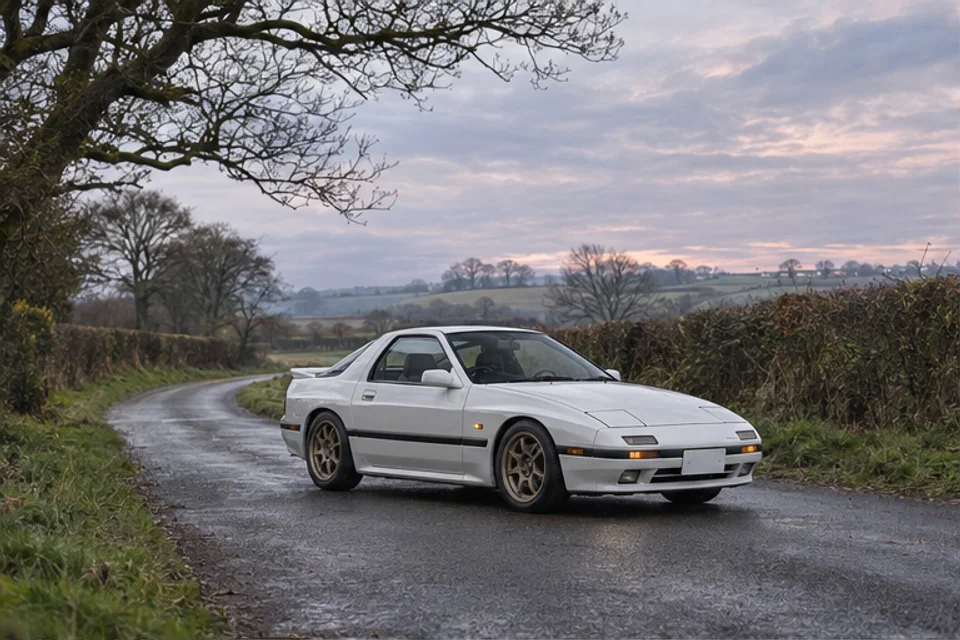
FC3S coupe: the listed N-06 application
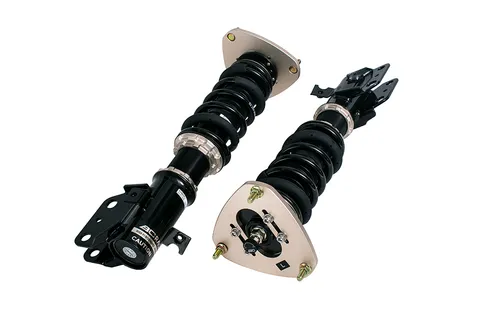
Our BCR-N-06 listing identifies the 1985-1991 FC3S. BR RA has pillowball front and rubber rear mounts; the parent records 6 kg/mm front and 5 kg/mm rear springs. Confirm the actual engine, build date and supplied package when choosing the configuration.
View the FC coupe kit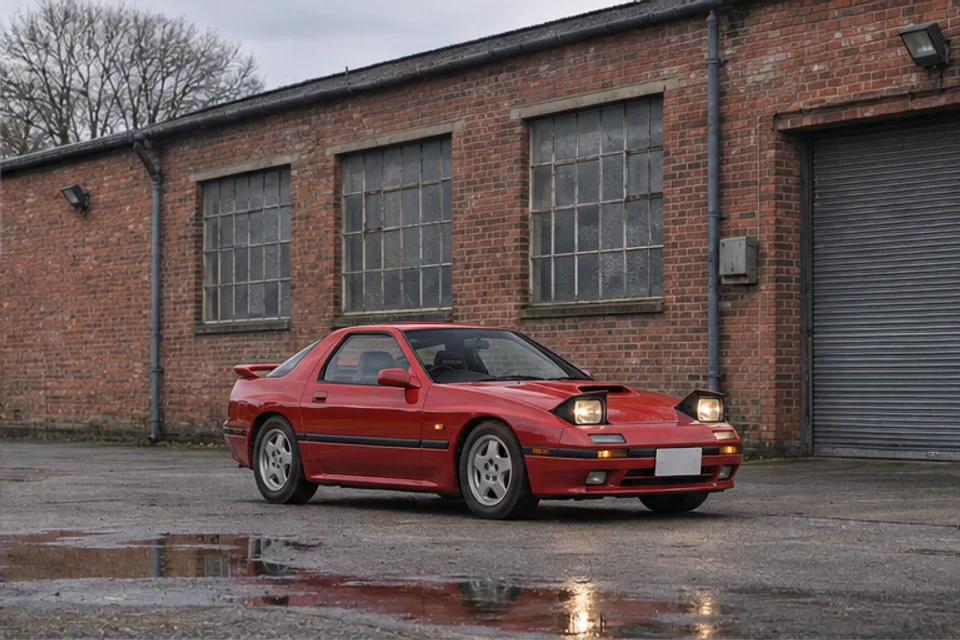
Turbo and converted coupes
Include the original market and any engine conversion in your enquiry. Record the intercooler installation, added equipment and weight changes. The broad FC3S listing does not specify a separate spring package for every Turbo badge or modified car.
Check my turbo application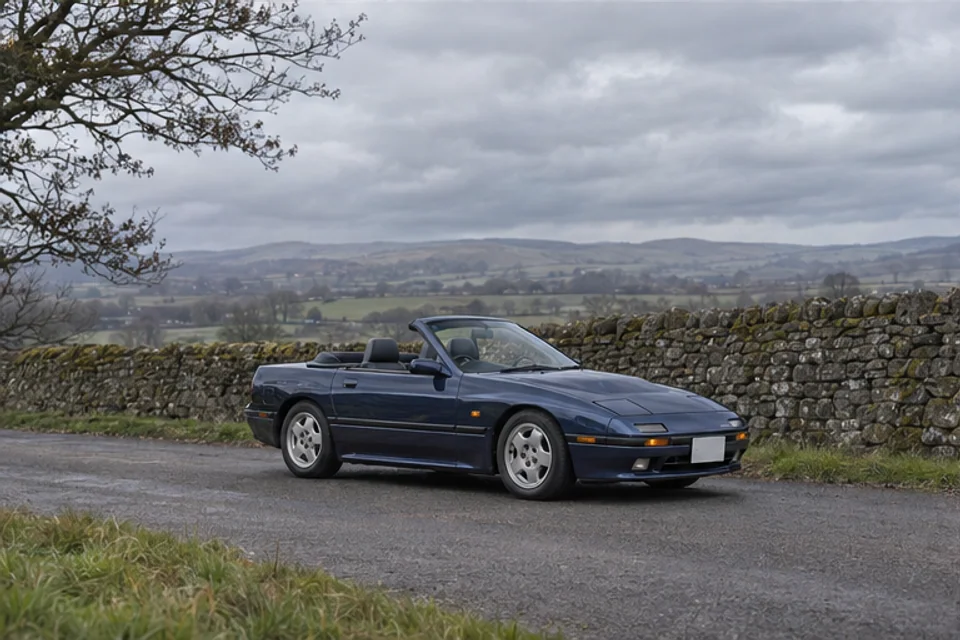
FC3C convertible
BC's manufacturer application table includes FC3C under N-06, while our current product title names FC3S. Have the convertible body and exact selected kit confirmed before ordering. Keep its existing mounts and any suspension changes in that discussion.
Check my convertible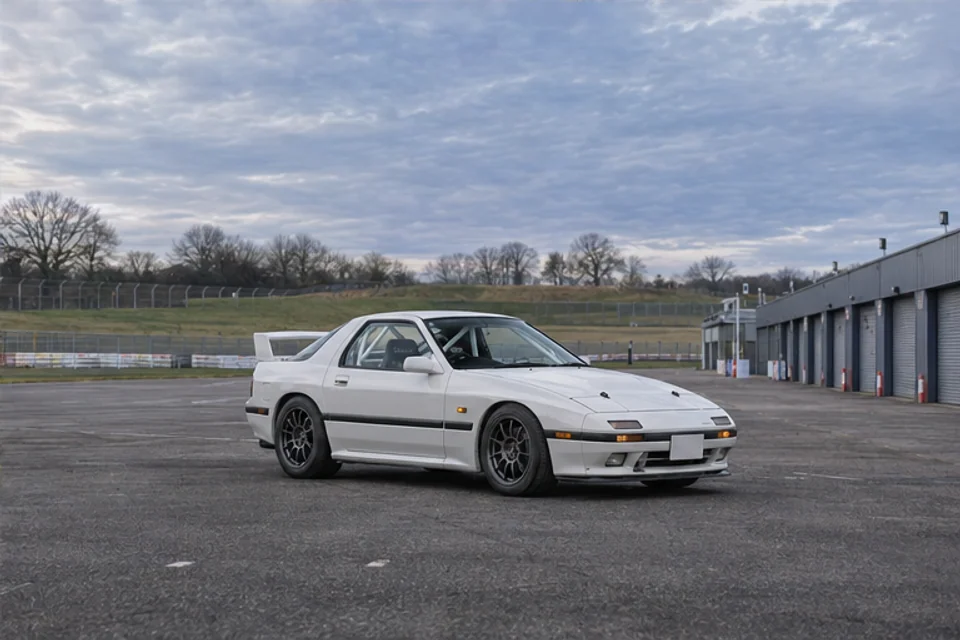
Track builds and altered rear hardware
Identify a cage, changed arms, replacement DTSS-related bushes and any drivetrain swap. Supply the tyre specification and operating weight for a spring discussion. A race or drift build needs its own mounting, clearance and setup plan.
Discuss my FC projectWhat do you want
from the car?
Road miles, circuit weekends or a car built around the lap. Start with how you drive.
Start with BR RA and a height that leaves useful travel on the roads you drive.
Read the buying advice
The N-06 BR RA is the entry configuration in the current selector. Its one-way adjuster changes compression and rebound together. Consider the pillowball front mount if you are sensitive to transmitted noise, and confirm the supplied springs before ordering. Follow the kit instructions for preload and starting settings, then have the alignment measured at the chosen height.
- Combined damping adjustment
- Pillowball front / rubber rear mounts
- Leave travel for uneven roads
Consider ER when you want to adjust compression and rebound separately.
Read the buying advice
N-06 ER is a selectable two-way configuration with external reservoirs. Separate controls let you make a compression change without using the rebound adjuster, but they also need a methodical setup record. Discuss springs for the actual tyres and weight, then plan reservoir brackets, protected hoses and access to each adjuster with the installer.
- Independent compression and rebound
- Plan reservoir mounting and access
- Record tyre pressures and settings
Specify a three-way package around a repeatable circuit setup.
Read the buying advice
BC lists N-06 ZR for this application. Its separate rebound, low-speed compression and high-speed compression controls give the fitter more ways to tune the damping. Give them the tyres, aero and operating weight, and agree the springs and mounting package. Those controls describe damper movement; high-speed compression is not a setting chosen from the car's road speed.
- Three separate damping controls
- Choose springs for the actual build
- Agree installation and service access
A coil spring around the damper, with links locating the wheel.
The rear spring surrounds the damper on a standard Mazda RX-7 FC3S / FC3C.
Component layout only. Mounts, dimensions and adjusters vary by kit.Mazda's 1988 manual identifies front struts and a multi-link semi-trailing rear suspension. At the rear, the coil spring surrounds the shock absorber; the assembly works with trailing arms, lateral links and sublinks. It is a different geometry from the later FD's double-wishbone arrangement.
Mazda called the FC system DTSS, or Dynamic Tracking Suspension System. Have the rear joints and bushes inspected, and identify any replacement bushes or links already fitted. Changing dampers will not repair wear in those parts.
Understand height and preload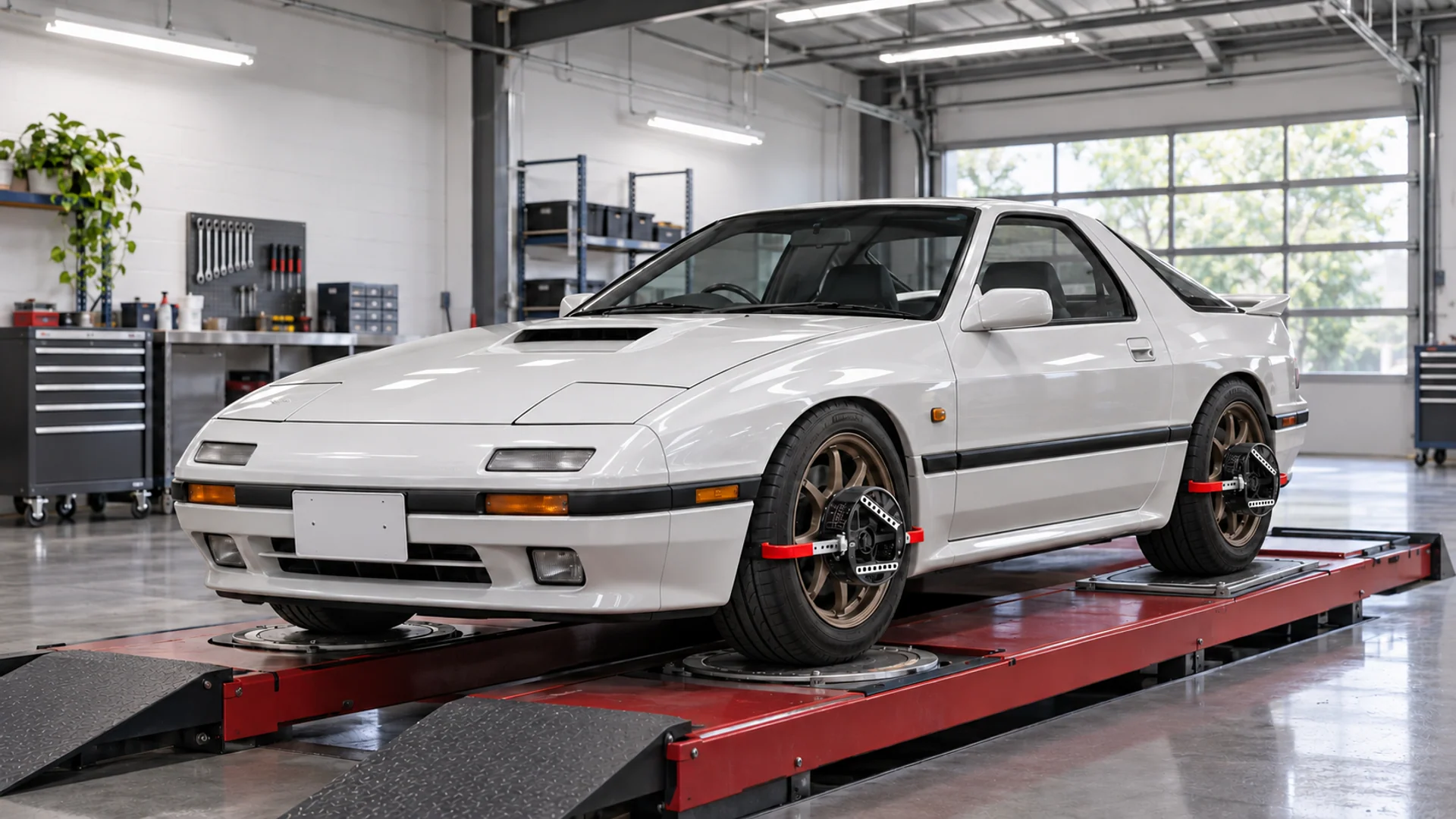
Inspect the rear hardware before the alignment.
Ask the fitter to identify the rear links, bushes and any previous modifications. Include the condition of the mounting points and the adjustment hardware. A car with altered DTSS-related parts needs that change understood before choosing alignment settings.
Give them wheel width, offset, tyre size and spacer thickness for each axle. Check the wheel and body clearance through steering and suspension movement at the intended height. Keep the final measured alignment with the spring specification and damper settings for the next visit.
Wheel offset and usable clearance
Wide wheels change the space beside the spring and beneath the arch. Include the actual tyre size and spacers, and have clearance checked while steering and moving the suspension. Agree a usable height before the final alignment.
Rear links and replacement bushes
Identify original and aftermarket rear hardware. If a previous owner changed DTSS-related bushes or links, tell the fitter which parts were used. Have worn joints and damaged adjustment hardware repaired as part of the fitting plan.
Existing damper controls
Some original FC suspension assemblies have electrical actuators. Record any controls and wiring still on the car and ask how the replacement package handles them. A manual aftermarket damper should not be assumed to retain the factory adjustment function.
Turbo conversions and competition equipment
Include engine changes, a cage, stripped trim and added aero in the spring discussion. Record the car's operating weight with its normal driver and fuel load. Reservoir-equipped kits also need secure brackets and hose routing away from moving or hot parts.
The current RX-7 FC3S / FC3C range.
See the controls and hardware in the listed kit.

N-06 is the FC reference. Our selector has BR RA, RM MA, ER, HM, ZX and ZR configurations. RM uses an inverted arrangement; ER has two-way damping and reservoirs, while ZX and ZR have three-way controls. Check the selected option's price and hardware. The manufacturer's FC3C application still needs reconciling with the coupe-named product before a convertible order.
View BC Racing RX-7 FC3S / FC3C kitsFind your RX-7 FC3S / FC3C coilovers.
Prices include UK VAT. Choose an application and brand, then open a kit for its current options and availability.
1 listing
Match the engine, body style and axle-load limits on the product page before ordering.
BC Racing · BCR-N-06
BC Racing Coilovers - Mazda Rx-7 (85-91) [FC3S]
FC3S coupe: the listed N-06 application
All RX-7 FC3S / FC3C kit links and part numbers
Before you order.
Identify your car
Identify FC3S or FC3C, original market, engine and build date.
Match the kit
Inspect existing dampers, controls, rear links and any replacement bushes.
Check what’s included
Choose the exact N-06 configuration and confirm its springs and mounts.
Check your modifications
Check wheel, tyre and arch clearance at the intended running height.
Plan fitting
Agree fitting parts, alignment, reservoir routing and supply timing.
See what the adjustments do.
Choosing coilovers for road and track
Compare the kit against your roads, tyres and setup plans before counting adjusters.
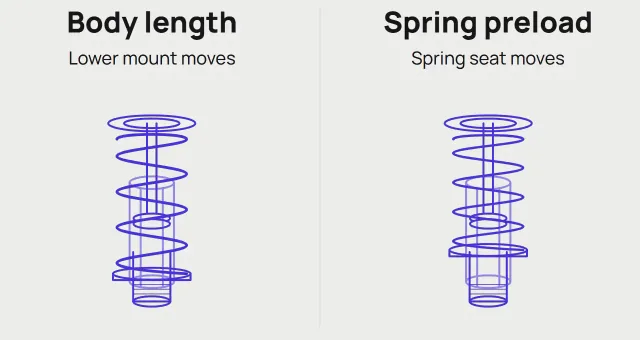
Ride height and spring preload
Understand the two adjustments before choosing a lowering range.
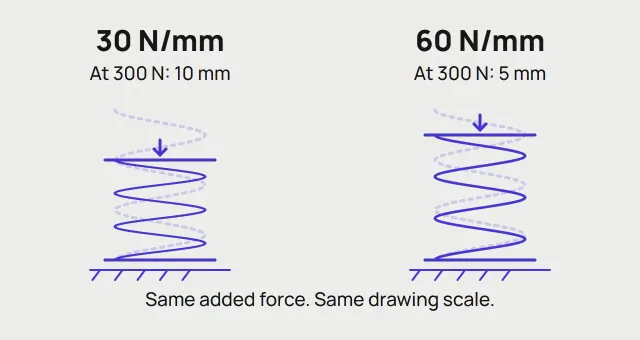
What spring rate tells you
Compare force and movement, read the units and choose a spring with the damper in mind.
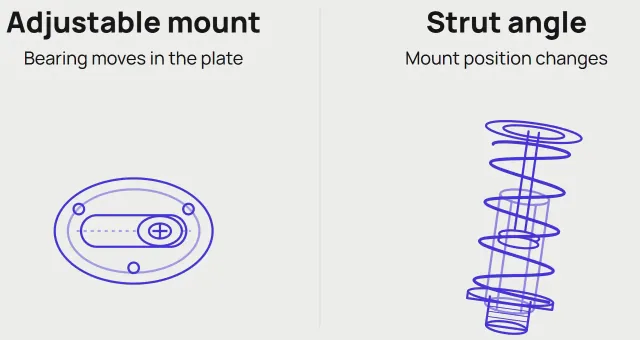
Spring rates and top mounts
Read the front/rear figures and check which mounts come with your kit.
Questions about Mazda RX-7 FC3S / FC3C coilovers.
Check the details before choosing your kit.
Does this guide include the later FD RX-7?
This guide covers the second-generation FC. The later FD3S and earlier SA22C/FB have different kit references and suspension details. Use the chassis number when checking a car registered near a generation change.
Can I order the FC coupe kit for an FC3C convertible?
BC's manufacturer table includes FC3S and FC3C under N-06, but the current shop title identifies FC3S. Ask us to confirm the convertible and exact selected configuration before ordering. A shared manufacturer reference does not resolve the product-title difference on its own.
Are the FC rear spring and damper separate?
The original rear coil spring surrounds the damper in one assembly. Mazda's 1988 manual identifies a multi-link semi-trailing rear layout, with trailing arms and additional links. The spring position should not be confused with the separate question of how the wheel is located.
What should I check if the rear suspension has been modified?
Identify the rear links and any replacement DTSS-related bushes, then give that information to the fitter. Have joints, mounting points and alignment hardware inspected for wear or damage. Choose the final height and alignment with those existing changes understood.
How do BR, ER and ZR differ?
BR uses a combined damping adjustment. ER separates compression and rebound and has external reservoirs. ZR provides separate rebound, low-speed compression and high-speed compression controls. Select the exact N-06 option and confirm its springs, mounts, installation requirements and price.
What spring rates does the current FC listing specify?
The parent listing records 6 kg/mm front and 5 kg/mm rear. Confirm the supplied springs for the chosen configuration and discuss any different requirement using the actual tyre specification, operating weight and use. Those figures are spring rates, not wheel rates.
How far should I lower my FC?
Agree the running height around available travel and wheel clearance on the actual car. Follow the selected kit instructions for height and preload, and check clearance through steering and suspension movement. The lowest mechanical setting is not automatically a useful road setting.
Will aftermarket coilovers retain the original electrical damper controls?
Identify any factory actuators, wiring and controls still fitted and check the replacement package specifically. Do not assume a manually adjusted coilover keeps the original electrical adjustment function. Include previous suspension changes in the enquiry.
Let’s talk suspension.
Use the finder, then tell us whether your FC is a coupe or convertible. Include its original market, engine changes and existing rear hardware so we can check the chosen kit configuration.