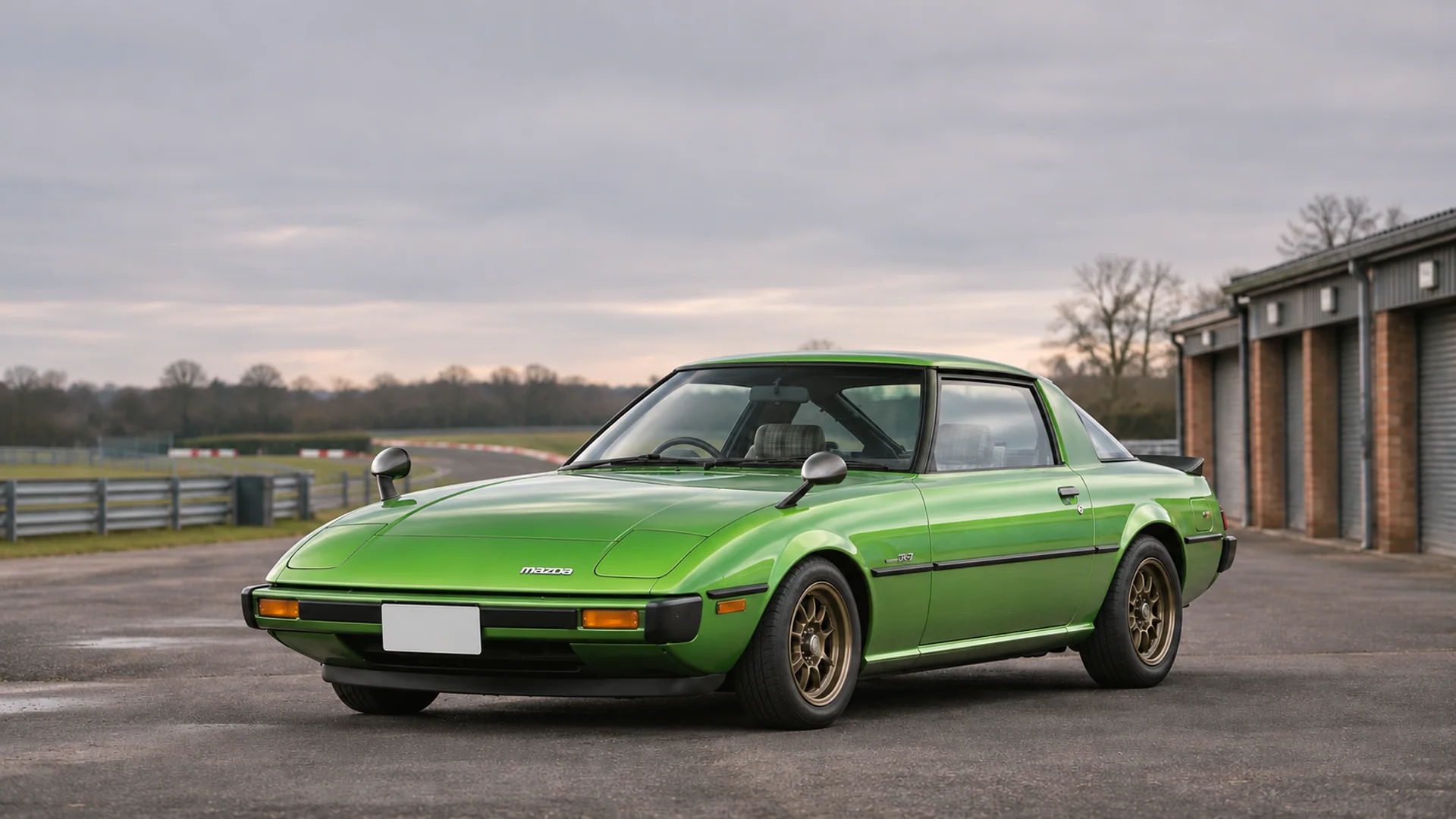
Mazda RX-7 SA22C / FB.
The coilover guide.
Shop the coiloversPlan the front fabrication before choosing the height. The first RX-7 keeps its rear springs separate from the dampers, with axle links that need attention too.
The original wedge-shaped rotary coupe.
For a first-generation RX-7, start by identifying the front strut assemblies already on the car. BC's N-38 application requires welding. Have the installer check the donor hardware and obtain the exact kit instructions before you order or book the work.
At the rear, the original live axle uses separate springs and dampers. The links and bushes locating that axle are part of the suspension brief. A car with wider wheels, an axle conversion or a heavier engine needs those changes understood before agreeing springs and a running height.
Mazda launched the first RX-7 in Japan in March 1978, with Europe following in 1979. A compact rotary engine sat behind the front axle, driving the rear wheels. The long bonnet, pop-up headlights and curved glass hatch made a small, low sports coupe around that layout.
The 12A powered the original range, while later markets included a Japanese turbo version and a fuel-injected 13B for North America. Identify the original market and engine on an import. A later registration, changed badge or engine swap can conceal the application details the fitter needs.
The RX-7 won the British Saloon Car Championship in 1980 and 1981, and the Spa 24 Hours in 1981. Those early results give a period track build some useful context, but they do not establish a spring specification for a modern car on different tyres. For a road restoration, keep the intended use and condition of the original hardware in the discussion.
Model history: Mazda1978 Savanna RX-7 museum entryMazda1974-1978 timelineMazda UK RX-7 history.
Start with your RX-7 SA22C / FB.
Confirm the chassis, year and existing suspension before choosing your setup.
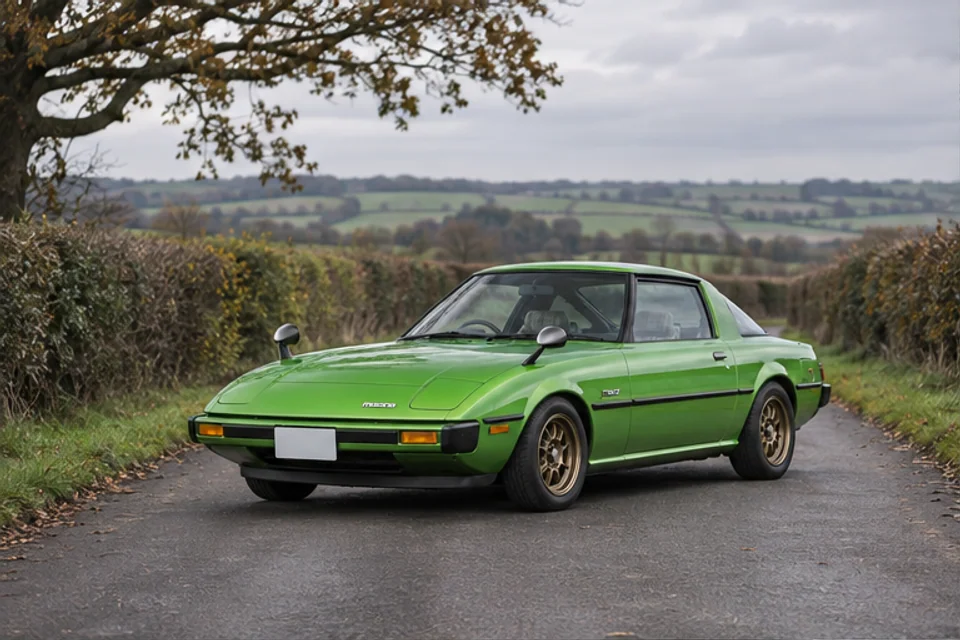
SA22C / FB coupe
The current BCR-N-38 application identifies rear-wheel-drive SA22C/FB cars from 1978 to 1985 and explicitly requires welding. BR RA is the configuration confirmed in BC's manufacturer table. Give us the build date, original market and front strut details before choosing it.
View the N-38 kit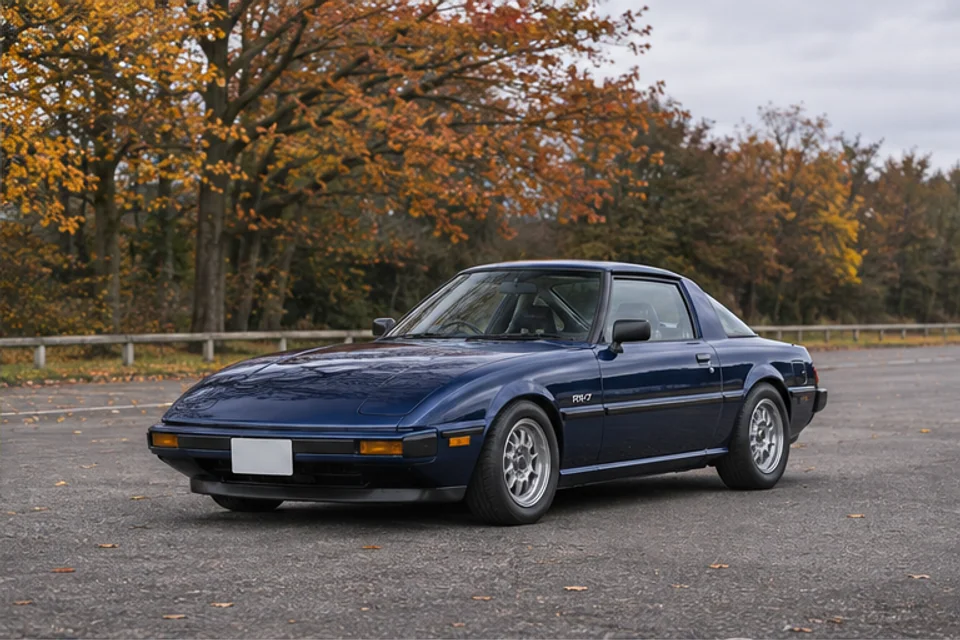
Imports and 13B-powered cars
Identify the original engine and any replacement hubs, brakes or strut assemblies. North American 13B cars and Japanese-market variants need their own application check. The broad SA22C/FB year range does not identify everything that remains on an individual car.
Check my import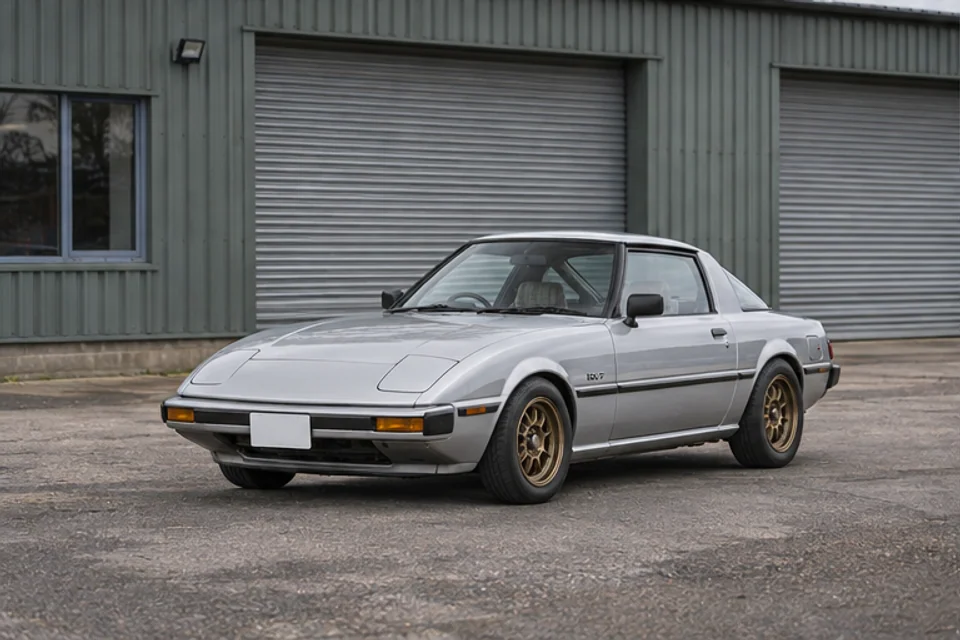
Previously modified front struts
Tell us if the front suspension has already been shortened, welded or converted. Ask the installer which original assemblies the selected kit needs and whether the existing parts are suitable. Send clear part identification before another fabrication plan is agreed.
Discuss my front hardware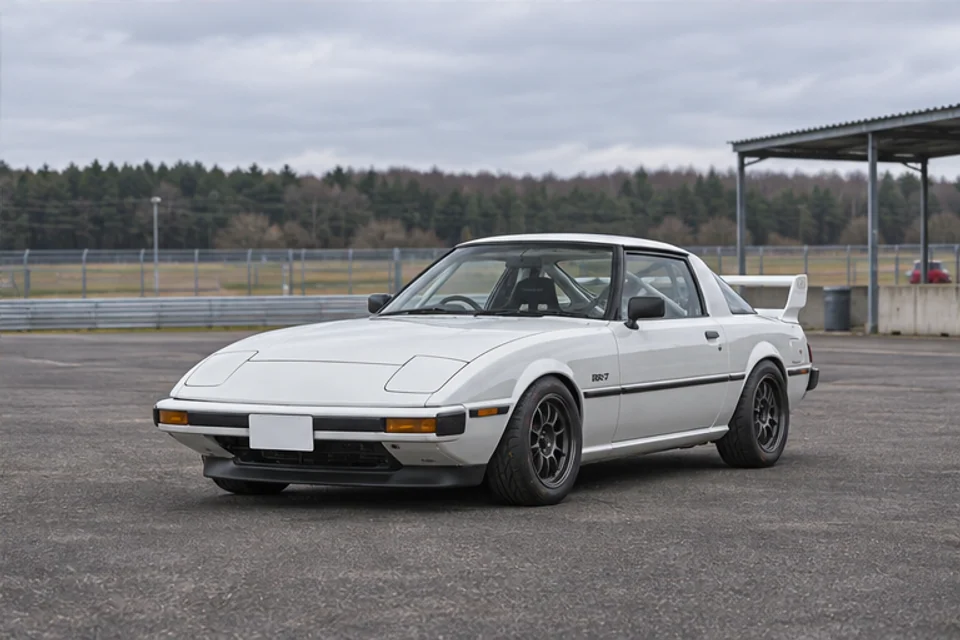
Track builds and axle conversions
Include the rear axle, links and spring seats fitted to a developed car. A drivetrain swap, cage or substantial weight removal changes the setup brief. Give us the tyre specification and operating weight; an original-chassis label does not approve an altered suspension package.
Discuss my RX-7 projectWhat do you want
from the car?
Road miles, circuit weekends or a car built around the lap. Start with how you drive.
Agree the weld-in installation and keep useful travel for an uneven road.
Read the buying advice
N-38 BR RA has combined damping adjustment and a pillowball front mount arrangement. The listing specifies 5 kg/mm front and 3.5 kg/mm rear springs. Confirm the actual supplied parts and what the rear assembly retains. Have the original mounting points inspected, then follow the kit instructions for fabrication, height and preload.
- Confirm front fabrication first
- Combined damping adjustment
- Keep the separate rear spring seats in mind
Use the verified BR package with a measured setup for occasional circuit use.
Read the buying advice
BR RA can also be considered for a car used on the road and at occasional track days. Use the actual tyres and operating weight when discussing springs. Record the damping settings and tyre pressures, and change one setting at a time. The front installation and sound rear links still need attention; a firmer adjuster position cannot repair worn hardware.
- Combined damping for road and circuit
- Specify around tyres and operating weight
- Keep a record of setup changes
Specify the suspension around the actual axle, tyres and competition use.
Read the buying advice
Give us the car's suspension layout, operating weight and intended events. Include a cage, axle changes and added aero. Confirm an appropriate spring-and-damper package and the installation requirements before treating a selectable series name as a competition recommendation. A car with different rear spring locations needs its own engineering discussion.
- Identify the actual axle and spring locations
- Choose springs for the complete car
- Agree installation and service requirements
Separate rear springs and dampers on a live axle.
On a standard Mazda RX-7 SA22C / FB, the rear spring and damper are mounted separately.
Component layout only. Mounts, dimensions and adjusters vary by kit.The original rear axle is located by upper and lower links, with a Watt linkage controlling sideways movement. Its coil springs sit separately from the shock absorbers. Both the 1980 and 1985 Mazda manuals show this arrangement; it is different from the later FC's independent rear suspension.
Check the rear spring seats, pads, damper bushes and axle-locating links against the selected package. BC's BR parts range identifies separate rear springs/adjusters and shocks for N-38. Confirm the full kit's exact contents and how its rear height is set. An adjustable spring seat does not itself add independent rear camber or toe adjustment.
Understand separate spring adjustment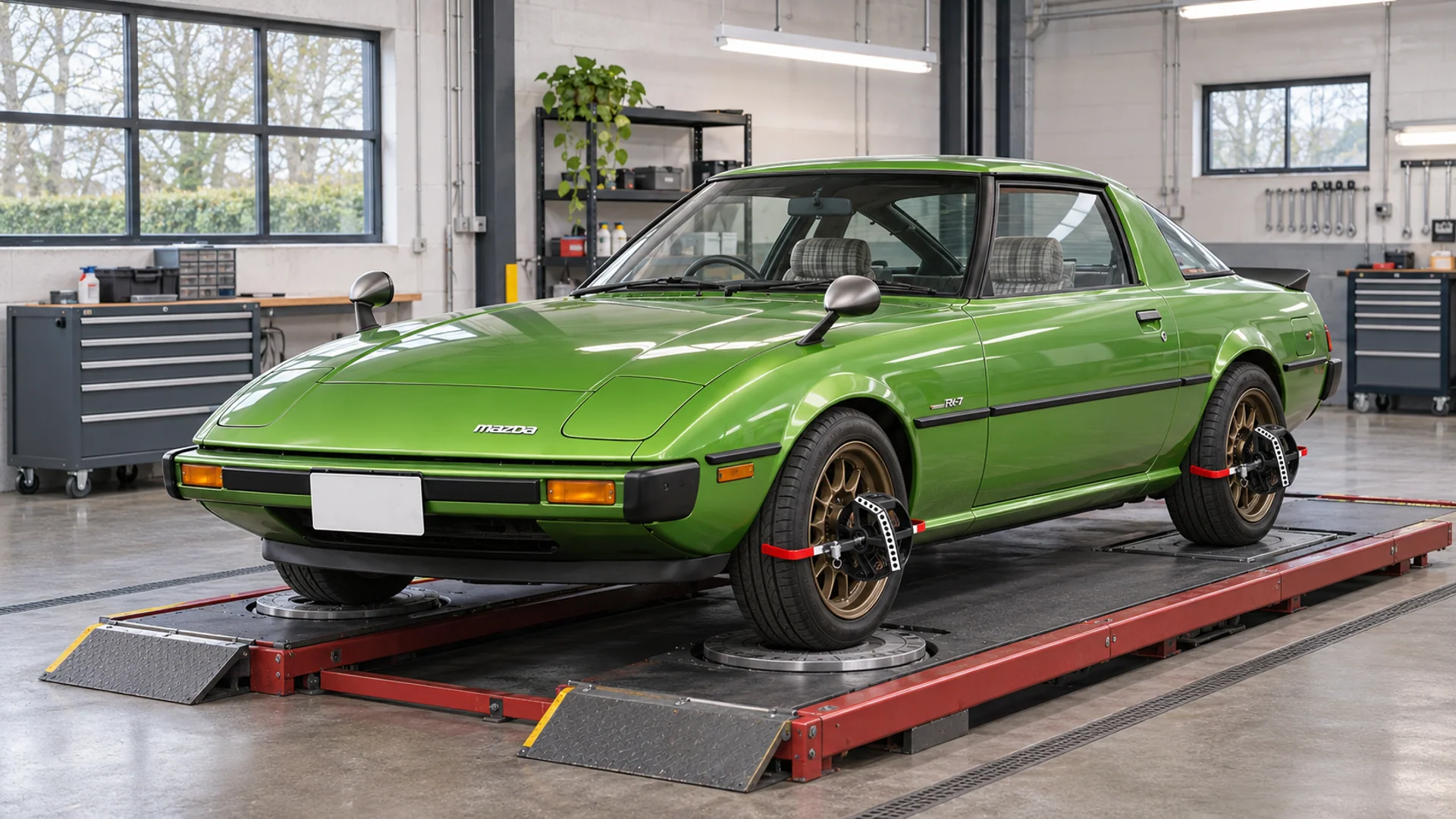
Identify the front assemblies and rear links.
Have a suitable suspension specialist assess the front strut hardware and the work required by the kit instructions. Include previous fabrication and the condition of the surrounding mounting points. Agree the installation plan before components are altered.
Inspect the rear axle links and Watt linkage, then measure the car with its intended wheels and tyres. Record front alignment and the rear axle's position with the fitter. On this live-axle car, fitting a rear spring adjuster is not the same as gaining an independent camber adjustment.
Front fabrication and existing conversions
Get the exact N-38 fitting instructions and identify the strut assemblies that must be retained. Ask the installer to assess earlier welds or conversions before planning more work. The application table's welding requirement is part of the installation brief.
Axle links and Watt linkage
Have the original joints, bushes and brackets inspected. Identify aftermarket links and any rear axle swap. Give the fitter the intended height so the axle location, available movement and spring seating can be checked on the actual car.
Wheel size, offset and spring clearance
Supply the wheel width, offset, tyre size and spacer thickness for each axle. Check front steering clearance and the space around both rear wheels through suspension movement. Leave enough tyre sidewall and running clearance for the roads you use.
Engine changes and competition equipment
Include a 13B or other engine conversion, cage and changed fuel installation in the specification discussion. Record operating weight with the normal driver and fuel load. A spring choice for an original road car should be reassessed after substantial weight or tyre changes.
The current RX-7 SA22C / FB range.
See the controls and hardware in the listed kit.

The first-generation reference is N-38 and the manufacturer application table confirms BR RA with welding required. Our selector also lists RM MA, but that option needs its application and supplied hardware confirmed separately because it is absent from the manufacturer table. The BR starting price is not a quote for RM or a claim that the two packages are identical.
View BC Racing RX-7 SA22C / FB kitsFind your RX-7 SA22C / FB coilovers.
Prices include UK VAT. Choose an application and brand, then open a kit for its current options and availability.
1 listing
Match the engine, body style and axle-load limits on the product page before ordering.
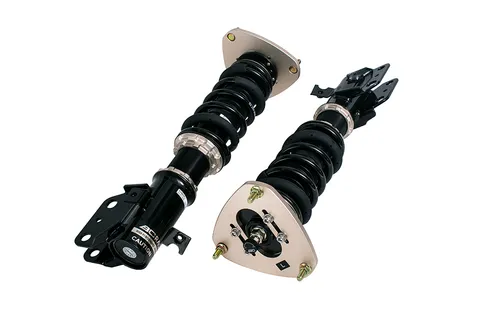
BC Racing · BCR-N-38
BC Racing Coilovers - Mazda Rx-7 (Welding Required) (RWD) (78-85) [SA22C/FB]
SA22C / FB coupe
All RX-7 SA22C / FB kit links and part numbers
Before you order.
Identify your car
Identify SA22C / FB, original market, build date and engine.
Match the kit
Record existing front struts, earlier fabrication and rear axle changes.
Check what’s included
Confirm the exact configuration, fitting instructions and fabrication plan.
Check your modifications
Check wheels, tyre clearance, rear spring seats and axle links at the intended height.
Plan fitting
Agree installation parts, final measurements and supply timing before booking.
See what the adjustments do.
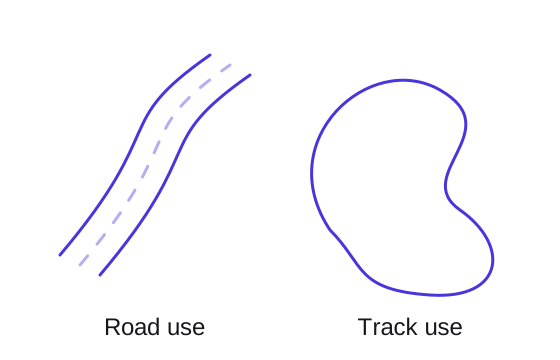
Choosing coilovers for road and track
Compare the kit against your roads, tyres and setup plans before counting adjusters.
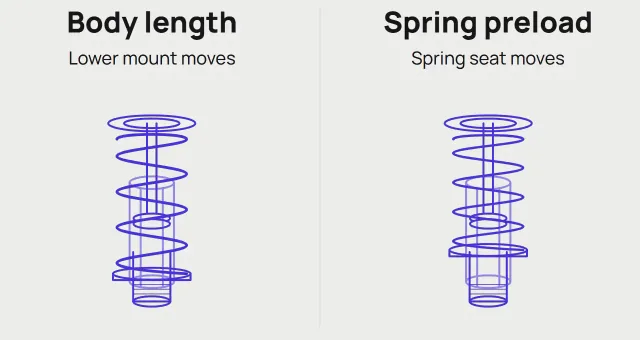
Ride height and spring preload
Understand the two adjustments before choosing a lowering range.
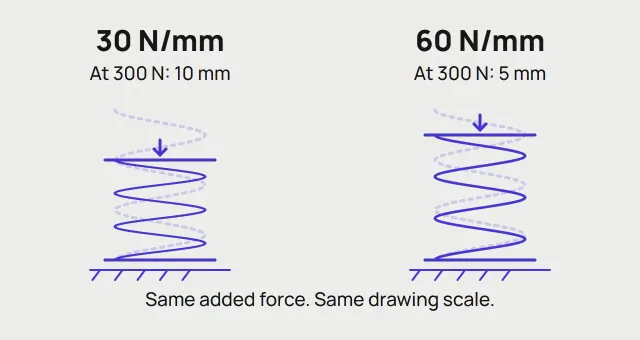
What spring rate tells you
Compare force and movement, read the units and choose a spring with the damper in mind.
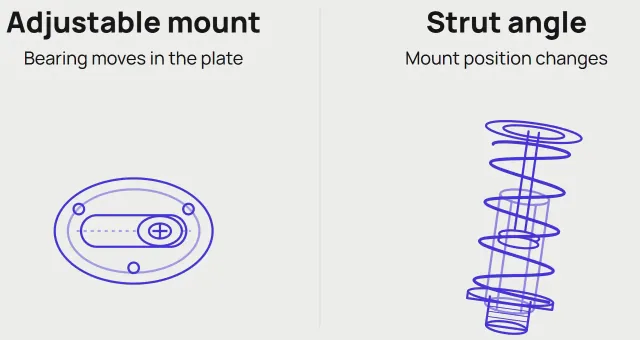
Spring rates and top mounts
Read the front/rear figures and check which mounts come with your kit.
Questions about Mazda RX-7 SA22C / FB coilovers.
Check the details before choosing your kit.
Does this guide cover FC and FD RX-7s?
It covers the first-generation SA22C/FB application. FC3S/FC3C and FD3S use different kit references and rear suspension layouts. Identify the chassis and build date when checking a car registered near a generation change.
Does the N-38 kit require welding?
Yes. BC's manufacturer application table explicitly marks N-38 SA22C/FB as welding required. Obtain the exact fitting instructions and have the original front assemblies assessed by a suitable installer before ordering or altering parts. Do not treat the kit as a straightforward bolt-on replacement.
Are the original rear springs separate from the dampers?
Yes. Mazda's original manuals show coil springs seated separately from the shock absorbers on the live rear axle. Upper/lower links and a Watt linkage locate that axle. Confirm the selected kit's rear spring seats, pads and damper mounting requirements.
Should I choose the listed RM MA option instead of BR RA?
Have the exact N-38 RM application and supplied hardware confirmed first. RM MA is selectable in our shop, but the published BC application table identifies BR RA only. A series name or higher price does not establish compatibility with the front assemblies on your car.
What spring rates does the current listing record?
The listing specifies 5 kg/mm front and 3.5 kg/mm rear. Confirm the springs supplied with the chosen configuration and discuss changes using the actual tyres, operating weight and use. These are spring rates, not wheel rates.
What information do you need for an import or engine-converted car?
Send the original market, build date, chassis identification and engine details. Identify replacement front struts or hubs, brakes and rear axle changes. Registration lookup is useful identification help, but it cannot establish the hardware fitted after manufacture.
Will rear height adjustment also adjust rear camber?
A rear spring-height adjuster changes the spring seating position; it does not itself provide an independent camber adjustment. Have the live axle, links and any conversions assessed with the intended ride height and wheel package.
Can the same BR kit be considered for road and occasional track use?
BR is the road and occasional-circuit range. Confirm the N-38 application and installation, then discuss the tyres, weight and springs for your use. A developed race car or altered rear suspension needs its own specification check instead of an assumed upgrade from the same listing.
Let’s talk suspension.
Start with the finder, then include your first-generation RX-7's original market and engine. Tell us about the front strut assemblies, previous fabrication and any rear axle changes so we can check the chosen package.