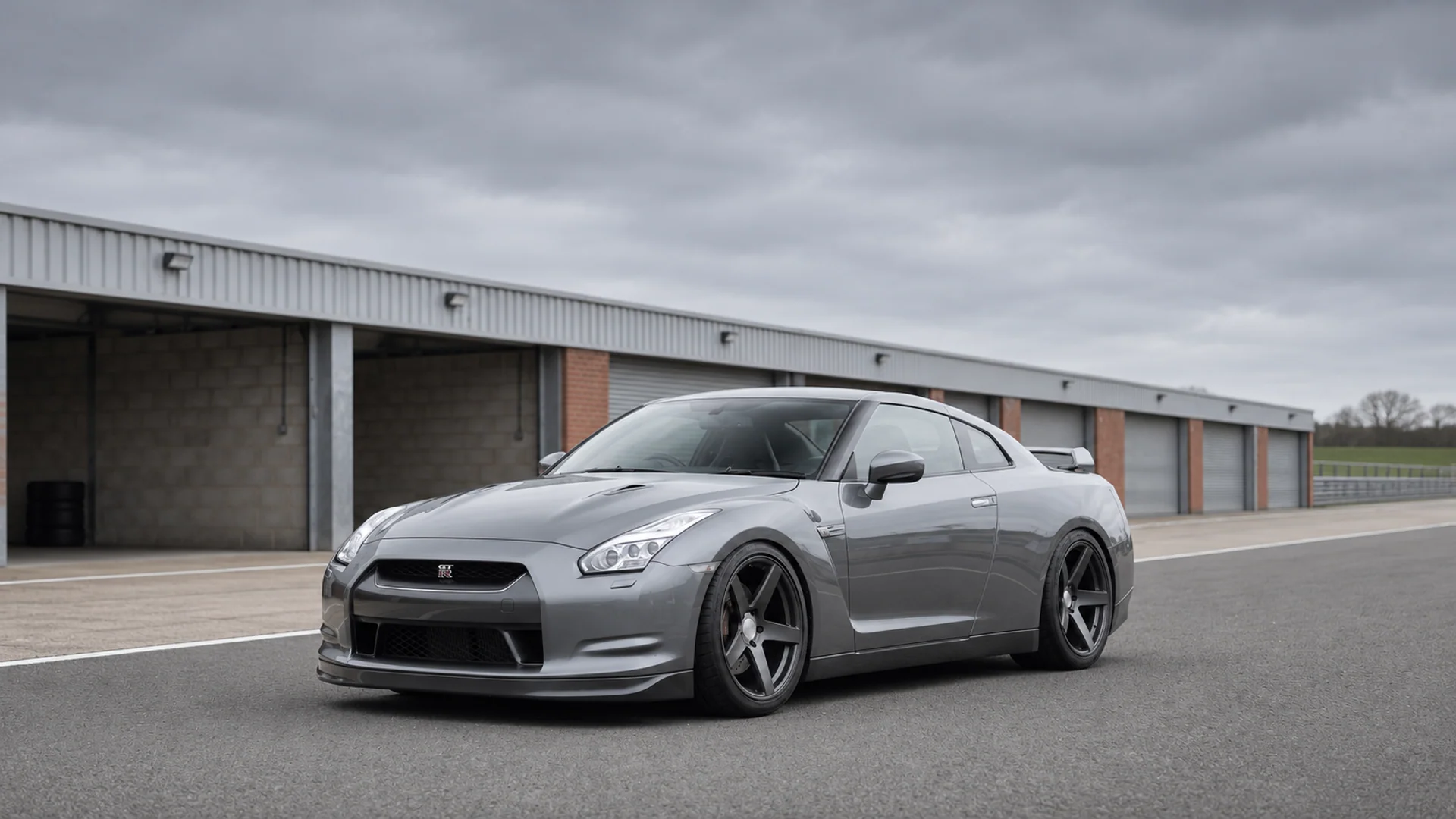
Nissan GT‑R R35.
The coilover guide.
Shop the coiloversStart with the R35 you own and the damper controls you want to keep. Then choose the springs, adjustment and fitting work for its road or circuit use.
Eighteen years of R35 development.
The R35 combines a twin-turbo V6, all-wheel drive and a rear-mounted dual-clutch transaxle. Standard UK cars already have factory electronic damping. Decide what needs to change before replacing it: the height, the damping behaviour, the available adjustment, or all three.
Use the build date, original market and exact grade when choosing a kit. A standard GT-R, Track Edition and NISMO can have different suspension specifications. Record any changed arms, wheels and control hardware as well as the badge on the boot.
Nissan introduced the R35 in Japan in 2007, with UK deliveries following in 2009. The new GT-R used a 3.8-litre twin-turbo V6 and a rear transaxle, with drive to all four wheels. Its R35 chassis code separates it from the earlier Skyline GT-R generations, even when a supplier still includes Skyline in a listing title.
Nissan continued revising the car through its long production run. The later UK brochure distinguishes ordinary grades, Track Edition engineered by NISMO and GT-R NISMO, with their own suspension equipment. The 2017 NISMO update included revised Bilstein damping and springs alongside its body changes. Identify the actual version before comparing it with an aftermarket package.
Production ended in Japan in August 2025, after eighteen years. Cars now being modified can therefore range from early imports to much later special editions. A supplier application labelled 2007 onwards or 2008 onwards still needs matching to the car in front of the fitter; it is not a description of one unchanged factory specification.
For a road R35, establish whether you want to retain the original electronic controls before selecting a replacement. For a developed circuit car, give the supplier the operating weight and tyre specification. Engine tuning alone does not determine the springs, damping or alignment the chassis needs.
Model history: Nissan original UK GT-R launch informationNissan UK GT-R brochureNissan 2017 NISMO updateNissan final R35 production announcementNissan contemporary 2009 UK sales confirmation.
Start with your GT‑R R35.
Match the model year, engine and body style before comparing brands.
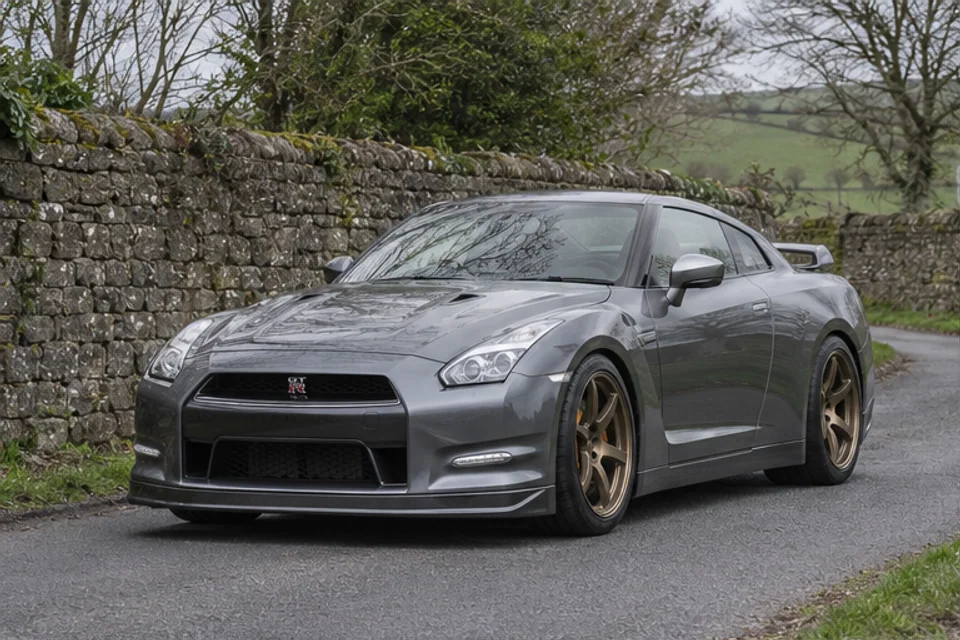
Standard R35 applications
Match the build date and original market. BC and MOTON name R35 from 2007; the UK TEIN record starts at 2008. Use each selected part’s own application notes and confirm what happens to the original electronic damping.
Find these kits
NISMO or Track Edition
Give the exact grade, build date and original suspension part numbers where available. Nissan distinguishes these versions from the ordinary grades. A generic R35 application does not confirm the springs, mounts or electronics for every special edition.
Check my edition
Keeping the factory controls?
Tell us which original damping functions you want to retain. The R35’s Bilstein dashboard modes and TEIN’s optional EDFC are different systems. Have the selected package’s retention or cancellation method and warning-light strategy agreed before ordering.
Discuss my damping controls
Imports and developed cars
For a Japanese or other-market import, send the chassis plate and build date. For a stripped, caged or heavily modified R35, include the tyres, operating weight, arms and mounting changes. A UK-market example is not automatic approval for another specification.
Discuss my carWhat do you want
from the car?
Road miles, circuit weekends or a car built around the lap. Start with how you drive.
A defined spring package and rubber mounts.
Read the buying advice
For a standard UK-listed R35 moving to an aftermarket adjustable package, MONO SPORT GSK00-71SS3 is the road example. TEIN specifies monotube dampers, rubber upper mounts and 16 kgf/mm front, 9 kgf/mm rear springs. It has a combined 16-position damping adjustment. Confirm the factory-control arrangements before committing; optional EDFC does not establish integration with Nissan’s dashboard switches.
- Monotube dampers
- 16 / 9kgf/mm listed springs
- Rubber upper mounts
A rebuildable package with a focused setup plan.
Read the buying advice
MOTON Clubracer M 502 126S is the listed one-way R35 example. It pairs rebound adjustment with rebuildable, non-inverted monotube dampers. Agree the springs for the actual car and tyres with a suspension specialist. Confirm the R35-specific mounts as well; a generic camber-plate photograph does not identify the hardware for this double-wishbone and multi-link layout.
- Rebound adjustment
- Rebuildable monotube dampers
- Application-specific springs and mounts
Independent controls for a developed R35.
Read the buying advice
MOTON three-way M 502 027S adds separate low- and high-speed compression controls alongside rebound adjustment. Those speed descriptions refer to damper movement. Choose the spring and mounting package around the actual car, and plan reservoir placement and access with the fitter. Keep a baseline record so each adjustment can be connected to what the driver feels.
- Three-way damping control
- Remote compression reservoirs
- A recorded competition setup
A spring around the rear damper.
The rear spring surrounds the damper on a standard Nissan GT‑R R35.
Component layout only. Mounts, dimensions and adjusters vary by kit.The factory R35 rear assembly has the coil spring around the shock absorber. Nissan’s rear-suspension document shows the spring, seats and damper as one assembly. The rear is multi-link, but that describes the wheel-guiding arms; it does not mean the spring has a separate lower-arm seat like the 370Z.
Choose the replacement package for this arrangement and its actual mounting hardware. The original adaptive damper has an electrical connection, so the fitter also needs the correct plan for the control system. The position drawing identifies the spring and shock only; the supplied kit determines the mounts and adjustment hardware.
Understand height and preload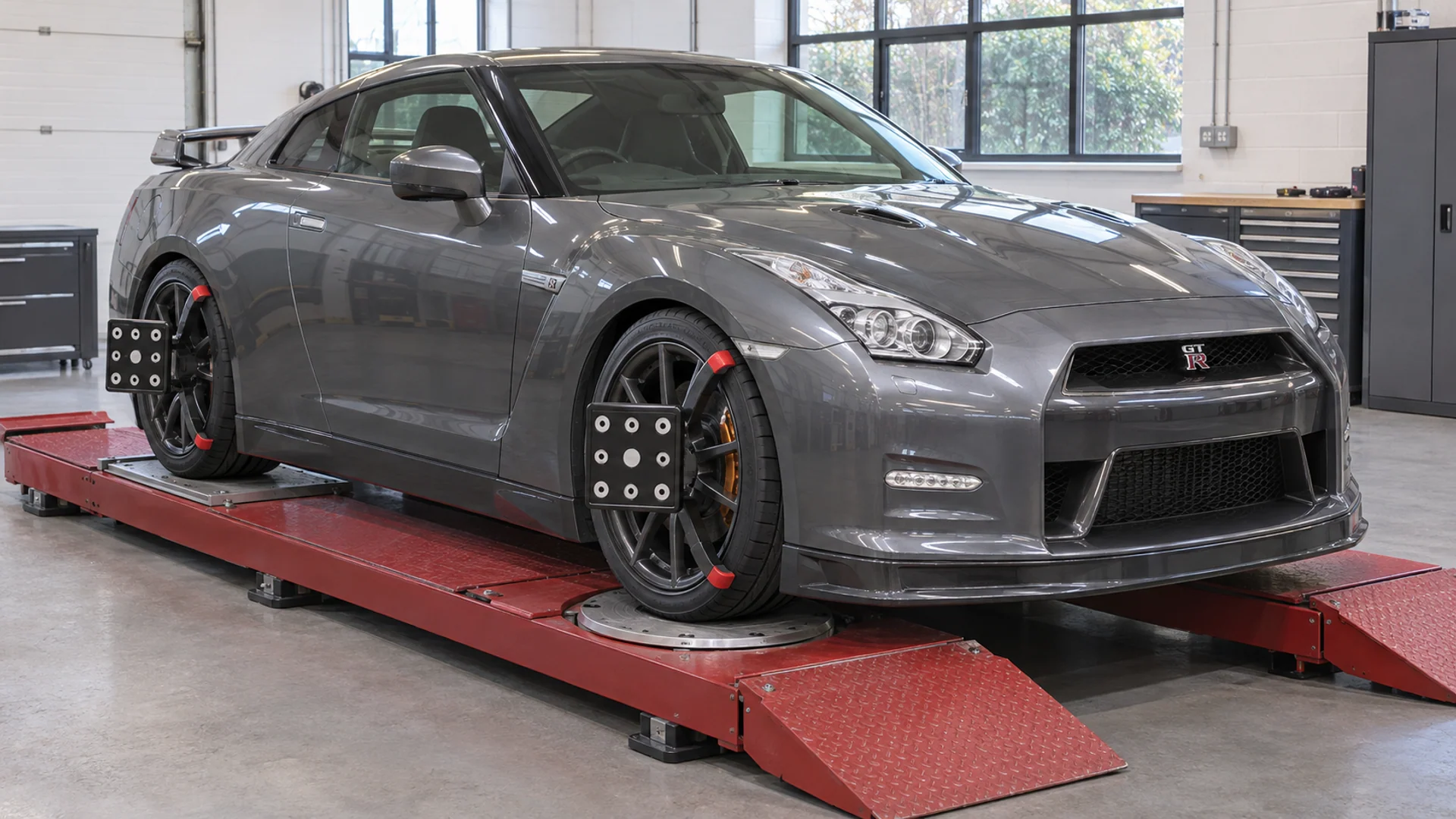
Measure the complete setup.
Before fitting, inspect the joints, bushes, arms and mounts, and record the original electronic-damping equipment. Give the fitter the wheel widths, offsets, tyre sizes and spacers. Check both suspension clearance and body clearance through movement; a low front splitter also needs room over ramps and road crests.
Settle the car at its agreed height before the final alignment. Keep the resulting figures with the spring and damping specification. For reservoir-equipped kits, agree secure mounting, hose routing and adjuster access. Confirm the electrical arrangements before the car leaves the workshop.
Factory damping and warning lights
Record the original system before replacing parts. Have the supplier and fitter confirm what remains functional and how disconnected equipment is handled. A plug-shaped accessory, an EDFC compatibility symbol or a generic R35 title is not proof of factory-mode retention.
Wheels, tyres and working clearance
Wheel diameter leaves out width, offset, tyre shape and spacers. Check the inner suspension clearance and the outer arch through movement. Keep the tyre specification and axle pairing appropriate to the car’s all-wheel-drive setup; do not choose it from an arch-gap photograph.
Springs and mounting parts
Use the chosen kit’s actual spring and mount specification. Front and rear spring-rate numbers do not describe the resulting stiffness at each wheel without the suspension leverage. Changed arms, removed weight and different tyres belong in the setup discussion.
Damping access and setup records
Decide how each adjuster will be reached with the trim and other equipment fitted. Record the starting settings and the reason for each change. For a circuit car, include tyre condition and pressures in the session notes so the damper setting is not judged in isolation.
The current GT‑R R35 range.
Compare the controls and hardware included in each range.

The UK GSK00-71SS3 row names R35 from 2008, with 16/9 kgf/mm springs, rubber mounts and a recommended 10–30 mm reduction at each end. EDFC compatibility is indicated, with controllers and accessories separate. Confirm the exact installation and factory-electronics plan.
View TEIN GT‑R R35 kits
D-29 names the R35 application, with BR, ER and ZX selectable configurations. Check the chosen series, supplied mounts, springs and electronic-damping arrangements. The parent starting price is not the price or specification of every configuration.
View BC Racing GT‑R R35 kits
The R35 row names one-, two- and three-way references. Compare which damping controls you need and how the exact mounts and springs will be specified. The two- and three-way motorsport packages also need a reservoir installation plan.
View MOTON GT‑R R35 kitsFind your GT‑R R35 coilovers.
Prices include UK VAT. Choose an application and brand, then open a kit for its current options and availability.
5 listings
Match the engine, body style and axle-load limits on the product page before ordering.
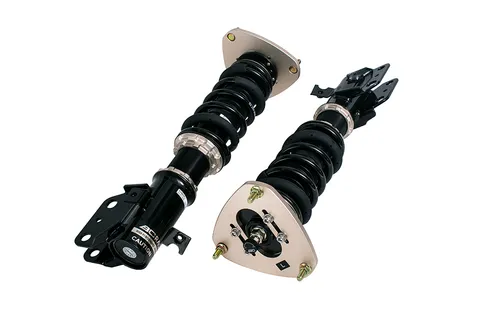
BC Racing · BCR-D-29
BC Racing Coilovers - Nissan Skyline R35 Gt-R (07+) [R35]
Standard R35 applications
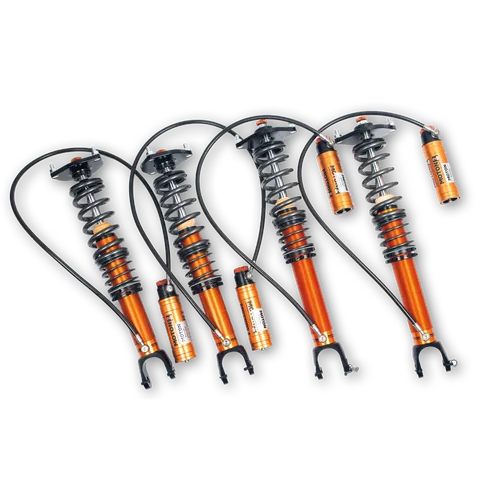
MOTON · M 502 026S
MOTON 2-Way Motorsport Coilovers for Nissan GTR R35 - M 502 026S
Standard R35 applications
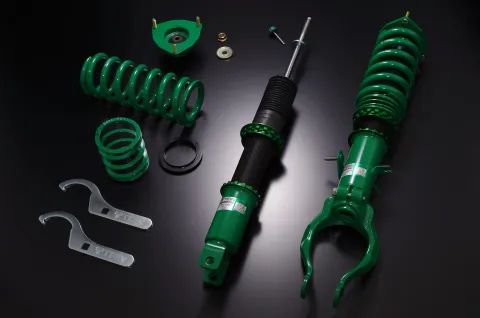
TEIN · GSK00-71SS3
TEIN MONO SPORT Coilovers for Nissan Gt-R R35 - GSK00-71SS3
Standard R35 applications
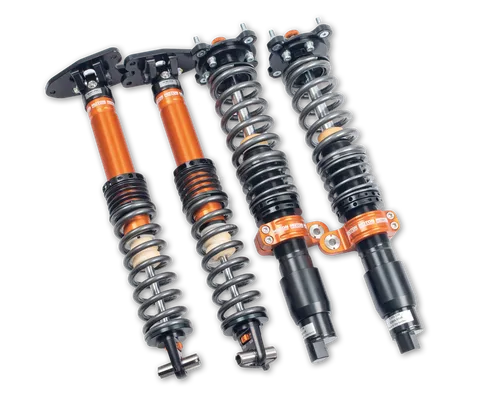
MOTON · M 502 126S
MOTON 1-Way Clubracer Coilovers for Nissan GTR R35 - M 502 126S
Standard R35 applications
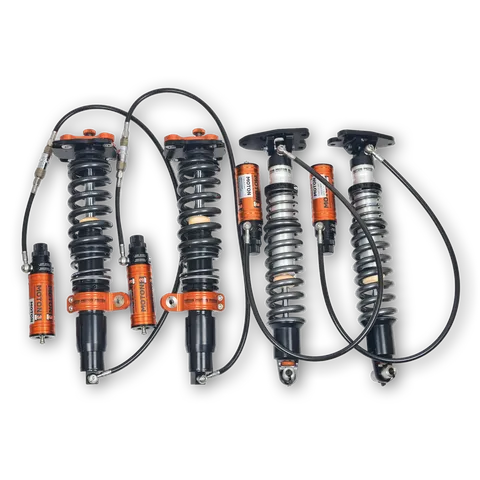
MOTON · M 502 027S
MOTON 3-Way Motorsport Coilovers for Nissan GTR R35 - M 502 027S
Standard R35 applications
All GT‑R R35 kit links and part numbers
- BC Racing · BCR-D-29: BC Racing Coilovers - Nissan Skyline R35 Gt-R (07+) [R35]
- MOTON · M 502 026S: MOTON 2-Way Motorsport Coilovers for Nissan GTR R35 - M 502 026S
- MOTON · M 502 027S: MOTON 3-Way Motorsport Coilovers for Nissan GTR R35 - M 502 027S
- MOTON · M 502 126S: MOTON 1-Way Clubracer Coilovers for Nissan GTR R35 - M 502 126S
- TEIN · GSK00-71SS3: TEIN MONO SPORT Coilovers for Nissan Gt-R R35 - GSK00-71SS3
Before you order.
Identify your car
Identify the R35 build date, original market and exact grade or special edition.
Match the kit
Decide which factory damping functions must remain and confirm the electrical plan.
Check what’s included
Match the exact kit, supplied springs, mounts and application notes to the car.
Check your modifications
Check wheel, tyre, spacer and body clearance at the intended working height.
Plan fitting
Agree installation, settled-height alignment and current supply timing before booking.
See what the adjustments do.
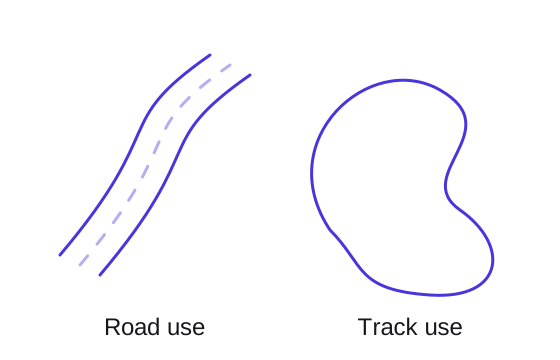
Choosing coilovers for road and track
Compare the kit against your roads, tyres and setup plans before counting adjusters.
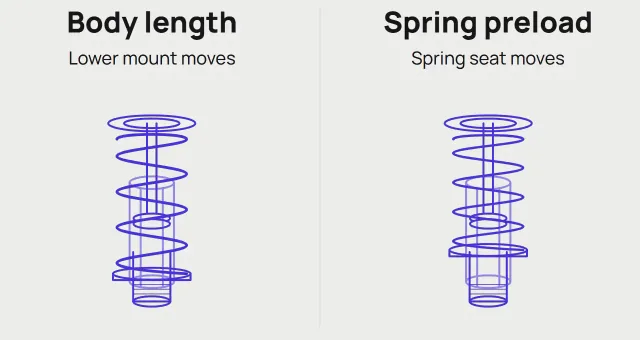
Ride height and spring preload
Understand the two adjustments before choosing a lowering range.
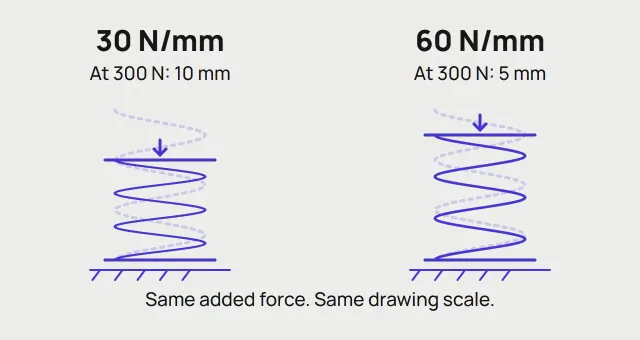
What spring rate tells you
Compare force and movement, read the units and choose a spring with the damper in mind.
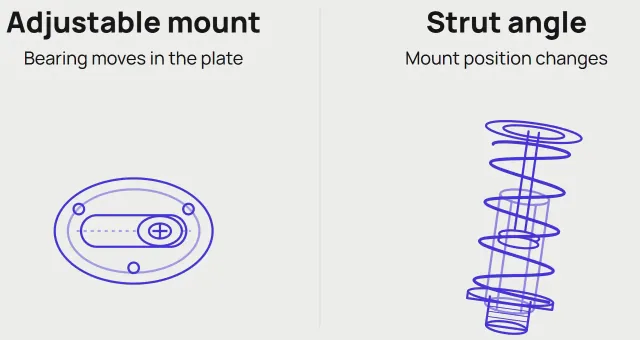
Spring rates and top mounts
Read the front/rear figures and check which mounts come with your kit.
Questions about Nissan GT‑R R35 coilovers.
Check the details before choosing your kit.
Will the original R, Normal and Comfort switches control a replacement kit?
Have that confirmed for the exact package. Standard UK R35s use Bilstein electronic damping, while the listed aftermarket kits have their own adjustment arrangements. Agree which original functions remain and how disconnected equipment or warning lights are handled. A generic R35 application is not an integration specification.
Is TEIN EDFC the same as Nissan’s original damping system?
No. EDFC is TEIN’s separate electronic adjustment system. The current UK GSK00-71SS3 record indicates compatibility, and TEIN lists the required motors and controller separately. That does not establish that Nissan’s dashboard modes will operate the replacement dampers. Confirm installation access and factory-system handling before ordering.
Does a standard R35 application automatically cover NISMO and Track Edition?
Check the exact version separately. Nissan’s UK brochure distinguishes ordinary grades, Track Edition engineered by NISMO and GT-R NISMO, with different suspension specifications. Provide the build date, original market and current equipment so the supplier can confirm the correct springs, mounts and electronic arrangements.
Why does the TEIN UK row start at 2008 when UK cars arrived in 2009?
A supplier’s application period and a car’s registration or retail-delivery date describe different things. The UK GSK00-71SS3 row says 2008 onwards; Nissan’s UK launch information planned deliveries for 2009. Match the build date and original market to the part’s own record, especially for an imported car.
How low should the TEIN R35 example be set?
The current UK MONO SPORT row recommends 10–30 mm lowering at the front and rear for its listed R35 application. Start the setup discussion within that range, then check travel, wheel clearance and ground clearance on the car. Its much wider maximum adjustment figures are not recommended road settings.
Does the R35 have a separate rear spring like the 370Z?
The factory R35 rear spring surrounds the shock absorber as part of the rear coilover assembly. Nissan’s workshop document shows the spring, seats and damper together. Its multi-link rear arms guide the wheel; they do not make it the separate-spring arrangement used by the 370Z.
Are the same upper mounts supplied with every R35 kit?
Check the exact package. TEIN lists rubber upper mounts front and rear for the UK GSK00-71SS3 example. MOTON family descriptions qualify their mount options by application. Confirm the R35-specific hardware instead of assuming that a generic camber-plate photograph or description shows what is supplied.
What changes between the one-, two- and three-way MOTON kits?
The Clubracer family provides rebound adjustment. The two-way motorsport family separates rebound and compression, with compression controlled at remote reservoirs. Three-way adds separate low- and high-speed compression controls. Choose the controls and spring package for the setup work you can carry out; price alone does not establish a handling improvement.
Let’s talk suspension.
Use the finder to identify your GT-R, then tell us its grade, original market and suspension changes. Include which factory damping functions you want to keep so we can check the appropriate package.